How Do F1 Teams Make Money? Prize Money, Sponsors and Revenue Explained
The cars carry the logos, but the real business combines central F1 payments, sponsorship rights, manufacturer support, technical supply and a valuable global fanbase.
F1 teams make money from Formula 1 prize-fund payments, sponsorship, manufacturer or owner backing, merchandise, hospitality, licensing and technical supply deals. Successful teams usually combine several streams rather than relying on one source.
A Formula 1 team is both a racing operation and a global commercial property.
The sporting side designs cars and fights for points. Meanwhile, the business side sells access to the team’s name, audience and technology.
Central Formula 1 payments remain vital. Liberty Media reported $1.4 billion in team payments during 2025.
However, that money does not arrive as a simple winner’s check. The Concorde Agreement uses a detailed Prize Fund formula.
Championship performance matters most. Yet longer-term success and heritage can also influence the distribution.
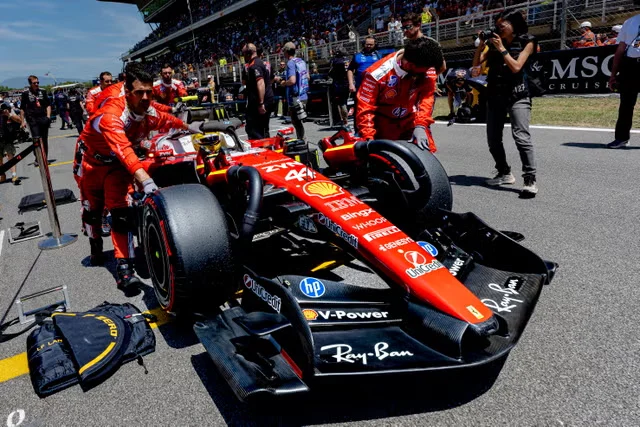
Sponsorship provides another major stream. Brands buy positions on the car, driver clothing, digital channels and hospitality programs.
Works teams can also receive manufacturer support. Independent teams may rely more heavily on owners and commercial partners.
In addition, power-unit suppliers charge customer teams. Some constructors sell permitted components or technical services.
Merchandise, licensing and corporate experiences add further income. Digital content makes the sponsor package more valuable throughout the week.
Therefore, answering how do F1 teams make money requires more than listing prize money and logos.
The full model connects results, brand value, ownership and cost control. This guide explains how each part works.
The Short Answer: Seven Main F1 Team Revenue Streams
The main streams are Formula 1 Prize Fund payments, sponsorship, manufacturer or owner funding, customer component sales, merchandise and licensing, hospitality, and digital content. The balance depends on the team’s results and ownership model.
Every Formula 1 constructor receives money through a different mix. A championship-winning works team does not resemble a small independent team.
Nevertheless, the basic structure remains consistent. Seven revenue categories explain most team income.
Central Payments
Formula 1 distributes Prize Fund money under the Concorde Agreement. Constructors’ results influence the largest share.
Commercial Income
Sponsors, merchandise, hospitality and digital campaigns monetize the team’s global audience.
Strategic Funding
Manufacturers, owners and investors provide capital because the team supports technology, marketing or long-term asset value.
| Revenue Stream | Who Pays | Why the Team Earns It |
|---|---|---|
| Formula 1 Prize Fund | Formula 1 commercial-rights business | Participation, Constructors’ performance and other Concorde principles |
| Sponsorship | Global and regional brands | Car branding, content, access and hospitality |
| Manufacturer or owner funding | Parent companies and shareholders | Marketing, technology, competition and investment value |
| Technical supply | Customer teams and outside clients | Power units, permitted components and engineering services |
| Merchandise and licensing | Fans, retailers and licensees | Use of team marks, colors, history and driver identities |
| Hospitality | Sponsors, companies and premium guests | Race-weekend access and business experiences |
| Digital and content | Sponsors, platforms and fans | Branded media, memberships and audience engagement |
These sources also reinforce one another. A faster car earns more central money and attracts better sponsors.
Meanwhile, popular drivers can increase merchandise sales. Stronger commercial income then supports facilities and staff.
Results start the cycle, but brand strength keeps it moving. The most valuable F1 teams sell history, technology and access even during seasons when they are not winning.
Formula 1 Revenue and Team Revenue Are Not the Same
Formula 1 earns centrally from media rights, race fees, sponsorship and hospitality. Teams are separate companies that receive central payments and sell their own sponsorship, merchandise and technical services.
Liberty Media owns the Formula 1 commercial business. It does not own the individual constructors.
Formula 1 sells the championship to broadcasters, promoters and global partners. The teams create the competitive product.
Each constructor then builds its own commercial operation. It sells team-specific rights rather than championship-wide rights.
For example, a Formula 1 global partner can advertise across the series. A Red Bull or Ferrari sponsor buys an association with that team.
The distinction also applies to merchandise. An official F1 product can generate central licensing income.
However, a team shirt usually pays the team, retailer and relevant licensees. Driver image rights may add another contract.
Read what Formula 1 is and the 2026 F1 teams list for the current championship structure.
Formula 1 Sells
- Broadcast and streaming rights
- Grand Prix hosting rights
- Series-wide sponsorship
- Paddock Club hospitality
- Central licensing and productions
An F1 Team Sells
- Car and teamwear branding
- Team content and appearances
- Corporate guest programs
- Team merchandise and licensing
- Technical supply and services
1. Formula 1 Prize-Fund Payments
Liberty Media reported $1.4 billion in team payments for 2025, compared with $1.266 billion in 2024. It also paid a separate $50 million signing incentive to the 10 teams that joined the 2026 commercial agreement.
Fans often call these distributions “prize money.” Liberty Media’s filings use the term Prize Fund payments.
The money comes from the central Formula 1 business. It is one of the championship’s largest operating expenses.
During 2025, team payments rose by $134 million. Higher Formula 1 revenue helped increase the variable fund.
The $1.4 billion figure excluded the one-time $50 million Concorde incentive. Formula 1 paid that incentive in March 2025.
At the time, 10 teams competed. Cadillac then joined as the eleventh constructor for 2026.
The Prize Fund Uses Adjusted Profit, Not Simple Revenue
The 2026 Concorde Agreement calculates the Prize Fund with reference to a fixed percentage of Prize Fund Adjusted EBIT.
That measure begins with Formula 1 operating profit. It then removes specified items, many of which are non-cash.
Therefore, the team pool is not a flat percentage of gross Formula 1 revenue. Public estimates that use revenue alone can mislead.
Why Exact Team Payments Remain Private
Liberty discloses the total team-payment expense. However, it does not publish an audited payment for every constructor.
The Concorde Agreement remains commercially confidential. Consequently, detailed media tables rely on models and informed estimates.
Accuracy note: This article does not assign an unofficial dollar value to first, fifth or eleventh place. Formula 1 has not published a complete team-by-team 2026 payout table.
2. Constructors’ Championship Position
Yes. The 2026 Concorde Agreement bases a significant majority of the remaining Prize Fund on the previous year’s Constructors’ Championship position, although other principles also apply.
The Constructors’ Championship is the commercial scoreboard for the teams. Every point can affect more than sporting pride.
A higher finishing position improves the performance-related share of the next distribution. Therefore, midfield battles can carry lasting financial value.
A team may fight for eighth place even after the titles are settled. One position can strengthen the following season’s cash flow.
Performance Is Not the Only Principle
Liberty Media states that longer-term success and heritage also influence the Prize Fund. Ferrari receives a specific heritage share.
The remainder then goes to the teams using Constructors’ results. Most of that result-based element reflects the previous season.
These details explain why “winner takes all” is wrong. Every team contributes to the grid and receives central support.
Why Teams Prioritize the Constructors’ Table
Drivers fight for individual points. Teams combine both drivers’ scores for the Constructors’ Championship.
Therefore, reliability across two cars matters. A star driver cannot fully protect the team if the second car rarely scores.
Follow the Formula 1 standings and review how racing championships are scored.
3. Sponsorship: Selling the Team’s Global Platform
Teams sell naming rights, car branding, driver and teamwear placement, digital content, hospitality and business access. Contract values are private and depend on visibility, performance, market reach and the rights package.
Sponsorship can be the largest self-generated revenue source for an F1 team. It also appears in almost every public-facing part of the operation.
The most valuable package can include team naming rights. Smaller deals cover specific car surfaces, apparel or digital inventory.
However, a sponsor buys more than a sticker. It receives a program that runs across many markets.
Title and Naming Partners
McLaren expanded Mastercard into its official naming partner from 2026. The team competes as the McLaren Mastercard Formula 1 Team.
Oracle also extended its title partnership with Red Bull in a multi-year deal. Mercedes renewed its title and technical relationship with PETRONAS from 2026.
Meanwhile, Toyota Gazoo Racing became Haas’s title sponsor for 2026. These agreements show how naming rights can connect brand and team identity.
The parties did not publish contract values. Therefore, claims about exact annual fees remain estimates unless a company confirms them.
Car Placement Has Different Values
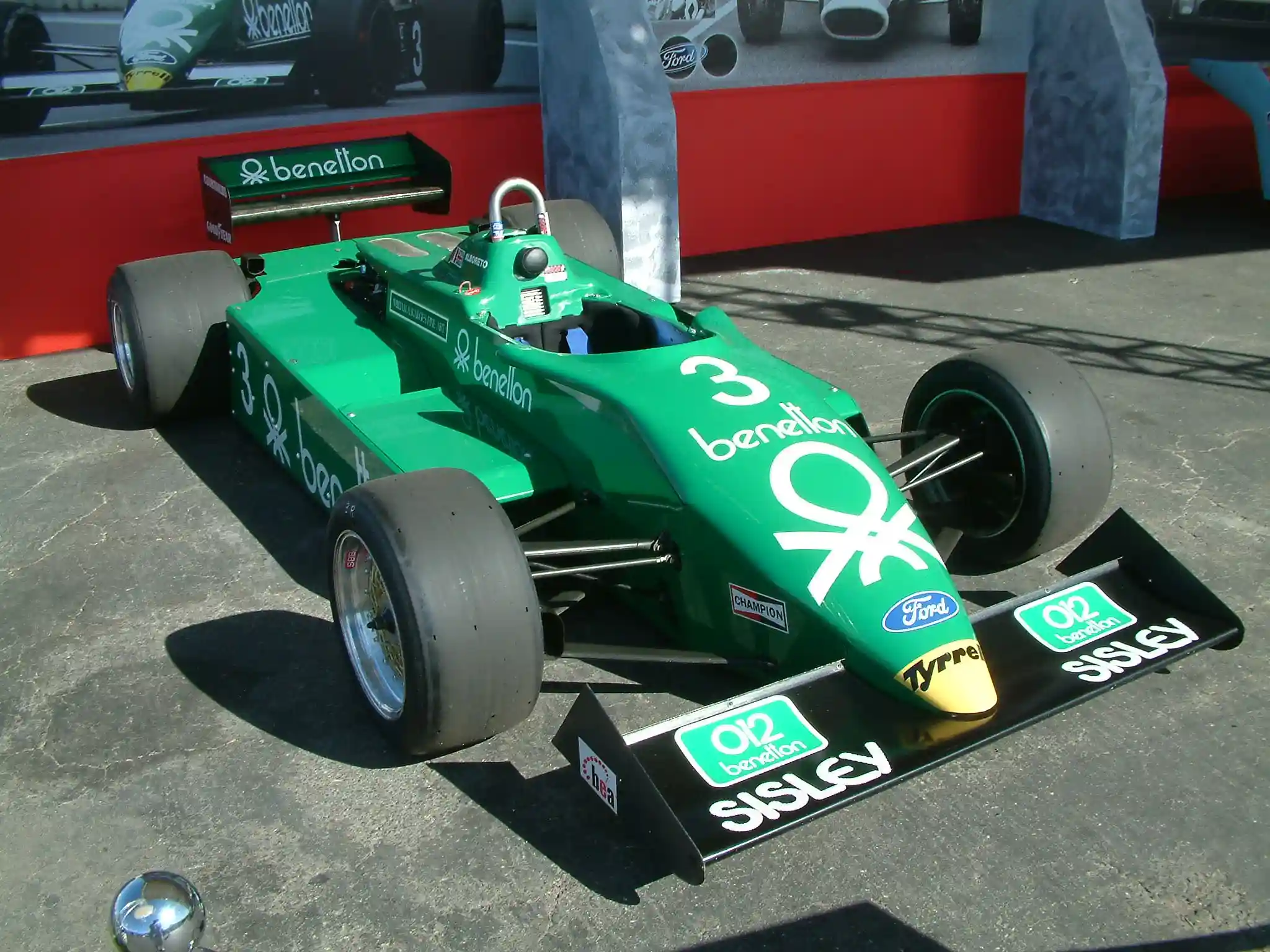
The sidepods, engine cover and rear wing receive long television exposure. The halo, nose and front wing can deliver tighter camera visibility.
Driver suits and helmets add another inventory layer. Garage walls, equipment and social graphics continue the exposure.
Technology Partners Can Offset Costs
Some agreements include products and expertise as well as cash. Cloud, cybersecurity and computing partners can support race operations.
Fuel and lubricant companies can participate in development. Suppliers may also provide manufacturing equipment or specialist services.
Consequently, the commercial value can exceed a simple sponsorship fee. A useful partner can reduce costs or improve performance.
Hospitality Makes Sponsorship More Valuable
Partners invite customers and employees to Grands Prix. Team guests can meet staff, view the garage and attend private events.
That business-to-business value often justifies the deal. Global visibility attracts attention, while hospitality helps close relationships.
Read the profile of Red Bull Racing and the history of Ferrari through the decades.
4. Manufacturer, Parent-Company and Owner Funding
Yes. Works teams can receive financial and technical support from automotive parent companies. Independents may receive capital from owners, shareholders or investment groups.
Not every dollar entering a team is operating revenue from a customer. Owners can invest capital to fund facilities, acquisitions or losses.
A manufacturer may treat Formula 1 as marketing and research. The value can appear across the wider company rather than the team’s profit line.
Why Automakers Invest
Formula 1 offers global brand exposure. It also creates an engineering challenge for power units, materials and software.
Manufacturers use the program to recruit engineers and motivate employees. Dealers and corporate customers can also attend races.
Therefore, the return may include technology, reputation and customer relationships. Direct team profit is only one measure.
Independent Team Owners
Private teams can receive shareholder funding when commercial income falls short. Historically, that support kept several constructors alive.
Today, the cost cap makes future spending easier to predict. Rising central payments have also reduced the size of potential losses.
Equity Investment Is Different From Sponsorship
A sponsor buys commercial rights for a set period. An investor buys part of the company.
The investor hopes the ownership stake will rise in value. It may also influence governance and long-term strategy.
That difference matters when discussing Formula 1 team valuation. Sponsorship funds a season, while equity can reshape ownership.
5. Customer Power Units, Components and Engineering Services
Power-unit manufacturers charge customer teams for engine supply and trackside support. Constructors can also sell permitted components, while wider engineering divisions may provide technology services outside Formula 1.
Formula 1 does not require every team to build every system. Customer relationships allow smaller constructors to buy complex components.
A power-unit package includes more than hardware. It also requires engineers, software support and spare-unit planning.
Power-Unit Customer Programs
Manufacturers can supply several teams. Customer fees help offset the cost of developing and operating the program.
However, a customer engine business is not necessarily a large profit center. Development and support remain expensive.
Transferable Components
Teams can buy listed items permitted by the technical regulations. These may include gearbox and suspension elements under defined rules.
The supplier earns revenue and spreads its engineering cost. The customer avoids building every department from scratch.
Applied Technology Beyond the Grid
Some teams operate engineering businesses outside Formula 1. They apply simulation, composites and data skills to other industries.
Those projects can diversify income. Nevertheless, teams must account carefully for shared staff and facilities under financial regulations.
For the technical background, read how an F1 race car works and the history of racing simulators.
6. Merchandise, Licensing and Memorabilia
Teams do not publish a standard merchandise percentage. They earn through direct retail sales, licensing royalties and collaborations, while retailers, manufacturers, drivers and Formula 1 may hold separate rights.
A team shirt turns colors and logos into a consumer product. Successful teams can sell apparel across the world.
Online stores provide year-round reach. Trackside shops add demand during race weekends.
Licensing Reduces Retail Risk
A licensee can manufacture and distribute products. The team then receives royalties or guaranteed fees.
This model reduces inventory risk. However, the team gives up part of each sale.
History Has Commercial Value
Classic liveries, championship cars and famous drivers support retro collections. A historic team can monetize decades of identity.
Model cars, books and authenticated memorabilia reach collectors. Race-used components can also support premium auctions.
Driver Merchandise Can Use Separate Rights
A driver may own personal trademarks and image rights. The team may sell co-branded products under its employment agreement.
Therefore, not every cap or shirt follows the same revenue split. The answer depends on the contract.
Explore the museum’s special exhibits and the feature on model-car collecting.
7. Team Hospitality and Corporate Experiences
Teams sell or include premium race-weekend access in sponsorship packages. They also host corporate guests, factory visits, simulator experiences and private events.
Hospitality converts limited access into commercial value. A sponsor may bring senior customers to the paddock.
The team can provide meals, briefings and carefully managed garage viewing. Drivers or executives may attend selected events.
Hospitality Is Often Bundled
A partner may receive guest passes as part of its sponsorship rights. In that case, hospitality helps justify the sponsor fee.
Teams can also sell experiences directly through approved programs. The exact arrangement varies by race.
Factory Experiences Extend Beyond Race Week
Headquarters can host customer meetings and tours. Simulator demonstrations make the technical story tangible.
Heritage cars can appear at corporate events. Show-car programs also bring the team to markets without a Grand Prix.
Consequently, the team’s assets work commercially between races. The car does not need to be competing to create value.
8. How Drivers Influence Team Revenue
Yes. Famous drivers can attract sponsors, increase merchandise demand, grow social audiences and strengthen a team’s appeal in key markets.
Drivers are employees, but they are also major commercial assets. Their performances create television exposure.
Meanwhile, personality and nationality can expand the fanbase. A local star can help sponsors target a country or region.
Star Drivers Strengthen Sponsor Packages
A partner may value driver appearances and content. However, contracts normally limit how much commercial time a driver must provide.
Top drivers also command high salaries. Their pay can exceed the direct revenue they generate in one season.
Nevertheless, a championship contender can transform a team’s profile. Winning creates media coverage that cannot be purchased easily.
Pay Drivers and Sponsored Seats
Historically, some drivers brought personal funding or sponsor support. That money helped smaller teams cover operating costs.
Modern Formula 1 still includes driver-linked commercial relationships. However, sporting ability and super-licence requirements remain essential.
Image Rights and Merchandise
Driver likeness can appear in games, apparel and campaigns. The related income depends on team, driver and Formula 1 agreements.
Read how much F1 drivers make and the separate guide to F1 driver earnings.
9. Digital Content, Social Media and Fan Membership
Teams can earn from sponsored content, platform advertising, memberships and digital partnerships. More importantly, a large audience raises the value of the team’s broader sponsorship inventory.
A team’s digital channels operate every day. Race weekends provide the peak, but factories and drivers create content between events.
Sponsors can buy branded videos, podcasts and social campaigns. The team can report impressions and audience demographics.
Direct Platform Revenue Is Only Part of the Value
YouTube advertising may generate income. However, the larger benefit can be a stronger sponsor proposal.
A partner pays more when the team offers millions of engaged followers. Digital reach also supports merchandise sales.
Memberships and Apps
Teams can sell premium memberships, competitions or exclusive products. Apps help collect first-party fan data.
That data improves marketing and sponsor activation. Privacy rules still control how teams use personal information.
Esports and Gaming
Sim racing creates another sponsorship platform. It reaches fans who may not attend a Grand Prix.
Gaming partnerships also connect real drivers, esports competitors and content creators. Therefore, the team brand can operate in several championships at once.
10. How the Cost Cap Changed the Business
No. The cost cap limits defined performance-related expenditure, not income. A team can sign more sponsors and grow revenue, although it cannot spend unlimited amounts on car performance.
Formula 1 introduced financial regulations in 2021. The objective was closer competition and long-term sustainability.
The 2026 team cap is $215 million. However, the scope expanded, so the increase from the old $135 million base is roughly neutral overall.
Research, design and manufacturing costs enter the performance calculation. Teams must allocate resources within that limit.
Major Exclusions Remain
Driver retainers and the three highest-paid staff salaries remain outside the cap. Marketing, legal, finance and race travel are also excluded.
Therefore, total team expenditure can exceed $215 million. Commercial growth still matters because excluded departments need funding.
Revenue Above the Cap Can Improve Profitability
Before the cap, teams could spend almost every new sponsor dollar chasing performance. Wealthy rivals raised the competitive ceiling.
Now, additional revenue can support excluded operations, capital investment or profit. Owners can forecast the business with greater confidence.
The Cap Does Not Guarantee Profit
A team still pays drivers, executives, travel and marketing. It can also invest heavily in facilities.
Consequently, a weak commercial operation can lose money despite complying with the cap. Cost control creates an opportunity, not a guarantee.
Read how much an F1 car costs and how the FIA regulates Formula 1.
Are Formula 1 Teams Profitable?
Some teams report profits, while others depend on owners or manufacturers. Results vary because company structures, accounting periods and included racing programs are not identical.
Formula 1 teams are private companies. Most do not publish the detailed segment information available for public U.S. sports businesses.
Several British constructors file accounts at Companies House. However, those statements are not always directly comparable.
One company may include only Formula 1. Another may include IndyCar, Formula E or wider engineering operations.
Revenue Is Not Cash Available for the Car
A team can report high revenue and still have major obligations. Sponsorship programs require staff and activation.
Meanwhile, driver salaries and travel sit outside the cap. Factory investment also consumes cash.
Performance Can Change the Next Year
A higher Constructors’ position can improve central payments. It can also strengthen sponsor renewals.
However, bonus payments may rise after success. Teams can also invest more in infrastructure.
Manufacturer Teams Measure Wider Returns
A car company may accept a modest team profit because Formula 1 supports global marketing. Technology transfer can also benefit other divisions.
Therefore, team accounts do not capture every strategic return. The parent company may value exposure beyond the racing subsidiary.
Why F1 Team Valuations Have Risen
Team values have risen because the cost cap limits spending, central revenues have grown, sponsorship demand is strong and championship entries remain scarce.
An F1 team owns more than cars and buildings. It owns an entry, intellectual property, history and commercial relationships.
The cost cap reduced the risk of an unlimited spending war. Meanwhile, Formula 1’s media and sponsorship business expanded.
Scarcity Creates Value
Only eleven teams compete in 2026. A buyer cannot simply enter without approval and substantial capital.
Therefore, an existing constructor provides scarce access to the championship. That scarcity supports ownership value.
Brand History Creates a Premium
Ferrari, McLaren and Williams carry decades of racing identity. Their classic cars and drivers remain commercially useful.
Newer teams can build value through results and modern audiences. Red Bull demonstrated how quickly a strong identity can grow.
Facilities and People Matter
A factory, wind tunnel and simulator require years of investment. Experienced staff and operating systems are also difficult to replace.
Consequently, a team acquisition buys a functioning performance organization. Rebuilding that capability from zero would cost time and money.
For historical context, see the most successful F1 team of all time.
How Smaller F1 Teams Survive
Smaller teams combine central Formula 1 payments, sponsorship, owner backing and customer components. The cost cap and more balanced revenue sharing have reduced the gap between survival and competitiveness.
A midfield or backmarker team does not need to win a race to create value. It still appears in a global championship.
Sponsors can buy access at a lower price than a title-contending team. The package can still reach millions of viewers.
Customer Components Reduce Fixed Costs
Buying a power unit and permitted parts can be cheaper than developing everything. The team can focus resources on its chassis and aerodynamics.
That model also reduces staff and facility requirements. However, the customer may sacrifice some technical control.
Central Payments Provide a Foundation
The Prize Fund supports every constructor. A higher position adds money, but participation itself has economic value.
The newer Concorde structure also emphasizes stability. Formula 1 needs a healthy grid to sell a credible championship.
Owners Still Matter
A smaller team may need shareholder funding during a rebuild. New facilities or a poor season can create a temporary gap.
Nevertheless, rising team values can reward patient owners. They may accept short-term losses for long-term appreciation.
How Money Moves Through an F1 Team
Income enters through central payments, sponsors, owners and commercial sales. The team then funds people, design, manufacturing, travel and commercial delivery within cost-cap and accounting rules.
| Money In | Typical Use | Cost-Cap Treatment |
|---|---|---|
| Prize Fund payments | Supports the complete racing business | Revenue itself is not capped |
| Sponsorship | Engineering, marketing, hospitality and operations | Revenue is not capped; spending treatment varies |
| Owner or manufacturer capital | Loss support, facilities and strategic projects | Capital source is not a performance-spending allowance |
| Merchandise and licensing | Commercial operations and general funding | Revenue is not capped |
| Customer supply income | Offsets power-unit or technical-program costs | Related costs follow detailed financial rules |
The finance department tracks every relevant cost. It also separates Formula 1 activity from other projects.
Meanwhile, engineers compete for the same capped resources. A new floor must justify its production cost.
Commercial success can therefore protect development. Yet financial discipline determines how much performance the team extracts from each dollar.
Common Myths About F1 Team Revenue
“The Race Winner Receives a Large Check on Sunday”
False. Formula 1 does not operate like a single-event purse championship.
Teams receive season-based Prize Fund payments under the Concorde Agreement.
“Every Team Gets the Same Prize Money”
False. Constructors’ performance influences a significant majority of the result-based distribution.
Longer-term success and heritage can also matter.
“All Sponsor Deals Are Cash Payments”
False. Some partnerships include equipment, technology and professional services.
The economic value can combine cash and cost savings.
“The Cost Cap Limits How Much a Team Can Earn”
False. It limits defined performance expenditure.
Teams can grow revenue through more sponsors, products and experiences.
“Merchandise Is the Biggest Revenue Stream”
Usually false. Merchandise is useful, but central payments and sponsorship tend to carry greater weight.
The exact mix remains private and differs by team.
“Every Published Prize-Money Table Is Official”
False. Formula 1 discloses the total fund, not a complete team-by-team payment list.
Detailed public tables usually contain estimates.
F1 Team Revenue FAQs
How do F1 teams make money?
F1 teams earn from Formula 1 Prize Fund payments, sponsorship, manufacturer or owner funding, technical supply, merchandise, licensing, hospitality and digital content.
How much did Formula 1 pay the teams in 2025?
Liberty Media reported $1.4 billion in team payments, excluding $50 million of one-time Concorde signing incentives.
Does every F1 team receive prize money?
Teams receive Prize Fund payments under the Concorde Agreement. Constructors’ results influence the distribution, while longer-term success and heritage can also matter.
Does the F1 cost cap limit team revenue?
No. The 2026 cost cap limits defined performance-related expenditure. It does not stop a team from earning more sponsorship or commercial revenue.
Conclusion: F1 Teams Make Money by Selling Performance, Identity and Access
So, how do F1 teams make money?
The first source is Formula 1’s Prize Fund. Liberty Media reported $1.4 billion in team payments for 2025.
The Concorde Agreement controls that distribution. A significant majority of the result-based share follows the previous Constructors’ Championship.
However, performance is not the only factor. Longer-term success and heritage also influence the system.
Ferrari receives a specific heritage share. Exact team allocations remain confidential.
Sponsorship supplies the largest independent commercial opportunity. Teams sell naming rights, car branding, content and hospitality.
Recent deals show the range. Mastercard became McLaren’s naming partner, while Oracle extended with Red Bull.
Mercedes renewed PETRONAS as title and technical partner. Toyota Gazoo Racing also became Haas’s title sponsor for 2026.
Manufacturers and owners add another layer. Their return can include technology, marketing and long-term asset value.
Power-unit suppliers earn from customer programs. Constructors can also sell permitted components and engineering services.
Merchandise turns team colors and history into products. Licensing reduces inventory risk and expands global distribution.
Hospitality monetizes paddock access. Sponsors use race weekends for customer relationships and employee programs.
Drivers increase the commercial value. Results, personality and nationality can attract sponsors and fans.
Digital channels then keep the team visible between races. Sponsored content and social audiences improve every commercial package.
The cost cap changed the financial equation. It limits defined performance spending without limiting revenue.
Therefore, strong sponsorship can now support profit or long-term investment. Teams no longer need to spend every extra dollar on the car.
Nevertheless, profitability is not automatic. Driver salaries, travel, marketing and facilities still create large bills.
Smaller teams survive by combining central payments, customer components, sponsors and patient owners.
Successful teams create a positive cycle. Better results produce money, exposure and stronger commercial demand.
Ultimately, F1 teams sell three things: performance on track, identity off track and rare access to a global championship.
Sources and Fact-Checking
This article was checked against official Liberty Media, Formula 1, FIA and team material available on July 27, 2026. Exact sponsor values and team-by-team Prize Fund allocations were not presented as confirmed figures because the contracts remain private.
- Liberty Media 2025 Form 10-K: team payments, Prize Fund formula, Ferrari heritage share and Concorde terms
- Formula 1: all eleven teams sign the 2026 Concorde Governance Agreement
- Formula 1: 2026 team cost cap, scope and major exclusions
- McLaren Racing: Mastercard becomes official naming partner from 2026