What Is the Concorde Agreement in F1?
The document is Formula 1’s commercial and political foundation. It binds the teams, the FIA and the rights holder to one operating framework.
The Concorde Agreement is the contractual framework between Formula 1, the FIA and the teams. It governs commercial participation, prize-fund principles, decision-making procedures and key rights and obligations.
Formula 1 has detailed sporting, technical and financial rulebooks. Yet those regulations do not explain the whole championship.
Behind the published rules sits a private contractual framework. That framework is known as the Concorde Agreement.
It explains how the main parties work together. In addition, it sets the commercial terms under which teams enter the championship.
The agreement also shapes Formula 1 revenue sharing. It defines how the prize fund is calculated and distributed.
Moreover, it provides governance procedures. Those procedures determine how Formula 1, the FIA and the teams handle important decisions.
The current deal is the ninth Concorde Agreement. It covers the 2026 through 2030 seasons.
All 11 teams are part of the framework, including Cadillac. Formula 1 and the FIA completed the governance agreement in December 2025.
The commercial portion had been signed earlier, in March 2025. Liberty Media later disclosed a $50 million signing incentive for the 10 teams then competing.
The full contract remains confidential. However, official statements and public company filings reveal several important provisions.
For example, Liberty Media says team payments come from a prize fund. A significant majority depends on the previous Constructors’ Championship.
Ferrari also receives a heritage share. Meanwhile, the agreement sets specific consent requirements for major calendar changes.
Therefore, the Concorde Agreement is more than a prize-money document. It is Formula 1’s commercial constitution.
This guide explains its history and current structure. It also separates confirmed facts from paddock speculation.
The Direct Answer: Formula 1’s Contractual Foundation
It commits teams to Formula 1, establishes prize-fund principles, protects commercial rights and creates governance procedures for the FIA, Formula 1 and the constructors.
The Concorde Agreement is not the sporting rulebook. Drivers do not consult it for track limits or safety-car procedures.
Instead, it governs the championship as a business and institution. It tells the main stakeholders how they will work together.
It Secures Team Participation
Each constructor accepts obligations for a defined term. Formula 1 therefore knows which teams are committed to the grid.
That certainty helps broadcasters, promoters and sponsors. Moreover, teams can plan investments across several seasons.
It Establishes Commercial Terms
The agreement defines the prize-fund system. It also covers how Formula 1 can use team intellectual property to promote the championship.
In addition, it protects selected rights held by teams. These arrangements support the wider Formula 1 business model.
It Sets Governance Procedures
The agreement creates processes for major decisions. Formula 1, the FIA and the teams each have defined roles.
However, the FIA still publishes and enforces the regulations. The Concorde framework does not replace the governing body.
It Reduces the Risk of a Political Split
Formula 1 has a long history of commercial disputes. A multi-year settlement keeps the parties inside one structure.
Consequently, breakaway threats become less likely during the term. The championship gains stability.
The Concorde Agreement is the deal that keeps Formula 1’s sporting authority, commercial operator and teams pulling in the same direction.
1. Who Signs the Concorde Agreement?
The core parties are Formula 1 as commercial rights holder, the FIA as governing body and every participating Formula 1 team.
Three groups hold different forms of power. None can operate the modern championship alone.
Therefore, the agreement balances commercial, regulatory and competitive interests. Each party receives rights and accepts obligations.
Formula 1 Group
Formula 1 operates the championship’s commercial business. It sells media, sponsorship, hospitality and licensing rights.
Liberty Media controls Formula 1 Group. However, Formula 1 does not own the teams or employ their drivers.
The FIA
The FIA governs world motorsport. It creates and enforces the Formula 1 sporting, technical and financial regulations.
It also supplies officials, stewards and regulatory systems. Learn more in what the FIA does.
The Formula 1 Teams
Each team designs, builds and races two cars. The constructors also employ drivers and raise their own sponsorship income.
Teams receive central prize-fund payments from Formula 1. They also gain a voice in championship governance.
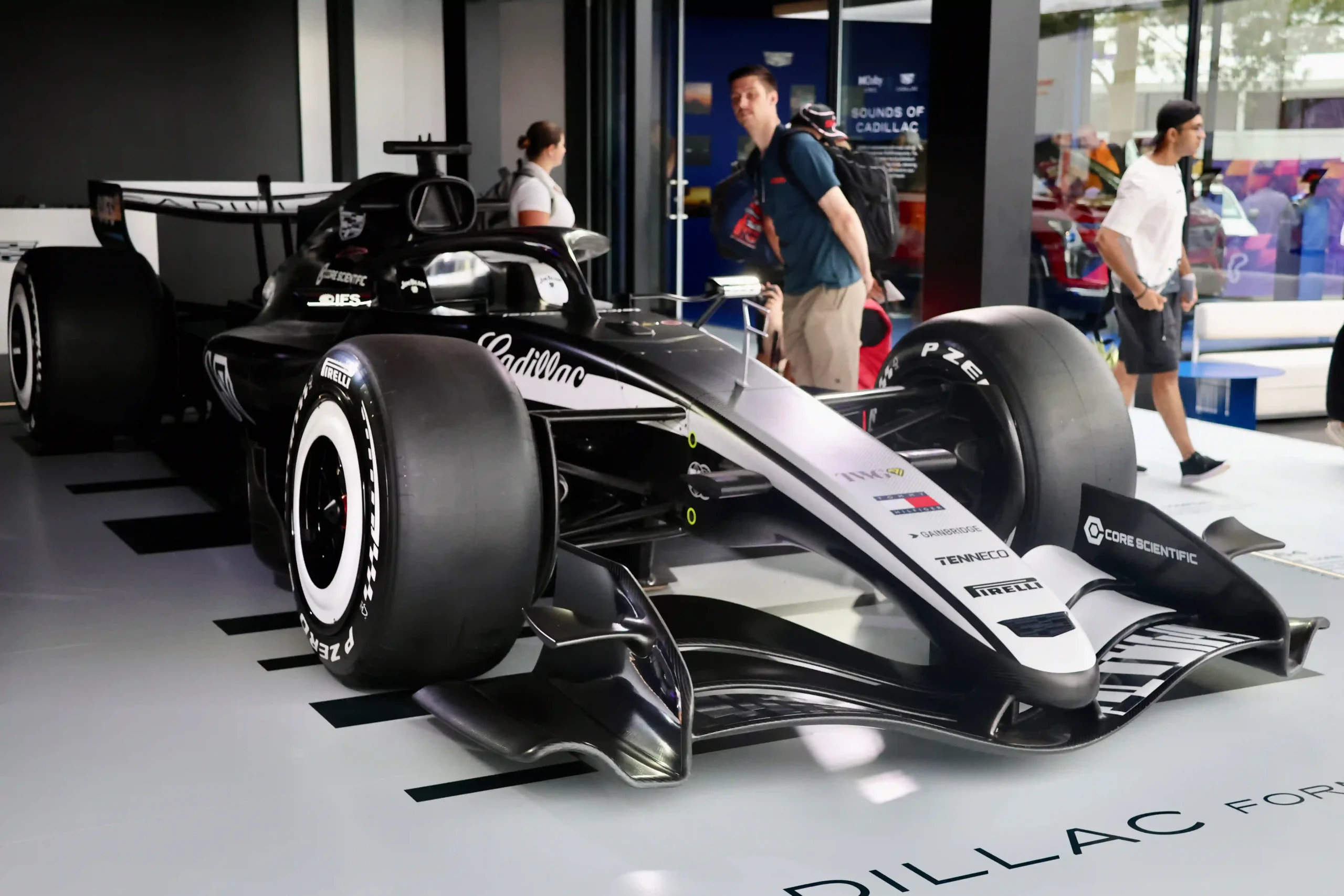
Cadillac Is Now Part of the Framework
Cadillac joined as the 11th team for 2026. Its participation changed the commercial structure from 10 teams to 11.
Consequently, the ninth agreement covers every current constructor. See the 2026 F1 teams list.
2. The 2026 Concorde Agreement Is Actually Two Documents
The current framework consists of a Commercial Agreement between Formula 1 and each team, plus a Governance Agreement involving Formula 1, the FIA and every team.
The phrase “Concorde Agreement” sounds like one contract. Public filings show that the modern structure contains two connected documents.
This separation helps distinguish money from regulation. However, both documents form one overall settlement.
Commercial Agreement
- Formula 1 and each team
- Prize-fund principles
- Participation and commercial terms
- Selected media and intellectual-property rights
- Runs through December 31, 2030
Governance Agreement
- Formula 1, FIA and all teams
- Regulatory framework
- Decision-making procedures
- Stakeholder alignment
- Supports championship governance through 2030
Why the Split Matters
Formula 1 controls the commercial rights. The FIA controls sporting regulation.
Therefore, one document cannot cleanly describe every relationship. The two-part structure reflects the real division of authority.
Teams Sign Commercial Deals Individually
Liberty Media describes the commercial agreement as being between Formula 1 and each team. This permits team-specific contractual relationships.
Nevertheless, the common framework keeps the grid aligned. No team races under a completely separate championship model.
The Governance Deal Is Collective
The FIA, Formula 1 and all 11 teams signed the governance agreement. That collective signature gives the structure institutional weight.
As a result, the agreement supports regulatory stability. It also creates predictable procedures for future changes.
3. Why Is It Called the Concorde Agreement?
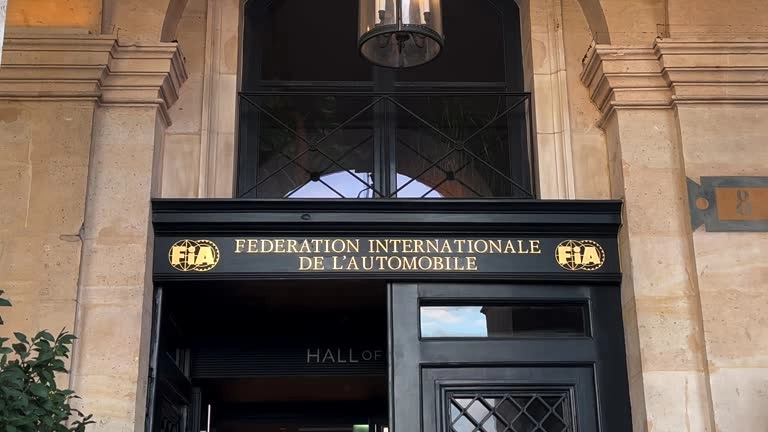
The first agreement was discussed at FIA offices on Place de la Concorde in Paris. The location gave the settlement its name.
The title does not refer to the supersonic aircraft. It comes from a Paris address.
In 1981, the FIA operated from Place de la Concorde. Negotiations there produced the first lasting agreement.
The Name Also Fits the Purpose
“Concorde” suggests agreement and harmony. That meaning suits a settlement created after bitter political conflict.
However, Formula 1 harmony is rarely complete. Every renewal still involves hard bargaining.
The Location Became Part of F1 Language
Many sports contracts use technical names. Formula 1 retained a historic place name instead.
Consequently, the agreement carries political history in its title. It reminds the paddock why cooperation became necessary.
4. The FISA–FOCA War Created the Need for a Settlement
It ended a damaging conflict over control, rules and commercial power between the sporting authority and the constructors’ organization.
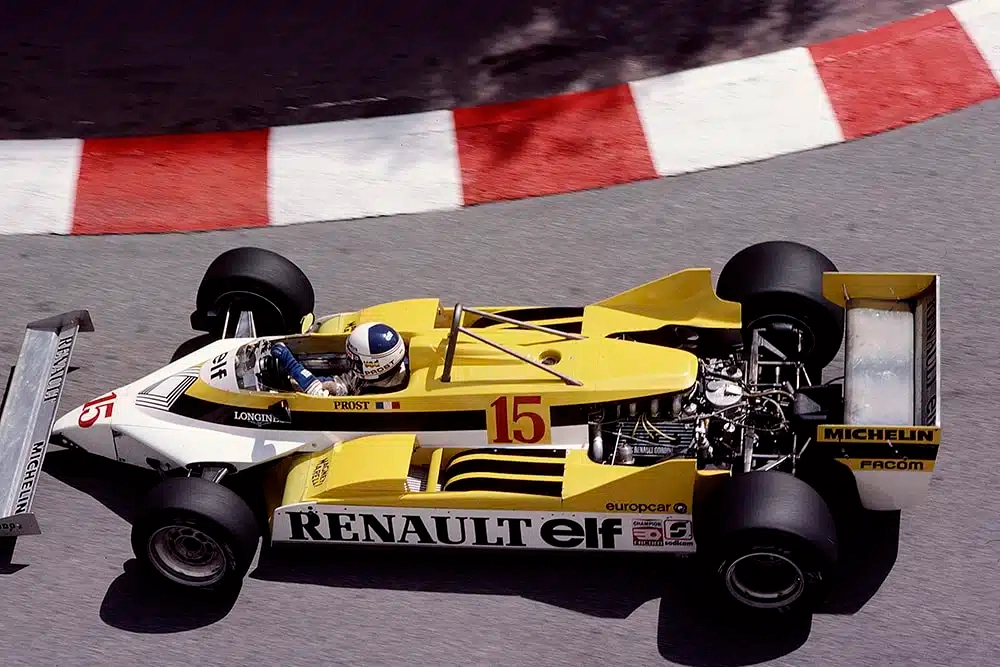
Formula 1 politics became highly unstable during the late 1970s and early 1980s. The conflict became known as the FISA–FOCA war.
FISA represented the sporting authority. FOCA represented many constructors and was led commercially by Bernie Ecclestone.
The Dispute Covered Power and Money
The sides fought over regulations, entries and commercial control. Television rights were becoming increasingly valuable.
Meanwhile, teams wanted a stronger financial position. The governing authority wanted to preserve regulatory control.
Boycotts and Breakaway Threats Became Real
Disputes disrupted events and threatened the championship. Teams considered alternative competition structures.
Therefore, a durable settlement became necessary. Formula 1 could not grow while its main parties fought publicly.
The 1981 Agreement Divided Responsibilities
The settlement recognized the FIA’s sporting authority. It also created a stronger commercial structure around the teams and television.
As a result, Formula 1 became more stable and marketable. The modern championship grew from that political compromise.
5. Concorde Agreement Timeline: 1981 to 2030
Formula 1 and the FIA describe the 2026 framework as the ninth Concorde Agreement. Successive deals have evolved with the sport’s commercial structure.
The exact private text changed repeatedly. Nevertheless, each agreement addressed the same broad problem.
Formula 1 needs teams, commercial rights and regulation to operate together. The timeline below shows the main public milestones.
| Period | Publicly Confirmed Structure | Why It Mattered |
|---|---|---|
| 1981 | First Concorde Agreement | Helped settle the FISA–FOCA conflict and stabilized the championship |
| 1981–2012 | Successive Concorde Agreements | Governed team, FIA and Formula 1 relationships across several commercial eras |
| 2013–2020 | Bilateral team agreements plus the Concorde Implementation Agreement with the FIA | Replaced one single traditional structure with linked contracts |
| 2021–2025 | Commercial and governance documents | Committed all 10 teams and supported a fairer cost-cap era |
| 2026–2030 | Ninth Concorde Agreement, again split into commercial and governance documents | Includes all 11 teams and provides stability through the end of 2030 |
The 2013 Period Was Structurally Different
After the 2012 agreement expired, Formula 1 signed separate binding deals with each team. Those agreements ran through 2020.
In addition, Formula 1 signed a Concorde Implementation Agreement with the FIA. Together, those contracts formed the championship framework.
The Traditional Name Survived
Fans and media still used “Concorde Agreement” as shorthand. The commercial structure had become more complex.
Consequently, the name now describes a system rather than one physical document. The 2026 arrangement confirms that pattern.
6. What Changed With the 2021 Concorde Agreement?
It committed all 10 teams through 2025 and supported Formula 1’s move toward fairer finances, a revised cost cap and reduced performance gaps.
Formula 1 announced the 2021 agreement in August 2020. The pandemic had created severe financial uncertainty.
Nevertheless, every team signed. The agreement gave the championship a stable five-year foundation.
Fairer Distribution Was a Core Goal
Formula 1 said the deal would reduce financial disparities. Smaller teams had long criticized unequal commercial arrangements.
Moreover, the new cost cap limited technical spending. Revenue reform and spending control were designed to work together.
The Grid Became More Financially Secure
Before the cost cap, top teams could outspend rivals dramatically. Smaller teams often relied on owner rescues.
After 2021, predictable payments and controlled costs improved business planning. Team values then rose sharply.
The 2021 Deal Included a $200 Million Anti-Dilution Payment
FIA press-conference records confirm the widely discussed figure. A new entrant would compensate the existing teams for revenue dilution.
However, that payment was not the full cost of entering Formula 1. A new constructor still needed factories, staff and cars.
The Agreement Did Not Eliminate Inequality
Teams still earned different amounts based on performance and other principles. Historical recognition also remained part of the system.
Therefore, the reform improved balance without creating equal payments. Formula 1 still rewards competitive success.
7. What Is New About the 2026 Concorde Agreement?
It is the ninth Concorde framework, covering 2026–2030. It includes a Commercial Agreement and a Governance Agreement signed by Formula 1, the FIA and all 11 teams.
Formula 1 announced in March 2025 that every existing team had signed the commercial deal. The governance portion followed in December.
By then, Cadillac had received final approval for 2026. The governance agreement therefore included 11 constructors.
It Runs Through December 31, 2030
The five-season term gives teams long-range certainty. Broadcasters and promoters also gain confidence in a stable grid.
Meanwhile, Formula 1 can plan commercial growth around known participants. That supports multi-year contracts.
Formula 1 Paid a Signing Incentive
Liberty Media disclosed a total $50 million payment to the 10 teams competing in March 2025. The payment encouraged completion of the commercial agreement.
That figure was a one-time cost. It was separate from normal annual team payments.
The Governance Deal Includes All 11 Teams
Cadillac joined the final governance framework. This confirmed its full place inside the championship structure.
Consequently, the current agreement reflects an expanded grid. It is not simply an extension of the 10-team era.
The Public Text Still Reveals Only Part of the Deal
Official announcements emphasize stability, professionalization and growth. They do not publish every payment formula.
However, Liberty Media’s public filing provides meaningful detail. Those disclosures make the 2026 agreement less mysterious than earlier deals.
8. How Formula 1 Revenue Sharing Works
It creates a prize fund calculated by reference to Formula 1’s adjusted operating performance. Teams then receive shares based mainly on recent Constructors’ Championship results and selected heritage principles.
Fans often call all central payments “prize money.” The formal structure is more complex.
Liberty Media describes a Formula 1 Prize Fund. Its size references a fixed percentage of Prize Fund Adjusted EBIT.
Formula 1 Revenue Does Not Flow Directly Into One Simple Pool
Formula 1 earns money from media rights, race promotion, sponsorship and other activities. The Concorde formula then uses defined financial measures.
Therefore, team payments can rise when the business grows. They can also change with costs and accounting adjustments.
Performance Drives Most Distribution
A significant majority of the non-Ferrari fund depends on prior Constructors’ Championship positions. The previous season carries major weight.
Consequently, finishing fourth instead of fifth has commercial value. Constructors race for income as well as trophies.
Longer-Term Success and Heritage Also Matter
The filing says payments consider other principles. These include longer-term success and Formula 1 heritage.
However, exact percentages remain private. Public prize-money tables are estimates unless Formula 1 confirms them.
Team Payments Rise With Commercial Growth
Formula 1 paid $1.4 billion to teams in 2025, excluding the $50 million signing incentive. That was up from $1.266 billion in 2024.
Liberty attributed the increase to higher F1 revenue and variable prize-fund calculations. This shows the direct link between business growth and team income.
9. How Do F1 Teams Get Paid?
No. Payments depend mainly on Constructors’ Championship performance, while heritage and longer-term success also influence the distribution.
Every team contributes to the championship product. Therefore, the framework supports all eligible constructors.
Yet Formula 1 does not divide the money equally. Sporting merit remains central.
Previous Results Matter Most
The prior year’s Constructors’ Championship provides a significant majority of the performance calculation. Recent success therefore produces immediate commercial benefit.
This can create a reinforcing cycle. Better results bring more income for future operations.
The Winner Receives More Than the Last-Place Team
The precise gap is confidential. Nevertheless, the filing confirms a performance-based structure.
Therefore, online payout tables should be treated cautiously. They often rely on estimates and older contracts.
Central Payments Are Only One Revenue Source
Teams also earn sponsorship, licensing and merchandise income. Owners or manufacturers may provide additional funding.
Read how much an F1 car costs and how F1 driver pay works.
Drivers Do Not Receive Concorde Payments Directly
Formula 1 pays the teams. Each constructor then pays its own drivers and staff.
Consequently, driver salary does not come from a separate championship prize. It sits within the team’s wider finances.
10. Ferrari’s Heritage Payment
Yes. Liberty Media’s 2025 filing confirms that Ferrari receives a share of the prize fund in recognition of its Formula 1 heritage.
Ferrari has competed in every Formula 1 World Championship season. Its commercial importance is therefore unique.
The team brings history, fans and global brand value. The agreement recognizes that contribution financially.
The Current Amount Is Not Public
Liberty confirms the heritage share but not the percentage. Therefore, exact current bonus figures remain estimates.
Older reports may describe previous contracts. They should not automatically be applied to the 2026 deal.
The Remaining Fund Rewards Other Teams
After Ferrari’s heritage share, the remainder goes to teams under performance and other principles. Recent Constructors’ results dominate.
Consequently, Ferrari still needs sporting success to maximize its central income. Heritage does not replace performance.
Why Other Teams Accept the Arrangement
Ferrari’s presence increases the championship’s value. Broadcasters, promoters and sponsors benefit from its global audience.
However, smaller teams have criticized special treatment historically. The debate reflects the tension between equality and commercial value.
Explore Ferrari through the decades, the World of Speed Ferrari collection and the most successful F1 team.
11. How the Agreement Shapes Formula 1 Governance
Yes. It creates governance procedures and consent thresholds. However, the FIA still approves and publishes the championship regulations.
Formula 1 decisions involve several institutions. The Formula 1 Commission is one major discussion forum.
It brings together the FIA, Formula 1 and team representatives. Proposed rule changes may then move to the World Motor Sport Council.
The Agreement Defines the Political Process
Teams need to understand how proposals become policy. Formula 1 also needs protection from sudden commercial disruption.
Therefore, the Concorde framework establishes procedures. These procedures reduce uncertainty during negotiations.
Not Every Change Uses the Same Threshold
Some changes require broad support. Others can follow regulatory powers or emergency processes.
The complete voting matrix remains confidential. However, public FIA statements show regular stakeholder consultation.
The FIA Retains Regulatory Authority
The FIA writes and enforces the published rules. Those rules cover sporting, technical, financial and operational matters.
Learn how FIFA and the FIA differ and how racing championships are scored.
Formula 1 Protects Commercial Stability
The rights holder manages media, promoters and sponsors. Sudden regulatory change can affect those contracts.
Consequently, governance must balance sporting improvement with commercial planning. The Concorde Agreement provides that bridge.
12. A Confirmed 70% Team Consent Rule for Calendar Extremes
Under the 2026 agreement, Formula 1 needs consent from 70% of teams to run more than 24 events in a season.
Liberty Media’s filing reveals one unusually specific governance threshold. Calendar size cannot grow without limits.
More than 24 events requires approval from 70% of teams. This protects constructors from excessive operational demands.
Regional Balance Also Has Protection
The same threshold applies if the calendar contains fewer than eight events across Europe and North America combined. That provision protects major traditional and commercial regions.
Therefore, calendar expansion involves more than finding promoters. Teams hold contractual influence over extreme changes.
Why Teams Care About Calendar Length
Every race adds freight, travel and employee workload. It also increases wear on equipment and staff.
Meanwhile, more events can create more revenue. The consent rule forces a commercial compromise.
The Calendar Is Still Set Through Broader Procedures
The agreement confirms procedures for setting the championship schedule. The FIA ultimately publishes the official calendar.
See the 2026 Formula 1 schedule and the next F1 race.
13. What Rights and Obligations Do Teams Accept?
Teams commit to championship participation, valid annual entries and contractual standards. Serious non-participation or insolvency can trigger termination.
Signing creates valuable rights. It also creates enforceable responsibilities.
Teams cannot simply collect central payments without racing. The championship depends on reliable participation.
Missing Races Can Trigger Termination
Formula 1 may terminate the agreement for a team that misses more than three events in one season. This protects the grid and commercial product.
Broadcasters and promoters expect a full field. Therefore, repeated absence becomes a contractual issue.
A Valid Championship Entry Is Essential
A team must submit a valid entry. Failure can end its Concorde rights.
In addition, insolvency creates termination risk. Financial stability is therefore part of sporting participation.
Teams Can Leave With Notice
Liberty’s filing says teams may terminate by giving one full season’s written notice. Other defined circumstances also permit termination.
However, leaving Formula 1 would sacrifice valuable rights and income. Modern team valuations make withdrawal less attractive.
Formula 1 Also Has Obligations
Teams may terminate under specified financial or compliance events. One example involves Formula 1 failing to pay more than $10 million for three months.
Consequently, the contract is not one-sided. Both the rights holder and teams accept enforceable commitments.
14. Team Images, Footage and Formula 1 Commercial Rights
Yes. Formula 1 receives broad rights, subject to limited exceptions, to use team intellectual property when portraying the championship or its events.
Formula 1 marketing depends on cars, team colors and driver images. Those assets belong to separate organizations.
The agreement gives the championship a practical right to present the whole grid. Without that permission, global promotion would become difficult.
Formula 1 Owns Extensive Race Footage
Liberty Media says Formula 1 owns event footage from 1981 onward. It also controls much pre-1981 archive material.
This ownership supports broadcast licensing and digital products. Historic footage therefore remains a valuable business asset.
Teams Retain Their Own Brands
The agreement does not transfer team ownership to Formula 1. Each constructor still controls its trademarks and sponsorship portfolio.
However, Formula 1 can use those identities to portray the championship. The relationship is a license, not a takeover.
Commercial Rights Support Sponsors and Games
Consistent rights allow Formula 1 to create advertising, games and official media. Teams benefit from that global promotion.
Read the Red Bull Racing guide and the 2026 driver lineup.
15. New Teams, Dilution and Entry Barriers
It is a payment designed to compensate existing teams when a new entrant divides the prize fund among more constructors.
A new team can improve the championship. However, it can also reduce each existing team’s share of central payments.
The anti-dilution concept addresses that conflict. It creates an immediate payment before future revenue is divided.
The 2021 Figure Was $200 Million
FIA press-conference records publicly discussed the amount. Divided among 10 teams, it provided temporary compensation.
However, team bosses argued that one payment might not cover permanent annual dilution. That debate intensified as team values rose.
The 2026 Terms Are Not Fully Public
Do not assume the old $200 million figure still applies unchanged. The current agreement’s exact new-entry provisions remain confidential.
Therefore, claims about a larger 2026 fee should be labeled as reports unless officially confirmed. The public filing does not state a current number.
Sporting Approval and Commercial Approval Are Different
The FIA assesses sporting and technical capability. Formula 1 evaluates commercial impact.
A prospective team needs both sides aligned. Cadillac completed those assessments before receiving final approval.
The Grid Resembles a Franchise System
Entries are scarce and valuable. Existing teams also receive central revenue and protected participation rights.
Nevertheless, Formula 1 teams remain constructors rather than traditional U.S. franchises. They must design and race cars under FIA rules.
16. How Cadillac Changed the 2026 Agreement
Yes. The FIA and Formula 1 confirmed that the governance agreement includes all 11 teams, including the incoming Cadillac team.
Cadillac received final approval in March 2025. It entered Formula 1 for the 2026 season.
The project is backed by General Motors and TWG Motorsports. Therefore, it brought major industrial and commercial credibility.
The Approval Followed Separate Assessments
The FIA examined sporting and technical readiness. Formula 1 completed a commercial assessment.
Consequently, entry was not guaranteed by one application. Both institutional sides had to approve the project.
Cadillac Joined the Governance Framework
The December 2025 announcement named all 11 teams. That placed Cadillac inside the same long-term structure as established constructors.
As a result, the ninth Concorde Agreement reflects a larger grid. Its commercial assumptions account for 11 teams.
The Entry Shows Expansion Is Possible
Formula 1 is not permanently closed at 10 teams. However, a new entrant must bring substantial value and capability.
Cadillac demonstrates the standard. A global manufacturer and serious motorsport organization created a stronger case.
Expansion Still Creates Financial Questions
An extra team divides some shared income. Meanwhile, it can attract fans, sponsors and media value.
The commercial challenge is balancing those effects. That is exactly the type of issue the Concorde framework manages.
17. Why the Concorde Agreement Increased F1 Team Values
It creates predictable participation, revenue and governance through a fixed term. Scarce grid positions and the cost cap then make future cash flow more attractive to investors.
A racing team once looked like a costly passion project. Modern Formula 1 teams increasingly resemble valuable sports assets.
The Concorde Agreement contributed to that change. It creates contractual certainty around central payments.
Predictable Revenue Supports Investment
Investors can model several seasons of participation. They also understand the broad payment principles.
Consequently, team stakes become easier to value. Long-term sponsors gain confidence too.
The Cost Cap Controls Technical Spending
Revenue can grow while defined performance spending remains limited. This creates a clearer route to profitability.
Before the cap, additional income often triggered additional spending. Now, commercial success can strengthen earnings.
Grid Scarcity Protects Existing Assets
Only 11 teams currently compete. A prospective entrant faces major sporting and commercial hurdles.
Therefore, buying an existing team can be more practical than building a new one. Scarcity supports valuation.
Participation Rights Carry Strategic Value
A team gains access to Formula 1’s global media platform. It also receives central payments and governance influence.
Those rights are worth more than factory equipment alone. The Concorde relationship is part of the asset.
18. Is the Cost Cap Part of the Concorde Agreement?
The cost cap is enforced through FIA Financial Regulations. The Concorde Agreement works alongside it by providing revenue, participation and governance stability.
Fans often combine the two systems. They are connected but legally distinct.
The FIA publishes the financial rules. Those rules define relevant costs, exclusions and penalties.
The Concorde Agreement Controls Income Principles
It establishes the prize fund and team participation terms. Teams can also earn unlimited sponsorship revenue.
However, revenue does not raise the permitted cost-cap spending automatically. The financial rules still limit relevant expenditure.
The Cost Cap Makes Prize Money More Valuable
Under unlimited spending, extra income could vanish into development. Under a cap, strong income can create profit.
Consequently, stable Concorde payments improve team economics. This helped raise investor interest.
Rule Changes Still Need Governance
Financial regulations evolve through FIA processes and stakeholder consultation. The governance agreement supports those discussions.
Therefore, the Concorde framework influences how financial policy develops. It does not replace the regulations.
Learn the Sporting Context
Financial stability affects the competition fans watch. Teams can retain staff and plan upgrades more confidently.
For the sporting basics, read what Formula 1 is and how the standings look.
19. Why Is the Concorde Agreement Confidential?
No. The complete commercial and governance documents are private, although official statements and public filings disclose important terms.
Formula 1 teams negotiate sensitive financial arrangements. Public disclosure could weaken their bargaining positions.
Moreover, the contracts contain legal remedies and commercial formulas. Those details are normally confidential in major sports businesses.
Confidentiality Protects Negotiations
Teams can discuss payments and rights privately. Formula 1 can also tailor selected terms without public pressure.
However, secrecy creates suspicion. Fans and smaller teams may question whether the system is fair.
Public Company Filings Reveal Key Facts
Liberty Media must disclose material information to investors. Its 2025 filing explains the two-document structure and prize-fund principles.
It also confirms Ferrari’s heritage share, calendar consent thresholds and termination rights. These are stronger sources than anonymous estimates.
Exact Team Payouts Remain Private
Formula 1 publishes total team payments but not each constructor’s amount. Therefore, annual prize-money rankings remain unofficial.
Media outlets may produce informed estimates. Readers should not treat those tables as audited facts.
Special Governance Claims Need Caution
Ferrari has historically held distinctive rights. Yet current details should not be asserted without public confirmation.
The 2025 filing confirms a heritage payment. It does not publicly describe every rumored veto or concession.
20. Is the Concorde Agreement Fair?
It rewards performance and recognizes heritage, so payments are not equal. However, modern revenue reform and the cost cap have improved stability for smaller teams.
Fairness depends on the goal. Equal payments would support weaker teams but reduce sporting reward.
Performance-based payments encourage competition. Heritage payments recognize commercial contribution.
The Case for Merit Payments
Teams invest to win the Constructors’ Championship. Greater reward gives championship position financial meaning.
Moreover, successful teams often generate more media value. Formula 1 can argue that payments should reflect contribution.
The Case Against Large Gaps
A wealthy winner can use extra income to remain strong. A struggling team receives less when it needs investment most.
Consequently, large payment gaps can reinforce the sporting order. Smaller teams historically opposed that cycle.
The Cost Cap Changes the Debate
Technical spending is now controlled. Therefore, central-payment inequality has less direct effect on car development than before.
However, excluded costs and infrastructure still matter. Commercial strength remains important.
New-Team Barriers Create Another Fairness Question
Existing teams want protection from dilution. Prospective entrants view high fees as a closed-door barrier.
Cadillac proved entry remains possible. Nevertheless, the process favors projects with enormous resources.
21. What Happens When a Concorde Agreement Expires?
Formula 1 could create temporary or bilateral contracts, as it did after 2012. However, a new collective settlement provides greater stability.
An expiry does not automatically stop racing. Teams still hold FIA entries and can negotiate replacement arrangements.
Yet uncertainty would affect commercial planning. Broadcasters and sponsors prefer a committed grid.
Negotiations Begin Well Before Expiry
The 2026 commercial deal was signed during 2025. The previous agreement still had months remaining.
This early completion reduced risk. Teams could plan the new technical era with known commercial terms.
Teams Gain Leverage Near the Deadline
A famous constructor can threaten not to sign. Smaller teams can coordinate demands for fairer distribution.
Therefore, renewals become political. Formula 1 must create enough value for every team to stay.
Bilateral Agreements Are a Possible Backup
The 2013–2020 framework used separate team contracts plus an FIA implementation agreement. That history shows flexibility.
However, Formula 1 now prefers one aligned structure. The ninth agreement emphasizes collective stability.
The Current Deadline Is December 31, 2030
Negotiations for the next framework will likely begin years earlier. Team values and expansion may shape those talks.
In addition, future media and technical changes will affect bargaining. Concorde negotiations always reflect the sport’s economic moment.
22. Why the Concorde Agreement Matters to Fans
It affects grid stability, team survival, calendar size, competitive balance and the commercial health of the championship.
The agreement operates behind closed doors. Its effects appear every race weekend.
Stable teams produce a reliable grid. Predictable revenue supports staff and long-term car development.
It Helps Keep Teams Alive
Central payments reduce dependence on owners. Smaller teams can plan with more confidence.
Consequently, fans are less likely to lose a constructor suddenly. Grid continuity strengthens rivalries.
It Influences Competitive Balance
Revenue distribution works beside the cost cap. Together, those systems can reduce extreme financial gaps.
Closer finances do not guarantee close racing. However, they create better conditions for competition.
It Limits Calendar Expansion
The 70% consent threshold gives teams protection beyond 24 races. This can prevent unchecked growth.
Fans may want more events. Drivers and staff also need a sustainable workload.
It Determines Whether New Teams Can Join
Cadillac’s arrival added cars, drivers and an American manufacturer. Future expansion will use similar commercial debates.
Therefore, the Concorde framework shapes the size of the grid. That directly affects racing opportunities.
Common Myths About the F1 Concorde Agreement
“It Is the Formula 1 Rulebook”
False. The FIA publishes separate sporting, technical, financial and operational regulations.
The Concorde Agreement provides commercial and governance structure.
“Every Team Receives Equal Prize Money”
False. Previous Constructors’ Championship results drive most payments.
Heritage and longer-term success also influence the system.
“The Agreement Is One Public PDF”
False. The current framework contains commercial and governance documents.
The complete text remains confidential.
“The 2026 Anti-Dilution Fee Is Definitely $200 Million”
False. The $200 million figure belonged to the 2021 framework.
The current amount has not been publicly confirmed in Formula 1’s filing.
“Ferrari Receives Money Only for Results”
False. Liberty Media confirms a heritage share.
However, the exact current amount remains private.
“Cadillac Joined Outside the Concorde System”
False. Cadillac is one of the 11 teams covered by the ninth agreement.
Its entry followed sporting, technical and commercial assessments.
Formula 1 Concorde Agreement FAQs
What is the Concorde Agreement in F1?
It is the contractual framework between Formula 1, the FIA and the teams. It sets commercial participation, prize-fund and governance terms.
How does the Concorde Agreement divide Formula 1 money?
The prize fund depends on Formula 1 financial performance. Most team payments reflect recent Constructors’ Championship results, while Ferrari receives a heritage share.
Is the Formula 1 Concorde Agreement public?
No. The complete documents are confidential. Official announcements and Liberty Media filings reveal selected provisions.
How long does the 2026 Concorde Agreement last?
It covers the 2026 through 2030 seasons and expires on December 31, 2030.
Conclusion: The Deal That Holds Modern Formula 1 Together
So, what is the Concorde Agreement in F1?
It is the private contractual framework behind the public championship. Formula 1, the FIA and every team operate inside it.
The agreement secures participation for a fixed term. It also establishes the principles behind central team payments.
Moreover, it creates governance procedures. Those procedures help the stakeholders manage commercial and regulatory change.
The name comes from Place de la Concorde in Paris. The first settlement emerged there in 1981.
That agreement ended a dangerous period of political conflict. Formula 1 then gained the stability needed for global growth.
Successive deals adapted to television, sponsorship and changing ownership. The 2013–2020 period even used separate team contracts.
The 2021 agreement returned the grid to a clear five-year structure. It worked beside a revised cost cap.
Formula 1 said the reforms would reduce financial disparities. Team stability and valuations improved during that era.
The current framework is the ninth Concorde Agreement. It covers the 2026 through 2030 seasons.
Its commercial portion was signed in March 2025. Formula 1 paid the 10 existing teams a total $50 million incentive.
The governance portion followed in December. By then, Cadillac had joined the 11-team structure.
Public filings explain how the deal works. Team payments come from a defined prize fund.
A significant majority of payments depend on prior Constructors’ Championship results. Ferrari also receives a heritage share.
Formula 1 paid teams $1.4 billion in 2025, excluding the signing incentive. That total rose with championship revenue.
The agreement also protects teams from extreme calendar growth. More than 24 races requires 70% team consent.
The same threshold applies if Europe and North America fall below eight combined events. This creates regional and workload protection.
Teams accept serious obligations too. Missing more than three events can trigger termination.
Insolvency or failure to submit a valid entry can also end rights. Formula 1 therefore demands reliable participation.
Commercial rights are another major element. Formula 1 can use team identities to portray the championship.
That permission supports broadcasts, games and global marketing. Teams retain their separate ownership and sponsorship businesses.
New-team entry remains controversial. The 2021 agreement used a $200 million anti-dilution payment.
However, the current figure is not publicly confirmed. Cadillac’s approval shows that expansion remains possible.
The full contract is confidential. Therefore, exact team payouts and every governance right remain private.
Nevertheless, Liberty Media’s filing reveals enough to understand the system. The agreement is not simply secret prize money.
It protects revenue, participation, commercial rights and political stability. Those functions affect every race on the calendar.
That is why the answer to what is the Concorde Agreement in F1 matters. It is the deal that keeps Formula 1’s separate powers inside one championship.
Sources and Fact-Checking
This article was checked against Formula 1, FIA and Liberty Media material available on July 27, 2026. The full Concorde Agreement remains confidential, so exact undisclosed payment figures are not presented as confirmed facts.
- Formula 1: all 11 teams, the FIA and F1 sign the 2026 Concorde Governance Agreement
- Liberty Media 2025 Form 10-K: prize-fund rules, Ferrari heritage share, calendar consent, team payments and signing incentive
- Formula 1 analysis: definition, Place de la Concorde origin and the 2021 agreement
- FIA: ninth Concorde Agreement and commitment of all 11 teams through 2030