Why Did F1 Change Its Points System?
Formula 1 has repeatedly rewritten its scoring rules to reflect larger grids, stronger reliability, new race formats and changing ideas about what a championship should reward.
Formula 1 changed its points system because the championship itself changed. Grids grew, cars became more reliable, more teams fought for midfield places, and new formats such as Sprints required their own scoring rules.
The points table is Formula 1’s quietest rule and one of its most powerful.
A car can dominate one Sunday and fail the next. The championship must decide how much each result matters across an entire season.
That decision is not permanent. Formula 1 has changed the balance between winning, finishing consistently and simply reaching the checkered flag many times.
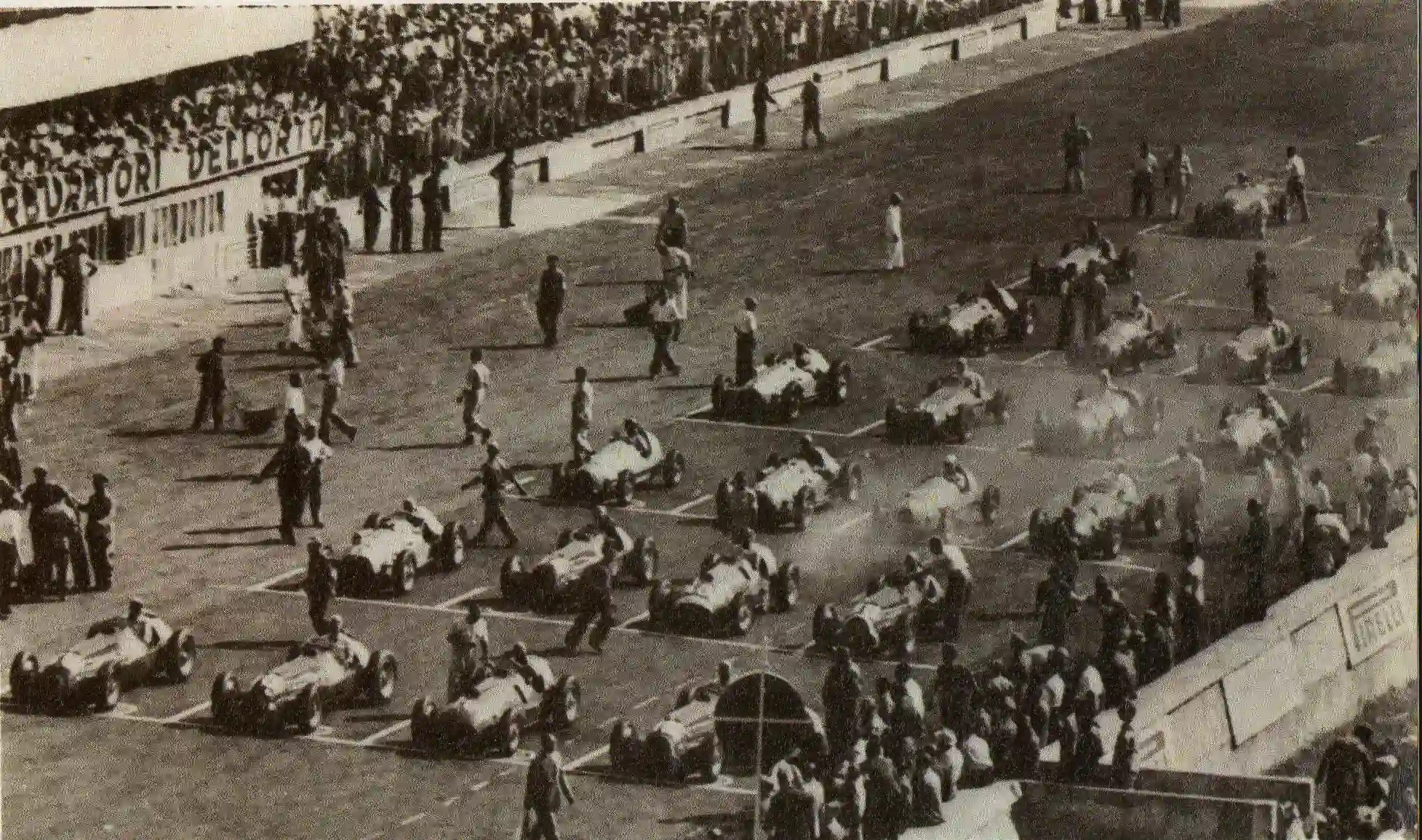
In 1950, a victory paid eight points. Only the top five scored, while the fastest lap earned another point.
Moreover, only a driver’s best four results counted. A season was partly a contest of speed and partly a test of which scores survived the discard rule.
The modern championship looks very different. A Grand Prix win pays 25 points, and the first 10 classified finishers can score.
Sprints add another eight points for victory. Meanwhile, the fastest-lap bonus that returned in 2019 disappeared again for 2025.
Shortened races now use several reduced scales. Consequently, a rain-hit event no longer falls into the old all-or-half-points choice.
So, why did F1 change its points system rather than keep one historic formula?
The governing body has always used scoring to solve the problems of its era. Early rules softened the effect of poor reliability.
Later changes rewarded more finishers and compressed title fights. The 2010 reform then expanded scoring to the top 10 and increased the winner’s award to 25.
Some experiments lasted. Others, including double points at the 2014 Abu Dhabi finale, disappeared after one season.
This guide traces every major turning point. It also explains the current 2026 rules, Sprint points, countback and cross-era points inflation.
The Direct Answer: F1 Changed Because the Championship Kept Evolving
Each major scoring reform addressed a different sporting need. F1 expanded points-paying places, adjusted the value of victory, ended discarded scores, added Sprint points and created fairer scales for shortened races.
There is no single points-system change. Instead, Formula 1 has made a series of reforms since 1950.
Early scoring recognized that mechanical failures were common. Therefore, only selected results counted toward the Drivers’ Championship.
As reliability improved, the championship could reward full-season consistency. Every result has counted since the 1991 reform.
The 2003 change expanded scoring from six to eight places. It also reduced the gap between first and second from four points to two.
That structure rewarded regular podium finishes more strongly. Consequently, a driver could remain close through consistency even with fewer victories.
The 2010 reform widened scoring again. Ten positions now paid points, while a win rose from 10 points to 25.
The larger numbers did not make one race two and a half times more important. They created enough room for a more detailed top-10 scale.
Later changes responded to new problems. Sprint races required extra points, while Spa 2021 exposed the weakness of the old reduced-race rule.
Meanwhile, double points and the fastest-lap bonus showed that not every incentive works forever. Both were eventually removed.
A points table is a statement of values. It tells drivers whether F1 prefers outright victories, steady finishing, midfield depth or extra action within a race weekend.
How the Current 2026 F1 Points System Works
The top 10 Grand Prix finishers score 25-18-15-12-10-8-6-4-2-1. The top eight in a completed Sprint score 8-7-6-5-4-3-2-1.
The FIA awards the same finishing-position points to drivers and constructors. However, the two championships collect them differently.
A driver keeps every point earned across the season. A constructor receives the combined points scored by both of its cars.
Grand Prix Points
| Finish | Points | Finish | Points |
|---|---|---|---|
| 1st | 25 | 6th | 8 |
| 2nd | 18 | 7th | 6 |
| 3rd | 15 | 8th | 4 |
| 4th | 12 | 9th | 2 |
| 5th | 10 | 10th | 1 |
Sprint Points
| Finish | Points | Finish | Points |
|---|---|---|---|
| 1st | 8 | 5th | 4 |
| 2nd | 7 | 6th | 3 |
| 3rd | 6 | 7th | 2 |
| 4th | 5 | 8th | 1 |
There is no point for pole position. Moreover, the fastest-lap bonus no longer applies after its removal for 2025.
The winner is simply the driver or constructor with the highest season total. Formula 1 does not use playoffs.
For a broad primer, read how racing championships are scored and the current Formula 1 standings guide.
Why a Racing Series Changes Its Scoring Rules
Scoring looks mathematical, but its effects are deeply sporting. A small change can alter strategy across the grid.
F1 Must Decide How Strongly to Reward Winning
A larger gap between first and second encourages a driver to attack for victory. A smaller gap makes a safe runner-up finish more valuable.
However, the relationship is not simple. Drivers also consider retirement risk, car pace and championship position.
The Number of Scoring Places Matters
When only five or six drivers score, many midfield finishes have no direct championship value. Expanding the points zone gives more teams measurable targets.
Consequently, a fight for ninth can matter even when the winner is far ahead. That helps sustain action throughout the field.
Reliability Changes the Meaning of Consistency
Early cars failed often. A championship based on every race could punish bad luck as much as poor performance.
Modern cars finish far more regularly. Therefore, counting every result now rewards season-long execution.
New Formats Need New Incentives
The Sprint added another competitive session. F1 needed a scale smaller than a Grand Prix but large enough to affect the standings.
Reduced races posed a different question. The FIA needed to match the points award to how much genuine racing occurred.
Scoring Also Shapes the Championship Story
Close title battles attract attention. However, a system cannot manufacture drama without risking sporting credibility.
The failed double-points experiment is the clearest warning. Artificial weighting can make one weekend feel unfairly important.
Formula 1 Points-System Timeline
| Period | Main Grand Prix Scale | Important Feature |
|---|---|---|
| 1950 | 8-6-4-3-2 | One fastest-lap point; only four best results counted. |
| 1960 | 8-6-4-3-2-1 | The points zone expanded to sixth place. |
| 1961–1990 | Generally 9-6-4-3-2-1 | Rules for counted results changed several times. |
| 1991–2002 | 10-6-4-3-2-1 | Every result counted toward the championship. |
| 2003–2009 | 10-8-6-5-4-3-2-1 | The top eight scored; second place became more valuable. |
| 2010–present | 25-18-15-12-10-8-6-4-2-1 | The top 10 score in a full-distance Grand Prix. |
| 2014 only | Double at finale | Abu Dhabi paid double points before the rule was dropped. |
| 2019–2024 | One fastest-lap bonus | Available only to a driver finishing inside the top 10. |
| 2021 | 3-2-1 Sprint | The first Sprint format rewarded only the top three. |
| 2022–present | 8-7-6-5-4-3-2-1 Sprint | Sprint scoring expanded to the top eight. |
This overview simplifies several older discard formulas. Nevertheless, it captures the main answer to why did F1 change its points system across eras.
The 1950 System: Eight Points for a Win and One for Fastest Lap
In 1950, the first five finishers scored 8-6-4-3-2, while the fastest lap earned one extra point. Only a driver’s best four race scores counted.
The first World Championship linked established Grands Prix into one season-long contest. Before that, each major race largely stood alone.
A points system created a common measure. However, the designers had to account for fragile machinery and uneven participation.
Eight Points Made a Win Valuable
The difference between first and second was two points. That gap represented 25% of the winner’s base award.
Moreover, fastest lap could raise a perfect race to nine points. The bonus encouraged speed even when the finishing order appeared settled.
Only the Top Five Scored
A sixth-place finish earned nothing. The narrow zone reflected smaller fields and a championship centered on leading drivers.
Today, P6 is worth eight points. That contrast shows how much F1 has expanded recognition deeper into the field.
Shared Drives Could Split Points
Drivers sometimes handed a car to a teammate during a race. When a shared car scored, its points could be divided.
That practice belonged to an era before standardized driver changes disappeared. It makes historical totals harder to compare directly.
The Fastest-Lap Point Could Be Shared
Timing resolution was limited. When several drivers recorded the same fastest lap, the single point could be divided among them.
Therefore, early standings sometimes used fractions. Modern electronic timing removes most ambiguity.
Readers new to the sport can begin with what Formula 1 is and what a Grand Prix means.
Why Early F1 Used Dropped Scores
For decades, only a set number of a driver’s best results counted toward the championship. The exact formula changed, but the principle limited the damage from mechanical failures.
Discard rules can look strange to a modern audience. A driver might score points in a race yet not add them to the final championship total.
However, the system matched the reliability of its period. Engines, gearboxes and suspensions failed far more frequently.
A Championship Needed to Reward Performance, Not Only Survival
If every failure counted fully, the most reliable car could overwhelm the fastest driver. Discards softened that effect.
They also allowed drivers to miss some rounds. Travel, team schedules and overlapping events made complete participation less certain.
The Formula Became Increasingly Complicated
Some seasons counted a fixed number of best results. Others divided the calendar into sections and allowed only selected scores from each half.
Consequently, the displayed points total could differ from the counted total. Fans sometimes needed detailed arithmetic to understand the title fight.
Dropped Scores Could Change the Champion’s Margin
A driver could collect more raw points but lose some through the rule. Another driver with fewer discarded finishes might rank higher.
The system did not randomly remove results. Every competitor knew the same counting formula before the season.
Why F1 Finally Abandoned the Idea
Reliability improved, participation became consistent and the championship wanted a clearer season total. Therefore, all results began counting in 1991.
That reform made the standings easier to follow. It also increased the cost of every retirement.
The Constructors’ Championship Added a Second Points Contest
The Constructors’ Championship began in 1958. It created a separate title for the car constructor alongside the Drivers’ Championship.
Formula 1 originally crowned only a driver. Yet teams designed, built and entered the cars that made those results possible.
The new championship recognized engineering performance across a season. However, its early counting rules were not identical to today’s system.
Modern Teams Count Both Cars
Under the 2026 regulations, both entered cars contribute to the constructor total. A one-two Grand Prix finish is worth 43 points.
Moreover, both cars can add Sprint points. A team that finishes first and second in both sessions can score 58 points during one Sprint weekend.
Driver Points Follow the Driver
If a driver changes teams during a season, previous Drivers’ Championship points remain with that driver. Constructor points stay with the team that earned them.
This separation reflects two different contests. One rewards the person, while the other rewards the organization and car.
The Team Title Has Major Competitive Value
It measures depth across both entries. One superstar can lead a Drivers’ campaign, but the Constructors’ title usually demands two productive cars.
For more context, see the feature on the most successful F1 teams.
The 1960s Expanded the Points Zone and Raised the Value of Victory
Formula 1 began awarding a point for sixth place in 1960. That was the first expansion beyond the original top five.
Then, from 1961, a victory generally paid nine points. The familiar 9-6-4-3-2-1 pattern remained central for three decades.
The Sixth-Place Point Recognized More Finishers
One point could decide positions in both championships. Therefore, reaching P6 gained real importance for smaller teams.
The shift also created a broader record of competitive performance. A driver no longer needed a top-five finish to enter the standings.
Nine Points Increased the Winner’s Advantage
Second place stayed at six. Consequently, the gap from victory became three points instead of two.
That encouraged a stronger distinction between winning and merely finishing on the podium. Yet reliability still shaped the season through discard rules.
The Basic Scale Stayed Stable, but Counting Rules Did Not
Fans often describe 1961 through 1990 as one scoring era. However, the number of counted results changed repeatedly.
Therefore, identical race points did not always create identical championship incentives.
The 1991 Reform: Ten Points for a Win and Every Result Counted
A victory increased from nine to 10 points, while the dropped-score system ended. Every championship result now counted.
The change created the 10-6-4-3-2-1 scale. More importantly, it simplified the title calculation.
A Win Became More Valuable Relative to Second
The first-to-second gap rose from three points to four. Therefore, two wins could create a larger advantage over two runner-up finishes.
The system signaled that victory deserved a clear premium. It also kept the traditional top-six points zone.
Every Retirement Now Stayed in the Season Story
A poor result could no longer disappear as a discarded score. Drivers and teams had to manage the complete calendar.
Consequently, consistency became easier to understand. The published total was the championship total.
The Change Matched a More Professional Championship
Teams contested every round, while global television audiences followed the standings continuously. A transparent total suited that environment.
This was a major answer to why did F1 change its points system. Scoring had to become simpler as the championship became larger and more commercial.
Why F1 Changed the Points System in 2003
The 2003 reform expanded scoring from six to eight positions and compressed the gap between first and second. It rewarded consistency and gave more midfield finishers championship value.
The new scale became 10-8-6-5-4-3-2-1. Previously, the top six earned 10-6-4-3-2-1.
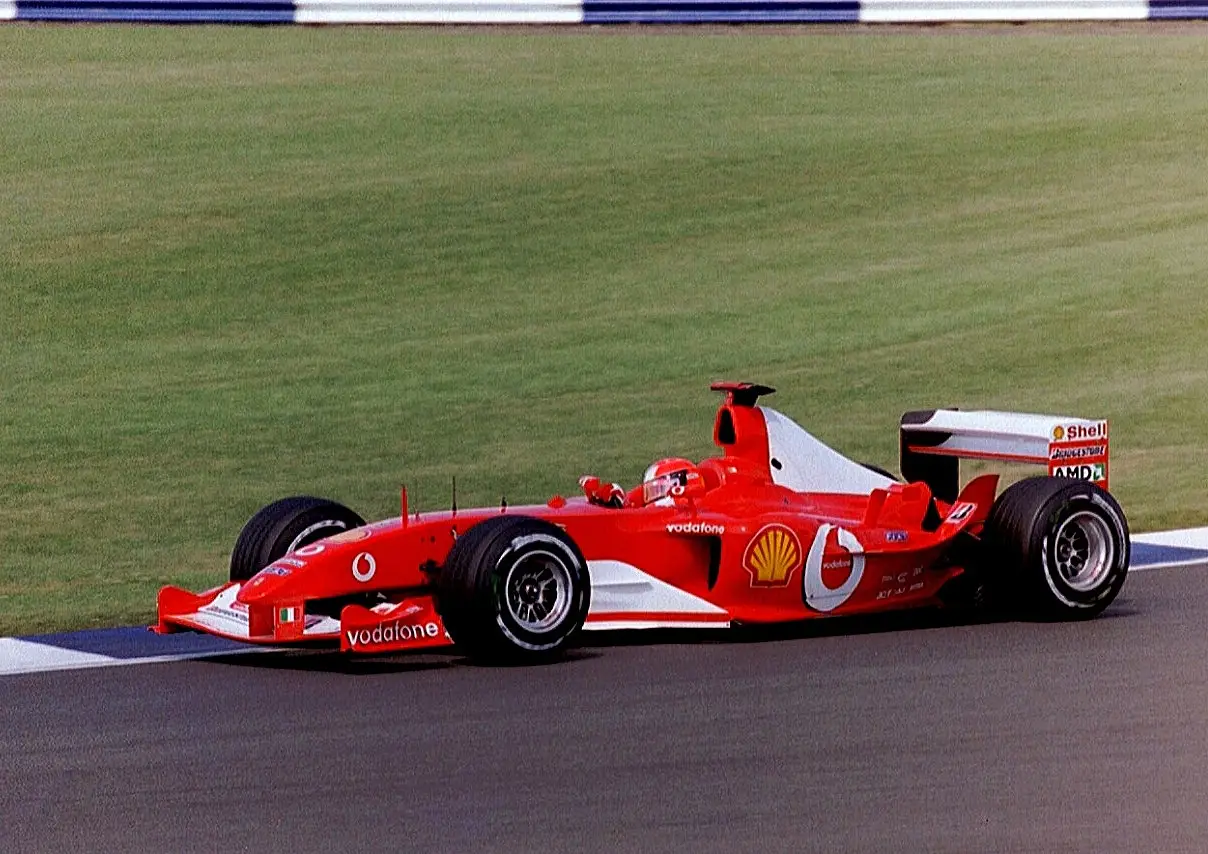
Formula 1 entered 2003 after Ferrari and Michael Schumacher had dominated 2002. However, the scoring change should not be reduced to a claim that one driver was directly targeted.
Second Place Gained the Most
A runner-up finish rose from six points to eight. Therefore, the winner’s advantage fell from four points to two.
Third stayed at six, while fourth through eighth received a smooth descending scale. The structure favored regular high finishes.
P7 and P8 Finally Mattered
Midfield teams could now score without reaching sixth. As a result, more battles affected the Constructors’ standings.
That recognition became important as reliability improved. Finishing seventh was no longer invisible in the championship table.
The Title Fight Became Extremely Close
Michael Schumacher won the 2003 championship with 93 points. Kimi Räikkönen finished only two points behind on 91.
Räikkönen won once, while Schumacher won six races. The close total became a lasting example of the consistency-versus-victories debate.
Did the System Reward Consistency Too Much?
Critics argued that a two-point win bonus reduced the incentive to attack. Supporters replied that a championship should reward every strong Sunday.
Both views contain truth. A scoring system cannot maximize the value of winning and the value of consistency at the same time.
Why F1 Changed Its Points System Again in 2010
The 2010 system expanded scoring to the top 10 and used a larger scale to create meaningful gaps across all 10 positions. A win became worth 25 points, followed by 18 and 15.
The modern 25-18-15-12-10-8-6-4-2-1 structure arrived in 2010. It remains the full-distance Grand Prix scale in 2026.
Three new teams also entered that season, creating a 24-car field. Therefore, a broader points zone matched a larger grid.
Top-10 Scoring Reached Deeper Into the Field
Ninth and 10th now carried value. A team could score through solid execution without needing a top-eight finish.
That mattered especially for the midfield. Constructors’ positions can turn on a handful of late-season points.
The Winner Regained a Stronger Premium
First place pays seven more points than second. The winner receives about 38.9% more than the runner-up.
By comparison, the 2003 system gave the winner only 25% more. Therefore, the new scale moved the balance back toward victories.
The Podium Gaps Became More Graduated
Second to third is three points. Third to fourth is also three.
Further down, the gaps narrow. Consequently, every position matters while the winner still receives a clear bonus.
The First Season Produced a Four-Way Finale
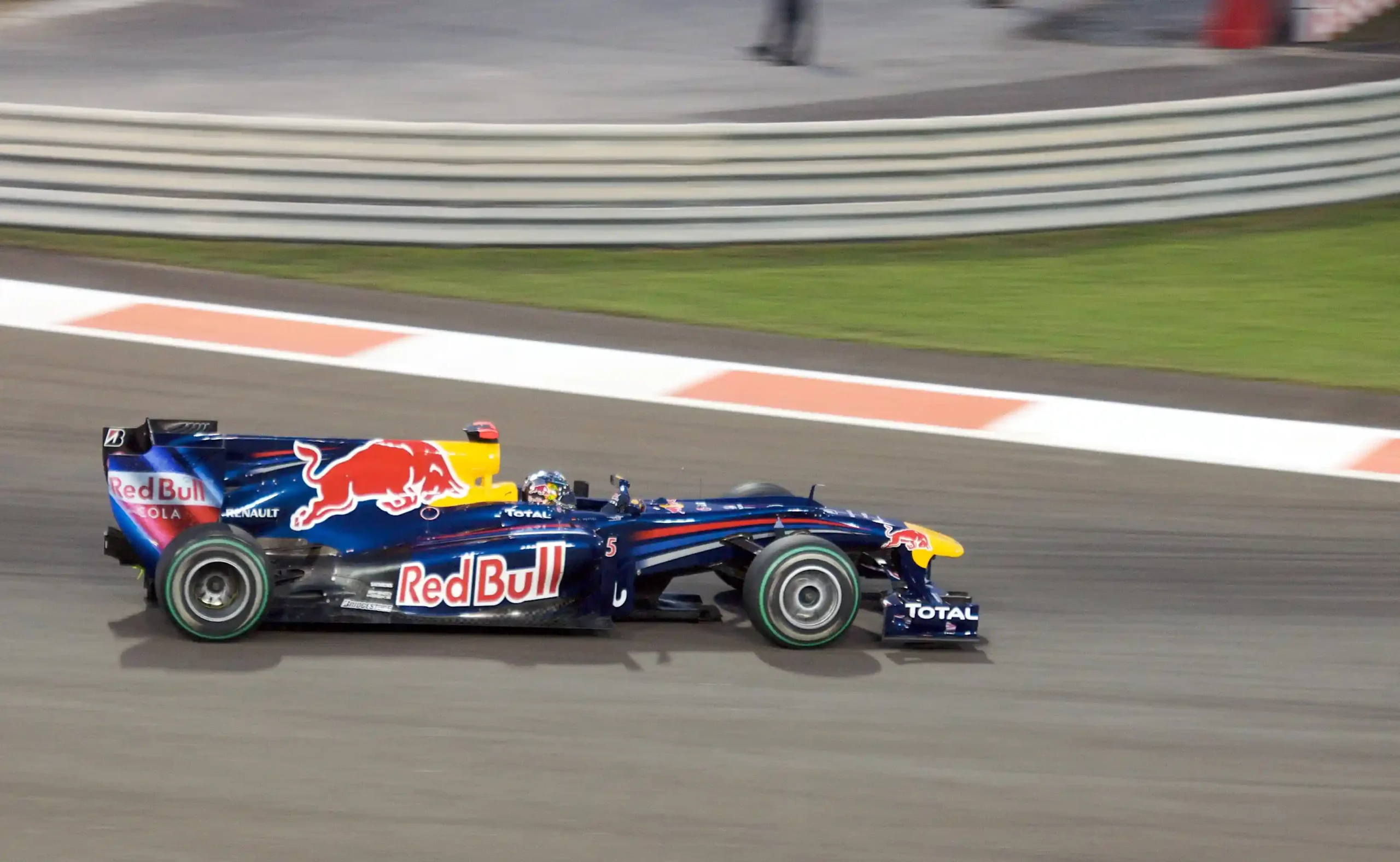
Sebastian Vettel, Fernando Alonso, Mark Webber and Lewis Hamilton reached Abu Dhabi with title possibilities. Vettel won the race and championship.
The close contest did not prove the points system caused the drama. However, it showed the new numbers could support a tight multi-driver battle.
Why 25 Points Does Not Make Modern Wins 2.5 Times More Valuable
A common comparison treats modern points as direct equivalents of older points. That approach is misleading.
In 2009, a win was worth 10 points and second was worth eight. In 2010, the same positions became 25 and 18.
Relative Gaps Matter More Than Raw Numbers
The winner’s advantage over second changed from two to seven points. Therefore, the strategic value of winning increased significantly.
However, every other scoring position also received larger numbers. A 25-point win did not multiply the whole championship value by exactly 2.5.
More Positions Needed Room on the Scale
F1 wanted 10 scoring places. A larger total made it easier to create distinct integer awards without ties between adjacent positions.
The system could descend from 25 to one while maintaining wider gaps near the podium. Smaller numbers would limit that flexibility.
Season Length Also Inflates Totals
Modern calendars contain many more Grands Prix than early seasons. Sprints add further opportunities.
Consequently, career totals now reflect the scale, number of races and extra formats. Raw points alone cannot rank drivers fairly across eras.
Percentages Offer Better Context
Analysts can compare points earned against the maximum available. They can also compare finishing positions, wins and points per start.
No single normalization is perfect. Yet each is more informative than simply placing 1950 and 2026 totals side by side.
The 2014 Double-Points Experiment
Formula 1 doubled the final race’s points to keep more title possibilities alive until the finale. A victory was worth 50 points, but the rule was dropped for 2015.
The 2014 Abu Dhabi Grand Prix became the only double-points race under the modern scale. Every Drivers’ and Constructors’ award was multiplied by two.
The Goal Was More Finale Drama
A larger final-round swing could keep trailing contenders mathematically alive. Commercially, that promised a higher-stakes season ending.
However, it also made Abu Dhabi worth twice as much as classic races such as Monaco, Monza or Silverstone.
Fans and Teams Questioned Sporting Fairness
A mechanical failure at the finale could erase work from earlier rounds. Therefore, critics saw the rule as artificial rather than merit-based.
The strongest objection was simple. A championship race should not become more valuable solely because of its calendar position.
Hamilton Won Despite the Extra Risk
Lewis Hamilton entered the finale 17 points ahead of Nico Rosberg. Because 50 points were available, that lead offered less protection than usual.
Hamilton won the race and title. Rosberg suffered technical trouble and finished outside the points.
The Rule Disappeared Immediately
The FIA removed double points for 2015. Consequently, the experiment became a one-season anomaly.
Its failure showed a limit to how far F1 can manipulate scoring for spectacle. Fans generally accept evolution more readily than arbitrary weighting.
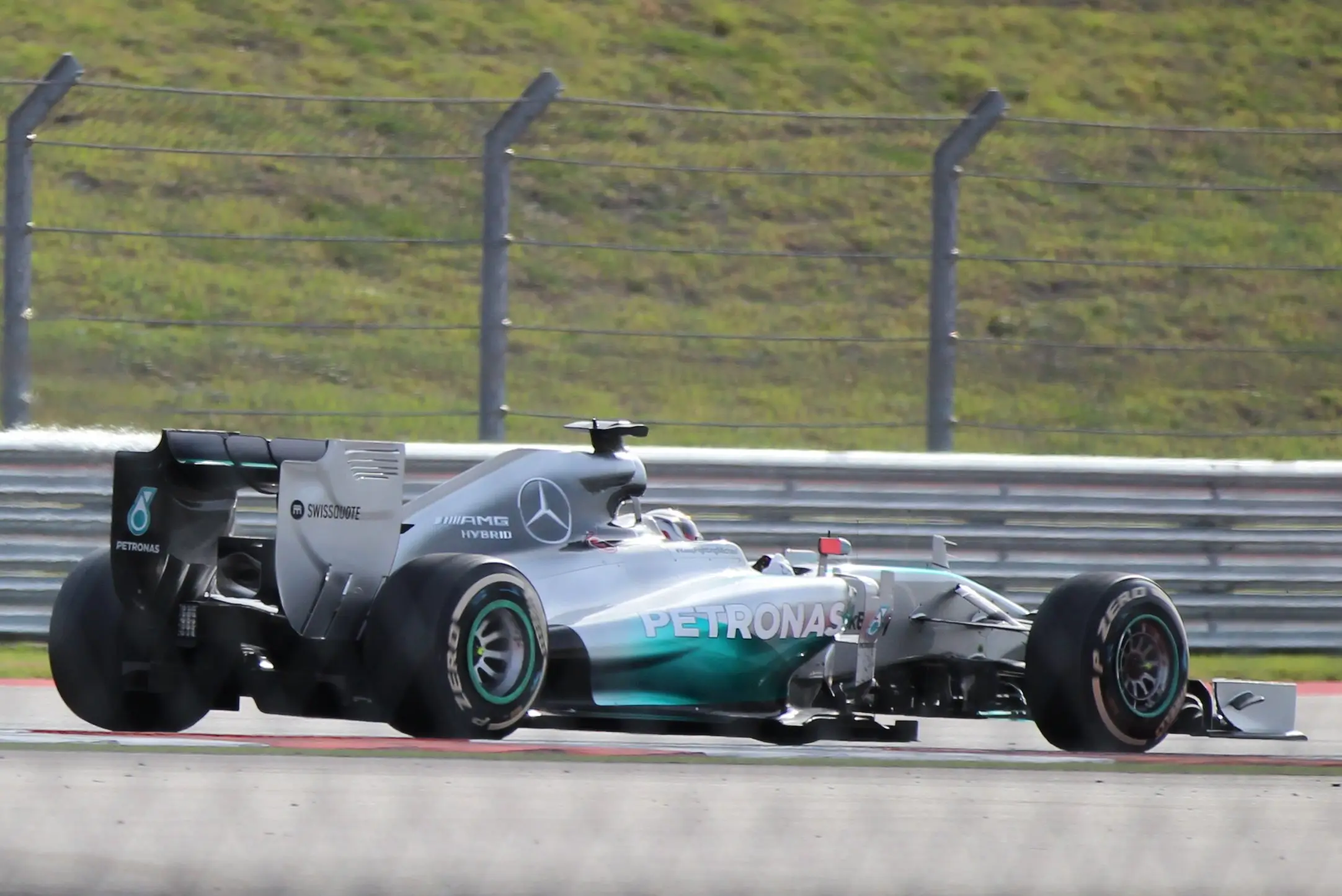
Why F1 Brought Back the Fastest-Lap Point—and Removed It Again
The bonus encouraged late tire stops and tactical point denial, but it did not always create meaningful racing. Formula 1 removed it from the 2025 season.
Fastest lap originally carried one point from 1950. The bonus later disappeared, then returned in 2019 with a safeguard.
A driver had to finish inside the top 10 to receive it. Otherwise, the point was not awarded.
The Rule Created a Late-Race Strategic Choice
A driver with a safe gap could pit for fresh tires. The team might sacrifice nothing while chasing one extra point.
That added a small decision near the finish. However, the attempt often involved no wheel-to-wheel contest.
A Driver Outside the Top 10 Could Deny the Bonus
A non-scoring car could set fastest lap without earning the point. That prevented a top-10 rival from collecting it.
Consequently, teams could use a distant car tactically. The rule produced controversy when the fastest driver had no personal points incentive.
One Point Could Matter in a Title Battle
Across a long season, bonus points accumulated. Drivers and teams treated them seriously.
Yet the FIA and F1 eventually decided the incentive was no longer worthwhile. The rest of the Grand Prix scale remained unchanged for 2025.
Fastest Lap Still Matters Statistically
The official result continues to record it. Drivers still value the performance marker.
However, it no longer changes the championship total. Therefore, a late stop now needs another sporting or strategic reason.
Related timing concepts appear in how race timing works.
How Sprint Points Changed the Championship
In 2026, the top eight score 8-7-6-5-4-3-2-1 when at least half the scheduled Sprint distance is completed.
Formula 1 introduced Sprint events in 2021. The shorter Saturday race needed a smaller reward than Sunday’s Grand Prix.
The Original 2021 Scale Was 3-2-1
Only the top three scored. Therefore, most of the grid had no direct championship reward.
The format still affected Sunday’s starting order at the time. However, the limited points reduced the value of midfield positions.
The 2022 Scale Expanded to the Top Eight
The winner’s reward rose to eight points. Positions two through eight received seven down to one.
This change gave more teams a reason to race for every place. Consequently, a Sprint became a meaningful but still secondary championship event.
Sprint Points Count in Both Championships
A driver adds the award to the season total. The same points also go to the constructor.
Both teammates can score. Therefore, Sprint weekends create a larger potential team swing.
There Is No Fastest-Lap Bonus in a Sprint
Only finishing position matters. The short distance also removes mandatory pit-stop complexity.
For the format itself, read the F1 Sprint weekend guide.
Spa 2021 Exposed a Major Weakness in the Old Half-Points Rule
The Belgian Grand Prix ran only behind the Safety Car in severe rain. Half points were awarded under the existing rule, prompting a new reduced-points system for future shortened races.
Heavy rain prevented green-flag racing at Spa-Francorchamps. The field completed only a few laps behind the Safety Car.
Max Verstappen was declared the winner from George Russell and Lewis Hamilton. The top 10 received half of the normal awards.
The Result Met the Written Rule
The leader crossed the control line enough times for half points under the 2021 regulations. Therefore, officials applied the system then in force.
However, fans and competitors questioned whether Safety Car running alone deserved championship points.
The Problem Was Bigger Than One Result
The old structure offered half points below 75% distance and full points above it. That created a large jump with little nuance.
Moreover, the rule did not distinguish enough between a short genuine race and laps completed without green-flag competition.
F1 Responded for 2022
The F1 Commission approved several distance bands. It also required at least two complete consecutive laps without Safety Car or Virtual Safety Car intervention.
Consequently, a repeat of Spa’s all-Safety-Car running would not earn points under the modern rule.
See the roles of the Safety Car and Virtual Safety Car for context.
The Current Reduced-Points Scales for Shortened Grands Prix
The FIA uses four distance bands. No points are awarded unless the leader completes at least two consecutive green-flag laps.
The 2026 regulations measure the leader’s completed distance against the scheduled race distance. The award then follows the relevant column.
| Position | At least 2 green laps, under 25% | 25% to under 50% | 50% to under 75% | 75% or more |
|---|---|---|---|---|
| 1st | 6 | 13 | 19 | 25 |
| 2nd | 4 | 10 | 14 | 18 |
| 3rd | 3 | 8 | 12 | 15 |
| 4th | 2 | 6 | 10 | 12 |
| 5th | 1 | 5 | 8 | 10 |
| 6th | — | 4 | 6 | 8 |
| 7th | — | 3 | 4 | 6 |
| 8th | — | 2 | 3 | 4 |
| 9th | — | 1 | 2 | 2 |
| 10th | — | — | 1 | 1 |
Why the Scale Uses Several Bands
A race that reaches 70% distance represents more competition than one stopped after 10%. Therefore, it should award more points.
The bands create a proportional compromise without calculating fractions for every lap.
The Two-Green-Lap Requirement Matters
Safety Car or Virtual Safety Car laps alone cannot satisfy the minimum. At least two complete consecutive laps must occur without those procedures.
This directly addresses the criticism produced by Spa 2021.
Sprints Use a Separate Distance Test
A Sprint must reach at least 50% of its scheduled distance before points are awarded. Once that threshold is met, the top eight receive the full Sprint scale.
Therefore, Sprints do not use the four Grand Prix columns.
Distance calculations are explained further in how racing laps are counted.
Drivers’ Points vs Constructors’ Points
Each team adds the points scored by both cars in the Grand Prix and Sprint. The same finishing-position scales apply to both championships.
A race result can affect the two standings differently. A driver may win, while the rival constructor scores more through a stronger two-car finish.
A One-Two Is Worth 43 Grand Prix Points
First pays 25 and second pays 18. Therefore, the maximum team score in a normal Grand Prix is 43.
If another team finishes third and fourth, it earns 27. The 16-point swing can matter greatly across a season.
Both Cars Reward Team Depth
A leading driver cannot fully compensate for a non-scoring teammate. Constructors need performance, reliability and strategy on both sides of the garage.
Consequently, the Teams’ title often tells a different story from the Drivers’ title.
Penalties Can Remove Points
A post-race disqualification changes the final classification. The driver and constructor lose the associated points.
Other competitors then move upward where the official classification requires it. Therefore, provisional standings can change after technical inspection.
Reserve Drivers Can Contribute
Points belong to the driver in the Drivers’ Championship. Yet any eligible driver competing for a team can add points to that constructor’s total.
The system follows results rather than a fixed season-long pairing.
How F1 Decides a Championship Tie
The FIA uses countback: most race wins, then most second places, third places and progressively lower race finishes. Qualifying results are used if race countback still cannot separate them.
Equal totals are possible because the same points values repeat across many events. The championship therefore needs a formal order.
Race Wins Come First
A driver with more Grand Prix victories ranks higher. This gives winning importance beyond the points already earned.
However, Sprint wins do not replace race wins at the first countback stage. The regulation specifies first places in a race.
Then Come Second Places and Third Places
If wins are equal, the FIA compares runner-up finishes. It continues down through lower positions until a difference appears.
Therefore, the full record matters. One extra fifth place can eventually separate two otherwise identical seasons.
Qualifying Is the Final Published Layer
If race results fail to decide the order, the same comparison applies to qualifying results. Most qualifying first places would come first.
This makes an unresolved tie extraordinarily unlikely. Formula 1 does not plan to share the title.
Constructors Use the Same Basic Principle
Teams are also ranked by countback when points are equal. Their race finishing records provide the separation.
For the governing framework, read what the FIA does and the FIA versus FIFA comparison.
What Is the Maximum Number of F1 Points in a Weekend?
A driver can score 33 points on a Sprint weekend: eight for winning the Sprint and 25 for winning the Grand Prix.
The fastest-lap point no longer increases that total. Therefore, 33 is the current individual maximum.
Normal Weekend Maximum: 25
Without a Sprint, only the Grand Prix awards championship points. Winning produces 25.
Qualifying and pole position do not add points. Practice sessions also carry no championship award.
Sprint Weekend Maximum: 33
A Sprint win pays eight. A Grand Prix win pays 25.
Adding them gives 33. A driver can earn both even after starting the Grand Prix from a different grid position under the modern Sprint format.
Constructor Maximum: 58
A team one-two in the Sprint scores 15. A one-two in the Grand Prix scores 43.
Therefore, the maximum constructor weekend total is 58. This figure is a straightforward calculation from the FIA tables.
Season Maximum Depends on the Calendar
The total changes with the number of Grands Prix and Sprints. Cancellations can also reduce available points.
Consequently, there is no timeless season maximum. Each year requires its own calendar calculation.
Why Career Points Cannot Be Compared Directly Across F1 Eras
Modern drivers can score larger totals because wins pay more, more positions score, seasons contain more races and Sprints add extra opportunities.
Nino Farina won the first championship with 30 counted points. Modern champions can exceed 400 or 500.
That does not mean the modern driver achieved more than 10 times the sporting performance. The measurement scale changed.
The Base Scale Changed
An early win paid eight. It later paid nine, then 10 and now 25.
Therefore, raw career totals heavily favor drivers who raced after 2010.
Calendars Became Longer
The 1950 championship contained seven listed rounds, including Indianapolis. Modern seasons can contain more than 20 Grands Prix.
More starts create more scoring opportunities. Reliability also allows drivers to convert more of them.
Points Zones Became Wider
Early championships rewarded only five places. Today, 10 drivers can score in a Grand Prix and eight in a Sprint.
Consequently, a modern midfielder accumulates career points that an equally placed historic driver could never earn.
Dropped Scores Reduced Historic Totals
Some good results did not count toward the championship. Modern rules include every race result.
This difference affects both title calculations and career statistics.
Better Cross-Era Measures
Analysts can compare win percentage, podium rate and average finishing position. They can also recalculate seasons under one common scale.
However, recalculation still cannot equalize reliability, calendar length or competitive depth. Historical comparison always needs context.
See the archive ranking of the best F1 drivers of all time for a broader debate.
Does the Current F1 Points System Reward Wins or Consistency?
It gives victory a meaningful seven-point advantage while still rewarding consistent top-10 finishes. Whether that balance is ideal remains a sporting judgment.
A winner receives 25 points. Two second places produce 36, while a win and a retirement produce 25.
Therefore, consistency can beat a boom-or-bust pattern. Yet repeated winning still builds a clear advantage over repeated second places.
The System Rewards Finishing Every Weekend
A driver who avoids retirements keeps adding points. Reliability and damage limitation are part of championship skill.
Critics may call that conservative. However, a season title has always measured more than peak speed.
Seven Points Is a Strong Win Bonus
Ten wins over 10 second places create a 70-point gap. Therefore, the modern system does not treat victory and runner-up finishes as nearly equal.
The 2003 scale would have created only a 20-point gap across the same results.
The Midfield Scale Creates Real Stakes
P10 earns one point, while P11 earns none. That boundary can produce intense strategy late in a race.
Moreover, constructor positions may depend on a single P10 across an entire season.
The Cliff at P10 Remains Controversial
Some teams have proposed expanding the points zone. Supporters argue that a larger field deserves broader recognition.
Opponents warn that points should remain difficult to earn. A wider zone could reduce the prestige of a top-10 finish.
Strengths of the Current System
- Clear premium for winning
- Meaningful rewards through P10
- Simple integer scale
- Same structure for drivers and teams
- No playoffs or artificial reset
- Strong countback procedure
Common Criticisms
- Large historical points inflation
- Hard scoring cliff between P10 and P11
- Sprints add uneven opportunities by event
- Reduced-race bands create boundary effects
- No reward for pole position
- Midfield teams can finish well without scoring
Could Formula 1 Change Its Points System Again?
Future reforms could expand scoring beyond P10, adjust Sprint points or revise reduced-race thresholds. Any change would need FIA approval through the sport’s governance process.
The current Grand Prix scale has lasted since 2010. That stability suggests the basic balance works.
However, Formula 1 continues to review its sporting rules. New teams, race formats or calendar structures could reopen the debate.
Expanding the Points Zone
A larger grid may strengthen the case for top-12 scoring. More teams would receive championship recognition for competitive finishes.
Yet the scale would need careful design. F1 must avoid making nearly every finish a points result.
Changing Sprint Rewards
Sprints add meaningful championship points, but only at selected events. Therefore, some weekends carry more available value than others.
F1 could reduce, expand or redesign the Sprint scale. Any adjustment would affect risk-taking on Saturday.
Restoring a Bonus Point
Pole position or fastest lap could theoretically receive a reward. However, the fastest-lap bonus was just removed after six seasons.
A new bonus would need to produce genuine competition rather than tactical exploitation.
Using More Continuous Reduced-Race Scoring
The current bands are clearer than the old half-points rule. Still, crossing one distance threshold can suddenly unlock several points.
A more proportional formula could smooth those jumps. However, it would be harder for fans to calculate instantly.
Why Radical Change Is Unlikely
The 25-18-15 scale is familiar and easy to understand. It also balances wins and consistency reasonably well.
Therefore, future changes are more likely around the edges than at the center.
Common Myths About Formula 1 Points
“F1 Changed to 25 Points Because Wins Became 2.5 Times More Important”
False. The entire top-10 scale expanded. Relative gaps and extra scoring positions matter more than the raw multiplier.
“Only Drivers Score Championship Points”
False. The same results also score for constructors, with both team cars contributing.
“Pole Position Earns a Point”
False. Pole is recorded as an achievement, but it carries no championship point in 2026.
“Fastest Lap Still Earns a Bonus”
False. The bonus applied from 2019 through 2024 and was removed for 2025.
“Every Shortened Race Pays Half Points”
False. The modern system uses several distance bands, plus a minimum green-flag requirement.
“Sprint Points Count Only for Drivers”
False. Sprint awards contribute to both championship tables.
“Two Drivers Can Simply Share the World Title”
False. Countback compares race finishes and then qualifying results until an order emerges.
“The Highest Career Points Total Identifies the Greatest Driver”
False. Scales, calendar lengths and counted-results rules differ too much across eras.
Basic competition terms are covered in how car racing works and the F1 Grand Chelem guide.
Formula 1 Points-System FAQs
Why did F1 change its points system?
F1 changed its scoring rules as grids, reliability and sporting formats evolved. Reforms expanded the points zone, changed the reward for winning and added fairer rules for Sprints and shortened races.
Why does an F1 win earn 25 points?
The 25-point award arrived with the top-10 scale in 2010. Larger numbers allowed distinct rewards across 10 places while keeping a seven-point advantage over second.
How are F1 Sprint points awarded in 2026?
The top eight score 8-7-6-5-4-3-2-1 when at least 50% of the scheduled Sprint distance is completed.
What happens if two F1 drivers finish tied on points?
The FIA compares race wins, then second places, third places and lower finishes. If race countback still cannot separate them, qualifying results are compared.
Conclusion: F1 Changed Its Points System to Keep Scoring Relevant
So, why did F1 change its points system?
The championship changed, and its scoring rules had to follow. A formula designed for fragile 1950s cars could not perfectly serve a modern global series.
The original scale paid eight points for victory. Only five finishers scored, while fastest lap added one bonus point.
Moreover, only selected results counted. The dropped-score system protected drivers from the era’s frequent mechanical failures.
The Constructors’ Championship arrived in 1958. That created a second points contest for the teams building and entering the cars.
Sixth place gained a point in 1960. Then a victory generally rose to nine points from 1961.
For decades, F1 kept the basic 9-6-4-3-2-1 scale. However, the number of counted results changed several times.
The 1991 reform simplified everything. Wins became worth 10, and every result counted toward the final standings.
That system rewarded full-season performance. It also made each retirement permanently costly.
In 2003, F1 widened scoring to the top eight. Second place rose from six to eight points.
Consequently, consistency gained more value. Michael Schumacher still won the title, but Kimi Räikkönen finished only two points behind.
The modern transformation arrived in 2010. The top 10 began scoring on the 25-18-15-12-10-8-6-4-2-1 scale.
The higher numbers created room for 10 distinct awards. They also restored a stronger seven-point win bonus.
That scale has lasted because it works reasonably well. Victory matters, yet regular finishes can still build a championship.
Formula 1 has continued adjusting the edges. Double points appeared at the 2014 finale and vanished immediately.
The fastest-lap bonus returned in 2019. Tactical late stops and point denial then contributed to its removal for 2025.
Sprints introduced a new scoring opportunity in 2021. Their award expanded from the top three to the top eight in 2022.
Spa 2021 produced another turning point. Half points were awarded after only Safety Car running in heavy rain.
The FIA responded with several distance bands and a minimum of two consecutive green-flag laps. Therefore, shortened races now receive more proportional treatment.
The 2026 rules retain the familiar Grand Prix and Sprint scales. They also count every result for both championships.
Both cars contribute to the constructor total. Meanwhile, the driver keeps every point personally earned.
Countback settles equal totals. Race wins come first, followed by second places, third places and lower finishes.
Modern points totals are much larger than historic totals. However, that inflation reflects the scale, longer calendars and Sprint opportunities.
Raw career points cannot identify the greatest driver without context. Win rates, podiums and era-adjusted measures offer a fairer picture.
Could the system change again? Yes. A larger grid or another Sprint redesign could restart the debate.
Nevertheless, radical change appears unnecessary. The 25-point structure has survived far longer than several surrounding experiments.
That is the lasting answer to why did F1 change its points system. The sport uses scoring to define what matters in each era.
When reliability, fields or formats change, the championship’s mathematics eventually changes with them.
Sources and Fact-Checking
This article was checked against official FIA and Formula 1 material available on July 29, 2026. Current scoring, countback and reduced-distance details use FIA 2026 Formula 1 General Regulatory Provisions, Issue 03, published June 25, 2026.