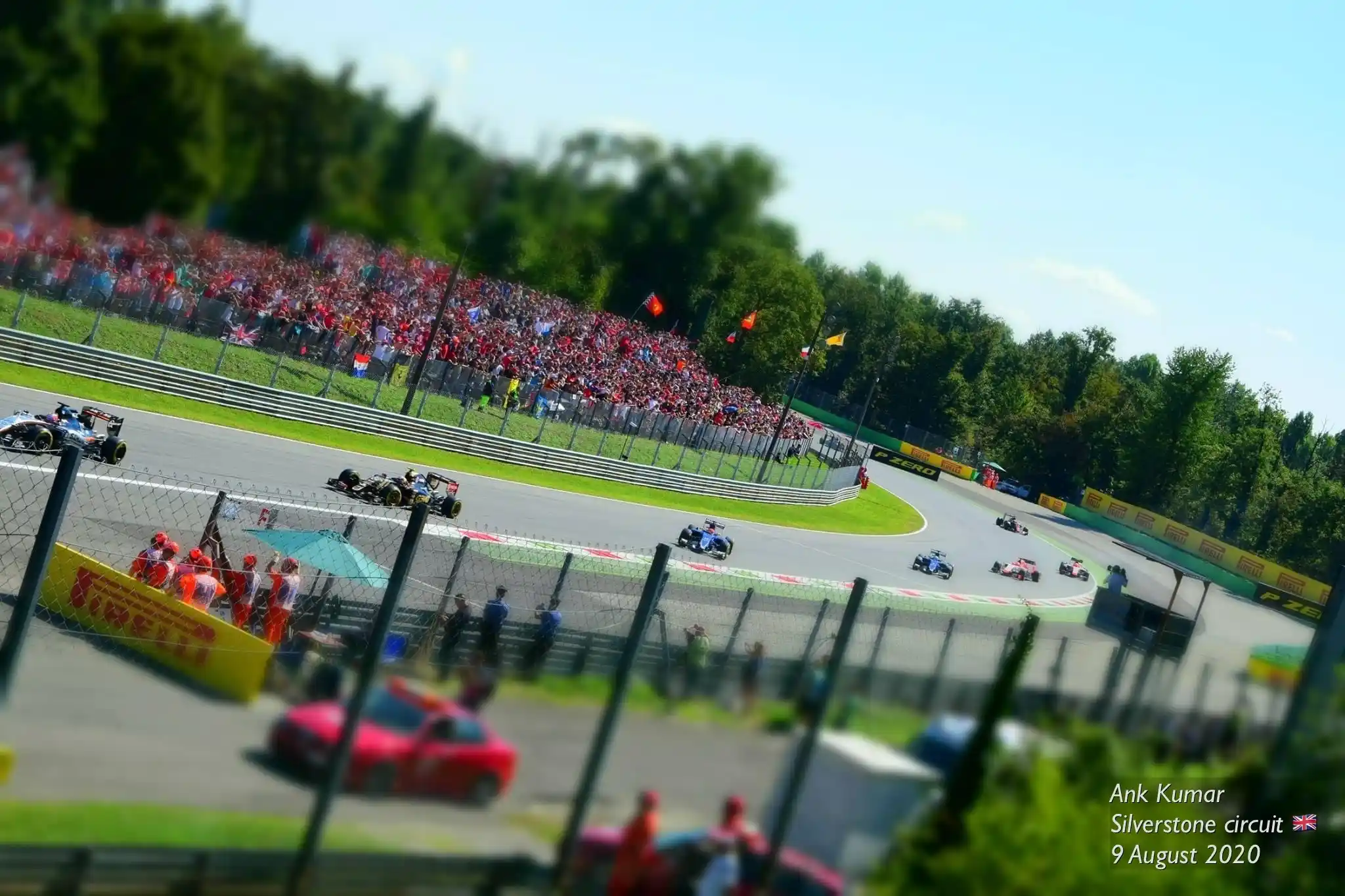
Italian Grand Prix 2026 Strategy Analysis: Slipstream, Overtake Mode, Tyres & Pit Stop Windows
Monza remains Formula 1’s most extreme low-downforce race. For 2026, however, the familiar DRS conversation has changed: active aerodynamics and Overtake Mode now shape the passing battle, while Pirelli’s C3-C4-C5 selection keeps tyre life, track position and the cost of a second stop at the center of race strategy.
The Italian Grand Prix 2026 strategy discussion starts with one fact that separates this race from every older Monza guide: Formula 1 no longer uses DRS in 2026. The new cars use active front and rear aerodynamics, while the overtaking aid is now Overtake Mode, an energy-deployment system available when a driver meets the one-second eligibility condition at the detection point.
That matters enormously at Monza. The circuit is still dominated by long full-throttle sections, heavy braking into chicanes, traction on corner exit and the value of a tow. Yet the way a following car converts that tow into an attack is different in the 2026 rules era. Add Pirelli’s confirmed C3, C4 and C5 dry compounds, a historically expensive pit-lane time loss, and the possibility of very low degradation, and the fastest race is likely to be built around patience rather than constant stopping.
This analysis is a pre-race strategy preview written on August 19, 2026. The Italian GP has not happened yet, so there are no invented race results, weather readings, final pit windows or team-specific tyre plans here. Where an exact 2026 answer depends on Friday practice, qualifying, race-day temperature or Safety Car timing, it is identified as a scenario rather than presented as a confirmed fact.
Italian Grand Prix 2026: Confirmed Race and Circuit Facts
What is known before the Monza weekendFormula 1 has confirmed the 2026 Italian Grand Prix for September 4–6 at Monza. The race is scheduled for Sunday, September 6. The official F1 event page lists the start at 13:00 UTC, which is 3:00 PM local time in Italy and 9:00 AM Eastern Time for a U.S. audience.
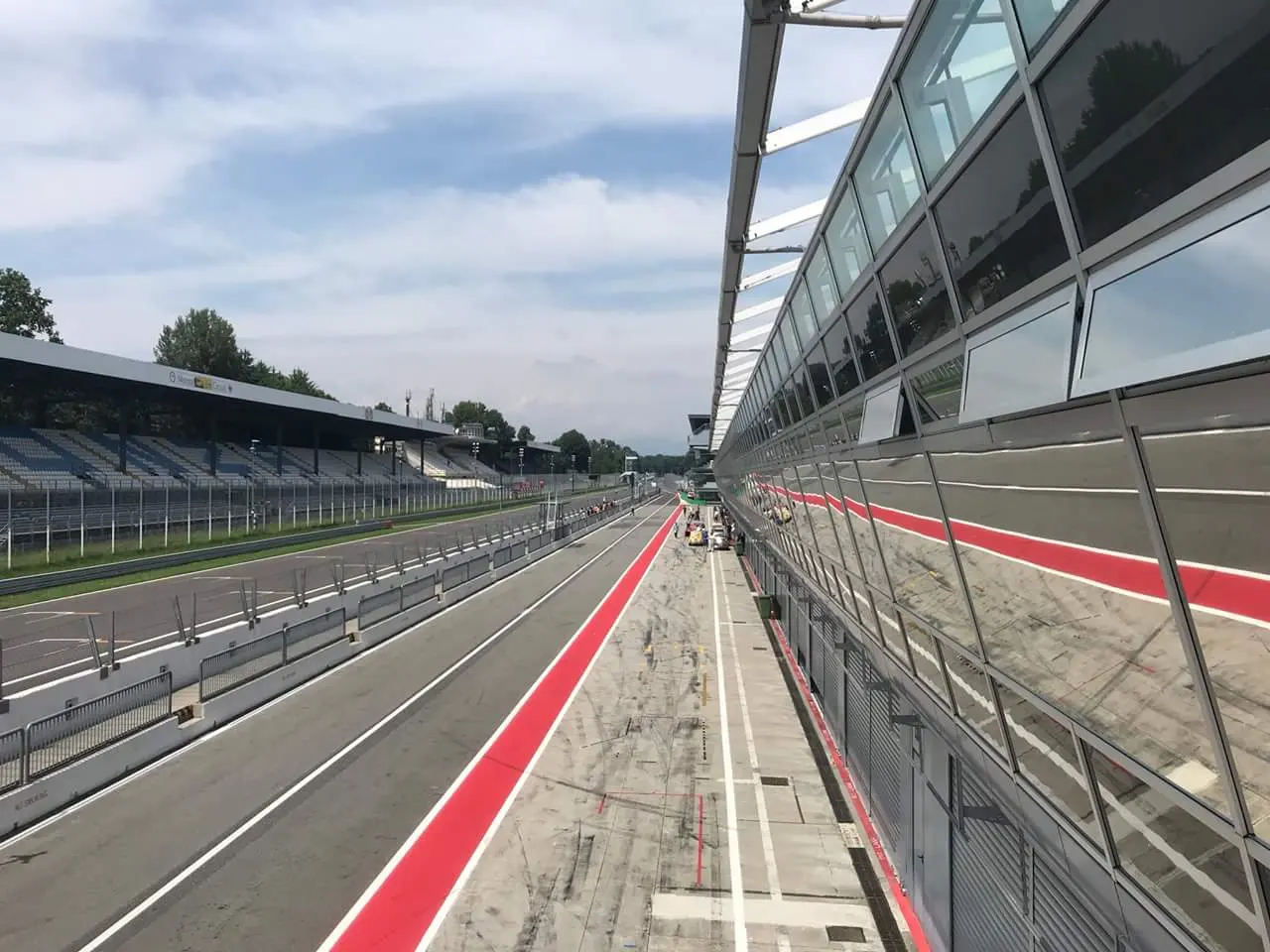
Monza’s 5.793-kilometer layout is one of the easiest circuits to describe and one of the hardest to optimize. A Formula 1 car spends an unusually large part of the lap accelerating or running near maximum speed. The corners that interrupt those straights are either major braking events — such as the opening Rettifilo chicane and Roggia — or fast loaded corners such as the Lesmos, Ascari and Parabolica/Alboreto.
That combination forces teams to make a compromise that is unique on the calendar. They want as little drag as possible for the straights, but the car still has to stop from enormous speed, ride kerbs without becoming unstable and generate traction out of slow chicanes. A setup that is brilliant in qualifying can punish the rear tyres in the race if it slides too much on exit. A setup with extra wing may protect the tyres and make the driver comfortable, but it can leave the car vulnerable in a tow.
| Confirmed item | 2026 Italian GP data | Strategy meaning |
|---|---|---|
| Weekend | September 4–6, 2026 | Traditional three-practice Grand Prix format |
| Race start | Sunday 13:00 UTC / 9:00 AM ET | Daytime race; final temperature still unknown |
| Race distance | 53 laps / 306.72 km | Long enough for tyre delta to matter, short enough to favor one stop when degradation is low |
| Dry compounds | C3 Hard, C4 Medium, C5 Soft | Pirelli has selected the softest trio in its 2026 range for Monza |
| 2026 overtaking aid | Overtake Mode | DRS has been replaced; electrical deployment now creates the regulated passing assistance |
| Aerodynamics | Active front and rear wings | Straight Mode lowers drag; Corner Mode restores cornering load |
No official 2026 Italian GP race result, starting grid, race-day weather forecast, tyre stint length or final team strategy exists yet. Those details will only become known during the September 4–6 weekend.
Slipstream, Active Aero and Overtake Mode at Monza
Why the old “DRS at Monza” analysis must be updated for 2026Slipstream remains extremely important because Monza has long straights and very low aerodynamic drag. A following car can gain speed by running in the reduced-pressure wake of the car ahead. In 2026, that natural tow works alongside active aerodynamics and Overtake Mode rather than the old DRS rear-wing system.
For years, the phrase “DRS at Monza” was part of every race preview. That phrase is now historically familiar but technically outdated. The FIA’s 2026 regulations replaced DRS with a new aerodynamic and electrical framework. Both the front and rear wings can change configuration. Formula 1 commonly describes the low-drag configuration as Straight Mode and the higher-downforce configuration as Corner Mode.
The crucial distinction is that Straight Mode is not simply a reward for following another car. Its main purpose is to reduce drag and improve energy efficiency for the new power units. The actual regulated overtaking assistance is Overtake Mode. When a driver is within one second of the car ahead at the relevant detection point, the following car can access an enhanced electrical deployment profile on the next lap.
According to the FIA’s explanation of the 2026 system, Overtake Mode provides an additional 0.5 megajoules of electrical energy. The leading car’s electrical deployment begins tapering after 290 km/h, while the following car can use up to 350 kW farther into the speed range. At Monza, where cars live at high speed for so much of the lap, this is not a small detail. It changes how a driver prepares an attack and how a defending driver manages energy before the major braking zones.
Why the natural tow still matters even without DRS
A slipstream is basic aerodynamics. The lead car punches a hole through the air and leaves a lower-pressure wake. The following car experiences less aerodynamic resistance when it sits in that wake, so it can gain straight-line speed for the same power demand. The effect becomes more valuable as speed rises, which is exactly why Monza has always been a circuit where drivers look for a tow in qualifying and attack from farther back in races.
That does not mean every tow is free lap time. If a car follows too closely through Lesmo 2, Ascari or Parabolica, it can lose front grip in the disturbed air and compromise the corner exit that begins the next straight. The best attacking sequence is therefore not “get as close as possible everywhere.” It is to arrive at the exit of the preceding corner with enough tyre grip and electrical state of charge to launch into the slipstream without sacrificing momentum.
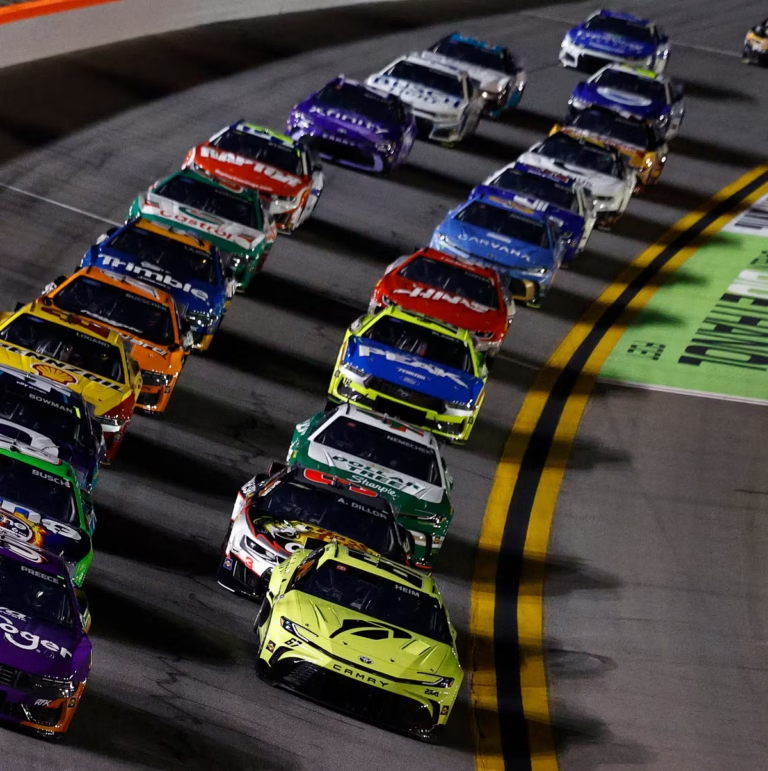
This is where our slipstream explainer becomes especially useful. At Monza, the tow can alter both qualifying and race tactics. During qualifying, teams often manage gaps so drivers can pick up a beneficial tow without catching traffic at the chicane. During the race, the same effect can create trains: once several cars run within similar pace, the car behind may gain on the straight but struggle to complete the pass before the braking zone.
Overtake Mode changes the energy battle
The 2026 power-unit rules make electrical energy a larger part of racecraft. Therefore, Monza is not only a drag and horsepower circuit; it is also an energy-deployment circuit. Drivers and engineers have to decide when to harvest, where to deploy and how to avoid arriving at the end of a straight with the battery contribution falling away too early.
That turns race positioning into a chess problem. A driver may deliberately avoid spending all available electrical energy on one weak attempt if the car ahead is too far away. Conversely, the car in front may choose to deploy aggressively out of the final corner to break the one-second eligibility window before the next detection line. The strategic goal is the same as it was in the DRS era — deny the following car an easy speed advantage — but the tools are different.
DRS was the moveable rear-wing overtaking aid used through 2025. In 2026, Formula 1 uses active aerodynamics for drag reduction and Overtake Mode for the regulated passing boost. Searchers will still type “Monza DRS,” but an accurate 2026 article should explain the change rather than repeat the old terminology.
Where passes are most likely to be prepared
The opening chicane remains the obvious strategic target because it follows the longest run from the final corner. A driver who exits Parabolica/Alboreto cleanly can build a tow for several seconds, then use the car’s low-drag configuration and available electrical deployment before braking hard for Turn 1. The second chicane offers another major braking opportunity after Curva Grande.
Ascari can also shape attacks even when the pass does not happen there. A driver who forces the car ahead to defend or take a compromised line through the complex may improve the run toward Parabolica. This is why Monza overtaking is often a multi-corner process. The visible pass happens under braking, but the move may have been prepared half a lap earlier.
Monza 2026 Tyre Strategy: C3 Hard, C4 Medium and C5 Soft
Pirelli has already confirmed the three dry compoundsPirelli has selected the C3, C4 and C5 compounds for Monza in 2026. Within the weekend allocation, C3 is the Hard, C4 the Medium and C5 the Soft. The same three compound names were used at Monza in 2025, but the 2026 cars and tyres belong to a new technical era, so Friday data will decide the real stint limits.
Pirelli confirmed the Italian Grand Prix tyre nomination on July 28. Monza receives the softest trio in the 2026 range: C3, C4 and C5. That choice immediately creates a useful strategic baseline, but it does not tell us which compound will be the race favorite. That answer depends on degradation, warm-up, weather, fuel load and the difference in lap time between compounds during Friday long runs.
Historically, the medium and hard tyres have been attractive at Monza because they extend the first stint and reduce the risk of being forced into a second stop. In 2025, Pirelli reported very limited degradation in practice and described the one-stop as the only plausible baseline, with Medium-to-Hard on paper. During the race itself, degradation was so low that Pirelli’s Mario Isola said performance degradation was “pretty much zero,” allowing drivers to stretch the opening stint based largely on track position.
That 2025 evidence is useful, but it is not a guarantee for 2026. The cars are different, the aerodynamic behavior is different and the tyre construction has changed for the new regulations. The correct approach is to use last year’s race as evidence for Monza’s strategic character, then wait for 2026 practice to determine whether the same pattern survives.
| Compound | Likely role | Main advantage | Main risk |
|---|---|---|---|
| C3 Hard | Long first or second stint | Maximum flexibility and resistance to wear | Slower warm-up and weaker launch than softer tyres if temperatures are low |
| C4 Medium | Most versatile race tyre | Good balance of pace, launch and stint length | Could become vulnerable if rear sliding raises temperature |
| C5 Soft | Qualifying, late sprint or aggressive opening stint | Best immediate grip and launch potential | Smallest strategic window if degradation is higher than expected |
Why tyre degradation at Monza can be deceptively low
Monza looks brutal because the speeds are huge, but high top speed does not automatically mean high tyre degradation. The cars run little downforce, so they generate less sustained vertical load than they would at a circuit packed with medium- and high-speed corners. Much of the lap is spent going straight. The main tyre stresses come from braking, traction and the fast corners rather than continuous lateral loading.
The low-downforce setup can create a different problem: sliding. If the rear of the car moves under traction, surface temperature rises. If the front tyres slide through the fast corners, they can overheat or develop graining depending on track conditions. This is why two cars on the same compound can have very different stint lives. A mechanically balanced car may cruise through a long stint while another car cooks the surface through repeated corrections.
Medium-to-Hard is the conservative reference strategy
Before 2026 practice data exists, C4 Medium to C3 Hard is the most sensible reference strategy. The medium gives better grip off the start, provides protection into Turn 1 and should offer enough life to avoid an early forced stop. The hard then covers the longer second half of the race. This is not a prediction that every front-running team will use it; it is the most logical baseline based on Monza’s historical one-stop bias and the confirmed compound selection.
A Hard-to-Medium plan works differently. It sacrifices some launch and opening-lap grip to create a much wider first-stint window. That can be valuable for a driver starting outside the top ten, especially if the field gets trapped in a train. Instead of pitting into traffic with everyone else, the driver can stay out, run in clean air and wait for a Safety Car or Virtual Safety Car to reduce the effective cost of the stop.
Could the Soft be a serious race tyre?
Yes, but its value will be conditional. In 2025, Pirelli’s Friday analysis suggested the Soft could run 15–20 laps and become a late-race option. If the 2026 C5 displays similarly stable behavior, it may be a useful final-stint tyre for drivers who extend their first stint deep into the race. It could also be an attacking start tyre for a driver who needs immediate position gain.
The danger is loss of flexibility. Starting on the soft can force the first stop before a natural neutralization window appears. At Monza, a second full green-flag pit stop is expensive. Therefore, the soft only makes strategic sense when its pace advantage or launch advantage is large enough to pay back the shortened stint.
Italian GP 2026 Pit Stop Windows: What Teams Will Watch
Exact laps cannot be confirmed before race-weekend long runsThere is no confirmed 2026 pit window yet. In a normal dry, low-degradation Monza race, the first meaningful one-stop window usually opens around the middle third of the 53 laps. Medium-to-Hard runners tend to stop earlier than Hard-to-Medium runners. Friday long-run data, temperature, traffic and Safety Cars will set the real 2026 window.
It is tempting to publish a neat “lap 20–26” answer now, but that would turn historical data into fake 2026 certainty. A better strategy analysis separates the reference window from the actual window. Historical Pirelli analysis at Monza has often placed Medium-to-Hard stops around the low-to-mid 20s, while Hard starters can extend closer to the late 20s or beyond. In 2025, however, many drivers went dramatically longer because degradation was minimal and waiting for a Safety Car had more value than stopping on schedule.
Plan A — Medium → Hard
The traditional one-stop reference. Strong start grip, then a durable second stint.
- Likely first choice if degradation is low
- Undercut becomes possible once the Hard warms reliably
- Traffic on pit exit can delay the stop
Plan B — Hard → Medium
Best for extending the first stint and reacting to neutralizations.
- Useful from midfield or back of grid
- Creates overcut and Safety Car flexibility
- Opening-lap grip can be weaker
Plan C — Two Stops
A fallback if degradation, damage or race disruption makes one stop too slow.
- Needs a meaningful pace advantage
- More viable under Safety Car/VSC
- Green-flag pit-lane loss is the major penalty
Why one stop is so powerful at Monza
The reason is simple: stopping is expensive. Older official F1 strategy analysis has placed the total time loss for a Monza stop at roughly the low-20-second range under green-flag conditions. The exact 2026 number depends on pit-lane timing and the cars’ speed profile, so it should be measured during the weekend rather than assumed. But the principle is stable: the field is circulating very quickly while a pitting car is limited to pit-lane speed and stationary for the tyre change.
To justify a second stop, fresh tyres must recover that extra loss before the chequered flag. If degradation is low, that calculation simply does not work. A driver may be one second per lap quicker on new tyres, but if there are only 15 laps left and the stop costs more than 20 seconds, the second stop loses race time unless traffic, a neutralization or tyre failure risk changes the equation.
The undercut at Monza: strong, but not automatic
An undercut means pitting before the rival ahead, using the faster fresh tyre to gain enough lap time to move ahead when that rival stops. At Monza, the undercut can be powerful if the old tyres have lost grip or the new compound warms immediately. The heavy braking zones reward fresh tyre confidence, and better traction out of the chicanes can add speed down the straights.
However, the undercut has a major enemy: traffic. If a front-running driver pits into a train of slower cars, the fresh-tyre advantage can disappear. Monza’s low-downforce setup also reduces the benefit of following through some corners, so passing traffic may take longer than the raw lap-time difference suggests. Engineers therefore watch the “pit window” on the timing screen as closely as tyre life.
When the overcut can beat the undercut
The overcut is attractive when degradation is very low and clean air is available. If the leader’s tyres are still strong, staying out can produce a fast in-lap while the rival who stopped early spends a lap warming the hard tyre. The longer first stint may also expose the driver to a cheaper stop if a Safety Car appears.
This is exactly what made the 2025 race strategically unusual despite being a one-stop event. Pirelli reported that drivers could largely choose the stop timing based on track position because performance degradation was negligible. Some extended beyond the expected window in the hope of a neutralization. That possibility should stay in every 2026 Monza model until Friday proves the tyres behave differently.
Safety Car and Virtual Safety Car: the race-changing discount
A Safety Car or Virtual Safety Car reduces the time rivals spend racing at full speed while the pitting driver is in the pit lane. That effectively discounts the cost of the stop. At a one-stop circuit, this can be decisive. A driver who has deliberately extended a Hard-tyre first stint may suddenly receive the ideal moment to switch to Medium or Soft.
The opposite can also happen. A driver who stopped one lap before a Safety Car can lose heavily because rivals receive the cheaper stop immediately afterward. Teams cannot predict the timing, so strategy becomes a question of risk tolerance. A race leader with a comfortable gap usually has less reason to gamble. A driver trapped in P10 with no realistic passing opportunity may have much more reason to stay out and wait.
Red flags make tyre strategy even less predictable
Red flags can reset a Grand Prix by allowing teams to change tyres while the race is stopped under the applicable sporting rules. Monza has enough high-speed braking and first-lap congestion that incidents are always part of the risk model, although no responsible preview should claim a Safety Car or red flag is “likely” without evidence. The correct strategy is to preserve optionality: keep at least one useful race set available, avoid unnecessary tyre damage and be ready to change the plan instantly.
Which Teams and Drivers Have the Strategic Tools for Monza?
Current 2026 form before the Dutch and Italian Grands PrixThe final pecking order cannot be forecast from Hungary alone, because Monza asks completely different questions of a car. Still, the championship context matters. After the Hungarian Grand Prix, Mercedes driver Kimi Antonelli leads the Drivers’ Championship on 219 points. Lewis Hamilton is second on 169, George Russell third on 160 and Charles Leclerc fourth on 138. The most recent race was won by Lando Norris for McLaren, ahead of Max Verstappen and Antonelli.
Those numbers show how broad the 2026 competitive picture has become. Mercedes has been the season’s benchmark in results, Ferrari has won at Barcelona-Catalunya and Silverstone, and McLaren arrived at the summer break with a Hungary victory. Red Bull remains capable of fighting at the front, with Verstappen finishing second in Hungary. Monza can reshuffle those strengths because low drag and energy efficiency are more important here than at the Hungaroring.
Mercedes: championship position creates strategic pressure
Antonelli’s points lead changes how Mercedes may approach risk. A championship leader does not always need the most aggressive gamble. At a circuit where a one-stop can protect track position, Mercedes may prefer flexibility over an early undercut if the car has competitive straight-line speed. Russell, meanwhile, can be used strategically to pressure rivals if the two Mercedes cars qualify close together.
Team tactics become especially important in the new Overtake Mode era. If two teammates run together, the team has to avoid creating a situation where one car spends electrical energy attacking the other while a rival closes from behind. Monza often turns small tactical decisions into position changes because one compromised exit can expose a driver for the entire next straight.
Ferrari: home-race emotion must not override tyre discipline
Ferrari enters Monza with the added pressure of the tifosi and two drivers already proven race winners in 2026. Hamilton won Barcelona-Catalunya; Leclerc won the British Grand Prix. Home-race pressure can tempt teams into aggressive calls, but Monza rewards calm execution. If Ferrari has the straight-line speed to stay in the lead group, the best strategy may be to avoid reacting too early to every pit fake or radio message.
The bigger technical question is rear stability. A low-drag car that rotates well through the chicanes can be extremely fast, but if it slides on traction, rear tyre temperature rises. Ferrari’s Friday long runs will therefore matter more than headline single-lap speed. A car that is two tenths slower in qualifying but easier on the tyres can become the stronger race package.
McLaren: Hungary win proves race execution can swing quickly
Norris’ Hungary victory was McLaren’s first Grand Prix win of 2026, and it came after a race in which strategy and traffic changed the order. That is relevant to Monza because patience can be rewarded here as well. If McLaren qualifies behind a lower-drag rival, it may need to create the pass through tyre offset rather than expecting Overtake Mode to solve the problem immediately.
For Oscar Piastri, Hungary ended in retirement after contact with Carlos Sainz. Monza offers a reset, but the strategic challenge is the same for both McLaren drivers: secure enough straight-line speed that the car can attack without destroying the tyres in the braking zones. A setup built only for corner grip risks leaving them stuck behind a faster car on the straights.
Red Bull: Monza can amplify efficiency
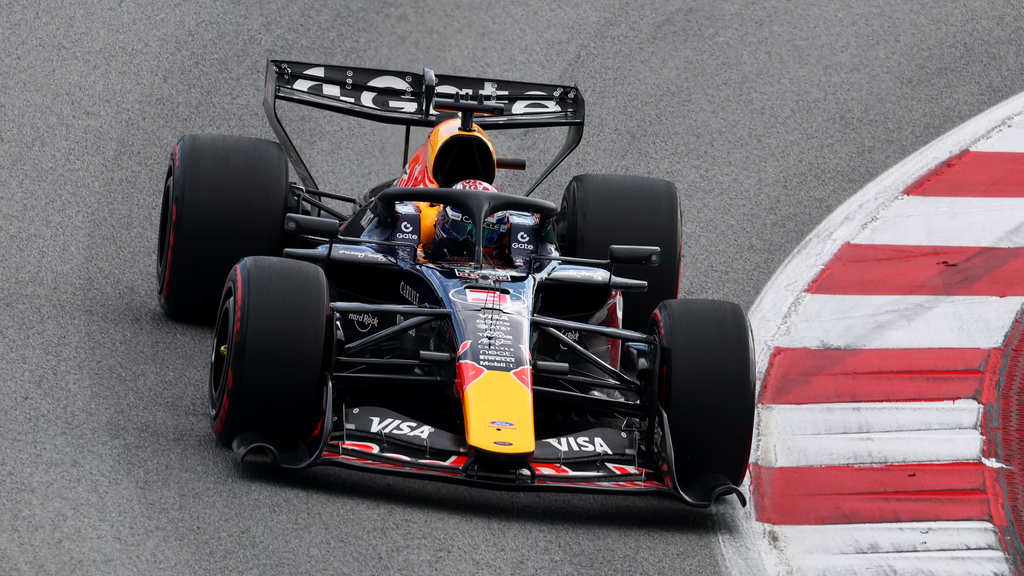
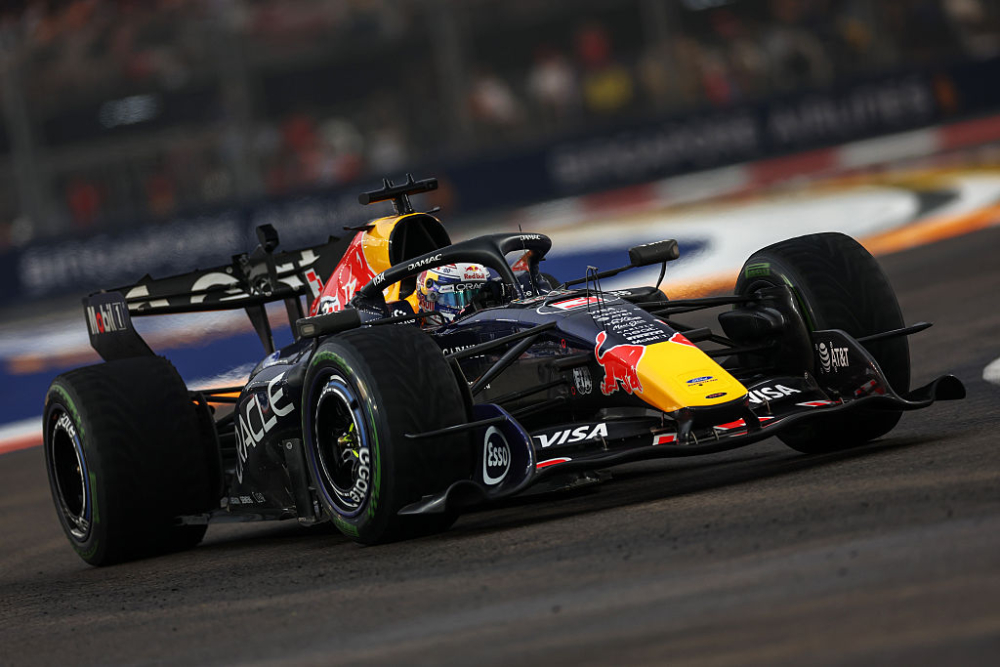
Verstappen’s second place in Hungary shows Red Bull remains a front-running threat. Monza traditionally rewards cars that produce downforce efficiently rather than simply producing a lot of it. If Red Bull can run very little wing while keeping the rear stable under braking, it could become difficult to pass even for a car with stronger race pace.
That is the central strategic truth of Monza: race pace is not useful if it cannot be converted into track position. A car that is three tenths faster over a lap can spend 15 laps trapped behind another car if the speed difference arrives in the wrong parts of the circuit. Teams will therefore judge setup not only by lap time but also by “raceability” — how well the car can attack, defend and follow.
The Dutch Grand Prix takes place on August 21–23, two weeks before Monza. Its result will update championship momentum, but Zandvoort’s high-downforce layout will still be a poor direct predictor of Monza performance. The best Monza evidence will come from FP1 and FP2 on September 4.
Qualifying Strategy: The Tow Can Be Worth More Than Track Evolution
Traffic management is part of the lap at MonzaMonza qualifying has a strategic layer that most circuits do not. The tow can be so valuable that drivers deliberately seek another car ahead, yet every driver wants enough space to attack the braking zones without being blocked. Too large a gap and the slipstream disappears. Too small a gap and the driver catches the car ahead before Ascari or Parabolica and loses far more time than the tow provided.
This is why out-lap timing can become chaotic. Drivers slow to create a gap, teams release cars into queues and everyone tries to cross the line before the session clock expires. The 2026 active-aero system adds another engineering variable, but the human problem remains familiar: the perfect tow requires cooperation from a car that has no reason to cooperate.
Grid position matters because the run to Turn 1 is long enough for cars behind to attack, but starting at the front still reduces the number of variables. A front-row driver controls the launch and has cleaner air. A driver starting fifth may gain a tow, yet also faces more cars converging under braking. Therefore, teams cannot simply trade qualifying performance for race setup and assume passing will be easy.
For readers who want the basic session format, see how F1 qualifying works and why grid position matters in racing. In 2026, the strategy focus should be on tyre preparation, tow timing, active-aero confidence and avoiding traffic rather than on old DRS-zone optimization.
Racecraft at Monza: Braking, Traction and Energy Management
The pass is often decided before the braking pointHeavy braking creates the visible overtaking moments, but a driver’s chance of passing is often decided on corner exit. If the car ahead gets better traction out of Parabolica, the attacker may never get close enough despite a tow. If the attacker exits one or two car lengths closer, Overtake Mode and the slipstream can turn that small difference into a full passing attempt at Turn 1.
Drivers therefore need to protect the rear tyres while remaining close. Overheating the rear axle to stay within the one-second window for three laps may create a short-term attack but damage the longer stint. The engineer has to decide whether the position is realistically available now or whether saving tyres for the pit phase creates a better opportunity.
Braking stability is just as important. Monza’s low wing levels reduce aerodynamic support under braking. Drivers attack kerbs to shorten the chicanes, but a car that bounces or locks a front tyre can lose several seconds, flat-spot a tyre or be forced into an unscheduled stop. The ideal race setup is therefore not the absolute lowest-drag package; it is the lowest-drag package the driver can still control consistently for 53 laps.
Energy management adds another layer. The 2026 regulations make electrical deployment central to overtaking. A driver who uses too much energy defending one straight may be vulnerable later in the lap. Conversely, harvesting aggressively while under pressure can invite an attack. Teams will model these trade-offs corner by corner, and the best drivers will alter the plan based on what the car ahead is doing.
Three Italian GP 2026 Strategy Scenarios
Practical models, not claimed race predictionsScenario 1: Low degradation, dry race — the classic one-stop
If Friday shows limited wear and Sunday temperatures stay manageable, the field should strongly prefer one stop. Medium starters would have freedom to pit once traffic clears, while Hard starters could extend deep into the race. Track position would become more important than theoretical tyre freshness, and teams might delay stops to protect against a Safety Car.
In this scenario, the undercut only works if the new Hard has enough warm-up and the pitting car exits into clean air. A driver in the lead group could deliberately extend the first stint even after the mathematical “optimum” lap because the risk of a second stop is so unattractive.
Scenario 2: Hot race, higher sliding — two-stop pressure appears
If track temperature is high and the 2026 cars slide on the low-downforce setup, degradation could rise enough to pull the stop window forward. The first sign would be lap time falling sharply before the fuel-corrected model predicts it. Teams would then face a choice: slow the pace to preserve the one-stop or use fresh tyres more aggressively and accept the possibility of a second stop.
This is where the Soft might become strategically useful late in the race. A driver who has completed a long first stint could fit C5 for a short final attack. Yet a two-stop remains difficult to justify unless the pace delta is large, because the green-flag time loss is so severe.
Scenario 3: Safety Car near the midpoint — strategy order can flip
A neutralization around the natural pit window is the scenario every strategist models. Medium starters who have not stopped can receive a cheaper switch to Hard. Hard starters may choose Medium or even Soft depending on remaining laps. Drivers who stopped shortly before the Safety Car may be trapped behind rivals who gained the discounted stop.
In that case, raw pace becomes less important than tyre availability. The teams that preserved the right compound in practice and qualifying can respond. That is why Friday’s tyre allocation decisions matter even if they receive little television attention.
Quick Strategy Answers for the 2026 Italian Grand Prix
Short answers to the questions fans search mostMonza is usually a one-stop race in dry conditions because tyre degradation can be modest and a full green-flag pit stop costs a large amount of race time. A two-stop becomes more attractive if degradation rises sharply, a Safety Car reduces pit loss, or a driver needs fresh tyres to recover from damage or traffic.
There is no DRS in Formula 1 in 2026. Active front and rear aerodynamics reduce drag on straights, while Overtake Mode provides the regulated electrical passing aid for an eligible following car. Slipstream still matters greatly at Monza, so the overall passing battle remains heavily dependent on straight-line speed.
Teams trim aerodynamic drag at Monza because the circuit contains several very long straights and relatively few corners. Lower drag increases straight-line speed and reduces the time spent accelerating toward top speed. The compromise is less braking stability and corner grip, so teams need enough downforce to keep the car predictable.
The fastest 2026 strategy cannot be confirmed until practice establishes degradation and compound pace. Before the weekend, a one-stop using Medium and Hard is the most logical reference. Hard-to-Medium provides more Safety Car flexibility, while Soft becomes an option if it can survive a useful opening or closing stint.
Italian Grand Prix 2026 Strategy FAQ
Four key questions before race weekendConclusion: Monza 2026 Will Reward Efficiency More Than Aggression
The strategy picture before September 4The Italian Grand Prix 2026 strategy battle is likely to be built around four connected ideas: reduce drag without destroying braking stability, use the slipstream intelligently, manage Overtake Mode and electrical energy, and avoid paying for an unnecessary second pit stop.
Pirelli has already removed one major unknown by confirming the C3 Hard, C4 Medium and C5 Soft. The next decisive information will arrive in FP1 and FP2, when teams measure degradation, warm-up and long-run pace on the 2026 cars. If those runs resemble 2025 and degradation remains very low, expect the race to move toward a patient one-stop with flexible timing. If the new cars slide more, tyre temperature rises or Sunday is unusually hot, the stop window can move forward and a second stop becomes less unrealistic.
The biggest rules change for fans to remember is that DRS is gone. Monza’s passing battle now combines natural slipstream, active aerodynamics and Overtake Mode. That makes the Temple of Speed an ideal circuit for judging whether Formula 1’s new 2026 overtaking concept works when straight-line performance matters most.
For now, the correct strategy call is not a fake lap number. It is a framework: one stop first, Medium and Hard as the baseline, Soft as a situational weapon, and track position as the currency teams will protect until the race gives them a reason to change course.
What to watch when practice begins
Watch the fuel-corrected long runs in FP2, not only the fastest lap. The useful clues will be the gap between C4 and C3, whether C5 can survive beyond a short run, how quickly the Hard warms after a stop simulation, and whether cars can follow closely through Ascari and Parabolica without overheating the tyres. Those four answers will tell us far more about Sunday than a headline practice position.
Sources
- Formula 1 — 2026 Italian Grand Prix official event page (dates, circuit length, laps and race distance).
- FIA — F1’s New Era / 2026 regulations explainer (active aero and Overtake Mode).
- Pirelli Motorsport — 2026 tyre information and Monza compound nomination (C3, C4, C5).
- Formula 1 / Pirelli — 2025 Italian GP Friday tyre analysis (historical Monza degradation and one-stop reference).
Article status: pre-race analysis published August 19, 2026. Race-weekend variables such as final weather, grid order, exact pit windows and team tyre allocations are intentionally not presented as confirmed before the event.