Charles Leclerc Crashes Out of the 2026 Monaco Grand Prix
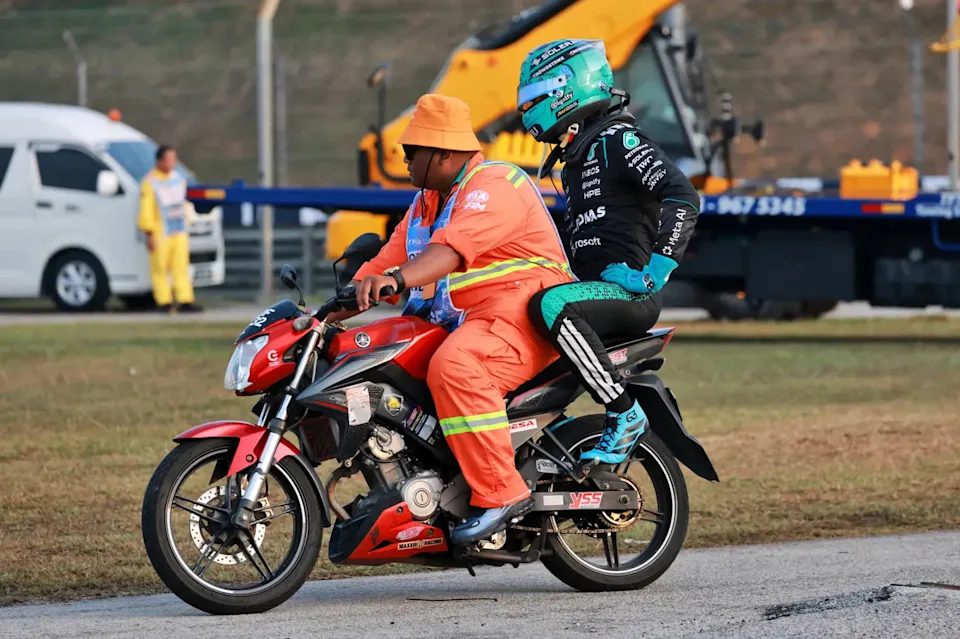
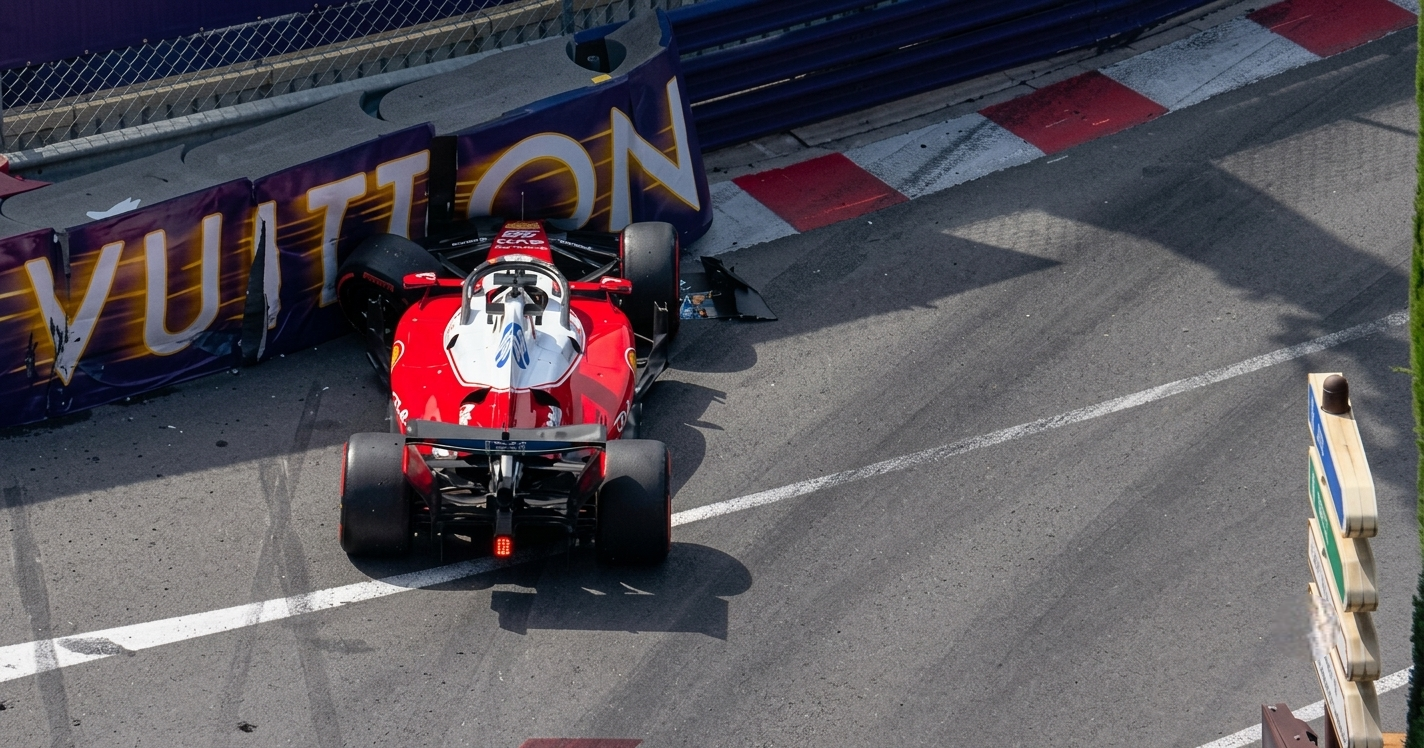
Running third at home with ten laps to go, Leclerc hit the wall at Anthony Noghès on the safety car restart — the same corner that had claimed Lance Stroll just five laps earlier. The brakes, he said. The data confirmed it.
Charles Leclerc Crashes Out of the 2026 Monaco Grand Prix
Third place, ten laps left, safety car restart — then the wall. Brake failure at Anthony Noghès ends Leclerc’s home race in bitter heartbreak.
Charles Leclerc crashed out of the 2026 Monaco Grand Prix on lap 65, slamming his Ferrari into the barrier at the Anthony Noghès corner — the final turn before the pit straight — during the safety car restart triggered by Lance Stroll’s accident moments earlier. He was running third in his home race. There were ten laps left. The brakes, Leclerc said immediately on team radio, were undriveable. Post-race data backed him up.
The crash triggered a red flag, brought the FIA out to inspect a track surface that had now claimed two cars at the same corner in five laps, and handed Isack Hadjar an inherited podium. For Leclerc, it was another chapter in what has become an agonising relationship between him and Monaco — the race held, as the calendar so cruelly reminds us, in his own principality.
The Crash: What Happened at Anthony Noghès
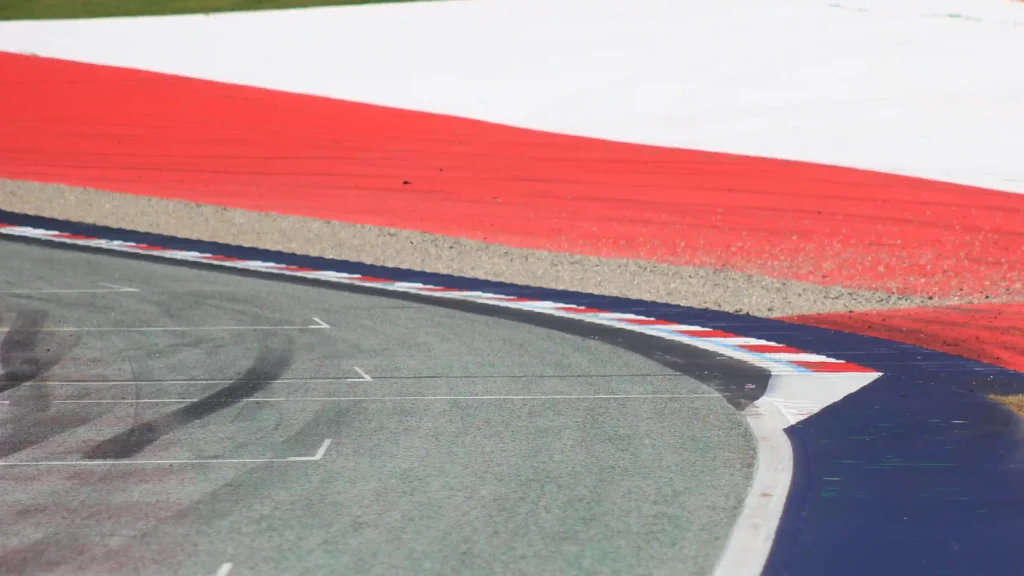
The sequence that ended Leclerc’s race began five laps earlier with Lance Stroll. The Aston Martin driver went into the barrier at Anthony Noghès — Monaco’s final corner, a tight right-hander that feeds onto the pit straight — on lap 60, deploying the safety car and erasing the 30-second gap Kimi Antonelli had built over the field. Stroll was unharmed; the corner had other ideas for whoever came next.
Under the safety car, brake and tyre temperatures plummeted. On Monaco’s narrow streets, cars can barely maintain enough speed to keep heat in the rubber during a neutralisation, and the braking systems cool rapidly without the sustained deceleration of race pace. Leclerc had already warned his engineers he was unhappy with how the car was feeling, and Ferrari added a layer of frustration by pitting him behind Lewis Hamilton — who had a five-second penalty for pit lane speeding hanging over him — rather than using the stop to jump track position.
On the restart lap — lap 65 of 78 — Leclerc came through the swimming pool section and prepared for Anthony Noghès. He had already told his engineers the safety car pace was too slow and conditions were difficult. At the corner, the brakes did not respond as expected. The Ferrari went straight, into the barrier, in exactly the spot Stroll had hit minutes before.
The red flag came out immediately. Race Control suspended the grand prix to assess the track surface, which was visibly breaking up at the impact point.
Ferrari confirmed post-race they would review the data. Leclerc was unequivocal in his interview with Canal+ that the issue was mechanical, not driver error — and that the data backed that reading. The track surface, which had been under scrutiny all weekend, was also placed under investigation by the FIA, though Leclerc rejected that explanation for his own crash specifically.
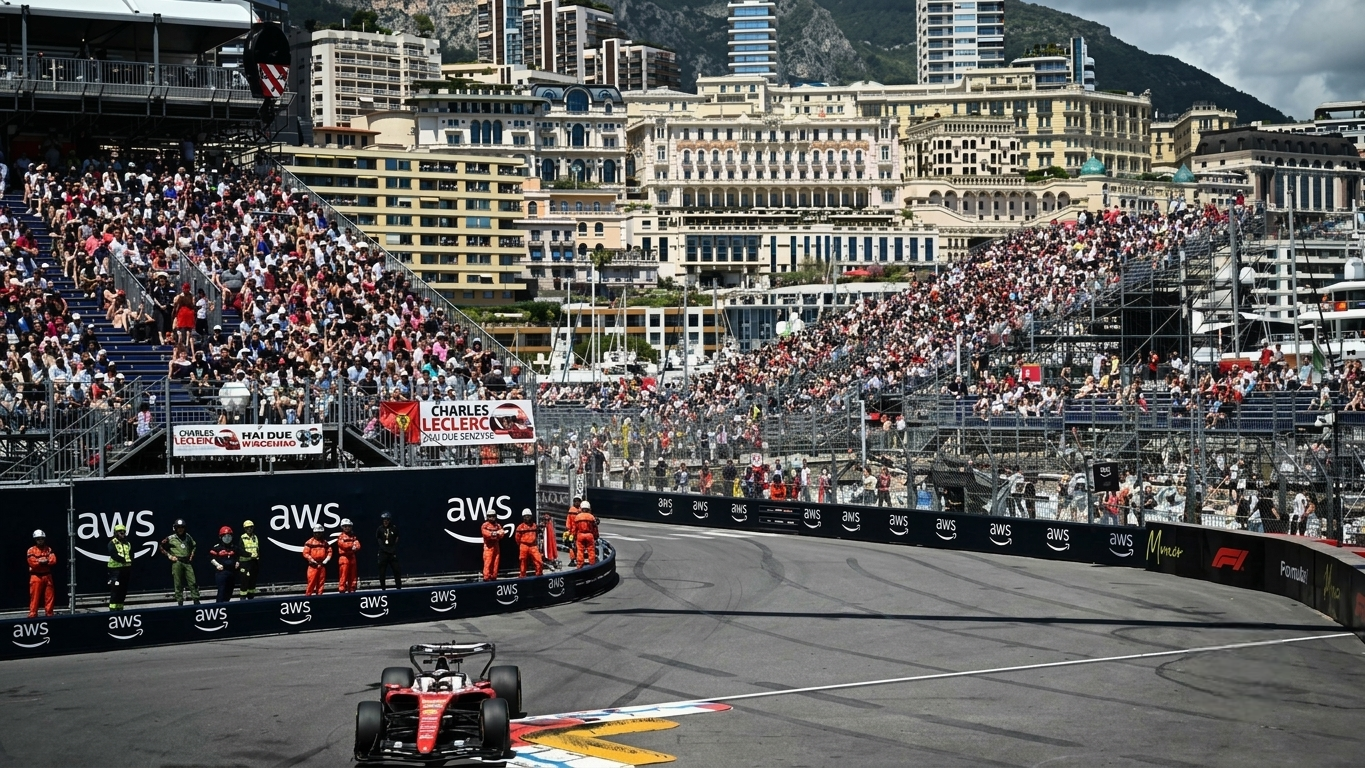
After the crash, Leclerc spoke to Canal+ in barely contained fury: “I’m not one to make excuses, and I’m the first to admit when I’m being a jerk and going too far. Right now, I don’t necessarily want to talk, because I’m afraid of being too harsh in my words. That’s unacceptable.” He added that the brake problem had been present across multiple races, making the Monaco retirement part of an ongoing technical issue rather than a one-off.
Understanding brake balance in F1 helps put this in context: during a safety car period, teams actively manage the brake bias to compensate for temperature loss, and the restart lap is one of the most demanding moments in the car. If the system has a fault — hardware or calibration — the restart is exactly when it will reveal itself, at the worst possible corner.
How the Race Unfolded Before the Drama
Kimi Antonelli had the race under total control long before Stroll and Leclerc’s crashes turned the afternoon chaotic. The 19-year-old Mercedes driver started from pole and immediately built a cushion as the first lap reshaped the field behind him: Max Verstappen — starting second — lost power off the line at Sainte-Dévote, rolled slowly away, and was eventually retired with a confirmed mechanical failure. That handed second to Hamilton, who had moved cleanly through, and promoted Leclerc to third.
From that point until lap 60, Antonelli controlled the race with the authority of someone who had already won four grands prix in 2026. He lapped the entire field up to third place, building a lead of more than 30 seconds over Hamilton. Monaco’s reputation as a circuit where overtaking is impossible and position is everything was working entirely in the young Italian’s favour.
The Penalty Chaos Behind the Leader
Behind the front three, the race degenerated into a penalty-strewn afternoon that will test the patience of anyone who tracks the regulations. A total of six pit lane speeding violations were issued across the field — Hamilton was one of them, picking up a five-second penalty during his stop under the Stroll safety car. Ferrari’s decision to pit Leclerc in the same window, behind a Hamilton who carried that penalty, was the strategic call that most infuriated the Monegasque. How pit stops work in racing — and specifically how track position at Monaco is almost impossible to recover — explains why losing even one place in the pit cycle can be decisive.
Pierre Gasly also received a penalty for pit lane speeding during the red flag restart, which cost him a potential podium. George Russell, who had been a consistent presence in the midfield, accumulated enough problems — including his own speeding penalty — to finish 13th, a particularly bruising result given Antonelli’s dominant win.
Saturday was already painful: Leclerc crashed his Ferrari SF-26 in Q3 at Tabac, losing control mid-lap after a brief provisional pole position, and ended up starting fourth. Then in the race, he recovered to third before the brake issue ended everything. Two crashes in two days at his home race. His post-race comment — “Things will be different for Barcelona. I hope to rediscover my feeling with the car” — said everything about the mood.
After Leclerc’s crash brought out the red flag, the race was suspended for just over 30 minutes while the FIA inspected and repaired the track surface at Anthony Noghès. The standing restart — Monaco’s second in the afternoon — gave Antonelli a clean run to the line, with Hamilton second and Hadjar inheriting third after Gasly’s penalty.
2026 Monaco Grand Prix — Final Classification
| Pos | Driver | Constructor | Status / Note |
|---|---|---|---|
| 1 | Kimi Antonelli | Mercedes | Race Winner — 5 straight wins |
| 2 | Lewis Hamilton | Ferrari | 5 sec pit lane penalty absorbed |
| 3 | Isack Hadjar | Red Bull | Inherited — Gasly penalised |
| 13 | George Russell | Mercedes | Penalty-disrupted race, no points |
| — | Charles Leclerc | Ferrari | DNF · Lap 65 · Brake issue · Anthony Noghès |
| — | Lance Stroll | Aston Martin | DNF · Lap 60 · Crashed at Anthony Noghès |
| — | Max Verstappen | Red Bull | DNF · Lap 1 · Engine problem at start |
Table shows selected positions. Full official classification: Monaco GP 2026 race report. Red rows = DNF.
Analysis: Leclerc, Monaco, and a Pattern Ferrari Cannot Ignore
Set aside the emotional weight of Monaco for a moment — the home crowd, the grandfather’s legend, the years of near-misses — and what you’re left with is a structural technical problem that Ferrari has not resolved across multiple race weekends. Leclerc said explicitly that the brake issue had been present in the two previous races. A driver losing confidence in his brakes at the most demanding braking points on the calendar is not a one-weekend story. It is a design, calibration, or reliability problem that needs fixing before Barcelona.
The Safety Car Restart Problem
The safety car restart is one of the most physically demanding moments in an F1 race. Brake temperatures drop to perhaps a third of their operating window during a long neutralisation, particularly at Monaco where speeds are low enough that even circulating slowly is barely sufficient to maintain thermal stability. When the leader accelerates and the restart begins, drivers ask maximum deceleration from cold systems. A brake-by-wire system with any anomaly in its calibration — or a hardware issue on the caliper — will find that moment. Anthony Noghès is a late, heavy braking zone with limited run-off and a concrete wall. The combination is unforgiving.
The fact that both Stroll and Leclerc crashed at the same corner in the same conditions five laps apart points to a circuit-surface issue that compounded matters. The FIA’s decision to red-flag and resurface supports that reading. But Leclerc was clear he had identified the problem separately through his data, and that it was not the tarmac that caught him. Both things can be true: a compromised surface makes a difficult corner worse, and a car with a brake issue will find the compromised surface first.
Hamilton finished second, which means Ferrari still scored points at Monaco — but the constructors’ battle with Mercedes is being shaped by exactly these moments where Leclerc’s car fails to deliver when it should. With Antonelli’s fifth consecutive win extending his championship lead to 66 points, the gap from Ferrari’s fastest car to the championship leader is becoming structurally significant. The next target is the Spanish Grand Prix at Barcelona, where Leclerc said he hopes to “rediscover his feeling with the car.”
Monaco’s Psychological Weight on Leclerc
This is the race that has defined — and tortured — Leclerc’s career more than any other. He lives in the principality. His family is woven into its motorsport fabric. His grandfather Hervé was an official at the circuit. And for several years, Monaco has responded to that expectation with exactly the kind of heartbreak that sends fans and commentators reaching for words like “cursed.” Martin Brundle, watching from the Sky Sports F1 commentary box, put it bluntly: “Dear oh dear Charles. Leclerc is angry with himself. That puts Hadjar onto the podium.”
The key distinction here — and this is what separates analysis from narrative — is that Monaco 2026 was not Leclerc’s error. The brake data exonerates him. The anger in his radio transmission was not directed inward; it was directed at engineering failures that have persisted across race weekends. That distinction matters for how Ferrari approaches the Spanish GP and beyond. For more on how crashes happen in motor racing and the role of mechanical failure versus driver error, our explainer covers the full picture.
What Monaco 2026 adds to the Leclerc file is something new: for the first time, he crashed out of his home race not through a misjudgement under pressure, but through a demonstrable technical failure. The story is the same — the wall, the helmet, the crowd, the silence — but the cause is different. Ferrari, not Leclerc, has to fix this one.
Frequently Asked Questions
The honest read on Leclerc and Monaco 2026
There will be plenty of people reaching for the word “cursed.” It is more useful to reach for “brake-by-wire calibration failure.” Leclerc did not crash out of Monaco because fate had it in for him. He crashed because his car’s braking system failed to respond correctly at the most demanding restart moment, at the least forgiving corner, of the season’s most emotionally loaded race.
Ferrari has a problem to fix. It is a specific, data-confirmed technical problem, not a narrative about Monaco being cruel. The distinction matters because one has a solution and one does not. The data Leclerc cited post-race is Ferrari’s starting point. Whether they solve it before Barcelona will tell us more about the 2026 constructors’ championship than almost anything else this season.
Full coverage of the Spanish Grand Prix — and Leclerc’s next attempt to “rediscover his feeling with the car” — will be on worldofspeed.org from Thursday.