Why Do Car Brands Join Formula 1?
Formula 1 gives automakers a global marketing stage, an unforgiving engineering laboratory and a powerful way to define what their brand stands for.
Car brands enter Formula 1 for global exposure, engineering development, brand prestige, employee recruitment and access to road-relevant hybrid, software and sustainable-fuel research.
A Formula 1 program is expensive, public and technically brutal. That is exactly why major automakers want one.
Formula 1 places a manufacturer beside the world’s fastest racing cars. It also exposes every weakness before a global audience.
However, the risk comes with unusual rewards. A successful program can reshape how customers view an entire company.
The sport reaches 827 million fans worldwide, according to Formula 1’s 2025 review. Moreover, 43% of that audience is under 35.
Women account for 42% of the fanbase. Therefore, F1 reaches far beyond the traditional image of male performance-car buyers.
The marketing opportunity is only one reason. Manufacturers also use the sport to develop engineers, software and high-performance processes.
The 2026 regulations strengthened that case. Electrical output rose sharply, while every car began using advanced sustainable fuel.
In addition, the MGU-H disappeared. Power-unit financial regulations also gave boards more cost certainty.
Those changes helped attract Audi, Ford and Honda. General Motors is preparing its own Cadillac power unit for 2029.
Toyota chose a different path. It returned through a technical partnership with Haas before becoming title sponsor in 2026.
Consequently, there is no single answer to why do car brands join Formula 1. Each company chooses a model that fits its goals.
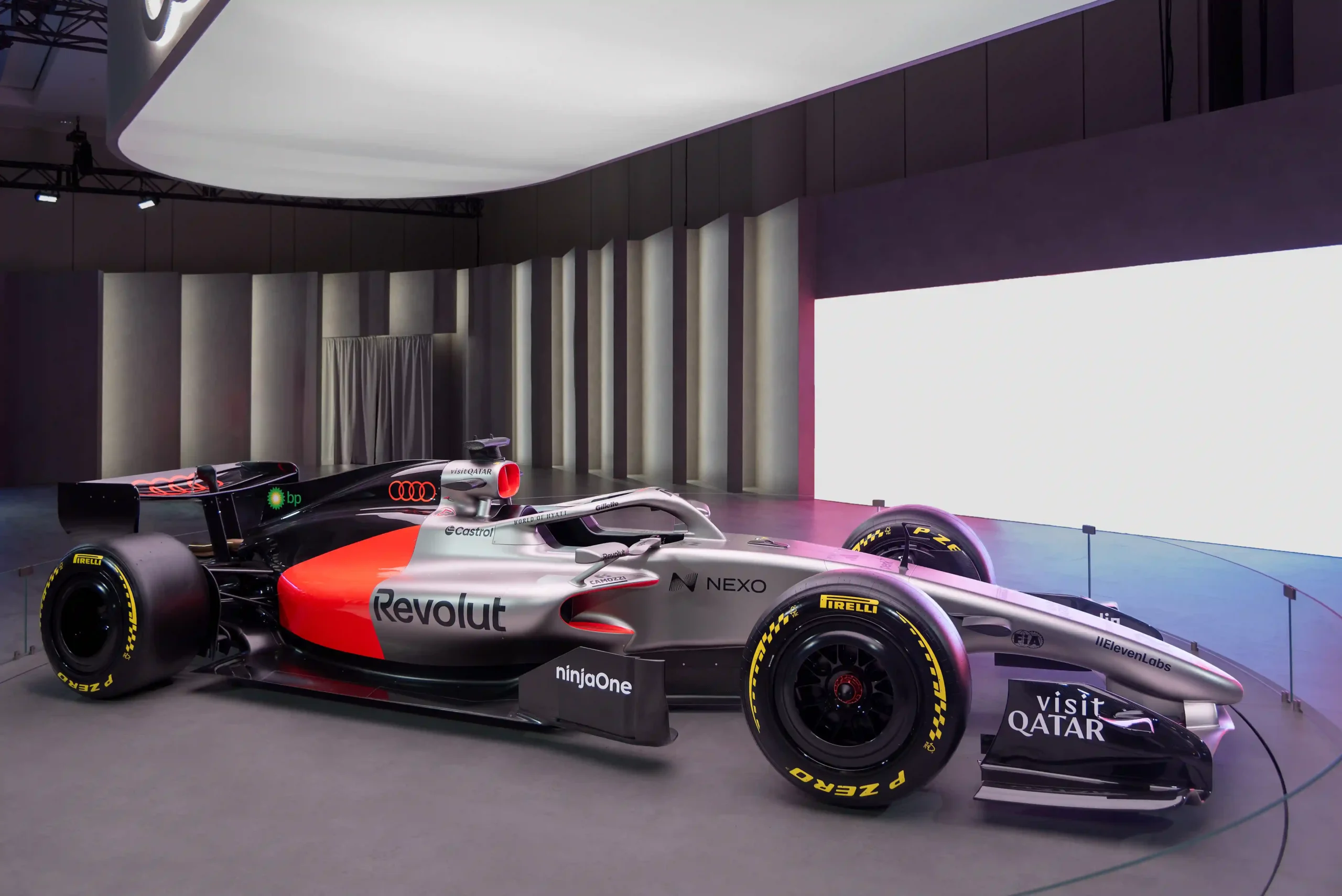
Audi owns a works team and builds its power unit. Ford supplies expertise to Red Bull Powertrains.
Honda has an exclusive works relationship with Aston Martin. Toyota uses Haas for people, data and vehicle-development experience.
This article explains every major benefit and risk. It also separates real technology transfer from advertising language.
The Direct Answer: Marketing, Technology and Corporate Ambition
They gain international exposure, performance credibility, engineering knowledge, recruitment power, commercial partnerships and a visible platform for future technology.
The simplest answer is that Formula 1 compresses several corporate goals into one program.
A manufacturer can advertise globally. Meanwhile, its engineers solve problems under extreme time pressure.
The company can also recruit talented graduates. In addition, it can entertain customers and suppliers at major international events.
Formula 1 Makes a Brand Easy to Understand
Automotive companies sell complex products. Customers rarely study every battery cell, control system or aerodynamic coefficient.
Racing provides a simple message. The brand competes at the highest level and accepts public comparison.
The Sport Creates Proof, Not Just Claims
Any manufacturer can describe itself as innovative. Formula 1 forces that claim onto the stopwatch.
However, poor results create the opposite message. Therefore, manufacturers enter only when the expected reward justifies the risk.
Different Brands Want Different Outcomes
Ferrari treats F1 as part of its identity. Audi uses it as a new global technical and marketing platform.
Ford contributes specialist knowledge without owning a chassis team. Toyota uses Haas to develop people and data systems.
Manufacturers do not enter Formula 1 for one reason. They enter because one racing program can influence brand, engineering, staff, customers and investors at the same time.
1. Formula 1 Is a Global Automotive Marketing Platform
It places a manufacturer’s name, colors and technology story before a large international audience throughout a long season.
A traditional advertising campaign needs repeated media purchases. Formula 1 generates content every week during the season.
Practice, qualifying and races all create stories. Drivers then carry those stories into interviews and social media.
The Car Becomes a Moving Billboard
Logos appear on television, digital clips and photographs. More importantly, the manufacturer becomes part of the sporting narrative.
A strong result produces earned media. Therefore, one podium can create coverage that normal advertising cannot easily buy.
The Calendar Supports International Markets
Formula 1 visits major automotive regions. Europe, North America, Asia and the Middle East all appear on the calendar.
Consequently, manufacturers can support dealers and distributors in many countries. A race weekend can become a local product campaign.
Drivers Give the Brand a Human Face
Cars are technical objects. Drivers create personality, emotion and loyalty.
Manufacturers use them in launches, advertisements and customer events. However, the driver’s reputation can also affect the brand.
Hospitality Adds Business Value
Formula 1 paddocks attract executives, suppliers and investors. Manufacturers can host decision-makers in a premium environment.
Therefore, the commercial return is not limited to retail car buyers. Business-to-business relationships matter too.
2. The F1 Audience Is Young, Global and Increasingly Diverse
Formula 1 reported 827 million fans in 2025, with 43% under 35 and 42% female. That mix helps brands reach future buyers across many markets.
The size of the audience matters. Its composition matters even more.
Automakers need customers for future vehicles, not only current models. Younger fans offer long-term brand-building potential.
F1 Reaches Future Premium Customers
Many young fans cannot buy a high-performance car today. However, brand preference often forms years before purchase.
Consequently, an F1 program can influence future consideration. That effect is difficult to measure but commercially valuable.
The Sport Has Expanded Beyond Traditional Enthusiasts
Formula 1’s female fanbase reached 42% in 2025. Digital content also brought in viewers who did not grow up around motorsport.
Therefore, a manufacturer can reach lifestyle and technology audiences. It is not limited to mechanical enthusiasts.
Sold-Out Events Strengthen Local Activation
Formula 1 reported that 19 of 24 events sold out in 2025. Total attendance reached 6.7 million.
Those crowds create product displays, test-drive leads and dealership events. Moreover, they generate large volumes of social content.
Sponsors Influence Buying Behavior
Formula 1 said 76% of surveyed fans believed partners improved the experience. One in three reported greater purchase likelihood.
That does not guarantee a vehicle sale. However, it shows that commercial association can change consideration.
3. Formula 1 Creates a Performance and Technology Halo
It is the positive reputation that racing performance can transfer to a manufacturer’s road cars, engineering image and premium products.
A brand may sell SUVs, sedans and electric vehicles. Formula 1 can still make the entire range appear more advanced.
This effect is called a halo. The race car influences products that share few physical parts with it.
Winning Creates Technical Credibility
A championship suggests strong engineering and operations. Customers may then trust the company’s performance products more.
However, the link is emotional rather than scientific. A winning F1 car does not prove every road car is better.
Even Participation Can Reposition a Brand
Audi entered Formula 1 without previous championship history. Its entry immediately connected the brand with modern hybrid racing.
Cadillac uses F1 to support a more international performance image. Consequently, entry itself can change perception.
Heritage Multiplies the Effect
Ferrari’s racing identity supports its road-car exclusivity. Ford can connect its return with decades of engine success.
Honda can reference both historic victories and modern hybrid championships. In addition, Toyota can rebuild an F1 connection through Haas.
Failure Also Creates a Negative Halo
A slow car becomes a weekly public story. Reliability failures can challenge claims of technical excellence.
Therefore, Formula 1 is not safe advertising. The manufacturer accepts reputational exposure as part of the deal.
4. Does Formula 1 Actually Sell Road Cars?
It can improve awareness, consideration and pricing power, but direct sales attribution is difficult. The strongest effect usually appears in brand image and premium performance models.
The old phrase says, “Win on Sunday, sell on Monday.” Modern automotive buying is more complex.
A customer may see an F1 result, watch online content and visit a dealer months later. Marketing teams rarely isolate one cause.
Formula 1 Works Best as Long-Term Brand Building
A season creates repeated exposure. Several seasons can establish a durable performance identity.
Therefore, manufacturers usually judge results over years. One race win does not transform global sales overnight.
Halo Models Carry the Strongest Link
Sports cars and performance trims can reference racing directly. Limited editions also create collector interest.
However, family vehicles benefit indirectly. The badge gains excitement even when the product has no racing technology.
Dealers Can Activate the Program
Local dealers host viewing events and promotions. They can also display race-inspired vehicles.
Consequently, Formula 1 becomes useful sales material. The factory program gives retailers a reason to contact customers.
Results Are Only Part of the Sales Story
A popular driver or strong content strategy can deliver value without championships. Meanwhile, poor activation can waste a winning season.
Manufacturers need advertising, dealers and digital campaigns around the team. The race program alone is not enough.
5. Formula 1 Is an Engineering Laboratory, but Not a Parts Catalog
Yes, mainly through knowledge, software, materials, energy management and development methods. Direct transfer of complete F1 parts is uncommon.
Road cars and Formula 1 cars have different costs, lifespans and regulations. A race component may survive only a few events.
Therefore, direct part transfer is limited. The valuable transfer often happens in methods and knowledge.
Energy Management Has Road Relevance
Modern F1 power units combine combustion and electrical power. Engineers must decide when to harvest, store and deploy energy.
Those control principles matter in hybrid vehicles. Moreover, battery temperature and power delivery are major road-car challenges.
Lightweight Materials Improve Manufacturing Knowledge
Formula 1 uses advanced carbon composites and rapid production. Manufacturers learn about quality control and structural optimization.
However, expensive race materials may not suit mass production. The process knowledge can still reduce weight elsewhere.
Thermal Efficiency Matters
F1 engines extract extraordinary performance from limited fuel. That work improves combustion understanding and cooling systems.
Sustainable fuel research adds another path. Manufacturers can study fuel behavior under extreme loads.
Simulation Speeds Development
Testing restrictions force teams to rely on digital tools. Wind tunnels, simulators and computational models must correlate with reality.
Consequently, F1 improves virtual development skills. Those methods are increasingly important in road-car engineering.
For the technical foundation, read how a Formula 1 race car works, what ERS does and how the F1 energy store works.
6. Software, Data and Operating Speed May Be More Valuable Than Hardware
Teams collect large data sets, make rapid decisions and validate control systems under pressure. Manufacturers can transfer those methods across engineering departments.
Modern Formula 1 is a software competition. Every car produces vast streams of performance data.
Engineers analyze that information during sessions. They then change setup, strategy and control parameters quickly.
Decision Speed Becomes a Corporate Skill
A normal vehicle program may use long approval chains. Formula 1 cannot wait.
Therefore, teams develop fast review and validation systems. Manufacturers can apply similar processes to other programs.
Control Software Connects the Power Unit
The combustion engine, battery and electric motor must work as one system. Software manages that interaction.
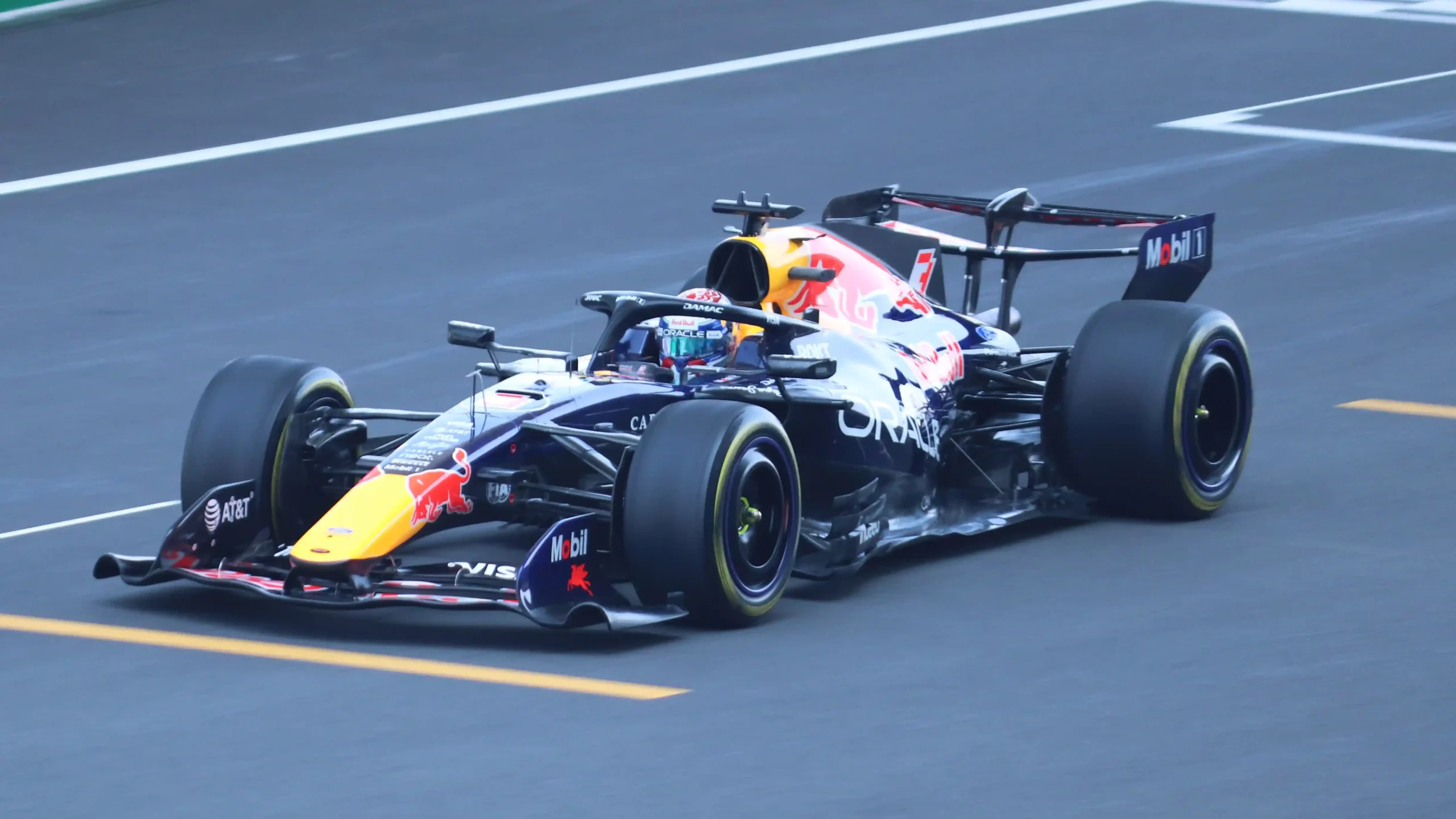
Ford specifically identified control software and analytics as contribution areas with Red Bull Powertrains. That is direct evidence of manufacturer interest.
Digital Twins Reduce Physical Testing
A digital model can predict behavior before parts exist. Teams then compare simulation with track data.
As a result, errors are found earlier. This same approach can shorten road-car development.
Cybersecurity and Reliability Also Matter
Race systems must operate across global locations. Data must remain accurate and secure.
Consequently, F1 develops resilient technical networks. Those lessons support connected vehicles and international engineering teams.
7. Formula 1 Helps Manufacturers Recruit and Train Exceptional People
It gives manufacturers a prestigious project that attracts graduates and specialists in software, batteries, aerodynamics, materials and manufacturing.
Automakers compete for technical talent. Technology companies and aerospace businesses often target the same graduates.
Formula 1 gives an automotive employer a visible challenge. The project can make a company more attractive.
Young Engineers Want Difficult Work
F1 offers immediate feedback. A design succeeds or fails in public.
Moreover, development cycles are extremely short. This environment appeals to ambitious engineers.
Specialists Can Build Broader Skills
Battery engineers work with vehicle dynamics and software teams. Manufacturing specialists must understand aerodynamic deadlines.
Consequently, people learn across departments. That knowledge can later return to production programs.
Toyota Made People Development a Central Goal
Toyota described its Haas partnership through “People, Pipeline and Product.” Drivers, engineers and mechanics receive F1 experience.
The program also teaches rapid data use. Therefore, Toyota’s return is not simply a logo exercise.
Driver Programs Support Brand Identity
Manufacturers can develop young drivers and create national heroes. Those drivers then strengthen marketing in home markets.
However, driver development is expensive and uncertain. Only a small number reach Formula 1.
8. Works Team, Engine Supplier or Technical Partner?
A works team controls or closely integrates the chassis and power unit under one manufacturer-backed program.
Car brands do not need to enter Formula 1 in the same way. The structure depends on cost, control and risk.
| Participation Model | Control Level | Example in 2026 | Main Benefit |
|---|---|---|---|
| Full works team | Highest | Audi | Integrated chassis, power unit, identity and technical direction |
| Works power-unit partnership | High | Aston Martin Honda | Bespoke integration without Honda owning the chassis team |
| Strategic power-unit partnership | Medium to high | Red Bull Ford Powertrains | Shared expertise with controlled brand exposure and lower ownership risk |
| New team using customer engines | Growing | Cadillac with Ferrari power | Early grid entry while building an in-house 2029 power unit |
| Technical and title partnership | Targeted | Toyota Gazoo Racing Haas | People, data and development benefits without full team ownership |
| Customer engine supplier | Specialist | Ferrari and Mercedes | Wider technical data, commercial relationships and grid influence |
Works Status Gives Control
Audi can design the chassis and power unit around one concept. That reduces compromise.
However, the manufacturer also owns every failure. A full works program carries the largest cost and reputational risk.
A Partnership Spreads Risk
Ford contributes expertise while Red Bull operates the power-unit organization. Honda supplies Aston Martin without buying the team.
Therefore, each brand gains influence without identical ownership exposure. This flexibility attracts different corporate boards.
Technical Partnerships Can Be Strategic
Toyota can train staff and learn F1 data systems through Haas. It does not need to build a complete team.
Consequently, a lower-control model can still deliver valuable knowledge. Full ownership is not always the best answer.
9. Why the 2026 Rules Attracted Manufacturers
They increased electric power, introduced advanced sustainable fuel, removed the complex MGU-H and added power-unit financial controls.
Manufacturers rarely enter during technical uncertainty. They need a clear rule cycle and enough road relevance.
The 2026 package gave them both. It also reset the competitive field.
Electrical Output Nearly Tripled
The MGU-K rose from 120kW to 350kW. That moved the power balance toward roughly half electric output.
Therefore, battery, motor and energy-control knowledge became more important. This aligned with automotive electrification programs.
The MGU-H Was Removed
The old component recovered heat energy from the turbo system. It was highly specialized and difficult to master.
Removing it reduced complexity for newcomers. Consequently, the entry barrier became more manageable.
Advanced Sustainable Fuel Added Relevance
Every 2026 car uses fuel made without new fossil carbon. Formula 1 describes it as a drop-in solution.
This appeals to manufacturers balancing electric vehicles with a global combustion fleet. Fuel research can support emissions reduction beyond racing.
Financial Rules Improved Cost Certainty
Power-unit development has separate financial regulations. Boards can therefore forecast investment more clearly.
Audi specifically cited cost control as an attraction. However, an F1 power-unit program remains enormously expensive.
A Reset Creates Competitive Opportunity
Existing manufacturers lose some historical advantage when rules change. New entrants can start closer to the same baseline.
That does not guarantee success. Nevertheless, it creates a rational entry window.
10. Why Audi Joined Formula 1
Audi cited the sport’s global platform, engineering challenge, increased electrical power, sustainable fuel and power-unit cost controls.
Audi announced its entry in 2022 and debuted as a full works team in 2026. It took over Sauber and built its own power unit.
The project links chassis operations in Hinwil with power-unit development in Neuburg. It also uses a technical base in the United Kingdom.
Audi Wanted Full Control
A works structure allows integrated decisions. The engine, cooling system and bodywork can develop together.
Consequently, Audi avoids the compromises of a customer relationship. It also owns the full brand story.
The Global Stage Fits Audi’s Positioning
Formula 1 operates in premium automotive markets. Audi can present itself beside Ferrari, Mercedes and Aston Martin.
Moreover, the sport reaches younger consumers. That supports Audi’s long-term transformation.
The Technical Rules Matched Corporate Direction
Audi described Formula 1 as a development laboratory. Increased electrical output and sustainable fuel were key factors.
Therefore, the project can support both marketing and engineering. The manufacturer does not need to choose only one benefit.
The Risk Is Immediate Public Comparison
Audi entered against experienced rivals. New teams rarely win quickly.
However, progress itself can build credibility. A disciplined long-term program may matter more than first-season results.
11. Why Ford Returned With Red Bull
Ford returned because the 2026 rules emphasized sustainable fuel and advanced hybrid technology, while Red Bull offered a competitive technical partnership.
Ford left Formula 1 after the 2004 season. It returned in 2026 through Red Bull Powertrains.
The agreement runs through at least 2030. It supplies both Red Bull teams.
Ford Brings Specific Technical Skills
The company identified battery-cell technology, electric motors, control software and analytics. It also contributes where combustion expertise adds value.
Therefore, the partnership is more than badge placement. Ford has defined engineering responsibilities.
Red Bull Provides a Ready Competitive Platform
Building a new chassis team would take years. Red Bull already has factories, drivers and championship experience.
Consequently, Ford gains immediate visibility. It avoids the full cost of buying and operating a team.
The U.S. Market Strengthens the Business Case
Formula 1 has expanded rapidly in America. Ford can activate the partnership across domestic dealers and performance products.
In addition, Red Bull has a large digital audience. That reach helps Ford connect with younger fans.
Historic Success Gives the Return Authenticity
Ford-powered cars won across several eras. The Cosworth DFV became one of F1’s most important engines.
Therefore, the return can use heritage without feeling artificial. Modern hybrid work adds a future-facing story.
Explore the Red Bull Racing profile and American performance-car history.
12. Why Honda Returned With Aston Martin
Honda returned because the 2026 rules aligned with its carbon-neutral and electrification goals, while Aston Martin offered an exclusive works partnership.
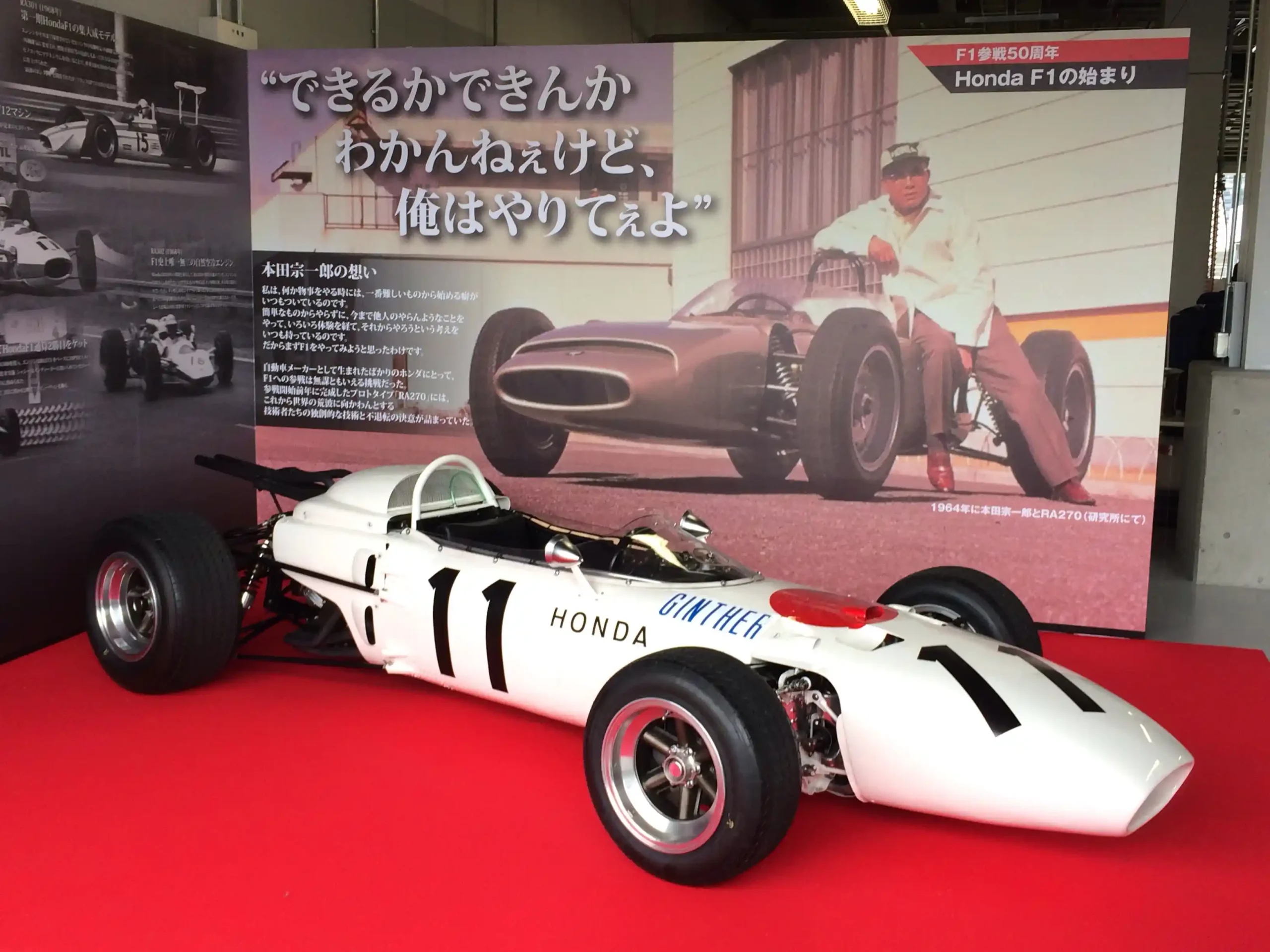
Honda announced its withdrawal in 2020 and officially left after 2021. It continued technical support for Red Bull through 2025.
The 2026 rules then changed the strategic calculation. Honda committed to a full manufacturer return with Aston Martin.
Electrification Was a Central Reason
Honda highlighted the need for compact electric motors, high-performance batteries and energy management. Those areas support future mobility projects.
Therefore, Formula 1 again became relevant to corporate research. The program could inform performance EVs and other electrified products.
Aston Martin Wanted a Bespoke Power Unit
A customer engine must serve several teams. A works partnership can optimize one chassis concept.
Consequently, Aston Martin gained deeper integration. Honda gained a committed flagship team.
The Partnership Reinforces Both Brands
Aston Martin brings luxury positioning and ambitious investment. Honda brings engine history and recent championship success.
However, reputation creates pressure. Both companies will be judged against leading works programs.
Honda’s Return Shows Manufacturer Decisions Can Reverse
Corporate priorities change. Regulations also change.
Therefore, a withdrawal is not always permanent. A better technical and commercial fit can bring a brand back.
13. Why Cadillac and General Motors Joined Formula 1
Cadillac joined to build global brand value, establish a major U.S. manufacturer presence and create an American Formula 1 power-unit program.
Cadillac entered the championship in 2026 with Ferrari power units. General Motors plans its own homologated unit for 2029.
This phased approach reduces immediate technical risk. Meanwhile, the team can learn Formula 1 operations.
Cadillac Wants International Recognition
The brand is strong in North America. Formula 1 provides visibility across Europe, Asia and the Middle East.
Consequently, the program supports Cadillac’s global luxury ambitions. The team itself becomes a traveling brand platform.
General Motors Wants Full Works Status
A customer engine enables entry. An in-house power unit creates deeper technical ownership.
Therefore, the 2029 plan matters strategically. Cadillac aims to control both chassis and powertrain.
The Program Creates U.S. Engineering Identity
GM Performance Power Units is developing an American-built unit. Facilities in Indiana support that goal.
Moreover, the team has a European base near Silverstone. The structure combines U.S. identity with F1’s British engineering cluster.
Cadillac Adds Value to Formula 1 Too
The championship gains a major American manufacturer. This can strengthen interest, sponsors and media coverage in the U.S.
As a result, the relationship is two-way. Formula 1 benefits when a new brand expands the audience.
See the new-team guide and the full 2026 F1 team list.
14. Why Toyota Chose a Haas Partnership Instead of a Full Team
Toyota wanted to develop drivers, engineers, mechanics, data systems and vehicle-development skills without immediately running a full works team.
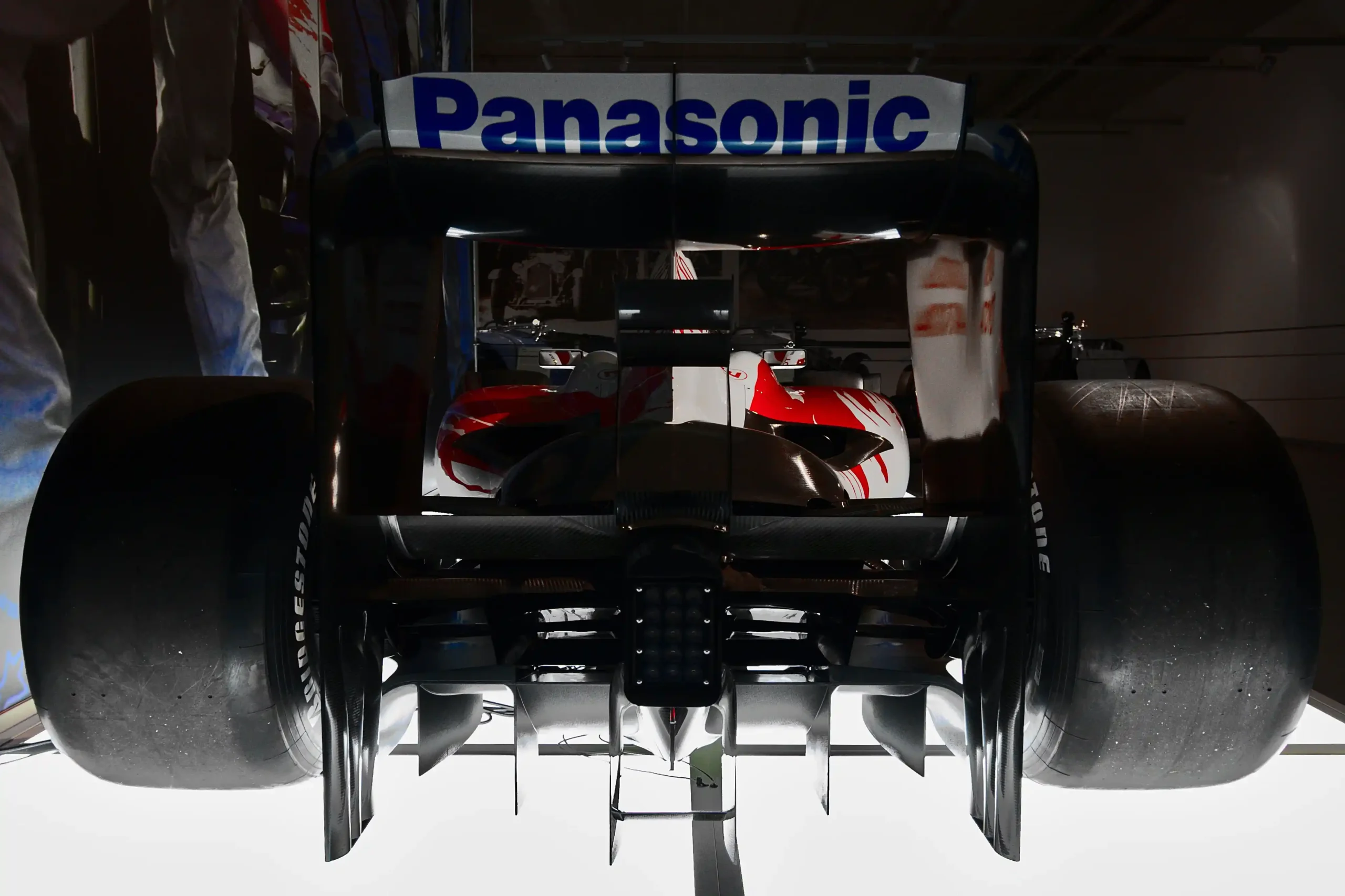
Toyota left Formula 1 after 2009. Its 2024 Haas partnership marked a carefully controlled return.
The relationship expanded into title sponsorship for 2026. However, Haas continued using Ferrari power units and selected components.
People Are the First Priority
Toyota sends drivers, engineers and mechanics into F1 programs. They gain experience at the highest level.
Consequently, the company builds a stronger talent pipeline. Those employees can later influence other motorsport and road-car projects.
Data Systems Are Another Goal
Toyota specifically wants to learn rapid multi-site data analysis. Formula 1 teams make decisions while sessions are still running.
Therefore, the partnership supports Toyota’s “Pipeline” concept. Information must move quickly from track to engineering centers.
Vehicle Development Remains Important
Toyota engineers contribute to aerodynamics and carbon-fiber work. Haas also built a Testing of Previous Car program and simulator capability.
These activities create practical learning. The relationship is deeper than a sponsorship logo.
The Model Keeps Future Options Open
Toyota gains F1 knowledge with lower financial exposure. It can expand, maintain or reduce the program later.
Therefore, a technical partnership can be a strategic first step. It does not confirm a future Toyota works team.
15. Why Ferrari and Mercedes Remain Committed
Long-term manufacturers gain brand identity, technical knowledge, customer-engine relationships and continuous global exposure.
Ferrari and Mercedes show two mature manufacturer strategies. Both build chassis and power units.
They also supply customer teams. This expands their technical and commercial footprint.
Formula 1 Is Central to Ferrari’s Identity
Ferrari has competed in every World Championship season. Racing history supports the scarcity and prestige of its road cars.
Therefore, withdrawal would change the brand itself. F1 is not simply another marketing channel.
Mercedes Uses F1 to Demonstrate Hybrid Performance
Mercedes dominated much of the previous hybrid era. That success supported its engineering image.
Moreover, customer engines produce relationships and data. The company can compare performance across several chassis.
Long-Term Presence Builds Compounding Value
Each season adds history, fans and archive content. A new advertisement can reference decades of competition.
Consequently, long-term manufacturers receive more than annual exposure. They build cultural ownership of the sport.
Read Ferrari through the decades, visit the Ferrari museum guide and explore the most successful F1 team.
16. The Cost of Joining Formula 1
No single public figure covers every model. Costs can include team acquisition, factories, staff, power-unit development, marketing and long-term operating commitments.
A technical partnership costs far less than a full works entry. Therefore, estimates must identify the participation model.
Audi needed a team, power-unit facility and integrated technical organization. Ford joined an existing Red Bull operation.
A Works Team Requires Major Infrastructure
Factories, wind tunnels and simulators require long-term investment. Hundreds of specialists must also be recruited.
In addition, the team needs logistics, race operations and commercial staff. The spending cap does not cover every corporate cost.
Power Units Have Separate Financial Rules
Engine development sits outside the team chassis cap. The FIA uses separate power-unit financial regulations.
Consequently, a manufacturer must fund two complex programs if it builds both car and power unit.
Marketing Costs Continue Beyond the Team
A manufacturer still needs advertisements, dealer programs and hospitality. Successful activation can cost heavily.
However, weak activation wastes the racing investment. The brand must connect the team with customers.
Team Equity Can Offset the Cost
Modern F1 teams have become valuable assets. Ownership may create long-term capital appreciation.
Therefore, a works team is not only an expense. It can become a strategic sports property.
For scale, read how much an F1 car costs and how much F1 drivers make.
17. How Manufacturers Measure Formula 1 Return on Investment
They combine media exposure, brand research, sales leads, sponsorship value, technology benefits, recruitment and team-equity growth.
There is no single F1 return-on-investment number. Different departments receive different benefits.
Marketing may count awareness. Engineering may count patents, processes or staff development.
Media Value Is the Easiest Metric
Brands track screen time, mentions and digital engagement. They compare that exposure with advertising costs.
However, equivalent media value can exaggerate impact. A logo appearance does not guarantee attention.
Brand Studies Measure Perception
Research can test whether consumers see a manufacturer as innovative or desirable. Changes over time matter more than one survey.
Therefore, long-term tracking is essential. Motorsport value usually builds gradually.
Commercial Teams Track Leads and Hospitality
Dealers count customer inquiries and event participation. Corporate teams track relationships started at races.
In addition, sponsors can create joint campaigns. Formula 1 becomes a network, not only a broadcast.
Engineering Benefits Need Internal Measurement
A company may count trained staff, shorter development cycles or improved simulation accuracy. These benefits rarely appear in public sales data.
Consequently, outsiders cannot judge ROI from race results alone. The internal business case is broader.
18. The Risks of Manufacturer Participation
Yes. Poor results, unreliable engines, cost overruns and management conflict can undermine performance and technology claims.
Formula 1 makes success visible. It also makes failure impossible to hide.
A weak car appears on television every race. Social media then extends the criticism.
Technical Failure Becomes Brand Failure
An engine retirement can challenge reliability messaging. Repeated problems create jokes and negative headlines.
Therefore, manufacturers must manage expectations. A new program needs a credible timeline.
Costs Can Exceed Board Patience
Formula 1 projects require years. Corporate leaders may expect faster returns.
However, sudden strategy changes can destroy accumulated knowledge. Long-term commitment is usually essential.
Regulations Can Reduce Road Relevance
A manufacturer may lose interest when rules no longer match corporate technology. That happened during earlier eras.
Consequently, F1 negotiates future power-unit rules with manufacturers. Alignment helps retain participation.
Ownership Creates Political Exposure
A works team must manage drivers, sponsors and public controversy. The manufacturer cannot distance itself easily.
Partnership models reduce some exposure. However, the badge still shares the result.
19. Why Manufacturers Leave Formula 1
They leave when cost, performance, regulation or corporate strategy no longer supports the business case.
Manufacturer participation moves in cycles. Economic conditions and executive priorities change.
A board can cancel a program even when engineers want to continue. Therefore, racing history includes many abrupt exits.
Economic Pressure Can End Programs
Automotive downturns force companies to protect core operations. Racing becomes easier to cut than factories or product launches.
Toyota and BMW both left after the 2009 season. The global financial crisis shaped that period.
Poor Results Weaken Internal Support
A company may spend heavily without winning. Executives then question the marketing return.
However, leaving after failure can cement a negative story. Manufacturers must balance patience with financial discipline.
Corporate Technology Strategy Can Change
Honda initially left to redirect resources toward carbon neutrality. The 2026 rules later restored strategic relevance.
Therefore, an exit does not mean Formula 1 lacks value forever. New regulations can change the calculation.
Partnerships Offer an Easier Return
Ford returned without buying a team. Toyota returned through Haas.
Consequently, flexible participation models reduce the barrier. A brand can re-enter without repeating its previous structure.
20. What Manufacturers Will Want From Formula 1 Next
More entries are possible, but future brands will need road-relevant rules, controlled costs and a credible commercial path.
The 2026 cycle attracted an unusually strong manufacturer group. Formula 1 must now prove that the rules deliver competitive racing.
Reliability and cost will influence future decisions. Moreover, manufacturers will watch how quickly newcomers improve.
Sustainable Fuel Will Remain Important
Global road fleets will use combustion engines for years. Drop-in low-carbon fuel could therefore have wide relevance.
Formula 1 can help validate performance under extreme conditions. However, production scale remains a separate challenge.
Electrical Systems Will Keep Growing in Importance
Battery power and energy management now shape race performance. Those systems also matter across modern vehicles.
Consequently, F1 can remain relevant during the transition to electrification. It does not need to become fully electric to support learning.
Team Value Makes Entry Harder
Existing constructors are valuable and scarce. Buying one requires major capital.
A new entry also affects shared revenue. Therefore, future manufacturers may prefer partnerships over full ownership.
Success Will Require Patient Boards
Audi, Cadillac and other newcomers face experienced competitors. Immediate championships are unlikely.
Manufacturers that accept a long development cycle have the best chance. Short-term programs rarely capture F1’s full value.
Common Myths About Car Brands in Formula 1
“Manufacturers Join Only to Sell Cars”
False. Sales matter, but technology, talent and corporate partnerships also drive the decision.
The strongest business cases combine several benefits.
“Every F1 Part Reaches a Road Car”
False. Direct part transfer is limited by cost and regulation.
Knowledge, software and development methods transfer more often.
“A Works Team Always Beats a Customer Team”
False. Integration helps, but organization and chassis quality still decide performance.
A strong customer team can defeat a weak works program.
“Toyota Is Already a Full Works Team Again”
False. Toyota’s Haas relationship is technical and commercial.
Haas continues using Ferrari power units.
“Cadillac Uses a GM Engine From Its First Race”
False. Cadillac began with Ferrari power units.
General Motors plans its own engine for 2029.
“Formula 1 Guarantees Positive Publicity”
False. Failure is highly visible.
The same exposure that builds a winner can damage an underperformer.
Car Brands in Formula 1 FAQs
Why do car brands join Formula 1?
They join for global marketing, technology credibility, engineering development, recruitment and access to a large international fanbase.
Does Formula 1 technology transfer to road cars?
Yes, mainly through knowledge involving batteries, software, materials, simulation, energy management and high-efficiency hybrid systems.
Why did the 2026 rules attract more manufacturers?
The rules increased electric power, added advanced sustainable fuel, removed the MGU-H and introduced power-unit financial controls.
Is Formula 1 profitable for car manufacturers?
It can be, depending on the model. Brands may value marketing, technology, recruitment and team equity alongside direct racing income.
Conclusion: Formula 1 Sells More Than Speed
So, why do car brands join Formula 1?
They join because one championship can serve many corporate goals. Formula 1 combines marketing, engineering and culture.
The global platform is the clearest benefit. Formula 1 reported 827 million fans after the 2025 season.
Moreover, 43% were under 35 and 42% were female. That audience offers future automotive customers across many markets.
Manufacturers also gain a performance halo. A race program can make an entire brand appear faster and more innovative.
However, the halo is not guaranteed. Poor results can damage the same claims.
Technology is another reason why do car brands join Formula 1. Yet direct part transfer is often overstated.
The real value appears in software, batteries, materials and development processes. Engineers learn to make decisions under extreme pressure.
Formula 1 also helps recruit people. Young specialists want difficult, visible projects.
Consequently, an F1 program can strengthen the manufacturer’s employer brand. It creates a pipeline of experienced engineers and mechanics.
The 2026 rules improved the business case. Electrical output increased from 120kW to 350kW.
The power balance moved toward roughly half electric energy. Advanced sustainable fuel also became mandatory.
In addition, the MGU-H disappeared. Power-unit financial controls improved cost planning.
Audi used those rules to enter as a full works team. It controls both chassis and power unit.
Ford chose a partnership with Red Bull Powertrains. Its contribution includes batteries, electric motors, software and analytics.
Honda returned with Aston Martin. The Japanese company highlighted electrification and carbon-neutral goals.
Cadillac joined with Ferrari engines. General Motors plans an American-built power unit from 2029.
Toyota selected another path. Its Haas relationship develops people, data systems and vehicle knowledge.
Therefore, there is no single manufacturer model. Full ownership offers control but brings high cost.
A power-unit partnership reduces ownership exposure. A technical partnership can target specific knowledge.
Established brands also show the value of continuity. Ferrari has made Formula 1 part of its identity.
Mercedes uses the sport to demonstrate hybrid performance and supply customer teams. Long-term presence creates compounding heritage.
Costs remain severe. A works manufacturer needs factories, staff, software and global operations.
Marketing activation adds further expense. However, team equity can become a valuable asset.
Return on investment therefore extends beyond car sales. Brands measure exposure, perception, recruitment and technical capability.
They also count commercial relationships and team value. Outsiders rarely see the full calculation.
Risk explains why manufacturers leave. Economic pressure, poor results and strategy changes can end programs.
Nevertheless, exits are not always permanent. Honda, Ford and Toyota returned through new structures.
That flexibility is another reason why do car brands join Formula 1 today. A company can choose the level of control it needs.
Ultimately, Formula 1 is valuable because it makes a brand prove itself. The stopwatch exposes every claim.
For ambitious automakers, that pressure is not a problem. It is the product.
Sources and Fact-Checking
This article was checked against official Formula 1 and manufacturer information available on July 28, 2026. Commercial return varies by company, so no unverified sales or investment estimates are presented as confirmed facts.
- Formula 1 2025 Season Review: fanbase size, demographics, attendance and commercial engagement
- Formula 1: official 2026 power-unit explanation and manufacturer lineup
- Audi’s official entry reasons, Ford’s Red Bull technical partnership and Honda’s Aston Martin return
- GM Performance Power Units approval for 2029, Toyota’s official Haas technical-partnership goals and Toyota’s 2026 Haas title partnership