F1 vs Formula E: Speed, Technology and Racing Format Compared
Formula 1 builds the fastest complete circuit car. Formula E turns electrical efficiency, instant acceleration and city racing into a different technical contest.
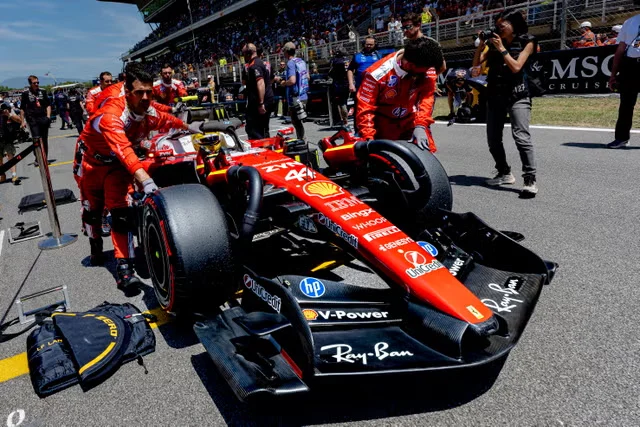
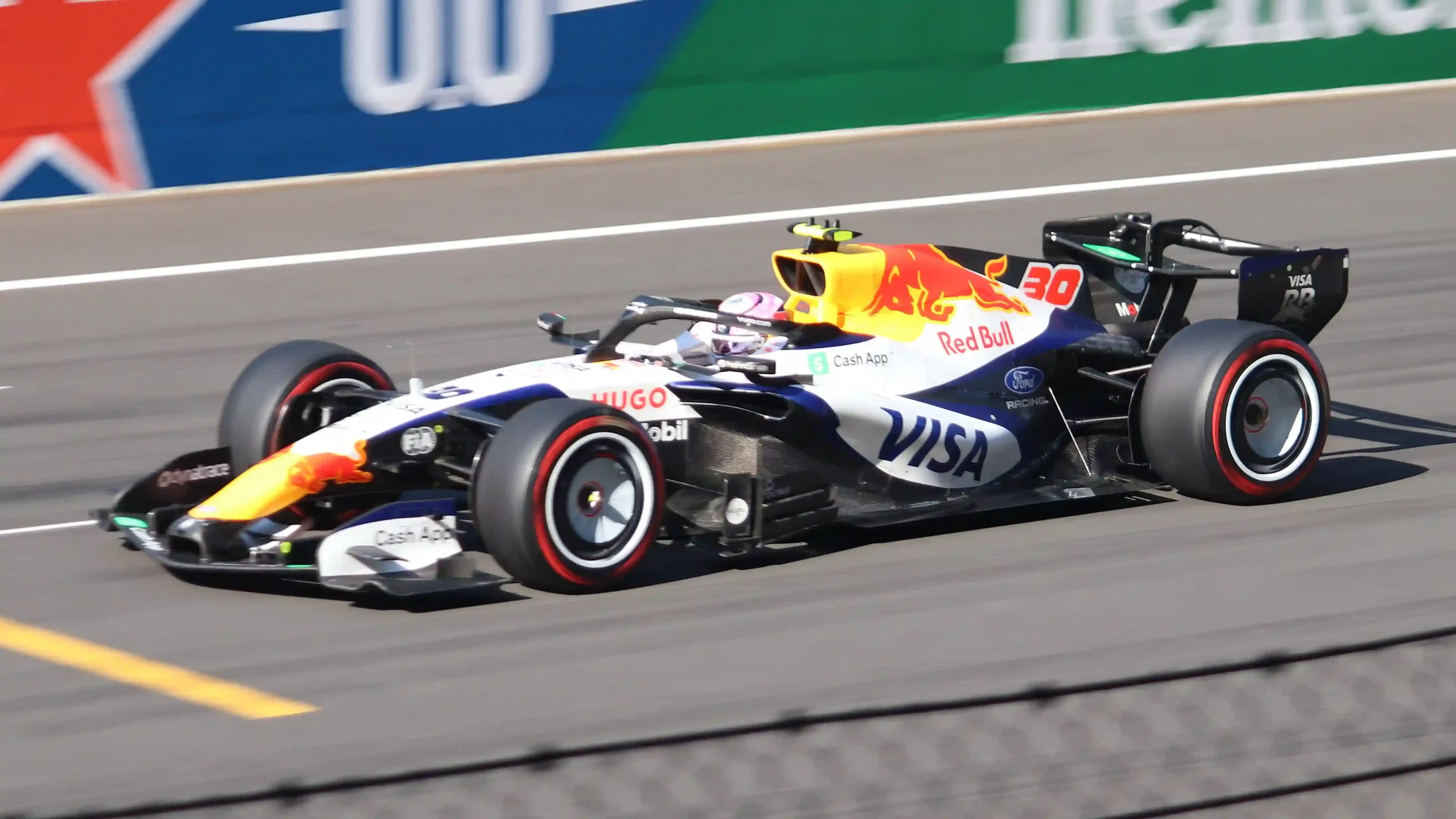
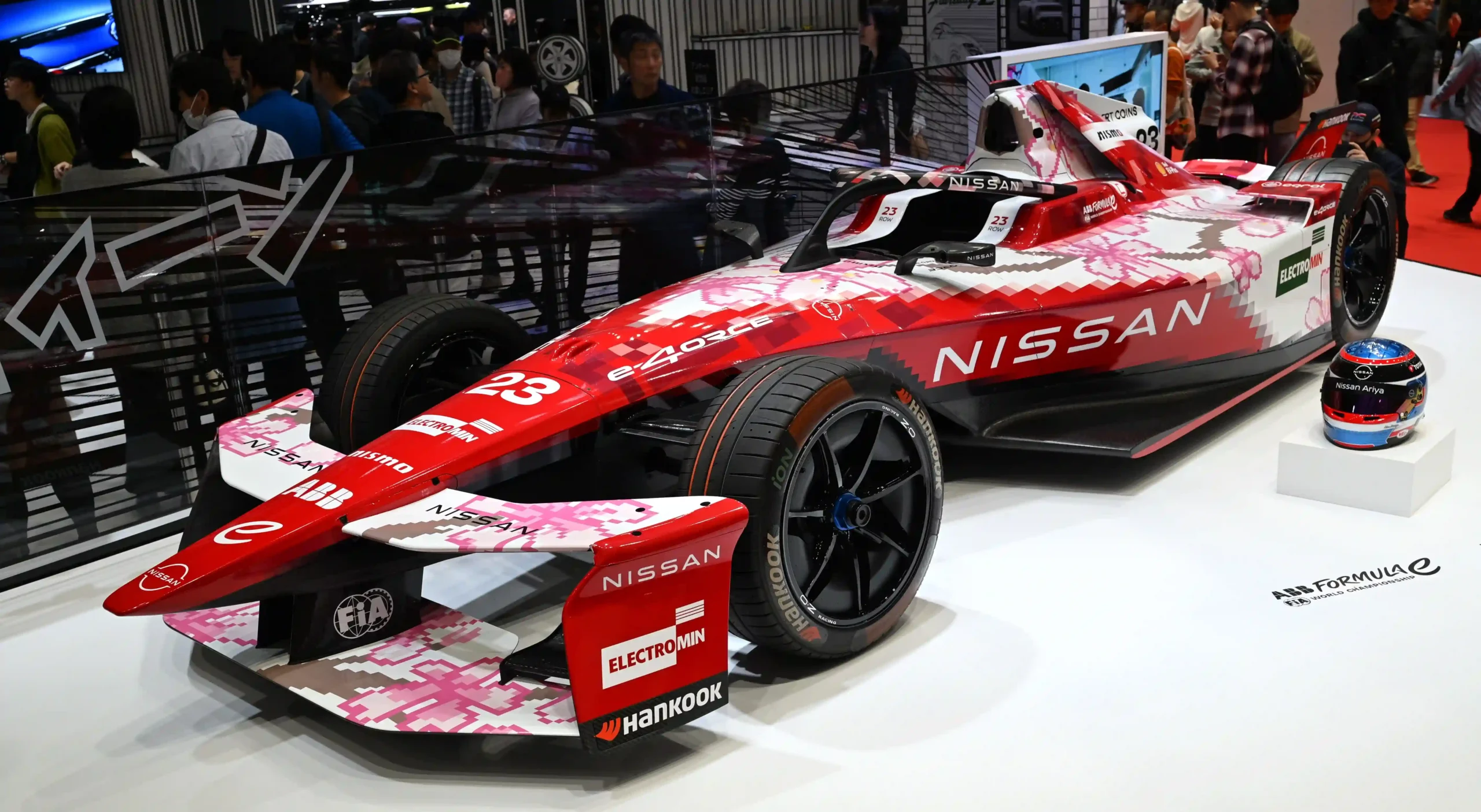
Formula 1 uses constructor-built cars powered by turbocharged V6 hybrid systems and sustainable fuel. Formula E uses a common chassis with manufacturer-developed electric powertrains, strict energy limits, ATTACK MODE and selected PIT BOOST charging stops.
F1 vs Formula E is not a simple argument between gasoline and electricity. It is a comparison between two different ideas about how technology should shape racing.
Formula 1 gives constructors broad design responsibility. Teams develop their own chassis, floor, wings, suspension packaging and cooling solutions.
Formula E standardizes more of the car. However, manufacturers compete through the rear powertrain, inverter, gearbox, software and energy management.
Therefore, the fastest car is not automatically the cleverest in every situation. F1 produces the superior lap time.
Meanwhile, Formula E asks drivers to race within a tight electrical budget. Position, slipstream, regeneration and timing can matter as much as raw speed.
The comparison also changed in 2026. Formula 1 introduced active front and rear aerodynamics, a 350kW MGU-K and a much larger electrical share.
Formula E entered the final season of the GEN3 Evo era. The car still combines 300kW race power, 350kW qualifying or ATTACK MODE power and up to 600kW of regenerative capability.
In addition, PIT BOOST returned across selected double-header events. A mandatory 600kW charging stop added a new strategic layer.
Both series now use energy as a visible racing tool. Yet they use it for different purposes.
This guide compares F1 vs Formula E speed, acceleration, powertrains, batteries, chassis design, aerodynamics, race formats, qualifying, pit stops, tires, safety, costs and sustainability.
The Quick Answer: F1 Is Faster, Formula E Is More Energy-Limited
Formula 1 is faster over a complete lap. It combines more than 1,000 horsepower of peak system potential with lower weight, carbon brakes and much greater downforce. Formula E can launch exceptionally hard, but its lower race power and energy limits reduce sustained performance.
Formula E’s official GEN3 Evo figure of 1.82 seconds from zero to 60 mph creates a tempting headline. That number makes it the quickest-accelerating FIA single-seater in published testing.
However, acceleration from rest is only one small part of a race lap. F1 gains heavily after the launch phase.
The Formula 1 car keeps deploying greater power at higher speed. It also brakes later and carries much more speed through fast corners.
As a result, an F1 car would build a substantial advantage on almost any circuit shared by both categories. Monaco provides the clearest real-world comparison because both championships use the same broad street setting.
Formula E remains impressive for a different reason. It generates strong performance from a tightly controlled energy allowance while recovering a large share during the race.
Readers seeking the basic championship definitions can compare what Formula 1 is with what Formula E is.
F1’s Main Strength
Maximum circuit performance through constructor development, high downforce, powerful hybrid deployment and specialized tires.
Formula E’s Main Strength
Close electric racing shaped by regeneration, energy saving, ATTACK MODE, compact tracks and manufacturer powertrain software.
The Key Difference
F1 asks how fast a legal hybrid car can lap. Formula E asks how hard an electric car can race within a strict energy budget.
F1 wins the stopwatch comparison. Formula E becomes more interesting when the question changes from “How fast?” to “How efficiently can a driver create and spend speed?”
F1 vs Formula E Comparison Table
| Category | Formula 1 in 2026 | Formula E GEN3 Evo | Practical Result |
|---|---|---|---|
| Car concept | Constructor-designed hybrid single-seater | Common Spark chassis with manufacturer powertrain development | More design freedom in F1 |
| Primary power source | 1.6-liter turbo V6 plus MGU-K | Electric motor and traction battery | Hybrid versus fully electric |
| Peak regulated output | 400kW ICE plus up to 350kW MGU-K under defined conditions | 300kW race power; 350kW in qualifying and ATTACK MODE | F1 has more total power |
| Minimum weight | 768kg published target | 856kg including driver | F1 has the stronger power-to-weight ratio |
| Published top speed | Track and gearing dependent; generally above Formula E | 200 mph or 322 km/h | F1 overall |
| Published 0-60 mph | No single official championship claim used for direct comparison | 1.82 seconds | Formula E owns the published launch headline |
| Energy recovery | MGU-K harvesting under braking, lift and partial throttle | Up to 600kW regeneration from front and rear systems | Formula E recovers a larger race share |
| Aerodynamics | Active front and rear wings plus advanced floor development | Fixed controlled bodywork with lower aero sensitivity | F1 creates more downforce |
| Passing tool | Overtake Mode after a one-second detection condition | ATTACK MODE through an off-line activation zone | Different tactical systems |
| Race length | Usually the least laps exceeding 305km | Predetermined laps, usually around one hour | F1 is longer in distance |
| Qualifying | Q1, Q2 and Q3 knockout sessions | Two groups followed by head-to-head Duels | F1 rewards session management; FE rewards knockout execution |
| Routine pit strategy | Fast tire changes and compound strategy | No routine tire change; selected races use PIT BOOST | Different reasons to stop |
| Typical venues | Long permanent circuits and major street tracks | Compact city circuits plus selected permanent venues | F1 offers greater speed variety; FE greater urban focus |
F1 vs Formula E Top Speed and Lap Time
F1 has more total power, less mass, greater aerodynamic downforce, stronger braking and tires designed for maximum dry grip. Formula E deliberately limits power and usable energy to make efficiency part of the competition.
Top Speed Is Only the First Layer
The GEN3 Evo can reach a published 200 mph. That is serious speed for a compact car designed largely around city racing.
Formula 1 cars can exceed that figure on suitable straights. Yet the decisive difference appears before and after the straight.
F1’s carbon brakes remove speed rapidly. The aerodynamic package then loads the tires through the corner.
Therefore, the Formula 1 driver spends less time slowing down and more time accelerating. That advantage compounds across every braking zone.
Lap Time Depends on Cornering Energy
An F1 car creates large downforce without carrying the same mass as a GEN3 Evo. Higher speed creates more aerodynamic load.
That relationship makes the gap grow in fast corners. Formula E is more competitive in slow turns where mechanical grip and instant torque matter.
However, Formula E still uses a harder all-weather tire. It does not have the same peak grip as an F1 qualifying slick.
Monaco Shows the Different Design Priorities
Both championships race in Monaco, although sporting details and weekend conditions differ. The Formula 1 lap remains far quicker.
F1 attacks the circuit as a maximum-performance qualifying problem. Formula E uses the same narrow environment as an energy and overtaking problem.
For a dedicated answer, read whether Formula E is faster than Formula 1.
Which Accelerates Faster: F1 or Formula E?
Formula E publishes a 1.82-second 0-60 mph figure for the GEN3 Evo, helped by all-wheel drive in qualifying Duels and ATTACK MODE. F1 does not publish one standardized championship figure, and race starts remain rear-wheel drive and traction limited.
Electric motors produce immediate torque. The GEN3 Evo also activates its front motor for traction in specific performance modes.
Consequently, it can use all four tires during its quickest launch configuration. That is a major advantage below highway speed.
F1 sends power through the rear wheels. The driver must control wheelspin with the clutch, throttle and tire temperature.
However, the comparison changes rapidly after the launch. The F1 car has much greater sustained power and lower aerodynamic drag in Straight Mode.
It also uses a more aggressive tire for dry conditions. Therefore, F1 becomes stronger as acceleration continues.
Important: A published zero-to-60 time does not describe race-start performance in every condition. Surface grip, tire temperature, battery state, software maps and the permitted drive mode all matter.
Separate speed guides explain how fast Formula 1 cars go and how fast Formula E cars go.
F1 Car vs Formula E Car: Chassis and Development Freedom
Every F1 constructor designs its own chassis and major aerodynamic package. Formula E teams use the same Spark Racing Technology chassis, battery and core bodywork, while manufacturers develop permitted powertrain hardware and software.
Formula 1 Is a Constructor Championship
The car itself is part of the sporting contest. Each team must create a legal interpretation of the FIA rules.
Engineers design the survival cell, sidepods, floor surfaces, wings and much of the suspension. They also package the power unit and cooling systems.
Small differences become large lap-time differences. A floor edge or front-wing change can alter the entire aerodynamic balance.
Moreover, the development race continues throughout the season. Teams bring updated parts as their simulation work identifies gains.
Formula E Standardizes the Visible Platform
The GEN3 Evo chassis comes from Spark Racing Technology. The battery and many safety-critical components are common across the field.
This approach reduces cost and prevents an aerodynamic spending race. It also keeps the cars close enough for heavy street-circuit competition.
Manufacturers still have meaningful work. The rear motor, inverter, transmission, cooling and control software can separate the fastest packages.
Therefore, Formula E is not a one-make championship in the usual sense. The cars look alike, but their efficiency and power delivery can differ.
Weight Changes the Engineering Problem
The 2026 F1 minimum is published at 768kg. Formula E lists the GEN3 Evo at 856kg including the driver.
The battery creates much of the electric car’s mass. However, the GEN3 architecture is still substantially lighter than earlier electric generations.
F1 also carries a battery, but it stores far less energy than the Formula E traction pack. The combustion fuel provides most of the race-distance energy.
F1 Hybrid Power Unit vs Formula E Electric Motor
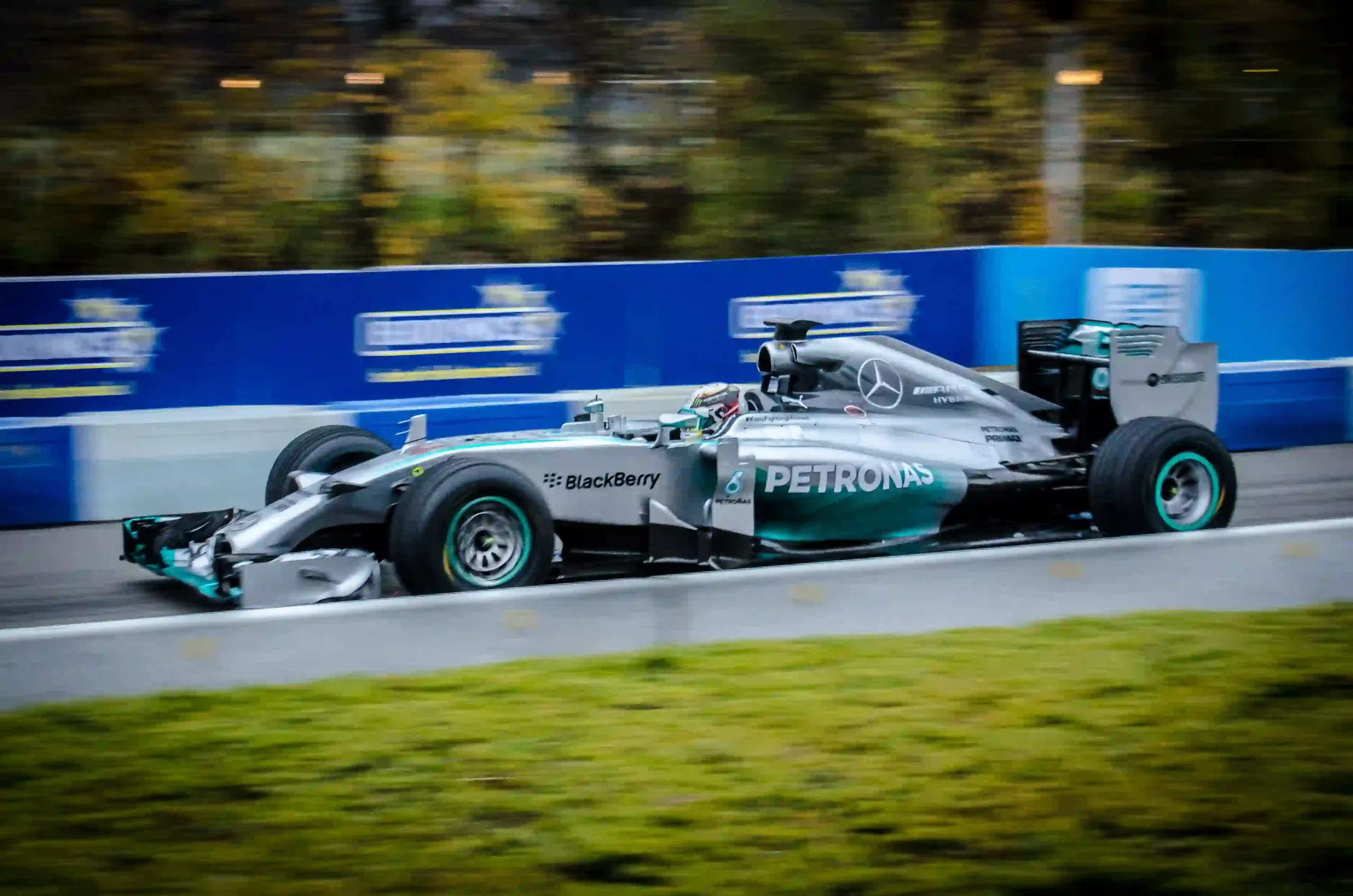
F1 uses a 1.6-liter turbocharged V6 and a 350kW MGU-K powered by recovered electrical energy. Formula E uses a rear electric motor for propulsion, with a front motor available for regeneration and all-wheel-drive performance in specific modes.
Formula 1 Splits Performance Between Fuel and Electricity
The 2026 F1 rules moved much closer to an even power split. The internal-combustion engine is limited to about 400kW.
The MGU-K can provide up to 350kW. Combined potential therefore exceeds 1,000 horsepower, although deployment varies through the lap.
The MGU-H disappeared for 2026. That simplified the system and made energy recovery more dependent on braking, lift and partial-throttle operation.
Advanced sustainable fuel powers the combustion side. Formula 1 designed the fuel to work in high-performance engines without reducing the spectacle.
Formula E Converts Stored Electricity Directly Into Motion
The GEN3 Evo uses 300kW during normal racing. Qualifying Duels and ATTACK MODE raise output to 350kW.
There is no combustion delay and no conventional multi-speed gearbox. Electric response is immediate and software-controlled.
Manufacturers compete heavily through inverter efficiency, motor design and control strategy. Saving one small percentage of energy can create extra attack laps.
Efficiency Means Different Things
F1 measures efficiency through fuel energy, electrical recovery and the ability to deliver performance over a Grand Prix. Formula E measures nearly everything through battery state and regenerated energy.
The electric motor converts a much larger share of stored energy into wheel power than a combustion engine. However, the Formula E car must carry its electrical energy in a heavy battery.
The F1 car carries lighter liquid fuel but loses more energy as heat. Hybrid recovery reduces that penalty.
For the Formula 1 side, the ERS guide explains harvesting, storage and deployment.
Batteries, Regeneration and Race Energy
Formula E relies more heavily on regeneration. The GEN3 Evo can recover up to 600kW and produces nearly half of the energy used in a race while driving. F1 also recovers heavily, but the combustion engine and sustainable fuel provide the main race-distance supply.
Formula E Drivers Race the Battery Percentage
Every acceleration spends energy. Every braking zone offers a chance to recover part of it.
The driver must reach braking points while allowing the motors to regenerate. A late, aggressive friction-brake stop may waste electrical opportunity.
Meanwhile, drafting reduces air resistance. Drivers may intentionally follow rather than lead because the saved energy becomes useful later.
This creates peloton-style races at some circuits. The field remains close while drivers delay full commitment.
F1 Energy Management Is More Complex Than It Looks
The F1 driver manages battery charge, combustion output and aerodynamic mode. Strong deployment on one straight may reduce available power later.
Recharge can occur under braking, during throttle lift and in partial-power corners. Engineers define targets, but the driver must execute them without losing position.
After early 2026 races, stakeholders agreed refinements to reduce excessive harvesting. The maximum permitted recharge was reduced from 8MJ to 7MJ in the revised package.
Peak superclip power rose, while deployment rules were adjusted to preserve acceleration in key zones. Those refinements show how closely the new F1 formula depends on energy behavior.
Formula E Makes Energy Visible to Fans
Broadcast graphics show usable energy and state-of-charge trends. The audience can see which drivers saved more.
F1 energy information is less complete on television. Teams protect detailed deployment data because it reveals strategy and performance.
F1 Active Aero vs Formula E Aerodynamics
F1 produces much more downforce and uses active front and rear wings in designated high-speed sections. Formula E uses controlled fixed bodywork with less downforce, lower aerodynamic sensitivity and a design better suited to close street racing.
F1 Uses the Whole Car to Shape Air
The front wing manages airflow around the exposed tires. The floor then creates a large share of the downforce.
The diffuser expands the underfloor air at the rear. Active front and rear wing elements switch between Corner Mode and Straight Mode.
Corner Mode preserves downforce. Straight Mode flattens the wings to reduce drag and improve energy use.
As a result, the 2026 car can carry the grip it needs without wasting as much power on straights.
Formula E Avoids an Aerodynamic Arms Race
GEN3 Evo bodywork is largely controlled. Teams cannot redesign the floor and wings in the same way as F1 constructors.
That decision limits spending and keeps the wake more manageable. The car can follow closely on narrow circuits.
However, Formula E still depends on airflow. Front-wing damage, wheel wake and poor balance affect lap time.
Dirty Air Has Different Strategic Value
F1 drivers want clean air because it protects front grip and tire temperature. Formula E drivers may accept the wake because it saves energy.
Therefore, following can be both a disadvantage and a tactical resource in the electric championship.
The physics are covered in the downforce explainer and the slipstream guide.
F1 Overtake Mode vs Formula E ATTACK MODE
F1 Overtake Mode becomes available after a driver is within one second at a detection point and provides an additional electrical deployment profile on the next lap. Formula E ATTACK MODE requires an off-line activation and gives 350kW plus all-wheel drive for a limited time.
F1 Replaced DRS With Electrical Advantage
Active Aero is available to every driver in designated sections. It is not the direct replacement for the old one-second DRS privilege.
Overtake Mode provides that race-specific advantage. An eligible driver can recharge an additional 0.5MJ and sustain a stronger electrical profile.
The driver can then use the energy where it creates the best chance. Long straights remain valuable, but the attack may begin earlier in the lap.
Formula E Makes Drivers Sacrifice Track Position
To activate ATTACK MODE, the driver leaves the fastest line and crosses timing loops in a marked zone. The activation costs time immediately.
The reward is 50kW of extra power, raising output from 300kW to 350kW. GEN3 Evo also unlocks all-wheel drive during the mode.
Timing becomes crucial. A driver can activate before a Safety Car and lose the benefit, or delay too long and run out of laps.
Season 12 Links ATTACK MODE to PIT BOOST Strategy
In PIT BOOST races, drivers have one ATTACK MODE activation. Non-PIT BOOST races retain two activations.
That rule makes the charging stop and power boost part of one strategic plan. Teams must decide when the driver needs energy, clean air and attack power.
A complete explanation appears in the Formula E ATTACK MODE guide.
Formula 1 Circuits vs Formula E Street Tracks
Formula E was created to bring electric racing into major cities and to showcase low-emission mobility near urban audiences. Compact street layouts also emphasize acceleration, regeneration and close racing rather than maximum aerodynamic speed.
Formula 1 Needs Space for High-Speed Performance
Many F1 circuits exceed five kilometers. Long straights and fast corners allow the car to exploit downforce and power.
Permanent tracks also provide wider runoff and high-speed barrier systems. That infrastructure supports the forces generated by an F1 car.
Street races remain important, including Monaco, Singapore, Miami and Las Vegas. However, their layouts are still designed around Formula 1’s speed and safety requirements.
Formula E Builds Racing Around the City
Formula E often uses temporary walls, sharp braking zones and short straights. The car’s compact scale works well in that environment.
The championship also visits permanent venues and shortened Grand Prix layouts. Season 12 included Miami, Madrid and Shanghai alongside traditional urban events.
Therefore, “Formula E only races on tiny streets” is outdated. The calendar now mixes city identity with more conventional circuit elements.
Monaco Is the Best Shared Reference
Both series race through Monte Carlo. F1 produces the faster lap, while Formula E often creates more passing opportunities through energy variation and ATTACK MODE.
The comparison proves that track geometry alone does not create a racing style. The car and sporting rules matter just as much.
F1 vs Formula E Racing Format
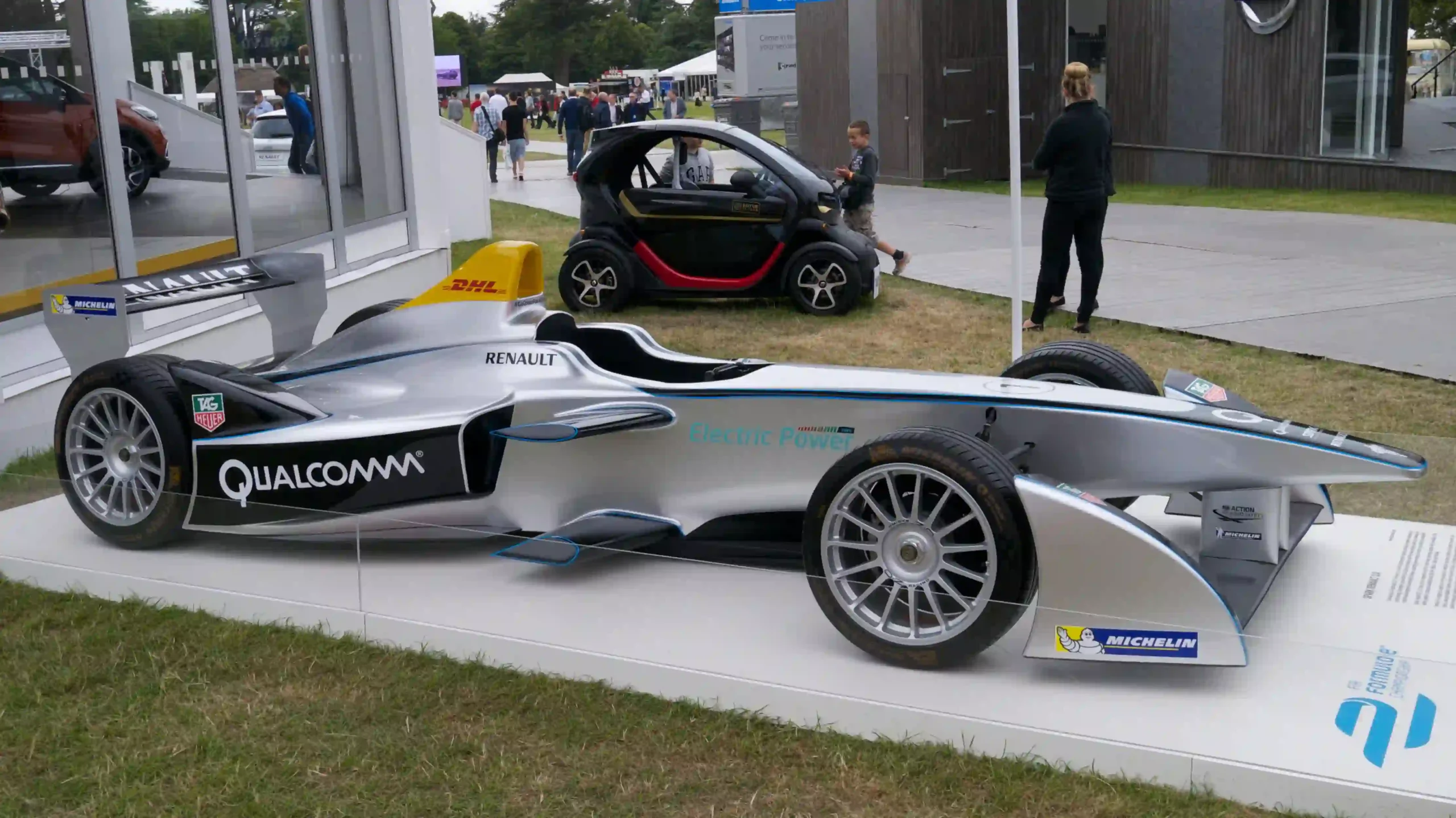
An F1 Grand Prix usually covers the least number of laps exceeding 305km and can run for around two hours. A Formula E race uses a predetermined lap count, normally lasts around one hour and can add laps after Safety Car or Full Course Yellow periods.
Formula 1 Uses a Traditional Grand Prix Distance
The standard race distance exceeds 305km. Monaco uses a shorter 260km rule because average speed is lower.
Most events begin with a standing start after a formation lap. Safety Cars, Virtual Safety Cars and red flags can alter the flow.
However, F1 does not schedule competition cautions. The race usually develops continuously through tire phases and traffic.
Formula E Compresses the Weekend
Most Formula E action happens across one main race day. Practice, qualifying and the E-Prix create a dense schedule.
Double-header weekends add a second race. Teams must reset quickly because there is little recovery time between events.
Each E-Prix begins from a standing start. A predetermined lap count defines the distance.
Laps can be added after Safety Car or Full Course Yellow interruptions. The final addition is announced near the end.
Energy Saving Can Create a Peloton Phase
At some tracks, leading costs too much energy. Drivers avoid the front and trade positions without fully committing.
The race then changes sharply when the energy target relaxes. The final laps can become aggressive and unpredictable.
F1 strategy is usually built around tire life and track position. Formula E strategy begins with the question of how much energy a position costs.
F1 Q1, Q2 and Q3 vs Formula E Groups and Duels
F1 eliminates six cars after Q1 and another six after Q2 in a 22-car field, leaving ten for Q3. Formula E splits its 22 cars into two groups, then sends the fastest four from each group into head-to-head Duels.
F1 Rewards Repeated Lap Execution
Q1 lasts 18 minutes and removes six drivers. Q2 lasts 15 minutes and removes another six.
The remaining ten contest a 12-minute Q3 session. Drivers often receive more than one chance, but traffic and track evolution create risk.
Tire preparation matters. A driver must build temperature without overheating the surface before the timed lap.
Formula E Turns Qualifying Into a Tournament
The field splits into two groups based on championship position. Each group runs for ten minutes at 300kW.
The fastest four from each group advance. They then face one-lap knockout Duels at 350kW with all-wheel drive.
Quarter-finals become semi-finals, then one final decides pole. A driver can be fastest overall in a group but still lose a Duel through one mistake.
Which Format Is Harder?
F1 punishes traffic errors and weak tire preparation. Formula E punishes a single imperfect knockout lap.
Neither format provides an easy pole. They simply apply pressure in different sequences.
For the general principles, see how racing drivers qualify.
F1 Pit Stops vs Formula E PIT BOOST
Formula E normally avoids routine tire stops, but selected double-header races use mandatory PIT BOOST. The car receives 3.85kWh, equal to a 10% energy increase, through a 30-second, 600kW charging stop.
Formula 1 Stops to Change Tires
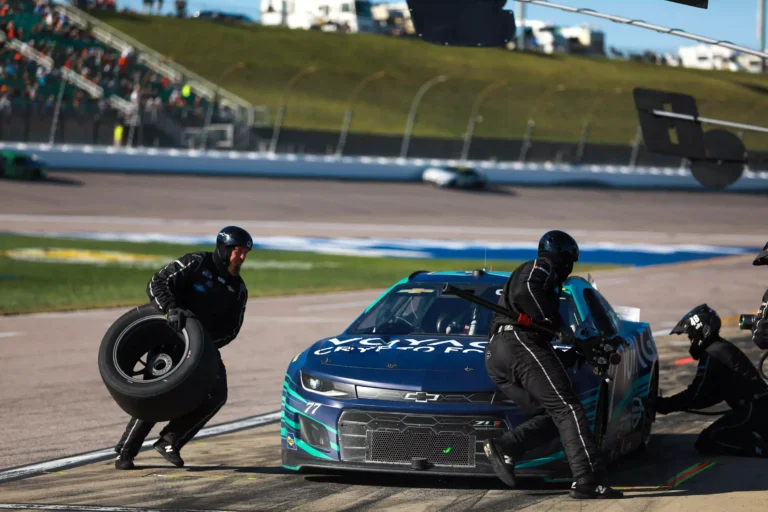
F1 teams can change four tires in roughly two seconds. Large crews give each wheel a dedicated operator and handlers.
There is no race refueling. Therefore, strategy centers on tire compounds, weather and the timing of Safety Cars.
A fresh tire advantage can create an undercut. The earlier-stopping driver uses the new grip to jump a rival.
Formula E Stops to Add Electrical Energy
PIT BOOST debuted in Season 11 and continued in Season 12. The stop is used in one race of selected double-headers.
The charger supplies 600kW for 30 seconds. The car gains 3.85kWh of usable energy.
Drivers must enter within a defined state-of-charge window, usually between 40% and 60%. Teams receive only one charging rig.
Consequently, teammates cannot double-stack. The team must separate their strategies and protect each driver from traffic.
Routine Tire Changes Are Rare in Formula E
The all-weather Hankook tire is designed to complete the event. Teams change it only for damage, a puncture or unusual conditions.
This keeps the pit crew smaller and shifts strategy toward energy rather than tire inventory.
For wider context, read how pit stops work in racing.
F1 vs Formula E Tires
F1 uses several Pirelli slick compounds plus intermediate and wet tires. Formula E uses one treaded Hankook all-weather specification designed for durability, efficiency and reduced tire transport.
F1 Tires Are Designed to Create Strategy
Pirelli selects three dry compounds for each weekend. They become the hard, medium and soft options.
In a dry Grand Prix, drivers usually must use at least two slick compounds. That rule creates a mandatory strategic choice.
The soft tire provides stronger short-run grip. The hard tire usually offers longer life but slower warm-up.
Formula E Uses One Tire Across Conditions
The Hankook iON Race tire has tread and can operate in dry or wet conditions. It must balance grip, durability and rolling resistance.
A lower rolling loss saves energy. However, it also limits peak mechanical grip compared with a specialized F1 slick.
Teams bring fewer tire types and move less equipment. That supports Formula E’s sustainability goals.
The Similar Wheel Size Hides a Big Difference
Both championships use 18-inch wheels. F1 surrounds them with very wide performance tires.
Formula E uses a narrower all-weather concept. Therefore, the shared diameter does not create similar handling.
Braking: Carbon Discs vs Regeneration
F1 Produces the Shorter Braking Zone
F1 combines carbon-carbon friction brakes with downforce and low mass. The aerodynamic load increases tire grip at high speed.
The rear brake-by-wire system blends MGU-K recovery with hydraulic braking. Drivers adjust balance as conditions change.
Formula E Treats Braking as Energy Production
The front and rear motors can recover up to 600kW. That makes the pedal map a major software challenge.
The driver expects a consistent response even when battery temperature or regeneration limits change. Friction brakes must blend smoothly with motor braking.
A Formula E driver who brakes efficiently creates energy for later attacks. Braking is therefore both a defensive action and a refueling process.
Driver Skill and Physical Demands
F1 produces higher peak g-forces, faster corners and more extreme braking. Formula E creates heavier energy-management pressure, close street-circuit traffic and difficult regeneration control. Each demands a different type of precision.
Formula 1 Demands Greater Peak Physical Load
Fast corners load the neck and torso. Heavy braking also forces the driver against the belts.
Drivers manage Active Aero, battery deployment, brake balance and differential settings. Those tasks occur while the car operates at exceptional speed.
Formula E Demands Constant Tactical Calculation
The driver watches energy targets, traffic and ATTACK MODE timing. A small overuse early can remove attacking options later.
Street circuits leave little runoff. Concrete walls punish poor judgment.
Moreover, drivers often race in dense groups. The energy advantage can move rapidly from one car to another.
Crossovers Show the Skill Difference
Many Formula E champions and race winners have F1 experience. However, that background does not guarantee immediate electric success.
Regeneration, all-weather tires and energy pelotons require new habits. Drivers must learn when not to use maximum pace.
F1 vs Formula E Safety
Yes. Both championships use a titanium Halo, carbon-fiber survival cell, wheel tethers, HANS, six-point harnesses and strict FIA crash testing. Formula E also adds high-voltage isolation and battery-specific emergency procedures.
The Shared FIA Foundation Is Strong
Both cars protect the driver with a tested survival cell. Deformable front and rear structures absorb impact outside the cockpit.
The Halo protects against large debris and another car. Wheel tethers reduce the risk of detached wheels.
Drivers wear fire-resistant clothing and HANS. Medical teams train for rapid extraction.
Formula E Adds High-Voltage Risk Management
Marshals must know whether the car’s electrical system is safe. Status lights show potential isolation faults.
Special gloves and procedures protect responders. Battery damage also requires thermal monitoring after an accident.
F1 Faces Higher Peak-Speed Crash Energy
F1 often reaches greater speed before impact. However, circuit runoff and advanced barrier design reduce many risks.
Formula E usually races closer to concrete walls. Lower average speed does not make street accidents harmless.
Learn more through the Halo safety guide.
Costs, Budgets and Manufacturer Development
Formula 1 is much more expensive because each team designs and manufactures a unique car, employs a larger technical workforce and runs a global development program. Formula E controls cost through a common chassis, homologation cycles and tighter permitted development.
F1 Pays for Design Freedom
Wind-tunnel work, CFD, manufacturing and continuous upgrades require major infrastructure. A team needs hundreds of specialists before the car reaches the track.
The financial regulations cap defined performance spending. However, excluded areas mean the complete company cost remains higher than the cap alone.
Formula E Concentrates Investment
Manufacturers do not fund a new chassis or bodywork. They focus on electric motor efficiency, inverter technology, gearbox design and software.
Powertrains are homologated for defined periods. This reduces the constant hardware race seen in Formula 1.
Formula E still requires serious budgets. Street-event logistics, battery systems, simulators and manufacturer engineering are not cheap.
For deeper cost context, compare the cost of a Formula 1 car with the cost of a Formula E car.
Which Is More Sustainable: F1 or Formula E?
Formula E has the clearer electric-mobility mission, no race-car tailpipe emissions and a certified net-zero pathway. F1 uses advanced sustainable fuel and highly efficient hybrids, but both championships still need to reduce freight, aviation and event emissions.
Formula E Was Built Around Electric Mobility
The championship uses racing to improve motors, inverters, software and charging technology. Those areas transfer directly to road electric vehicles.
Formula E also limits tire inventory and groups parts of the calendar by region. Freight remains a major part of its footprint.
Therefore, “electric race car” does not mean zero-impact championship. The largest emissions often come from moving people and equipment.
F1 Uses Sustainable Fuel to Keep Combustion Relevant
The 2026 fuel uses advanced sustainable sources such as captured carbon, municipal waste and non-food biomass. It must meet strict certification standards.
F1 argues that a drop-in sustainable fuel can affect the huge global fleet of combustion vehicles. Formula E focuses on accelerating the transition away from combustion.
Both Approaches Have Road-Car Value
Formula E advances electric efficiency, regeneration and rapid charging. Formula 1 advances hybrid control, lightweight engineering and sustainable fuel chemistry.
The environmental winner depends partly on the question. Formula E has the cleaner vehicle concept.
However, F1 may influence a broader mix of existing vehicles if its fuel technology scales successfully.
Sound, Atmosphere and Fan Experience
F1 Still Sounds Like a Combustion Race
The turbo V6 produces a loud exhaust note, turbo whistle and gear-change violence. The 2026 electrical share changes delivery, but the engine remains central to the sensory experience.
Formula E Has a Different Mechanical Sound
Electric motors, gears, tires and air create a high-pitched sound. Fans can also hear tire scrub and contact more clearly.
Some spectators miss the physical impact of an engine. Others enjoy the ability to hear racecraft and crowd reactions.
The Venues Create Different Atmospheres
F1 often feels like a large international festival. Formula E places compact racing closer to a city center.
The Formula E schedule can make attendance easier in urban markets. F1 offers greater scale, tradition and global star power.
Popularity, Manufacturers and Competitive Parity
Formula 1 Has the Larger Audience
F1 is one of the world’s largest annual sports properties. Its teams, drivers and historic circuits have decades of brand value.
Formula E remains younger and smaller. However, it attracts manufacturers interested in electric development and city-market visibility.
Formula E Often Produces a Tighter Field
The common chassis limits the spread created by aerodynamics. Manufacturer powertrains still differ, but the performance gap is usually smaller.
F1 can produce dominant technical cycles. A superior car may control several seasons before rivals catch up.
Winning Means Something Different
An F1 victory proves that a driver and constructor created the best complete package. A Formula E victory often proves that the team managed energy, software and traffic better.
Both are legitimate engineering contests. They simply distribute responsibility differently.
Explore the current electric field through the Formula E teams guide.
The Next Technology Step: F1 Refinement and Formula E GEN4
Formula 1 Is Already Refining Its 2026 Concept
The new power split created concerns about harvesting and acceleration consistency. Stakeholders agreed mid-season parameter changes.
Those changes reduced maximum recharge and adjusted deployment in different zones. The aim was to keep the driver workload manageable without removing strategy.
Formula E Moves to GEN4 for 2026/27
GEN3 Evo remains the current car through Season 12. GEN4 arrives for the 2026/27 championship.
The announced GEN4 package raises normal race power to 450kW. ATTACK MODE can reach 600kW, or more than 800 horsepower.
All-wheel drive becomes active throughout more of the race. The car also introduces high- and low-downforce configurations.
The Future Formats Move Closer and Farther Apart
F1 now uses active aero and a near-even hybrid split. Formula E GEN4 will add more power and greater aerodynamic choice.
However, Formula E will remain an energy-limited electric championship. F1 will remain a constructor-led hybrid series.
The cars may become closer in headline power. Their racing philosophies will still be very different.
Final Verdict: Which Motorsport Wins Each Category?
Formula 1 is the better choice for fans who want the fastest possible racing car, constructor innovation and long international circuits.
Formula E is the better choice for fans who want electric powertrain development, energy strategy and compact wheel-to-wheel racing.
The strongest comparison does not declare one championship obsolete. Formula E is not a slower replacement for Formula 1.
Instead, it is a different laboratory. F1 tests the limits of hybrid performance, while Formula E tests the limits of electric efficiency.
F1 vs Formula E FAQs
Which is faster, Formula 1 or Formula E?
Formula 1 is faster over a complete lap because it has more power, lower weight, greater downforce and stronger braking. Formula E’s GEN3 Evo can launch extremely quickly, but F1 gains heavily as speed rises.
What is the difference between F1 Overtake Mode and Formula E ATTACK MODE?
F1 Overtake Mode becomes available after a one-second detection condition and provides additional electrical deployment. Formula E ATTACK MODE requires an off-line activation and gives 350kW plus all-wheel drive for a limited period.
Does Formula E use pit stops?
Routine tire stops are uncommon. However, selected double-header races use PIT BOOST, a mandatory 30-second, 600kW charging stop that adds 3.85kWh of energy.
Which is more sustainable, F1 or Formula E?
Formula E has the clearer electric-mobility mission and no race-car tailpipe emissions. F1 uses efficient hybrids and advanced sustainable fuel, while both still need to reduce freight and travel emissions.
Conclusion: F1 and Formula E Measure Technology in Different Ways
The F1 vs Formula E comparison begins with a simple result. Formula 1 is the faster championship.
Its cars have more total power, less weight, stronger dry tires and much greater downforce. They brake later and carry more speed through corners.
However, Formula E owns one striking performance claim. The GEN3 Evo can reach 60 mph in a published 1.82 seconds.
That launch comes from instant torque and all-wheel drive in qualifying or ATTACK MODE. F1 remains rear-wheel drive and becomes stronger after the initial traction phase.
The chassis rules create another major difference. Formula 1 teams design their own cars.
Formula E teams use a common Spark platform. Manufacturers compete through the electric powertrain and software.
Therefore, F1 rewards broad engineering freedom. Formula E focuses development on road-relevant electrical systems.
The energy comparison is equally revealing. F1 combines sustainable fuel with a 350kW MGU-K.
Formula E relies entirely on stored electricity and regeneration. It can recover up to 600kW under braking.
That recovery changes racecraft. Formula E drivers often save energy in the slipstream before attacking late.
F1 drivers also manage electrical deployment. Yet tire life and track position remain the main visible strategic pillars.
Aerodynamics push the championships farther apart. F1 uses active front and rear wings, a highly developed floor and substantial downforce.
Formula E controls bodywork more tightly. The reduced aero development keeps costs lower and helps the cars follow.
The overtaking systems reflect those philosophies. F1 Overtake Mode rewards a driver who reaches a one-second detection window.
Formula E ATTACK MODE forces a driver off-line. The immediate time loss creates a tactical gamble.
Pit stops also serve different purposes. F1 changes tires in roughly two seconds and never refuels during the race.
Formula E normally avoids tire stops. PIT BOOST adds energy through a 30-second, 600kW charge in selected races.
Qualifying produces two different pressure tests. F1 moves through Q1, Q2 and Q3.
Formula E begins with groups and ends with one-lap Duels. One mistake can end the pole challenge.
The track calendars reinforce each identity. F1 needs long circuits that reveal aerodynamic and power-unit performance.
Formula E takes electric racing into cities while adding selected permanent venues. Compact layouts keep the field close.
Safety standards share the same FIA foundation. Both cars use Halo, carbon survival cells, tethers and HANS.
Formula E also manages high-voltage hazards. F1 must control larger peak-speed crash energy.
On sustainability, Formula E has the clearer vehicle message. It exists to promote electric mobility.
Formula 1 takes a broader transitional route through hybrid efficiency and sustainable fuel. That technology may serve vehicles that cannot quickly become electric.
Therefore, choosing a winner depends on the question. F1 wins speed, design freedom and global scale.
Formula E wins electric efficiency, energy visibility and urban relevance. Both make technology part of the racing rather than a background detail.
Sources and Fact-Checking
This article was checked on July 30, 2026 against current Formula 1, FIA and Formula E material. GEN3 Evo figures describe the active 2025/26 Season 12 car, while GEN4 details are clearly identified as 2026/27 information.