How Important Is Sponsorship in Formula 1?
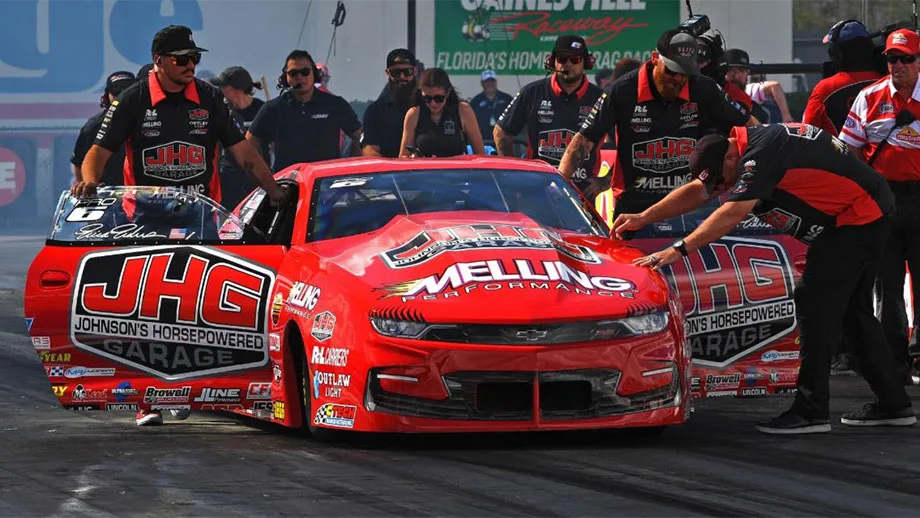
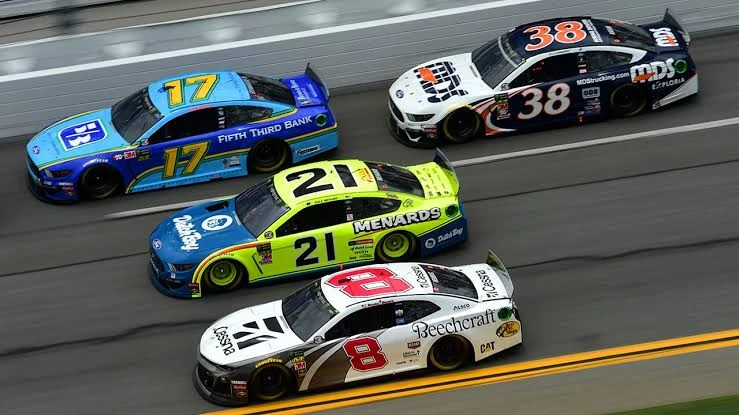
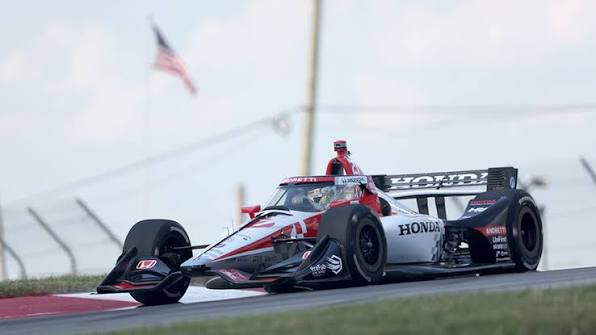
Sponsors do far more than place logos on cars. They fund teams, supply technology, fill hospitality suites and connect Formula 1 with global business.
Sponsorship is essential to Formula 1. It funds teams, supports championship revenue, supplies technology, creates global marketing value and helps turn every Grand Prix into a business platform.
Remove sponsorship from Formula 1 and the sport would look smaller, poorer and far less connected to global business.
The cars would lose much of their visual identity. More importantly, teams would lose a major source of income.
Championship-level partnerships would also disappear. That would reduce revenue for Formula 1’s commercial-rights business.
Technical suppliers would lose a high-pressure showcase. Hospitality programs would shrink as well.
Therefore, the question is not whether sponsorship matters. The real question is how many parts of Formula 1 depend on it.
Formula 1 reported a global fanbase of 827 million after the 2025 season. In addition, the sport recorded 6.7 million race attendance.
The audience was also younger and more diverse. Forty-three percent of fans were under 35, while 42% were female.
Digital growth strengthened that reach. Formula 1 reported 114.5 million social followers and more than 2.3 billion engagements.
Those numbers explain why brands compete for access. However, exposure is only one part of the sponsorship system.
Liberty Media reported that sponsorship produced 21.7% of Formula 1’s total 2025 revenue. Total F1 revenue reached $3.873 billion.
That percentage equals roughly $840 million at championship level. Team sponsorship income sits outside that figure.
Moreover, sponsors provide software, materials, financial services and logistics. Some partnerships improve operations directly.
The cost cap has made strong commercial income even more valuable. Teams cannot spend without limit on car performance.
Consequently, additional sponsorship can support drivers, senior staff, marketing, facilities and profit. It can also reduce owner funding.
This guide explains the role of sponsors across the whole sport. It separates team funding, championship income, technology and marketing value.
The Direct Answer: Sponsorship Is One of F1’s Essential Pillars
Sponsorship brings cash, technology, services, marketing reach and business relationships. Without it, teams would depend more heavily on owners, manufacturers and Formula 1 payments.
Formula 1 needs several strong relationships to function. The FIA regulates the competition.
Teams build and race the cars. Promoters organize individual events.
Broadcasters distribute the action. Sponsors help turn that entire system into a commercial product.
Sponsorship Supports the Championship
Formula 1 sells global partnerships, official supplier rights and race title packages. Trackside advertising forms another product.
Therefore, sponsors contribute directly to championship revenue. They also fund activation that promotes the sport.
Sponsorship Supports Every Team
Teams sell car branding, digital content and hospitality. They also sell technical and licensing rights.
The income supports the full company. It is not limited to paint or marketing.
Sponsors Bring Useful Capabilities
A cloud partner can strengthen computing. A logistics partner can support global movement.
Meanwhile, a fuel or lubricant partner can contribute to performance and reliability. Sponsorship can therefore change operations.
Sponsors Expand Formula 1’s Cultural Reach
Fashion, entertainment and consumer brands bring new audiences. Their campaigns place Formula 1 outside sports media.
As a result, the sport reaches customers who may never watch a full race. That wider relevance helps future growth.
Sponsorship is not a side business attached to Formula 1. It is part of the structure that funds competition, creates media value and connects teams with international companies.
1. Sponsorship Inside the Formula 1 Business Model
It sits beside media rights, race-promotion fees, hospitality, licensing and other revenue. Teams also sell their own partnerships separately from Formula 1.
Formula 1 has two connected commercial levels. The championship sells official rights across the whole series.
Each team then sells its own brand and inventory. Therefore, a company can sponsor Formula 1, a team, a driver or a race.
Championship Partnerships
These deals can cover all events. A global partner gains a consistent relationship with Formula 1 itself.
Official supplier status can add product credibility. Race title sponsorship can create intense local exposure.
Team Partnerships
A team offers car, clothing, garage and content rights. It can also provide factory access and driver appearances.
The relationship feels more emotional because fans support teams. However, value can change with performance.
Driver Partnerships
Drivers offer personal audiences and individual stories. Their endorsements can reach fashion, gaming and lifestyle markets.
Nevertheless, team category conflicts must be managed. Personal rights cannot automatically override team agreements.
Event Partnerships
A brand can sponsor one Grand Prix. That creates a concentrated campaign around a host market.
This option suits regional launches. It may also support tourism or government objectives.
| Partnership Level | Main Asset | Why It Matters |
|---|---|---|
| Formula 1 global partner | Championship-wide branding and activation | Consistent reach across the global calendar |
| Official supplier | Product or service association | Technical credibility and business proof |
| Team partner | Car, teamwear, garage and content rights | Strong fan identity and flexible activation |
| Title partner | Team or event naming rights | Repeated written and verbal mentions |
| Driver sponsor | Personal image and social reach | Human storytelling and regional appeal |
| Race title sponsor | One event’s official identity | Focused exposure in a priority market |
2. Sponsorship Is a Major Formula 1 Revenue Stream
Sponsorship produced 21.7% of Formula 1’s total revenue in 2025. That was higher than 18.6% in 2024 and 18.0% in 2023.
Liberty Media reported total Formula 1 revenue of $3.873 billion for 2025. Therefore, the sponsorship share represented roughly $840 million.
This is championship-level income. It does not include the separate sponsorship portfolios sold by the teams.
Sponsorship Grew Faster Than Its Previous Share
The revenue share rose for two consecutive years. This shows that commercial partnerships became more important to the rights holder.
Formula 1 also expanded its partner roster. It grew from 12 partners in 2020 to 31 in 2025.
Media Rights Remain the Largest Single Stream
Media rights produced 31.3% of total F1 revenue in 2025. Race promotion generated 26.7%.
Sponsorship was the third primary stream. However, it also supported content, events and audience growth.
Other Revenue Is Connected to Sponsors
Hospitality, licensing and freight sit in another revenue category. Sponsors often buy hospitality and licensed products.
Consequently, the commercial influence extends beyond the 21.7% headline figure. Some sponsor-driven activity appears elsewhere.
Team Payments Create a Wider Ecosystem
Formula 1 reported $1.4 billion of team payments for 2025. Those payments help fund the constructors.
However, team sponsors add another private income stream. The complete sponsorship economy is therefore much larger than Formula 1’s own accounts show.
3. Why F1 Teams Need Sponsorship Revenue
Teams need sponsors to diversify revenue, reduce reliance on owners, fund excluded costs, support facilities and improve financial stability.
An F1 team employs hundreds of people. Larger organizations can exceed 1,000 employees.
They operate factories, simulators and machine shops. They also travel to 24 races with two cars.
Formula 1 payments help. Manufacturer or owner support can help too.
Nevertheless, sponsors provide independent commercial income. That reduces the risk of depending on one source.
Independent Teams Need Diversification
An independent constructor has no large automaker covering losses. Therefore, commercial strength can determine survival.
A broad sponsor portfolio also reduces risk. Losing one partner becomes less damaging.
Manufacturer Teams Still Want Sponsors
A car company could fund a team directly. However, outside partners reduce the financial burden.
Moreover, sponsors add technology and customers. Manufacturer teams therefore continue selling premium rights.
Winning Raises Commercial Income
Successful teams receive more broadcast exposure. They also offer stronger hospitality demand.
Consequently, better results can increase renewal prices. This creates a positive commercial cycle.
History Can Protect Value During Poor Seasons
Ferrari, McLaren and Williams carry deep fan loyalty. Their brands remain attractive even when results decline.
Read about Formula 1’s most successful team and Ferrari through the decades.
4. The Cost Cap Made Sponsorship More Valuable
The cap limits defined performance spending, not revenue. Strong sponsorship can therefore fund excluded costs, support investment and improve profit.
Before 2021, a wealthy team could spend extra revenue on more development. Rivals then faced pressure to respond.
The cost cap changed that pattern. Teams now have a controlled performance-spending ceiling.
Sponsorship Revenue Is Not Capped
A team can sign as many valuable partners as the market allows. The FIA does not limit commercial income.
However, the team cannot spend every extra dollar on car development. The cost rules still apply.
Excluded Costs Remain Expensive
Driver retainers sit outside the team cap. The three highest-paid staff members are also excluded.
Marketing and race travel create further bills. Sponsorship can fund those areas without reducing capped development.
Commercial Success Can Become Profit
More revenue no longer guarantees a larger technical department. Therefore, strong teams can retain earnings.
This has improved the financial case for investors. Predictable performance costs make team valuations easier to understand.
Technical Sponsorship Must Be Accounted For
A partner may supply software or engineering services. Those benefits cannot simply become hidden free performance.
Teams must value relevant transactions correctly. Consequently, value-in-kind deals need financial discipline.
Before the Cost Cap
- Extra revenue could drive extra development
- Leading teams expanded technical headcount
- Owner funding could escalate rapidly
- Commercial gaps became sporting gaps
Under the Cost Cap
- Performance spending has a defined ceiling
- Sponsor income can fund excluded costs
- Profits become more achievable
- Efficient operations gain greater value
5. What Sponsor Money Actually Pays For
Sponsor income supports the complete organization, including staff, drivers, factories, travel, marketing, hospitality, equipment and car development within the rules.
Teams do not normally attach one sponsor dollar to one component. Revenue enters the wider company budget.
Therefore, a logo does not “buy” a front wing. It supports the business that designs and races the whole car.
Technical Payroll
Engineers, designers and manufacturing staff create performance. Most technical salaries count toward the cap.
Sponsor revenue helps fund that allowance. However, the cap controls the amount that can be spent.
Drivers and Senior Leadership
Driver retainers and three senior salaries are excluded. These contracts can create major costs.
Consequently, a strong commercial portfolio helps teams recruit star talent without sacrificing normal development space.
Factories and Equipment
Wind tunnels, simulators and machine tools require investment. They also need energy and maintenance.
Learn how racing simulators developed and why downforce research matters.
Travel and Race Operations
Teams move staff and equipment around the world. Hotels, flights and freight create a large annual bill.
The 2026 Formula 1 schedule shows the geographic scale.
Marketing and Sponsor Delivery
Sponsors expect content, hospitality and guest programs. Teams need commercial staff to deliver those rights.
Therefore, sponsorship income also funds the work required to keep sponsors satisfied.
6. The Global Audience Makes Sponsorship Powerful
Formula 1 lets brands reach a large international fanbase through one platform. The 2025 season review reported 827 million fans worldwide.
Few annual sports visit as many major markets. Formula 1 combines global broadcasting with physical events.
This creates two benefits. A brand gains mass reach and local hospitality opportunities.
The U.S. Audience Is Growing
Formula 1 reported 52 million fans in the United States in 2025. That represented 11% year-on-year growth.
Three American races increase activation options. Miami, Austin and Las Vegas attract different customers and regions.
The Fanbase Is Younger
Forty-three percent of fans were under 35. In addition, 57% of new fans were under 35.
Brands value younger customers because relationships can last for years. They also consume more digital content.
The Female Audience Has Expanded
Female fans represented 42% of the global total. That was up from 37% in 2018.
Consequently, Formula 1 can support fashion, beauty and lifestyle partnerships more naturally.
Fans Accept Commercial Partners
Formula 1 cited survey data showing 76% believed sponsors improve the experience. One in three were more likely to buy from F1 partners.
This matters because sponsor hostility reduces value in some sports. Formula 1’s commercial heritage makes branding feel normal.
7. Formula 1 Turns Sponsor Logos Into Repeated Media
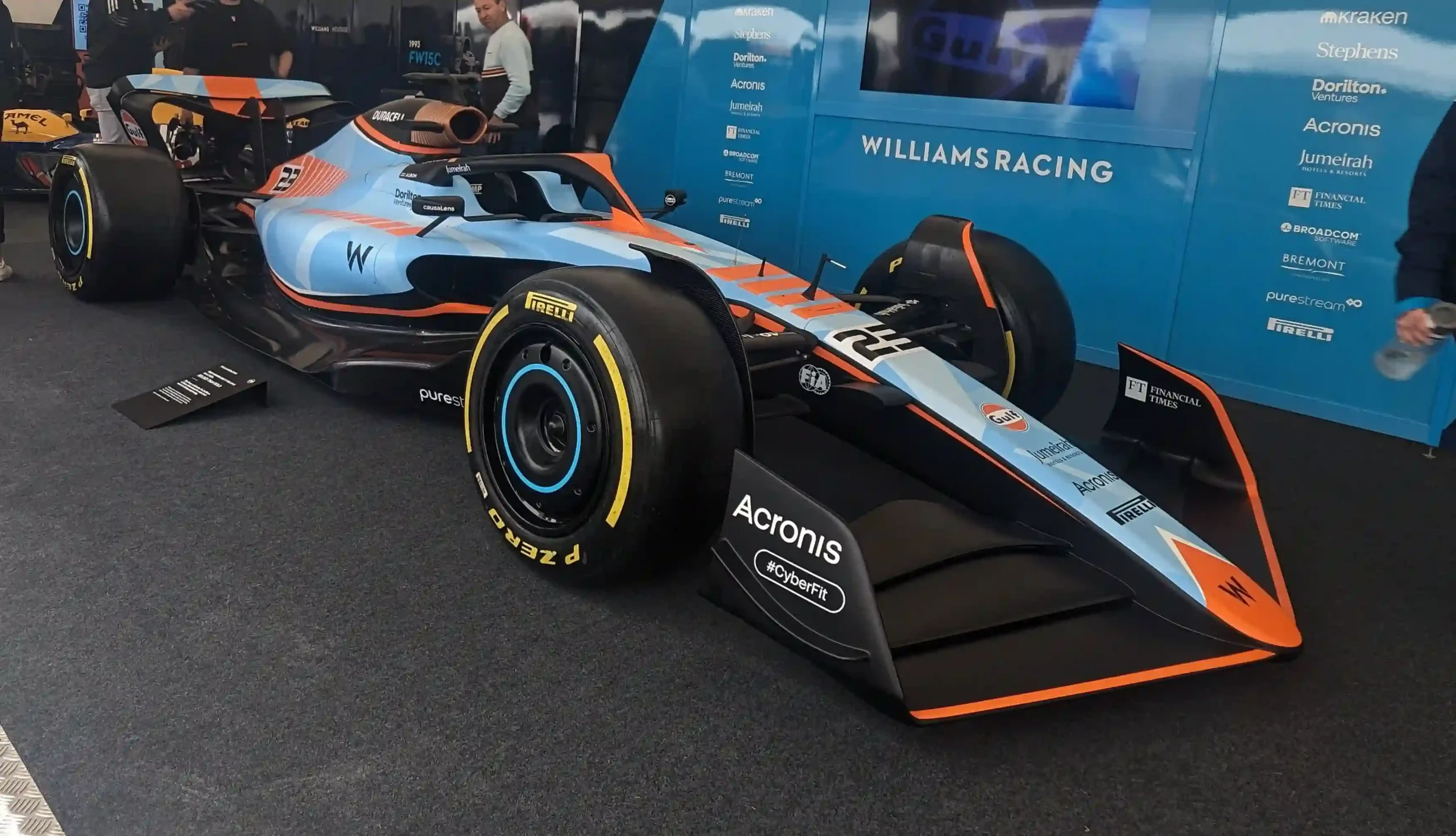
Exposure varies by team, placement and performance. Sponsors can appear during practice, qualifying, races, interviews, highlights, photographs and licensed content.
An F1 weekend creates several broadcast sessions. The race is only the largest part.
News coverage begins before Friday. Analysis can continue until the next Grand Prix.
Car Placement Matters
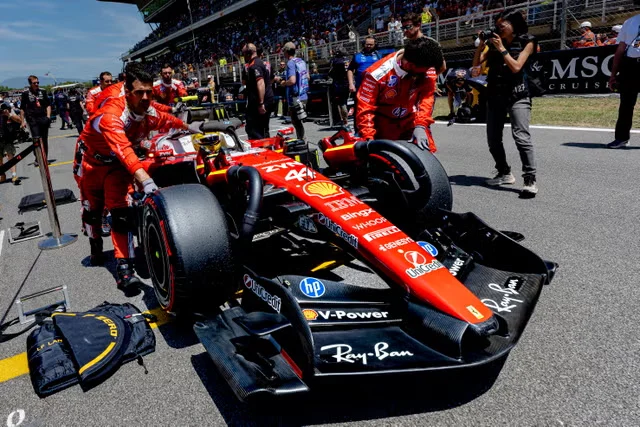
Sidepods appear in broad trackside shots. The halo and cockpit appear on onboard cameras.
Rear wings can dominate following shots. Therefore, the price depends on expected camera visibility.
Team Naming Creates Verbal Exposure
A title sponsor can enter the official team name. Commentators and journalists then repeat it.
This exposure continues even when the logo is unreadable. Naming rights therefore carry a premium.
Performance Changes Screen Time
Leading cars receive more coverage. Podiums add interviews and celebration images.
However, midfield battles can produce intense exposure. Popular drivers also attract cameras during difficult seasons.
Historic Liveries Retain Value
Classic sponsor designs appear on model cars, clothing and museum displays. They remain recognizable decades later.
Explore the World of Speed Ferrari collection and its special exhibits.
8. Digital Content Increased Sponsorship Importance
It is now a major part of the package. Formula 1 reported 114.5 million social followers and more than 2.3 billion engagements in 2025.
Digital content keeps the partnership active between races. It also reaches fans who do not watch every session.
Teams publish factory videos, challenges and technical features. Sponsors can appear inside the story.
Content Can Outlive the Race
A social video can gather views for months. A television logo disappears when the broadcast ends.
Therefore, content rights create long-term value. Sponsors can reuse approved material across their own channels.
Digital Campaigns Are Easier to Measure
Brands can track clicks, sign-ups and video completion. Promotions can connect engagement with sales.
Consequently, digital rights help prove return. Traditional media value alone cannot show customer behavior.
Drivers Provide Separate Audiences
Each driver has personal followers. Their interests can extend into gaming, fashion and fitness.
Read about the 2026 Formula 1 driver lineup and how F1 driver earnings work.
Creative Activations Can Break Out
The LEGO drivers’ parade in Miami became a major 2025 story. Formula 1 reported 12 billion in earned media reach.
That activation showed the difference between rights and ideas. A memorable concept can outperform routine logo placement.
9. Hospitality Makes Sponsorship a Sales Tool
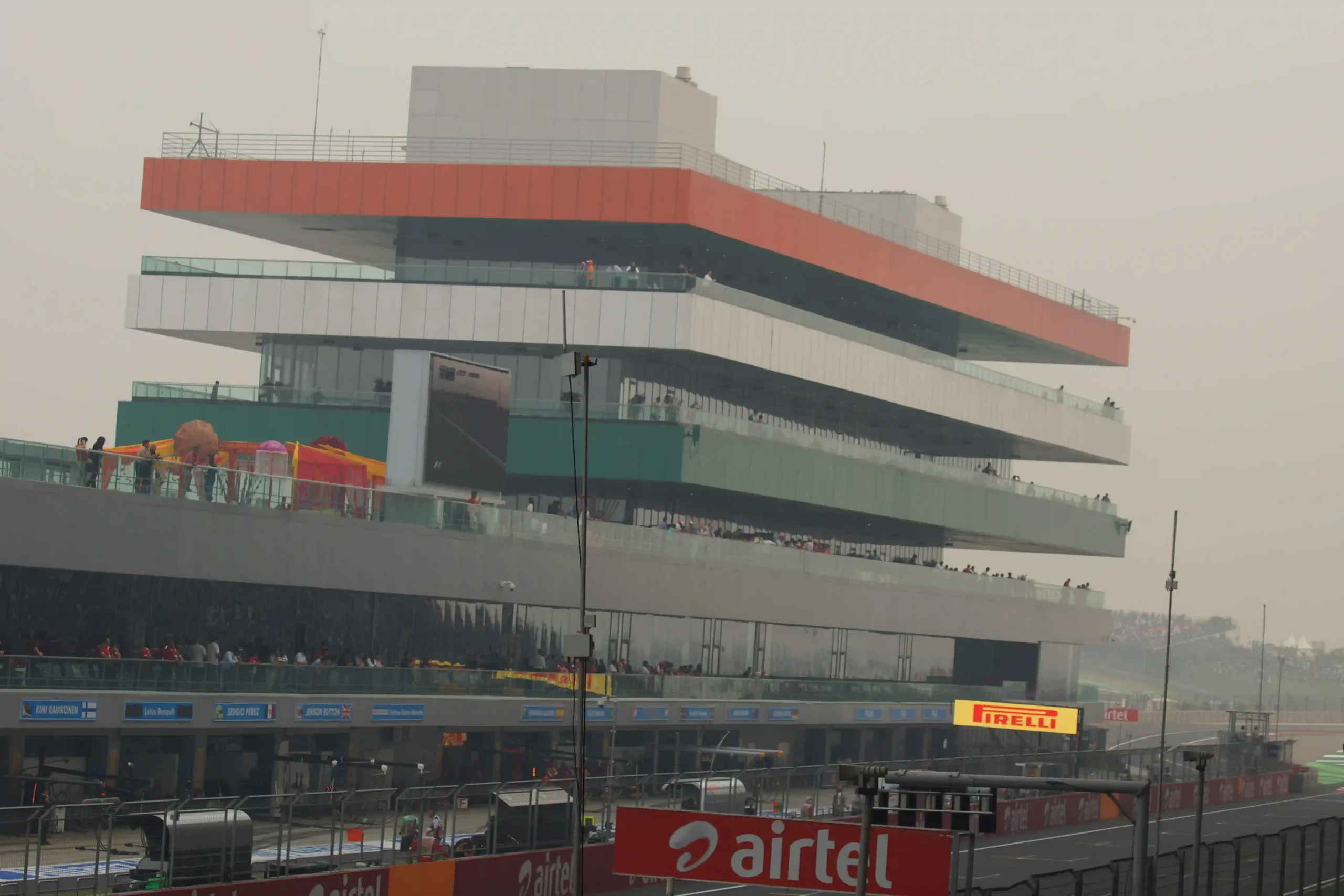
Hospitality lets sponsors host customers, prospects, employees and investors inside a premium event. It can support sales and retention directly.
For many B2B brands, hospitality is central. The logo may create credibility, but the guest program creates relationships.
Formula 1 brings executives together across major cities. Therefore, the calendar acts like a moving business conference.
Guests Receive an Exceptional Experience
Packages can include premium dining and pit-lane access. Team partners may add garage tours or driver appearances.
The experience is difficult to reproduce elsewhere. It creates strong memories around the sponsor.
Sales Teams Can Target High-Value Prospects
A company can invite customers linked to active opportunities. Senior leaders can join those discussions.
Consequently, one successful contract can justify a large share of the sponsorship fee.
Hospitality Helps Customer Retention
Existing clients also need attention. A race weekend can strengthen relationships before renewal negotiations.
However, guest selection must be disciplined. Random invitations rarely produce strong commercial return.
Employee Rewards Add Internal Value
Sponsors can reward high-performing staff. They can also use factory visits for recruitment and engagement.
Therefore, the partnership supports the employer brand as well as external sales.
10. Technical Sponsors Can Improve the Team
Technical sponsors can provide software, cloud systems, cybersecurity, fuels, lubricants, materials, manufacturing tools and engineering services.
The best technical partnerships are not cosmetic. The team uses the product in real operations.
This helps the team and gives the sponsor a credible case study. Both sides therefore gain measurable value.
Formula 1 Is a Demanding Test Environment
Teams process data under severe time pressure. Equipment must work during travel, heat and vibration.
A product that succeeds there gains credibility. However, the team will not accept poor performance for marketing reasons.
Software Partners Support Decision-Making
Cloud and analytics systems can support simulation and remote operations. Cybersecurity protects valuable intellectual property.
Consequently, technical partners can influence speed without manufacturing a visible car part.
Materials and Fluids Affect Reliability
Fuels, lubricants and advanced materials operate under extreme conditions. Partners can develop products with the team.
The public association then supports road-car or industrial marketing. Real technical work makes the claim stronger.
Value-in-Kind Still Has Value
A partner may provide services alongside cash. Teams must account for relevant benefits correctly.
Therefore, “free technology” is not truly free. It changes costs and must fit financial regulations.
Learn how an F1 race engineer and a technical director use technology.
11. Drivers Make Sponsorship Human
Drivers give sponsors recognizable faces, personal stories, social audiences and campaign opportunities beyond the car.
The car communicates performance. The driver communicates emotion and personality.
Brands use drivers in advertising, launches and customer events. This can make a technical partnership easier to understand.
A Champion Provides Prestige
World champions bring authority and winning associations. Their campaigns can reach beyond motorsport.
However, a popular younger driver may create stronger digital engagement. Results are not the only measure.
Nationality Can Open Markets
A driver can attract brands from a home country. Regional fans may also follow the team more closely.
Therefore, commercial appeal can support a driver’s value. Sporting ability still remains essential.
Personal Sponsors Need Clear Boundaries
Drivers can hold individual endorsements. Team partners may already control the same category.
Contracts therefore define image rights and appearance days. They also manage conflicts.
Driver Changes Create Risk
A transfer can disrupt a campaign built around one personality. Sponsors often secure team rights to reduce that risk.
Nevertheless, the driver remains a powerful activation tool. Fans connect with people more easily than companies.
12. Title Sponsorship Shows the Highest Level of Importance
A title sponsor receives premium rights and may enter the official team name. It usually receives major branding, hospitality, content and category exclusivity.
Naming rights connect the sponsor directly with the team identity. Media outlets may repeat the sponsor name in every report.
Therefore, title partnerships create value beyond car space. They influence written and spoken coverage.
Audi and Revolut Show Strategic Integration
Revolut became title partner of Audi’s 2026 team. The relationship also included financial operations and merchandise checkout.
This shows how modern sponsorship combines brand rights with product use. It is more than a naming deal.
Toyota Expanded Its Haas Relationship
Toyota Gazoo Racing became Haas title sponsor for 2026. The relationship had already supported testing and simulator development.
Consequently, the title agreement grew from technical cooperation. That creates a stronger story than logo placement alone.
Gucci Will Reshape Alpine’s Identity
Gucci was announced as Alpine’s title partner from 2027. The team is expected to race under a new name and color scheme.
This demonstrates Formula 1’s reach into luxury and fashion. Sponsorship can reshape the visual identity of a constructor.
Title Sponsorship Is Not Ownership
A title partner buys commercial rights. It does not automatically receive equity.
Red Bull is a different model because the brand owns the team. Read more about Red Bull Racing.
13. Sponsorship Matters Most to Smaller and Independent Teams
Usually, yes. Independent teams have less manufacturer support and therefore rely more heavily on commercial income and Formula 1 payments.
A large automaker can cover losses for strategic reasons. An independent team has fewer financial safety nets.
Therefore, sponsor retention can influence hiring, facilities and long-term planning.
Smaller Teams Can Offer Better Access
A sponsor may receive more attention from senior management. It can also buy a larger branding position.
Consequently, the partnership may feel more important internally. That can improve activation quality.
Underdog Stories Attract Fans
A smaller team fighting larger rivals creates emotional appeal. Sponsors can become part of that journey.
Improvement also provides natural content. However, television exposure remains less predictable.
Technical Integration May Be Deeper
A smaller organization can adopt partner technology quickly. Senior engineers may participate in detailed case studies.
That can produce stronger B2B value. The sponsor receives real proof rather than generic claims.
Commercial Mistakes Carry Greater Risk
One failed payment can leave a serious gap. A broad portfolio therefore protects the team.
See the 2026 F1 teams list for the current mix of manufacturers and independents.
14. Sponsorship and Performance Influence Each Other
Not directly, but commercial income can fund staff, equipment and stability. Technical partners can also improve tools and processes.
A sponsor does not create lap time by itself. The team still needs strong engineering and operations.
However, stable income allows better planning. That can improve performance over several seasons.
Results Increase Sponsor Value
Winning creates more television time. Podiums add interviews and celebration images.
Therefore, the team can charge higher prices. Strong results also help renew existing partners.
Commercial Stability Supports Staff Retention
Employees need confidence in the organization. Financial uncertainty can encourage key people to leave.
Stable sponsorship therefore protects knowledge. Continuity is valuable in a technical sport.
Technical Partners Can Improve Efficiency
Better software can reduce wasted work. Reliable logistics can prevent delays.
Consequently, sponsorship can improve the process that creates performance. The effect may be indirect but still real.
Poor Performance Does Not End All Value
Historic teams retain loyal audiences. Popular drivers also generate attention.
A creative digital program can protect sponsor value. Teams therefore need strong commercial work during difficult seasons.
15. What Happens When an F1 Team Loses a Sponsor?
The team loses revenue and may need owner funding, replacement partners or cost reductions. The visual identity and activation program can also change immediately.
Not every departure creates a crisis. Contracts end naturally and sponsors change strategy.
However, an unexpected withdrawal can create a serious cash-flow problem. Smaller teams face the greatest risk.
The Team Must Replace Revenue
Commercial staff search for new partners. Owners may cover the gap in the meantime.
Consequently, planned investment can slow. Recruitment or facility projects may be reconsidered.
Branding Can Change Overnight
Logos may be removed from cars and clothing. New panels and digital assets must be produced quickly.
This creates operational work during an already busy season. It can also confuse fans and customers.
Technical Support May Disappear Too
A technology partner can supply systems and expertise. Ending that deal may require a replacement platform.
Therefore, the impact can extend beyond cash. The team may need to migrate tools or services.
Sponsor Risk Runs Both Ways
A team controversy can harm the brand. A sponsor bankruptcy can harm the team.
Contracts therefore include termination and reputation clauses. Both parties protect themselves.
16. Sponsorship Changed the Appearance and Economics of F1
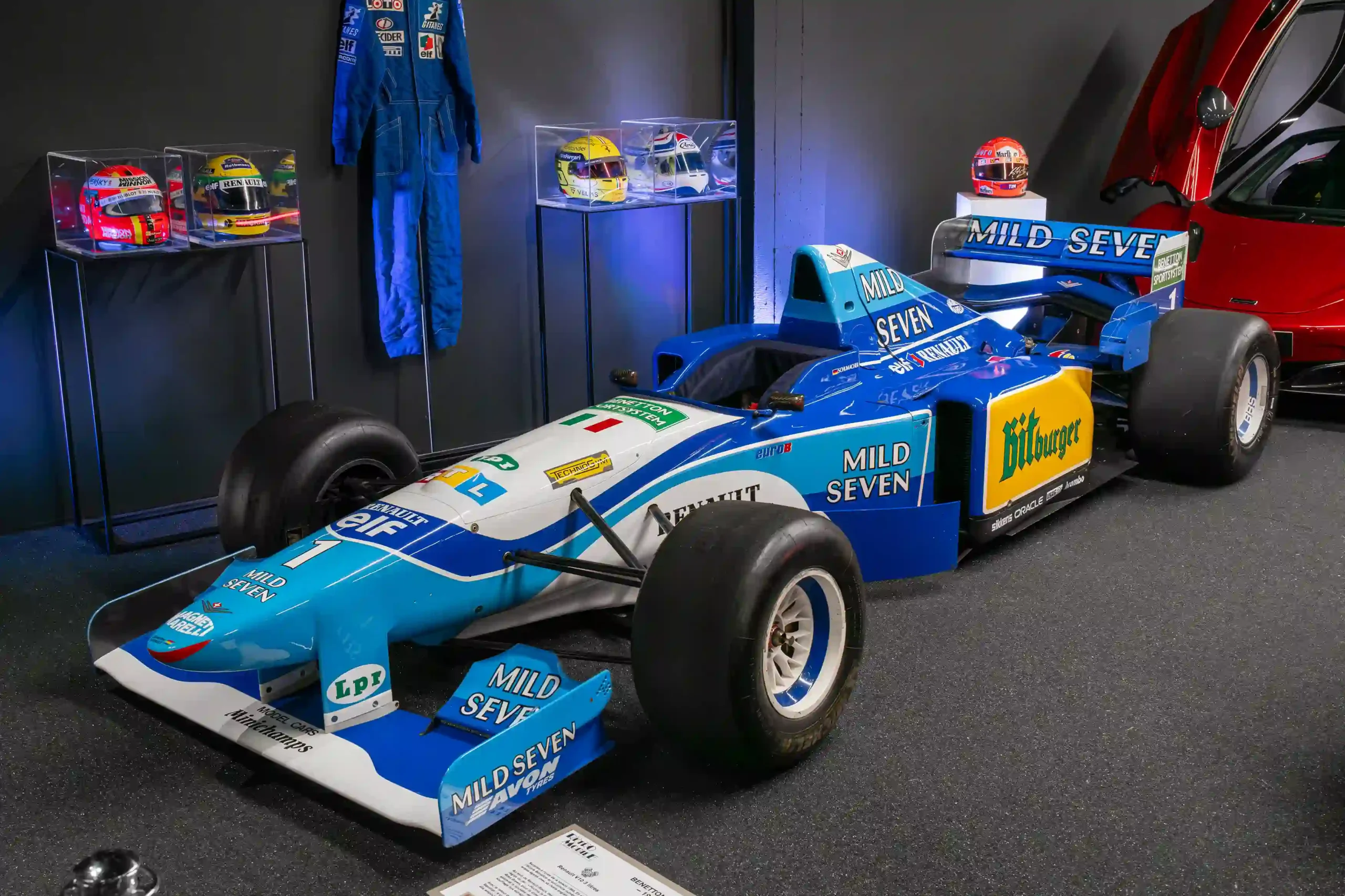
Commercial liveries became prominent in 1968. Team Lotus replaced traditional British racing green with the colors of Gold Leaf.
Early Formula 1 cars were usually painted in national racing colors. British cars were green, while Italian cars were red.
Commercial sponsorship changed that tradition. Cars began carrying brand identities instead.
Lotus Proved the Visual Power
Gold Leaf Team Lotus created one of the first modern sponsor liveries. The car became an advertising asset.
Later black-and-gold Lotus designs became even more famous. Sponsor colors entered racing culture.
Tobacco Money Expanded the Sport
Tobacco companies funded teams for decades. Their budgets supported drivers, technology and international expansion.
Advertising restrictions later forced diversification. Technology, finance and consumer brands filled the space.
Television Increased the Price
Global broadcasts turned one livery into worldwide exposure. Teams designed logo placement around camera angles.
Consequently, sponsorship became a professional media product. Measurement and contracts became more sophisticated.
Digital Media Expanded the Inventory
Modern sponsors buy content, data and experiences. Car branding remains important but no longer stands alone.
Historic liveries still generate merchandise revenue. Sponsorship can therefore create value long after a contract ends.
17. The 2026 Market Shows Sponsorship Is Still Growing
Yes. Formula 1 and its teams continued announcing new and extended partnerships across banking, insurance, aviation, entertainment, technology and luxury.
Standard Chartered joined Formula 1 in a multi-year agreement from 2026. It became wealth management and corporate banking partner.
The bank highlighted its presence in nearly every market where F1 races. This shows the value of geographic alignment.
Marsh Joined for Risk and Insurance
Marsh became official risk and insurance broking partner in April 2026. It operates in 130 markets.
The deal targets business leaders as well as fans. Therefore, it demonstrates F1’s B2B importance.
Flexjet Added Operational Relevance
Flexjet became official private aviation supplier in July 2026. The partnership also supports travel requirements for key personnel.
This connects branding with a real service. The company can demonstrate operational capability inside a global sport.
Allwyn Renewed After One Season
Allwyn extended its agreement in March 2026. The new deal added interactive and broadcast assets.
A rapid renewal suggests the first season created value. It also shows how rights can expand over time.
Team Title Deals Remain Attractive
Audi launched with Revolut, while Haas expanded with Toyota Gazoo Racing. Gucci will join Alpine from 2027.
These deals cross finance, automotive engineering and luxury fashion. Formula 1 therefore appeals to very different business objectives.
18. Sponsors Must Prove the Return
They track awareness, media exposure, digital engagement, sales leads, hospitality outcomes, customer retention, product sales and market growth.
Importance does not guarantee success. A sponsor can buy excellent rights and activate them poorly.
Therefore, every partnership needs clear objectives. Measurement should begin before the first race.
Media Value Measures Visibility
Specialist firms track logo screen time and audience. They estimate comparable advertising value.
However, visibility does not prove attention. Media value should be one metric, not the whole answer.
Brand Lift Measures Perception
Surveys can track awareness and associations. A technology brand may test whether customers see it as innovative.
Consequently, the sponsor learns whether Formula 1 changed brand meaning. This can justify a long-term deal.
Digital Metrics Show Action
Clicks, sign-ups and video completion show behavior. Promotions can connect engagement with purchases.
These metrics make digital activation easier to evaluate. They also guide future content.
Hospitality Creates Pipeline Value
CRM systems can track guests and sales opportunities. Sponsors can measure meetings, proposals and renewals.
B2B return may take years. Therefore, immediate revenue can understate the partnership’s value.
Employee Value Also Matters
Partnerships can support recruitment and pride. Technical employees may value access to Formula 1 projects.
Lower turnover has financial value. However, the sponsor must measure it separately.
Brand Measures
Awareness, recall, perception, search growth and media visibility.
Commercial Measures
Leads, sales pipeline, customer retention, product sales and market growth.
Relationship Measures
Hospitality attendance, executive meetings, employee engagement and partner renewal.
19. Could Formula 1 Survive Without Sponsorship?
The championship could still race with media rights, promoters and owner funding. However, teams would face major revenue losses and the sport would become less commercially powerful.
A heavily funded manufacturer might continue for strategic reasons. Formula 1 itself would still earn media and promotion revenue.
Nevertheless, the grid would face pressure. Independent teams would suffer first.
Owners Would Need to Spend More
Missing sponsor income must be replaced. Manufacturers and shareholders would carry a larger burden.
This could make participation less attractive. Some owners might reduce investment or leave.
Commercial Departments Would Shrink
Teams would host fewer customers and create less partner content. Race-weekend hospitality would become smaller.
Consequently, Formula 1 would lose part of its business-network role. The paddock would feel different.
Technology Relationships Would Weaken
Teams could still buy software and materials. However, partnership-based collaboration would decline.
This might increase costs. It could also remove useful case-study relationships.
Cars Would Lose Visual Identity
National colors might not return, but liveries would become simpler. Historic sponsor designs would disappear.
More importantly, teams would lose the revenue behind those colors. The visual change would reflect a financial loss.
The Sport Would Become More Dependent
Media rights and race fees would carry greater weight. Economic weakness in either area would become more dangerous.
Diverse revenue protects the championship. Sponsorship therefore improves resilience as well as growth.
Common Myths About Sponsorship in Formula 1
“Sponsor Money Only Pays for Advertising”
False. It supports the whole team budget.
Technical sponsors can also supply products and services.
“The Cost Cap Makes Sponsors Less Important”
False. Revenue remains uncapped.
Strong income can fund excluded costs, facilities and profit.
“Manufacturer Teams Do Not Need Sponsors”
False. Outside partners reduce the owner’s burden.
They also bring technology, customers and global campaigns.
“Only Winning Teams Attract Sponsors”
False. Heritage, drivers and access also create value.
Smaller teams can offer stronger integration and lower entry costs.
“A Technical Partner Is Just a Supplier”
Not always. Some partnerships involve joint development and marketing rights.
The relationship can create operational and commercial value together.
“Logo Size Determines the Deal Value”
False. Hospitality, naming rights and exclusivity can matter more.
Two similar logos may represent very different packages.
Formula 1 Sponsorship FAQs
How important is sponsorship in Formula 1?
It is essential. Sponsorship funds teams, supports Formula 1 revenue, supplies technology and creates global business opportunities.
Could an F1 team survive without sponsors?
A manufacturer-funded team might continue temporarily, but most teams would lose a major income source. Independent teams would face the greatest pressure.
Does sponsor money count toward the F1 cost cap?
Sponsorship revenue is not capped. The cost cap limits defined spending, so sponsor income can also support excluded costs and profit.
What do technical sponsors contribute to F1 teams?
They can provide software, cloud systems, cybersecurity, fuels, lubricants, materials, manufacturing tools and engineering services.
Conclusion: Sponsorship Helps Hold Formula 1 Together
So, how important is sponsorship in Formula 1?
It is one of the sport’s essential commercial pillars. The championship and every team depend on sponsor relationships.
At championship level, sponsorship generated 21.7% of Formula 1’s 2025 revenue. That represented roughly $840 million.
Formula 1 also expanded from 12 partners in 2020 to 31 in 2025. The growth continued during 2026.
However, the importance goes beyond Formula 1’s own accounts. Every team sells a separate partnership portfolio.
That money supports staff, drivers and facilities. It also funds travel, marketing and hospitality.
Independent teams rely on sponsorship most heavily. They have less manufacturer support to cover losses.
Manufacturer teams still need partners. Outside revenue reduces cost and brings useful capabilities.
The cost cap increased the commercial value of sponsorship. Teams cannot spend unlimited money on performance.
Therefore, extra income can support excluded costs and profit. It can also reduce the need for owner funding.
Technical sponsors add another layer. Software, cloud systems and advanced materials can improve operations.
These agreements create real case studies for the sponsor. The team gains tools and expertise.
Hospitality also matters. Formula 1 brings customers and business leaders together across 24 races.
One major contract can justify a large sponsorship investment. B2B value may exceed logo value.
Drivers make the relationship human. They provide stories, social audiences and campaign opportunities.
Title sponsors receive even deeper integration. Their names can become part of a team’s identity.
The global audience strengthens every asset. Formula 1 reported 827 million fans after the 2025 season.
Moreover, 43% were under 35. Female fans represented 42% of the total.
Digital growth keeps partnerships active between races. Formula 1 reported more than 2.3 billion social engagements.
Yet sponsors must still activate well. A logo alone does not guarantee sales or loyalty.
Strong brands measure awareness, leads and customer retention. They also track hospitality and employee value.
Risk remains for both sides. Poor performance, controversy or financial failure can end a deal.
Nevertheless, Formula 1 would be weaker without sponsorship. Owners would need to spend more and teams would lose resilience.
The cars would look different, but the financial effect would matter more. Entire programs would face pressure.
That is the clearest answer to how important is sponsorship in Formula 1. It funds the sport, grows the audience and connects racing with global business.
Sources and Fact-Checking
This article was checked against Formula 1 and Liberty Media information available on July 27, 2026. Team-level sponsorship fees remain private unless a party chooses to disclose them.
- Formula 1 2025 Season Review: fanbase, attendance, social growth and partner expansion
- Liberty Media 2025 Form 10-K: sponsorship share, revenue structure and team payments
- Formula 1 and Standard Chartered partnership, Marsh partnership and Flexjet partnership
- Audi-Revolut title partnership, Haas-Toyota title partnership and Gucci-Alpine title partnership