F1 Marshals: What Do Formula 1 Race Marshals Do?
F1 marshals are trained race officials positioned around the circuit. They show flags, report incidents, clear debris, help recover stopped cars, support medical and fire teams, and protect drivers during every Grand Prix session.
Formula 1 looks like a battle between drivers and teams. However, behind every safe race is a network of marshals watching every corner.

F1 marshals are the trackside safety crew who keep a Formula 1 weekend moving. They are the people in bright overalls near barriers, marshal posts, pit lane exits, recovery zones, and trackside gaps.
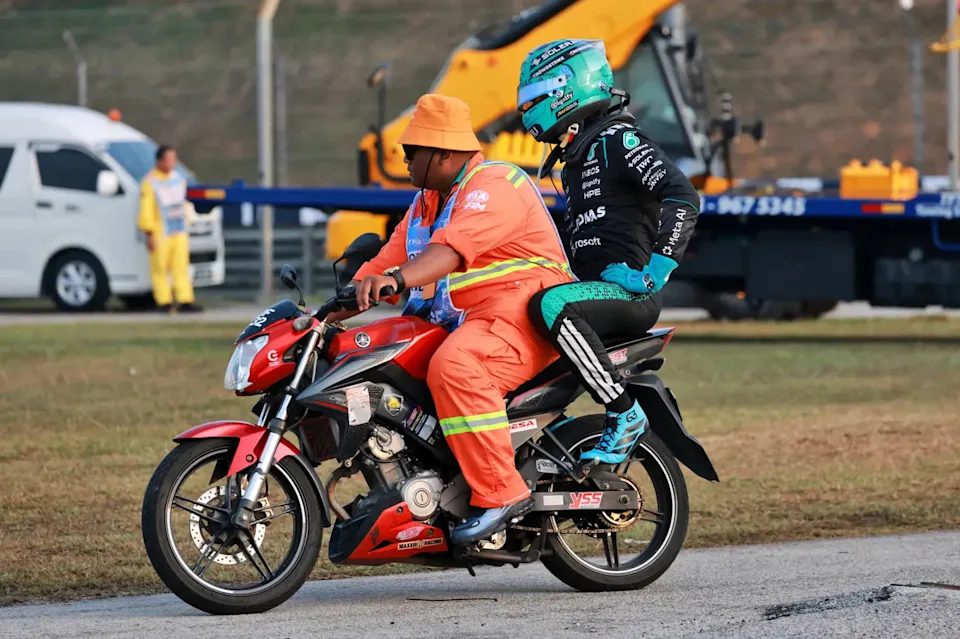
Their work is easy to miss until something goes wrong. However, when a car stops, catches fire, drops debris, or blocks the racing line, marshals become central to the session. They are often the first people near the scene.
That is why Formula 1 race marshals matter as much as the halo in F1, the HANS device, and the F1 car monocoque. Modern safety is a system, and marshals are part of that system.
What Is an F1 Marshal?
An F1 marshal is a trained motorsport official who helps operate a race safely. Most fans think of flag marshals first. Yet the role is wider than waving yellow, green, blue, or red flags.
Marshals observe the track, communicate with race control, help with incident response, and support recovery crews. In addition, they watch for unsafe situations that cameras may not catch instantly.
The FIA Volunteers & Officials structure supports recruitment, training, accreditation, education, safety, and retention across motorsport. The FIA also describes Appendix V to the International Sporting Code as a framework for volunteers and officials.
What Do Formula 1 Marshals Do?
What do F1 marshals do? They help drivers understand danger before the driver reaches it. They also help race control understand what is happening at track level.
A marshal may report a stopped car, oil, debris, fire, damaged barriers, loose bodywork, or unsafe spectator areas. Meanwhile, other marshals may stand ready with extinguishers, brooms, radios, flags, and recovery equipment.
In race terms, that saves time and prevents confusion. A fast report can trigger a yellow flag, Safety Car, Virtual Safety Car, or red flag. Therefore, marshals directly shape race control decisions.
Different Types of Formula 1 Marshals
Formula 1 uses several marshal roles around a race weekend. Some are trackside. Others work in the pit lane, on the grid, near recovery vehicles, or around support areas.
| Marshal Role | Main Job | Why It Matters |
|---|---|---|
| Flag marshal | Shows flag signals to drivers | Warns drivers before they reach danger |
| Incident marshal | Responds near stopped or damaged cars | Helps secure the scene quickly |
| Recovery marshal | Supports vehicle removal | Gets the circuit clear again |
| Pit lane marshal | Monitors pit and fast-lane safety | Reduces risk around teams and cars |
| Grid marshal | Assists pre-race grid procedure | Keeps the start process controlled |
These roles connect with many race rules. For example, if a car cannot leave the grid before the start, marshals may help push it into the pit lane when instructed. Yellow flags then warn approaching drivers.
What Flags Do F1 Marshals Use?
Flags are the fastest language in Formula 1. A driver may be braking from huge speed, fighting DRS, or managing clean air. However, a flag signal still needs to be understood instantly.
A yellow flag warns of danger. A double yellow requires a much stronger reaction because the driver must be ready to slow significantly and possibly stop. Meanwhile, a red flag stops the session.
Formula 1’s flag guide explains that red flags are shown at the start line and marshal posts when the Race Director stops a session. It also explains yellow, white, blue, and yellow-red striped flags.

Race analyst view: The yellow flag is not just a warning. It changes braking points, lap validity, overtaking rules, and race rhythm in seconds.
What Happens After a Crash in Formula 1?
After a crash, the first job is safety. Marshals check whether the driver is moving, whether the car is live, whether there is fire, and whether the track is blocked. They also stay aware of traffic still moving nearby.
Race control may deploy yellow flags, a Virtual Safety Car, a full Safety Car, or a red flag. Meanwhile, marshals and recovery teams clear debris, move damaged cars, and report track condition. This links directly with what causes crashes in motor racing.
Sometimes the danger is not dramatic. A piece of F1 bodywork, a broken front wing, or fluid on the racing line can still cause a second incident. As a result, marshals must act quickly but carefully.
How Do You Become an F1 Marshal?
Most Formula 1 marshals begin through local motorsport clubs and national governing bodies. The exact process depends on the country. However, the normal path involves registration, training, practical event experience, and discipline-specific learning.
Motorsport UK says the best way to start as a volunteer marshal is to join a club and attend a taster day. Its marshal training guidance also explains that people can complete an online course and apply to become a Registered Marshal.
That does not mean a beginner walks straight into a Grand Prix post. Instead, experience builds across club events, national meetings, and larger races. Therefore, the best marshals are calm, observant, disciplined, and able to follow instructions under pressure.
Are F1 Marshals Paid?
Many Grand Prix marshals are volunteers. They give their time because they love motorsport and want to support safe racing. However, arrangements can vary by country, role, event organizer, and local motorsport authority.
The FIA places major focus on volunteers and officials because motorsport depends on them. In fact, FIA reporting says more than 20,000 FIA-trained volunteers are required across a 24-round F1 championship calendar.
That number explains the scale. Formula 1 is not only 20 drivers and 10 teams. It is also a huge operational workforce behind the fences.
F1 Marshals vs Stewards: What Is the Difference?
Marshals work trackside and report what they see. Stewards judge incidents and apply penalties when rules are broken. That is the simplest difference.
For example, a marshal may report debris, contact, or a car stopped in a dangerous position. Then race control and stewards use reports, video, timing data, and rules to decide what happens next.
This connects with appeals in F1, drive-through penalties, and the FIA. Marshals help feed the system. Stewards make formal sporting decisions.
Final Verdict
F1 marshals are the quiet safety backbone of a Grand Prix. They wave flags, report danger, clear the circuit, support rescue crews, and help race control protect everyone involved.
Drivers may get the trophies. Teams may get the headlines. However, Formula 1 cannot run without trained marshals posted around the circuit.
For fans, they are the orange overalls near the barriers. For drivers, they are the first line of help when the car stops in the wrong place.
FAQs About F1 Marshals
What is an F1 marshal?
An F1 marshal is a trained race official who helps keep sessions safe through flags, observation, reporting, recovery support, and incident response.
What do Formula 1 marshals do?
They display flags, report incidents, help clear debris, assist recovery crews, monitor track safety, and support emergency response teams.
Are F1 marshals volunteers?
Many F1 marshals are volunteers. Local arrangements can vary, but volunteer marshals are central to motorsport worldwide.
How do you become an F1 marshal?
You usually start through a national motorsport club, complete training, gain event experience, and progress through local and national races.
What is the difference between marshals and stewards?
Marshals work at the circuit and report incidents. Stewards review evidence and decide penalties or sporting outcomes.