Why Are F1 Tickets So Expensive?
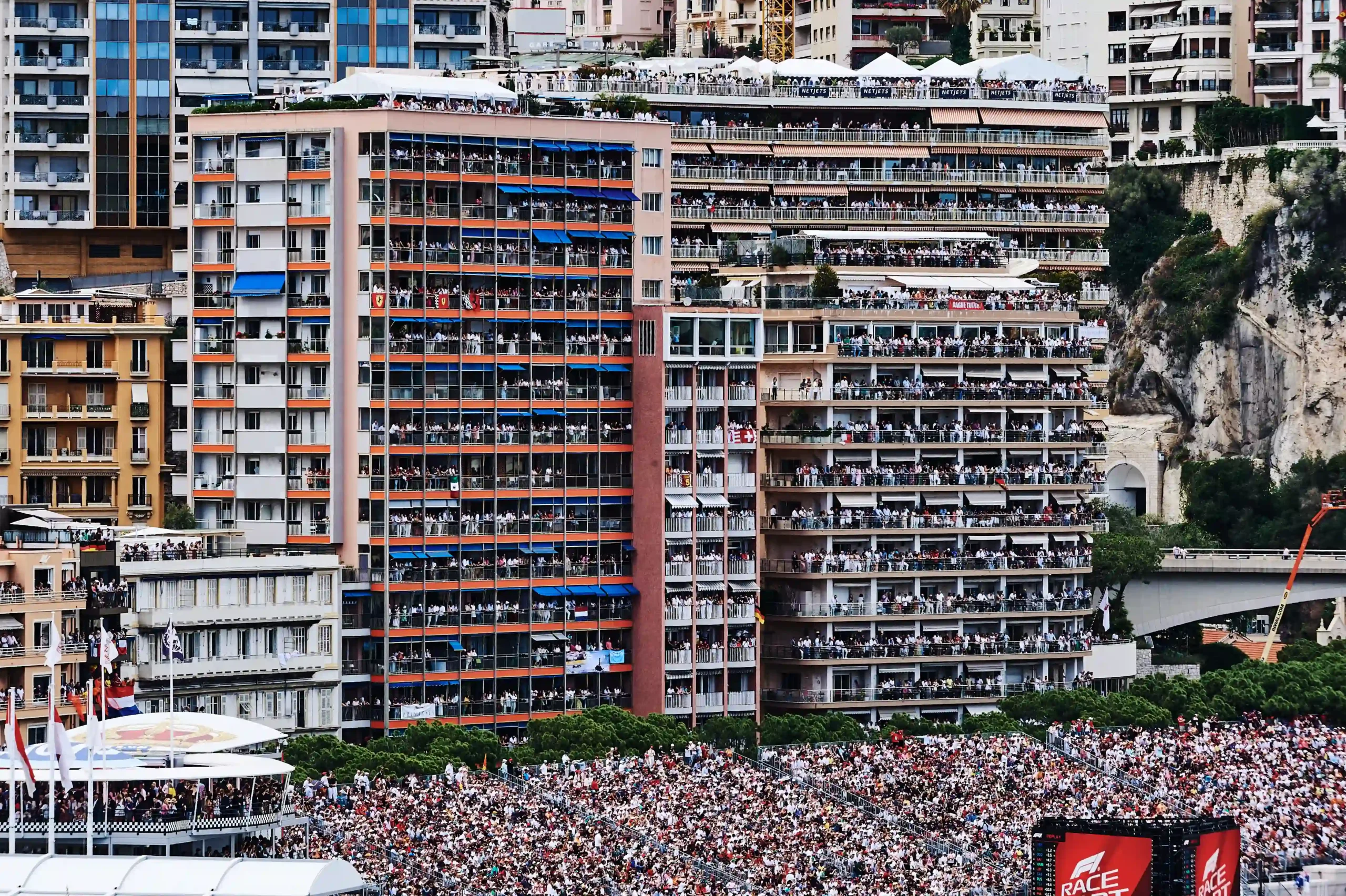
A Grand Prix ticket pays for more than two hours of racing. It buys scarce trackside space inside a global event with huge demand, complex infrastructure and premium entertainment.
F1 tickets are expensive because demand is enormous, good viewing space is limited, promoters pay major hosting and operating costs, and many passes include several days of racing, concerts and fan-zone entertainment.
Formula 1 sells a scarce seat beside one of the world’s most popular annual sporting series.
A circuit cannot add unlimited front-row viewing. Meanwhile, millions of fans want to attend.
That imbalance pushes Formula 1 ticket prices upward. However, scarcity is only the beginning.
A Grand Prix promoter must prepare the circuit, build grandstands and hire security. Street races also require barriers, bridges and road closures.
In addition, promoters often pay Formula 1 for the right to stage the event. Those agreements commonly include annual fee increases.
The weekend itself has become larger too. Fans may receive Formula 1, support races, concerts, driver appearances and sponsor activations.
Therefore, a modern race is closer to a three-day sports festival than a normal game. Premium races sell an entire destination experience.
Demand has kept rising. Formula 1 reported record season attendance of 6.7 million in 2025.
Nineteen of the 24 events sold out. Four weekends drew more than 400,000 attendances.
Nevertheless, there is no useful global “average F1 ticket price.” Every promoter uses different categories, currencies and sales phases.
Official 2026 examples show the range. Las Vegas offered a $50 Thursday general-admission ticket.
Its three-day general admission began at $492 including taxes and fees. Premium grandstands started above $900.
At Circuit of the Americas, a three-day general-admission pass was listed at $450 including fees. Silverstone’s 2026 weekend general admission ranged from £269 to £419.
Those numbers explain why fans ask, why are F1 tickets so expensive? This guide breaks down the full answer.
It also separates ticket cost from the wider travel bill. Finally, it shows how to buy safely and spend less.
The Direct Answer: Demand Meets a Very Expensive Event
High demand meets limited trackside capacity. Promoters must also pay hosting fees, temporary infrastructure, security, staffing, insurance and entertainment costs.
A baseball team can sell dozens of home games. An NFL team can sell several home dates.
A Formula 1 circuit usually gets one championship weekend each year. The promoter must recover much of its investment during that short window.
Moreover, the most desirable viewing areas are physically limited. A circuit cannot move Turn 1 or create another start line.
Fans compete for those positions. As a result, covered seats and overtaking-zone grandstands command higher prices.
A Grand Prix Is Not Priced Like a Two-Hour Race
Most passes cover Friday, Saturday and Sunday. Some events now include Thursday activities too.
Support categories add more track action. Concerts and fan zones extend the schedule into the evening.
Therefore, a weekend pass often includes 20 or more hours of programmed activity. That does not make every price affordable.
However, it explains why promoters compare the product with a festival rather than one game.
Formula 1 Popularity Increased Faster Than Capacity
The sport’s audience expanded through television, streaming and social media. The number of good trackside seats did not expand at the same rate.
Consequently, sold-out races became common. Formula 1 said 19 events sold out in 2025.
Premium Customers Raise the Ceiling
Corporate guests will pay for suites, catering and access. Wealthy travelers also buy destination packages.
Promoters use that demand to create higher-priced categories. The premium ceiling then changes how fans perceive the entire event.
The expensive part is not only the car on track. It is the right to stand beside a scarce section of track during one globally important weekend.
1. Who Actually Sets Formula 1 Ticket Prices?
Usually, the local race promoter sets and sells the tickets. Formula 1 directly promotes Las Vegas, so it receives that event’s ticket revenue and carries its operating costs.
Many fans assume the teams control ticket prices. They do not.
The driver also receives no direct percentage from your grandstand purchase. Instead, the local promoter manages most ticket inventory.
According to Liberty Media’s filings, promoters can be circuit owners, automobile clubs, event companies or government bodies.
They earn revenue from tickets, concessions, local sponsorship and some hospitality. Formula 1 receives the contracted race-promotion fee.
The Official F1 Ticket Store Is Not the Promoter at Every Race
Formula 1 sells tickets through its official platform. However, the local circuit may also operate its own ticket shop.
Prices, currencies and inventory can differ. Therefore, fans should compare authorized channels before paying.
Las Vegas Is the Main Exception
Formula 1 directly promoted Las Vegas in 2025. It therefore recognized ticketing, sponsorship and hospitality revenue from that event.
It also carried the costs of developing and operating the circuit and paddock facilities. That model gives Formula 1 direct pricing control.
Teams Benefit Indirectly
Teams receive central payments from Formula 1. Those payments come from the championship’s wider commercial business.
Therefore, ticketing can support the ecosystem indirectly. It does not flow straight from one seat to one constructor.
Learn what Formula 1 is and what “Grand Prix” means in F1.
2. Record Demand Gives Promoters Pricing Power
Yes. Formula 1 reported 6.7 million season attendance in 2025, with 19 of 24 events sold out. Limited capacity lets promoters charge more for popular categories.
Demand is the simplest explanation. Yet the numbers show how powerful it has become.
The 2025 season set a new combined attendance record. Great Britain attracted 500,000 visits across its weekend.
Australia reported 465,000. Belgium, Italy and Canada each exceeded 350,000.
Weekend Attendance Is Not Unique Visitors
A three-day ticket holder can count once each day. Therefore, weekend totals should not be read as unique spectators.
Nevertheless, the figures show the operational scale. Hundreds of thousands of gate entries require staff and facilities.
Demand Is Concentrated in the Best Areas
A circuit may have plenty of total land. However, only some areas offer clear views, large screens and nearby services.
Fans compete hardest for those sections. Consequently, Turn 1 and main-straight seats can sell out quickly.
New Fans Increase First-Time Demand
Formula 1’s global fanbase reached 827 million after 2025. Younger fans and U.S. growth added new buyers.
Many want a first live race. That creates demand before repeat visitors even enter the market.
Scarcity Encourages Early Buying
Promoters release tickets in phases. Fans fear losing their preferred grandstand.
As a result, people buy months in advance. Early cash also helps promoters prepare the event.
Check the 2026 Formula 1 schedule and when the next F1 race takes place.
3. Race Promoters Carry Large Fixed Costs
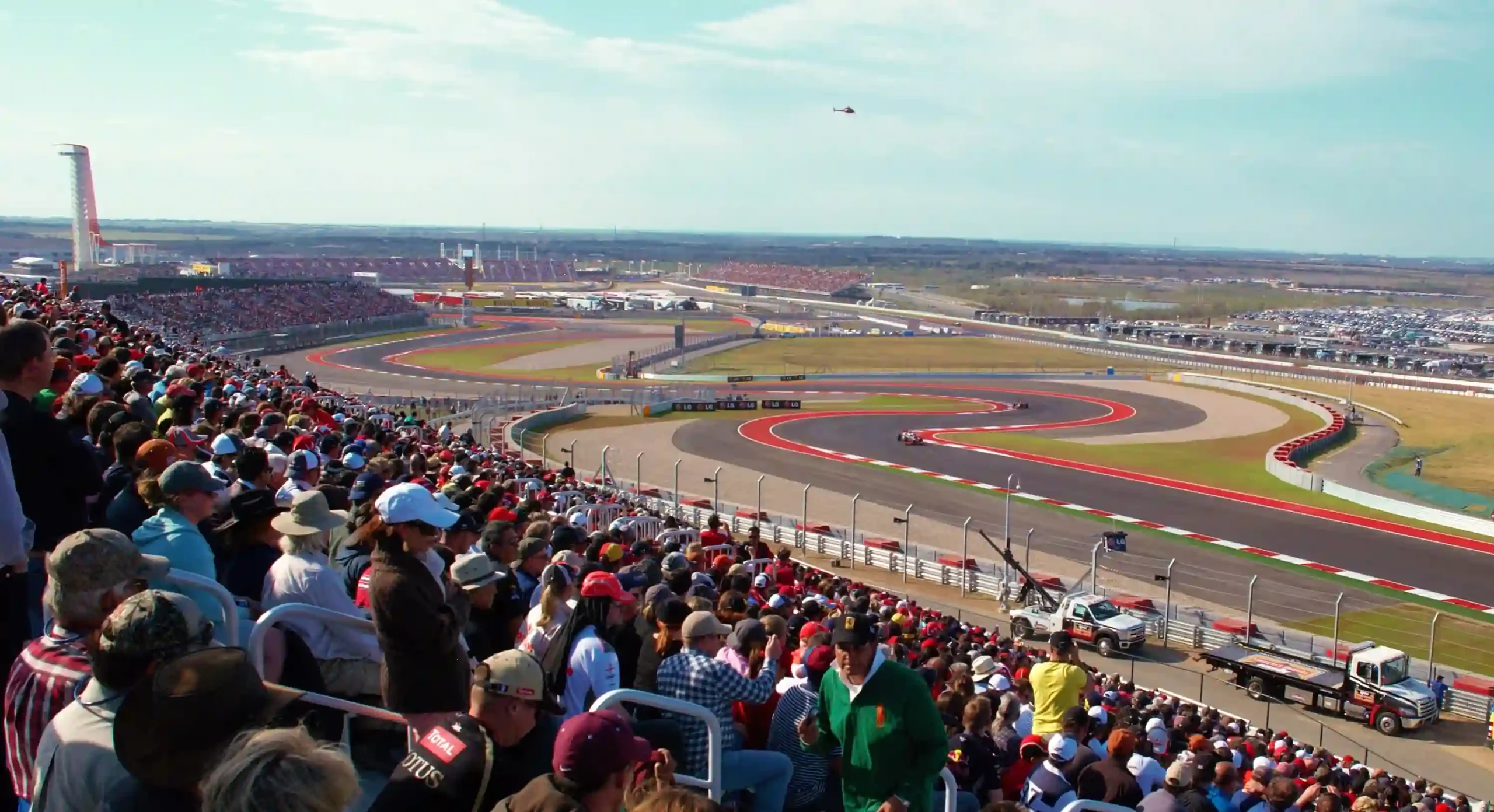
Yes. Promoters must fund the hosting agreement and local event operation. Those fixed costs influence the amount each event must earn from tickets, sponsorship and hospitality.
Liberty Media says F1 race-promotion contracts usually begin with terms of three to seven years.
Many contracts include annual fee escalators. These can follow inflation or fixed increases of up to 5% per year.
That means the promoter’s obligation can rise before a fan enters the gate. Ticket revenue helps cover that commitment.
The Circuit Must Become an F1 Venue
Permanent circuits still require resurfacing, barriers and maintenance. They also need FIA-approved safety systems.
Temporary tracks require much more construction. Workers install walls, fencing, bridges and grandstands.
Security Is a Major Operation
A sold-out weekend needs screening, crowd control and emergency planning. Police and private security may both participate.
Moreover, promoters need medical teams, marshals and fire services. These functions cannot be reduced when demand rises.
Transport Requires Planning
Rural circuits need parking, shuttles and traffic management. City races need road closures and public-transport plans.
Poor transport can ruin the fan experience. Therefore, promoters spend heavily before the gates open.
Weather Risk Remains With the Event
Rain or heat can reduce concession sales and create extra costs. The promoter still pays most fixed bills.
Consequently, ticket pricing includes risk. A race weekend has only one chance each year to earn its revenue.
4. Street Circuits Cost More to Build and Offer Less Space
Street races require temporary barriers, grandstands, bridges and road closures. Dense city locations also limit viewing space and raise labor, transport and accommodation costs.
A permanent circuit is designed for motorsport. A street circuit must temporarily transform a working city.
Monaco uses roads, sidewalks and harbor space. Las Vegas closes sections of a major tourism district.
Singapore installs extensive lighting for night racing. Each model creates special costs.
Temporary Grandstands Are Expensive
Promoters rent or build seating for one event. Crews then remove it after the race.
That repeated construction adds cost. Permanent grandstands spread their investment across many events.
Urban Land Has a Premium
Hotels, casinos and businesses already use the best locations. The race competes for valuable real estate.
Therefore, a city-center seat includes a location premium. It may also include access to entertainment districts.
Viewing Angles Are Limited
Buildings and barriers block long sightlines. The promoter must create elevated seats and screens.
Consequently, useful viewing inventory remains scarce. This is one reason Monaco grandstands command strong demand.
Permanent Circuits Can Offer Better Value
Large grass banks can support general admission. Camping also reduces hotel dependence.
Explore street circuits versus permanent circuits and what makes a good F1 track.
5. Ticket Categories Create Huge Price Differences
General admission, reserved grandstands and hospitality are different products. View, cover, seat location, food, access and exclusivity all change the price.
A low advertised starting price may cover one practice day. The premium headline may cover a three-day hospitality suite.
Comparing them directly creates confusion. Fans should compare the same number of days and the same access level.
| Ticket Type | Typical Access | Main Trade-Off |
|---|---|---|
| General admission | Standing or open viewing areas, fan zones and basic circuit entry | Lowest price, but no reserved seat and early arrival is important |
| GA Plus | Reserved standing area or lower-density zone | Better space, but still no traditional seat |
| Grandstand | Assigned seat, defined view and usually a nearby screen | Higher price and limited movement during key sessions |
| Premium grandstand | Start line, pit lane, cover or high-demand corner | Strong view, but large location premium |
| Hospitality | Premium viewing, catering, lounge and selected experiences | Very high price and not always full paddock access |
| Team package | Hospitality plus team-branded experiences | Limited inventory and premium pricing |
Days Matter
A Friday-only ticket costs less because practice demand is lower. A Sunday pass covers the main race.
Weekend passes include more action. However, a three-day pass may still offer better value per day.
Cover Matters
Shade and rain protection improve comfort. Covered seats therefore command a premium.
This can be valuable at hot or wet venues. Fans should check the actual roof coverage before paying.
Screen Access Matters
Formula 1 cars disappear from view quickly. A nearby screen lets fans follow strategy and incidents elsewhere.
As a result, two seats with similar track views can have different value. Screen placement matters.
6. Real 2026 F1 Ticket Price Examples
Official examples range from low-cost practice admission to four-figure grandstands. There is no universal price because each event uses different inventory and currencies.
The table below uses published promoter prices. It is not a ranking.
Some races had already taken place by July 27, 2026. Others still had changing inventory.
| 2026 Event | Official Published Example | What It Shows |
|---|---|---|
| Las Vegas Grand Prix | $50 Thursday GA; $492 three-day GA; grandstands from $925 to $2,051, including taxes and fees | One event can offer a low entry point and very expensive premium seats |
| United States GP at COTA | $450 three-day GA including fees; Friday $109.13+, Saturday $271.60+, Sunday $249+ | Concert programming and remaining inventory can make Saturday cost more than Sunday |
| British GP at Silverstone | Friday GA £99; weekend GA £269–£419; race-day grandstands £329–£479 | Capacity-based pricing creates a range for the same basic ticket type |
| Silverstone Hamilton Straight | Four-day reserved seat £629–£879 | Start-finish views carry a major location premium |
| Monaco Grand Prix | Thursday €30; remaining Friday seats from €175 shortly before the event | Day and session change the price dramatically |
The Las Vegas promoter said its starting prices included taxes and fees. COTA also listed its three-day GA price as including fees.
Silverstone explained that some prices rose when categories reached capacity. Therefore, two fans could pay different prices for similar access.
There Is No Reliable Global Average
A global average would mix currencies and different products. It would also become outdated during the sales cycle.
Consequently, the best comparison uses equivalent three-day categories. Fans should also check whether fees are included.
Price warning: Ticket inventory changes quickly. Use these figures as verified 2026 examples, not as a promise of current availability.
7. Dynamic and Capacity-Based Pricing Raises Later Prices
Some promoters use phased or capacity-based pricing. Silverstone said certain 2026 categories increased as they reached capacity, while 35% of tickets stayed at fixed prices.
Not every race uses the same system. However, many events reward early buyers.
Promoters release an initial allocation. Later phases can cost more as the event fills.
Early Sales Fund the Event
Silverstone said early ticket sales support its year-round operation. This cash arrives months before race weekend.
Therefore, lower early prices can benefit both sides. Fans save money and the promoter gains working capital.
Demand Data Changes the Price
If one grandstand sells quickly, the next allocation may cost more. Slower sections can remain unchanged.
Consequently, price movement is not always a universal increase. It can vary by category.
Fees Can Hide the Final Total
Service charges, delivery fees and taxes can appear at checkout. International buyers may also pay currency fees.
Fans should compare the final total, not the first advertised number. Las Vegas helped clarity by publishing prices including taxes and fees.
Payment Plans Do Not Lower the Price
Installments can improve cash flow. However, they do not make an expensive ticket cheaper.
Check for added plan fees and deadlines. Missing a payment may risk the booking.
8. General Admission Is Cheaper but Requires More Effort
It can be excellent value at circuits with large viewing banks and screens. However, fans often need to arrive early and may stand for long periods.
General admission is usually the lowest Formula 1 ticket cost. It gives circuit entry without a reserved seat.
At strong GA venues, fans can move between several corners. At weak venues, fencing and crowds can limit the view.
Arrive Early on Race Day
The best banks fill quickly. Sunday arrivals may queue before gates open.
Therefore, GA rewards preparation. A late arrival can turn a good ticket into a poor experience.
Bring the Right Equipment
Some circuits allow folding chairs. Others restrict large items.
Fans should check bag and chair rules. Comfortable shoes and weather protection are essential.
Look for Elevation
Higher banks offer better sightlines over fencing. They may also show more than one corner.
A nearby big screen increases value. Track maps rarely show the full viewing obstruction.
GA Plus Can Be a Useful Middle Ground
Silverstone sells reserved standing zones. These reduce the rush for space.
However, the price can approach a basic grandstand. Compare comfort and cover before deciding.
9. Grandstands Charge for Certainty and Sightlines
Grandstands provide a reserved seat and predictable view. They are most valuable at braking zones, the start line and sections with a large screen.
A reserved seat changes the day. Fans can leave for food without losing their place.
Moreover, elevation often improves the view. The difference becomes important at crowded races.
Turn 1 Is Popular for a Reason
The start creates close racing and possible contact. Heavy braking also produces overtaking.
Therefore, Turn 1 seats attract demand. They can be among the first categories to rise in price.
The Main Straight Offers Ceremony More Than Racing
Fans see the grid, pit stops and finish. However, cars pass at very high speed.
A corner grandstand may offer more wheel-to-wheel action. The best choice depends on priorities.
Higher Rows Often Give Better Context
Low seats feel close to the cars. Higher seats can show more of the circuit.
Consequently, the most expensive row is not always the best. Study fan videos and maps before buying.
Qualifying Can Be the Best Live Session
Fans can follow individual laps and rising tension. The cars run near maximum speed.
Read how F1 qualifying works, what grid position means and what pole position is.
10. Hospitality Prices Include Access, Food and Business Value
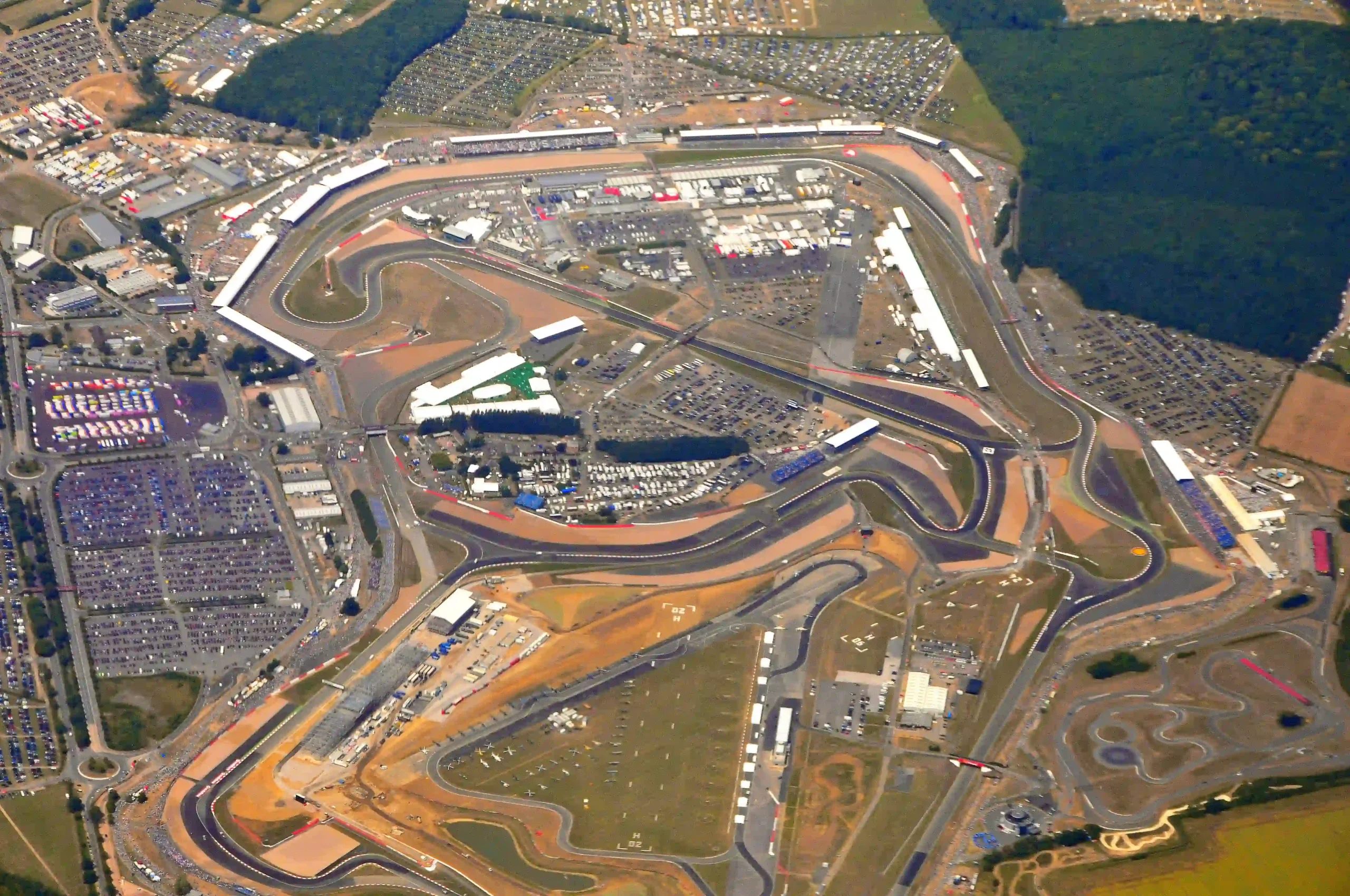
Hospitality combines premium viewing, catering, lounge space and selected experiences. Corporate buyers also value client entertainment and networking.
Hospitality is a different market from normal seating. It is often sold to companies rather than individual race fans.
A business can host customers, prospects and employees. That commercial purpose supports much higher prices.
Food and Drink Are Usually Included
Premium packages often include all-day catering. Some also offer open bars.
However, inclusions vary. Fans should read the package carefully before comparing prices.
Access Is Controlled
Pit-lane walks and guided tours may be included. Full paddock access is not automatic.
Therefore, a “VIP” label can be misleading. The exact access matters more than the name.
Views Can Be Excellent but Not Perfect
A suite may overlook the pit straight. Another may sit farther from the main action.
Hospitality buyers often value comfort and meetings. A dedicated fan may prefer a cheaper corner grandstand.
Team Hospitality Adds Emotional Value
Team packages can include appearances or branded lounges. Inventory is limited.
Consequently, prices rise above standard hospitality. The buyer pays for association as well as comfort.
11. The Ticket Is Only Part of the Race-Weekend Cost
The final budget includes tickets, lodging, transport, food, parking and merchandise. At destination races, those extras can exceed the ticket price.
A $450 general-admission pass does not create a $450 trip. Hotels can become the largest cost.
Flights also rise around popular dates. Local transport can add another surprise.
Hotels Use Their Own Demand Pricing
A city may have limited rooms near the circuit. Prices rise when thousands of visitors arrive together.
Some hotels also require minimum stays. Therefore, one race day can create a three-night bill.
Parking Can Be Expensive
Rural circuits require large parking areas and traffic plans. Premium lots save walking time.
Public transport can cost less. However, fans must check late-night schedules after concerts.
Food and Merchandise Add Up
Venue prices often exceed local restaurants. Team merchandise carries premium branding.
Set a daily budget before entering. Otherwise, small purchases can add hundreds of dollars.
Camping Can Change the Equation
Silverstone and other permanent circuits support camping. This can replace expensive hotels and transport.
However, equipment and campsite fees still matter. Weather also affects comfort.
Fans who cannot attend can compare where to watch Formula 1.
12. Why U.S. Formula 1 Tickets Feel Especially Expensive
U.S. events combine strong demand, premium entertainment, expensive local labor and limited annual inventory. Miami and Las Vegas also sell a destination lifestyle.
The United States had three races in 2026. Each event offered a different model.
COTA used a permanent circuit and major concerts. Miami built a temporary circuit around a stadium.
Las Vegas operated through a tourism corridor at night. Those products are not directly comparable.
Concerts Affect the Price
COTA’s 2026 single-day prices included headline music acts. Saturday was listed above Sunday at the time checked.
This shows that the race session is not the only value driver. Entertainment and inventory also influence price.
Las Vegas Includes a Destination Premium
The event uses the Strip and the Sphere district. Hotels and entertainment compete for customer spending.
Moreover, the promoter builds temporary infrastructure in a high-cost city. Premium suites serve corporate demand.
Miami Sells Lifestyle and Sport
The stadium campus combines racing, food and entertainment zones. Celebrity attention increases demand.
Consequently, some buyers treat the weekend as a luxury event. That raises the available price ceiling.
Austin Usually Offers More Budget Flexibility
Large general-admission banks and camping can lower the total. However, transport and heat require planning.
The best-value U.S. race depends on travel origin. Airfare can erase a cheaper ticket.
13. Why Monaco, Las Vegas and Other Premium Races Cost More
No permanent ranking stays accurate because prices and exchange rates change. Monaco and Las Vegas usually feel expensive because tickets, hotels and hospitality all carry destination premiums.
A race can be expensive in two ways. The ticket may be costly, or the complete trip may be costly.
Monaco has limited space and expensive accommodation. Las Vegas can offer cheaper entry tickets but costly premium seats and hotels.
Monaco’s Capacity Is Naturally Limited
The circuit sits inside a dense city. Grandstands occupy temporary spaces around the harbor.
Buildings create private viewing opportunities. Public ticket inventory remains constrained.
Learn why Monaco is difficult for overtaking.
Las Vegas Has a Very Wide Price Ladder
The 2026 event offered a $50 Thursday ticket. It also listed a main grandstand above $2,000.
Therefore, “Las Vegas price” is not one number. The event serves budget visitors and luxury buyers.
Singapore Adds Night-Race Infrastructure
Lighting and city logistics increase production complexity. Hotels can also command premium rates.
The event includes concerts and a festival atmosphere. Those extras influence the ticket structure.
Silverstone Can Be Expensive Despite Huge Capacity
Demand remains enormous. The event also includes four days of entertainment and support racing.
Formula 1 reported 500,000 attendance visits in 2025. Scale does not eliminate scarcity in the best sections.
14. The Cheapest Ticket Is Not Always the Best Value
The best value usually combines a clear view, nearby screen, easy transport and reasonable lodging. A slightly higher ticket can reduce the total cost and frustration.
Fans often search for the cheapest Formula 1 Grand Prix. That answer changes with travel origin.
A cheaper European ticket may require an expensive flight. A more expensive local race can cost less overall.
Permanent Circuits Often Help Budget Fans
Grass banks create more GA inventory. Camping can reduce lodging costs.
However, rural transport may be difficult. A cheap ticket with expensive taxis is not a bargain.
Friday Can Deliver Excellent Value
Practice offers long track sessions and smaller crowds. Some circuits also include concerts.
Drivers complete many laps. Therefore, Friday can be the cheapest way to hear and see modern F1 cars.
Saturday Can Be the Best Sporting Day
Qualifying creates a clear competitive story. Sprint weekends add another race.
Read how an F1 Sprint weekend works.
A Good GA Ticket Can Beat a Poor Grandstand
Some grass banks show several corners. A low grandstand may show only fencing.
Therefore, research the actual view. Price category alone does not guarantee quality.
15. Are Formula 1 Tickets Worth the Money?
They can be worth it for fans who value the sound, speed and atmosphere of live racing. The answer depends on view, comfort and the total travel budget.
Television provides better overall race coverage. It shows every battle and explains strategy.
The circuit provides physical scale. Fans feel the braking force, noise and crowd reaction.
Live Speed Is Difficult to Understand on Television
An F1 car changes direction with remarkable violence. The acceleration appears more dramatic trackside.
That experience is the strongest argument for attending. It cannot be reproduced by a screen.
The Weekend Includes More Than F1
Formula 2, Formula 3 and other support categories may race. Fan zones display cars and simulators.
Promoters also add concerts and interviews. Therefore, a full weekend rewards fans who use the entire schedule.
Bad Seats Can Destroy Value
A blocked view and long transport queues can make any price feel wrong. Preparation matters.
Choose sightlines before brand prestige. A less famous corner can provide a better race.
Understand the Race Before Attending
Knowledge improves the live experience. Fans can recognize pit windows and safety-car changes.
Read what an F1 pit stop is and how racing pit stops work.
16. Resale Prices and Scams Make Sold-Out Races Worse
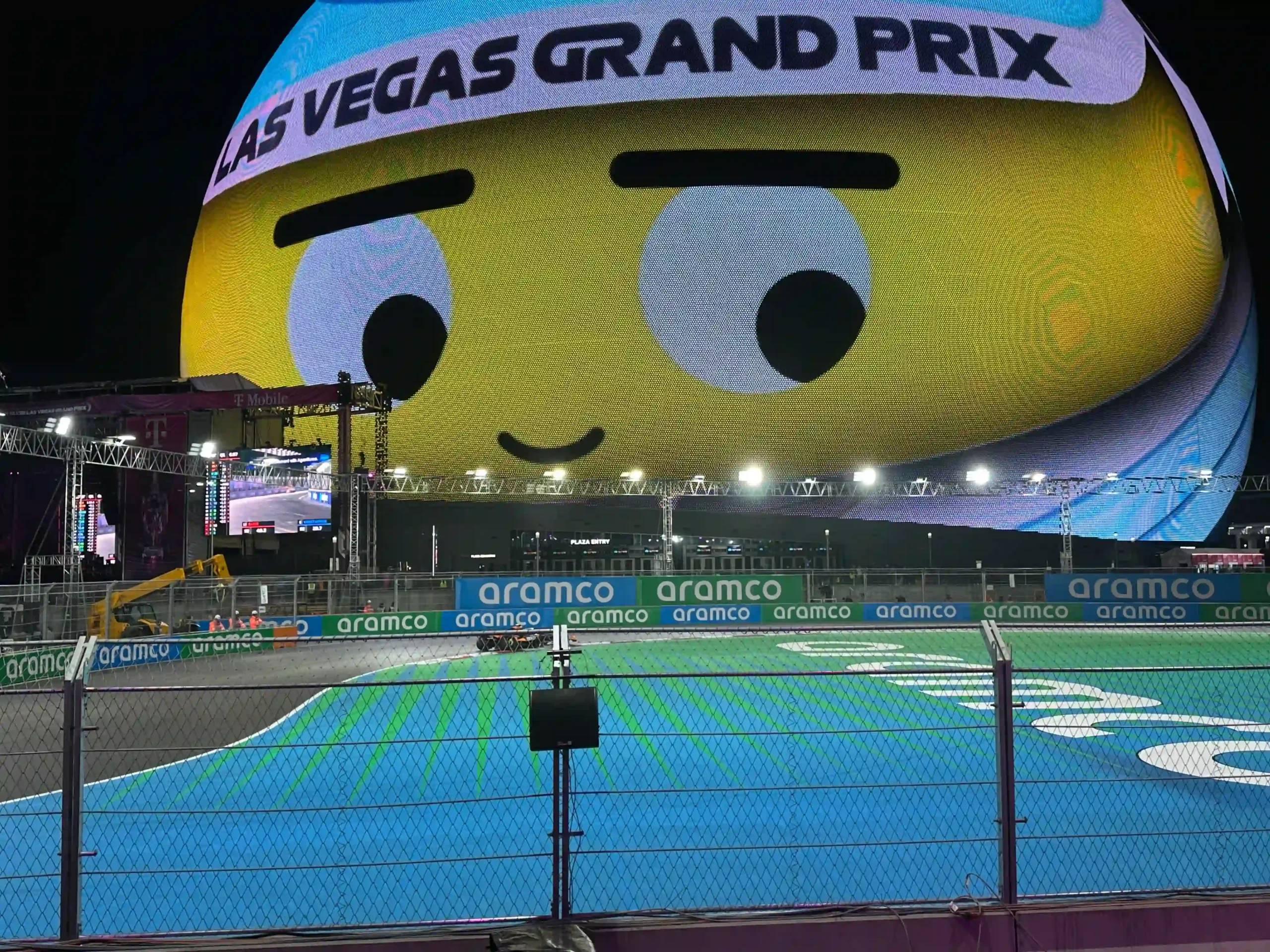
Resellers charge what desperate buyers will pay after official inventory sells out. Platform fees and fraud risk can increase the final cost.
A sold-out grandstand creates a secondary market. Sellers know buyers have limited alternatives.
Consequently, prices can rise far above face value. The most famous races attract the largest markups.
Unauthorized Tickets Can Be Invalid
Silverstone warns that tickets bought through unauthorized channels may be invalidated. It specifically advises against unapproved resale sites.
Therefore, a cheaper unofficial ticket can become a complete loss. Admission is never guaranteed by a screenshot.
Digital Tickets Can Be Duplicated
A fraudster can sell the same code several times. The first scan may enter, while later buyers fail.
Use official transfer systems where available. Avoid direct payments without protection.
Fake Hospitality Is Especially Dangerous
Scammers use words such as paddock and VIP. Real packages should identify the official provider and exact access.
Full paddock credentials are rare. A vague promise should raise concern.
Read Refund and Transfer Rules
Some tickets are non-transferable. Others can be resold only through an official platform.
Check the terms before buying for a group. Name changes may not be simple.
17. How to Save Money on F1 Tickets
Buy early, compare official sellers, consider general admission or Friday, and reduce lodging costs with camping or a hotel outside the host city.
Fans cannot control demand. However, they can avoid many unnecessary costs.
The best savings come from planning the entire trip. A cheap ticket means little beside an expensive hotel.
Buy During the First Official Phase
Early buyers receive the widest seat choice. Some promoters also offer the lowest price.
Silverstone’s capacity model makes this especially important. Waiting can increase the price.
Consider Friday or Saturday
A Friday ticket can be much cheaper. It still provides hours of F1 running.
Saturday offers qualifying and sometimes a Sprint. It can provide strong sporting value without Sunday pricing.
Use General Admission Strategically
Choose a circuit known for banks and screens. Arrive early and carry suitable weather gear.
A prepared GA fan can have a better view than an unprepared grandstand buyer.
Stay Outside the Host Center
Hotels near the track charge for convenience. A rail-connected town can cost less.
However, confirm late transport. Concerts may finish after normal services.
Skip Merchandise at the Circuit
Official team stores may offer sales before or after the event. Circuit prices can be higher.
Bring a spending limit. Emotional purchases are part of the event business model.
18. F1 Tickets Changed From Race Admission to Festival Passes
Modern events provide more safety infrastructure, television facilities, hospitality, entertainment and fan services. Demand also grew far beyond earlier circuit capacity.
Historic Grand Prix crowds often stood on banks with limited facilities. The experience could be exciting but uncomfortable.
Modern fans expect screens, toilets, food and safe access. Those improvements cost money.
Safety Changed the Spectator Environment
Barriers and fencing increased after serious accidents. Circuits created larger protected zones.
These changes reduced some close viewing positions. They also made the event safer.
Television Changed Expectations
Fans can follow every detail at home. The live event must offer more than a distant view.
Therefore, promoters added screens, commentary and entertainment. The weekend became a full product.
Corporate Hospitality Expanded
Formula 1 became a global business platform. Companies host customers beside the track.
This premium demand changed venue design. Suites and lounges now occupy valuable space.
Historic Atmosphere Still Matters
Silverstone, Monaco, Monza and Spa sell heritage. Fans pay to visit places linked with legendary races.
Learn why Spa-Francorchamps is famous.
19. Will Formula 1 Ticket Prices Keep Rising?
Popular categories will likely remain under upward pressure while demand exceeds supply. However, promoters also need affordable entry options to grow the fanbase.
Annual promoter fee increases create cost pressure. Labor, insurance and infrastructure can rise too.
At the same time, Formula 1 needs young fans. A sport built only around luxury customers would weaken long-term demand.
Promoters Are Expanding Lower-Cost Options
Las Vegas reintroduced a $50 single-day ticket for 2026. It also offered payment plans.
This shows that promoters understand accessibility concerns. Premium and budget products can exist together.
More Capacity Can Slow Price Growth
New grandstands increase supply. However, useful land and transport capacity limit expansion.
Temporary stands also cost money. Added seats do not automatically become cheap seats.
Dynamic Pricing Will Remain Controversial
Promoters use it to match demand. Fans dislike paying different prices for similar access.
Clear rules and inclusive fees can improve trust. Hidden checkout increases damage it.
Television Remains the Affordable Alternative
Broadcast subscriptions cost less than a trip. They also provide better race coverage.
Live attendance will remain a special purchase. Therefore, promoters must make the experience feel memorable.
Common Myths About Expensive Formula 1 Tickets
“Formula 1 Sets Every Ticket Price”
False. Local promoters usually control ticket sales.
Las Vegas is different because Formula 1 directly promotes it.
“The Most Expensive Seat Has the Best Racing View”
False. Main-straight seats provide ceremony and pit action.
A cheaper braking-zone seat may show more overtaking.
“General Admission Always Means a Bad View”
False. Some permanent circuits have excellent banks.
However, early arrival and research are essential.
“Hospitality Includes Full Paddock Access”
False. Many packages include lounges and pit-lane walks.
Full paddock access is limited and must be stated clearly.
“The Ticket Is the Biggest Cost”
Not always. Hotels and flights can exceed admission.
Fans should calculate the complete race-weekend cost.
“Waiting Always Produces a Discount”
False. Sold-out categories often become more expensive.
Unauthorized resale also adds fraud risk.
F1 Ticket Price FAQs
Why are F1 tickets so expensive?
Demand is high, premium viewing space is limited, and promoters must fund hosting fees, infrastructure, security and entertainment.
How much do Formula 1 tickets cost?
Prices vary widely. Official 2026 examples ranged from $50 single-day Las Vegas general admission to premium grandstands above $2,000.
Is F1 general admission worth it?
It can offer excellent value at circuits with good banks and screens. However, it usually requires early arrival and more walking.
When is the best time to buy F1 tickets?
Buy early through the promoter or an authorized seller. Early phases offer more choice and can avoid later increases or resale markups.
Conclusion: F1 Tickets Are Expensive Because the Weekend Is Scarce
So, why are F1 tickets so expensive?
The basic answer is scarcity. Millions of fans want a limited number of useful trackside positions.
Formula 1 reported 6.7 million attendance visits in 2025. Nineteen of 24 events sold out.
That demand gives promoters pricing power. Yet popularity does not explain every dollar.
Promoters also pay to stage the race. Their contracts often run for several years.
Many include annual fee increases. Local event costs rise as well.
Permanent circuits need maintenance and safety systems. Street races need temporary walls, bridges and grandstands.
Security, medical services and transport planning add further expense. The promoter must recover those costs during one weekend.
Ticket categories then widen the range. General admission sells basic access.
Grandstands sell certainty, elevation and a reserved seat. Hospitality sells comfort, catering and business access.
Therefore, there is no honest global average F1 ticket price. A $50 practice ticket and a luxury suite are different products.
Official 2026 prices show the gap. Las Vegas started at $50 for Thursday general admission.
Its three-day GA began at $492 including taxes and fees. Some grandstands started above $2,000.
COTA listed a $450 three-day GA pass including fees. Silverstone’s weekend GA ranged from £269 to £419.
Dynamic pricing can increase the bill. Silverstone said some categories rose as capacity filled.
Consequently, early buyers often get the best choice. Waiting can lead to resale markups.
The total trip matters more than the ticket. Hotels, flights and parking can exceed admission.
A cheap foreign race may become expensive after travel. A costly local ticket can be cheaper overall.
General admission remains the main budget option. It works best at circuits with banks and screens.
Friday is another strong choice. Fans see hours of running with smaller crowds.
Grandstands justify their premium when the view is excellent. A bad main-straight seat is not automatically better than a good corner.
Hospitality serves a separate market. Corporate buyers value clients and networking.
Finally, fans should use official sellers. Unauthorized tickets can fail at the gate.
Formula 1 will remain expensive while demand exceeds supply. However, careful planning can still create a memorable weekend at a sensible total cost.
That is the complete answer to why are F1 tickets so expensive: the ticket combines scarce space, a costly event and a global audience willing to travel.
Sources and Fact-Checking
This article was checked against official Formula 1, Liberty Media and race-promoter information available on July 27, 2026. Prices change with inventory, so published examples are dated and should not be treated as current availability guarantees.
- Formula 1 2025 Season Review: attendance, sellouts and fanbase growth
- Liberty Media 2025 Form 10-K: promoter contracts, ticket revenue and Las Vegas operations
- Silverstone’s official 2026 British Grand Prix ticket-price explanation
- Official 2026 Las Vegas prices, official 2026 COTA general-admission price and official Monaco ticket information