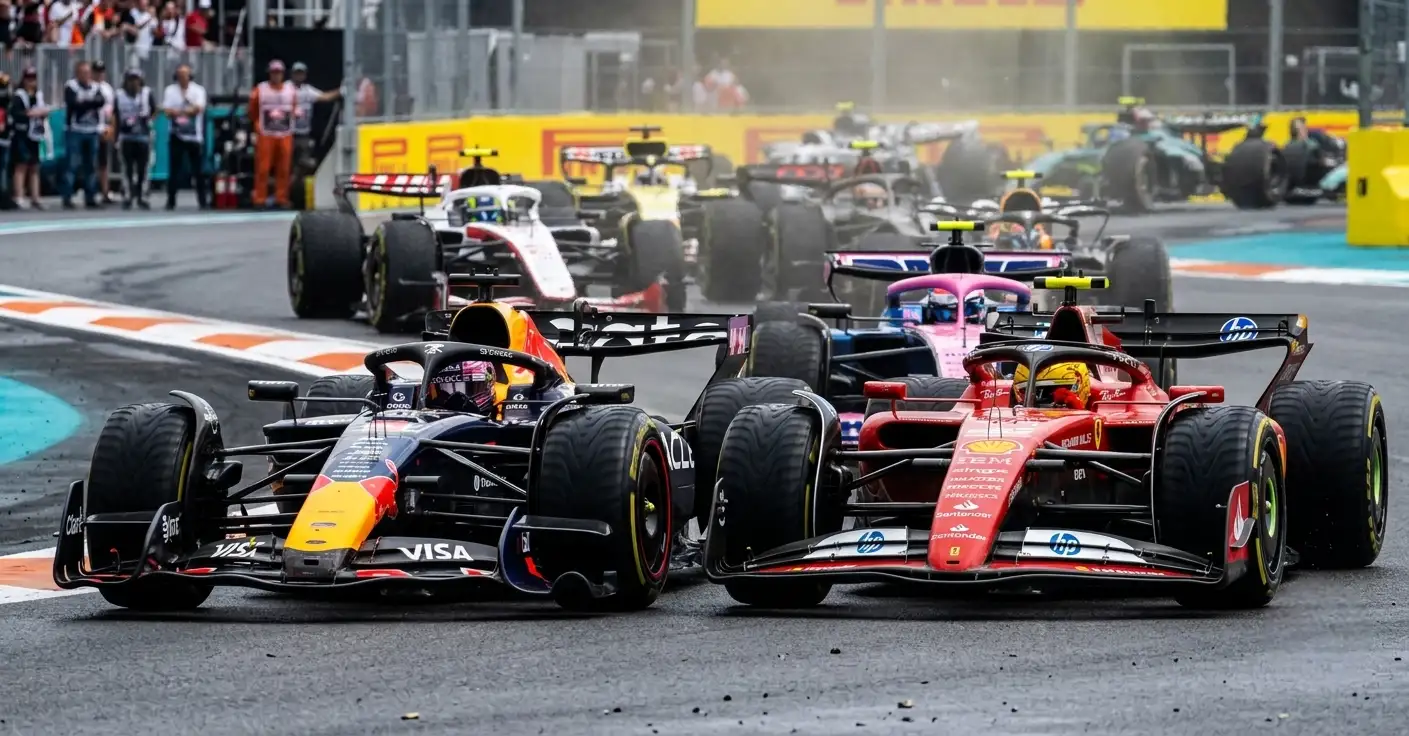
F1 2027 Regulation Discussions Continue Among Teams:
Inside the Power Unit Deal
After weeks of manufacturer disagreement, the FIA, F1, and every power unit supplier have agreed a staged rebalancing of the 2027 and 2028 engine rules. Here’s what changed, who resisted, and what’s still to be decided.
F1 2027 Regulation Talks
Continue Among Teams
A staged power unit rebalancing for 2027-28 has been agreed after weeks of manufacturer disagreement.
The FIA, Formula One Management, every team, and all five power unit manufacturers have agreed a package of changes to the 2027 and 2028 regulations. The deal follows weeks of public disagreement over rebalancing combustion and electric power.
The agreement now heads to the FIA World Motor Sport Council for approval on June 23 in Macau. Here’s what’s changing, why teams clashed, and what’s left to confirm.
The Story in Brief
The FIA confirmed on June 10 that a package of changes to the 2027 and 2028 power unit regulations has been agreed. Discussions began after the opening 2026 races, when teams flagged energy management concerns under the new hybrid framework.
Rather than one abrupt shift, the package stages the rebalance. The 2026 split is nominally 50/50 but settles closer to 53/47 in favor of combustion. Therefore, the new rules move that ratio to 58/42 in 2027, then 60/40 in 2028.
Maximum ERS harvesting power rises from 350kW in 2026 to 375kW in 2027 and 400kW in 2028. Overtake/boost mode stays unchanged at 350kW. Internal combustion output and fuel flow both increase along the same staged timeline.
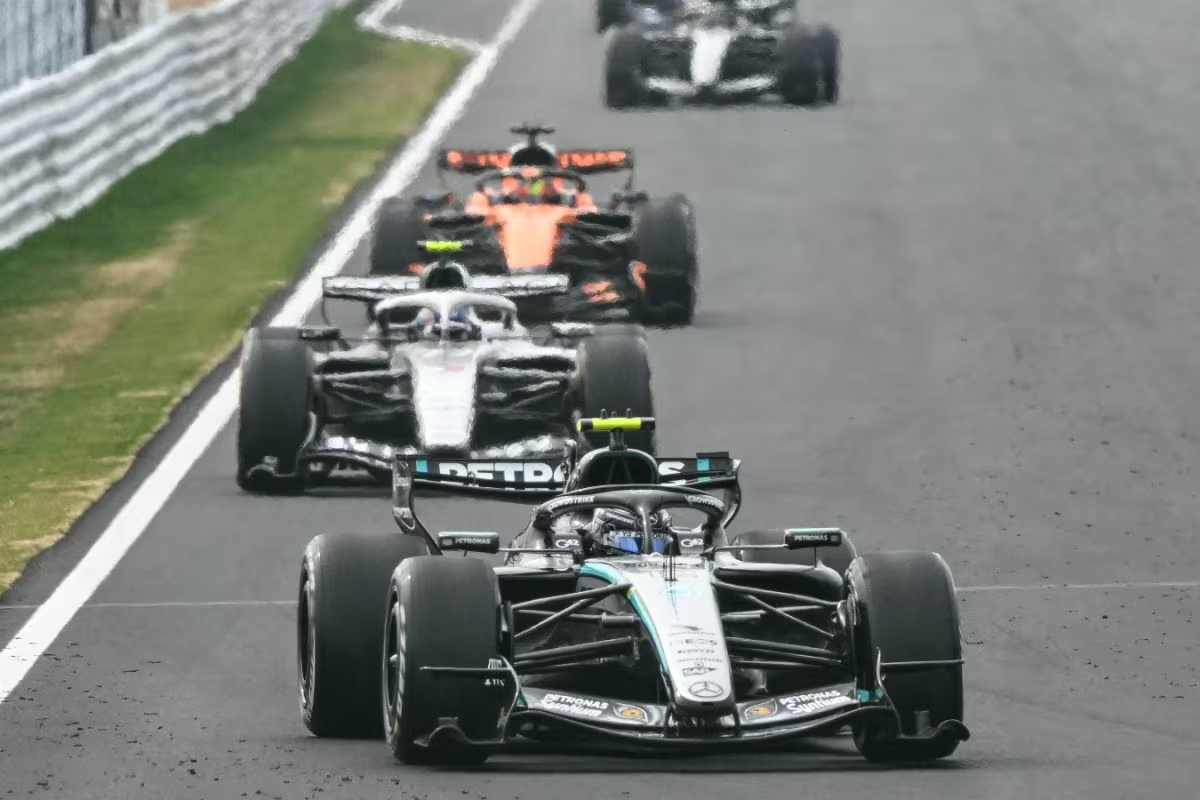
What’s Actually Changing — And Why
The 2026 regulations introduced F1’s biggest power unit overhaul in over a decade, splitting output nearly evenly. However, that balance created a side effect fast: drivers had to manage battery deployment so carefully that some races took on a “lift-and-coast” character, slowing on straights once the electric reserve ran low.
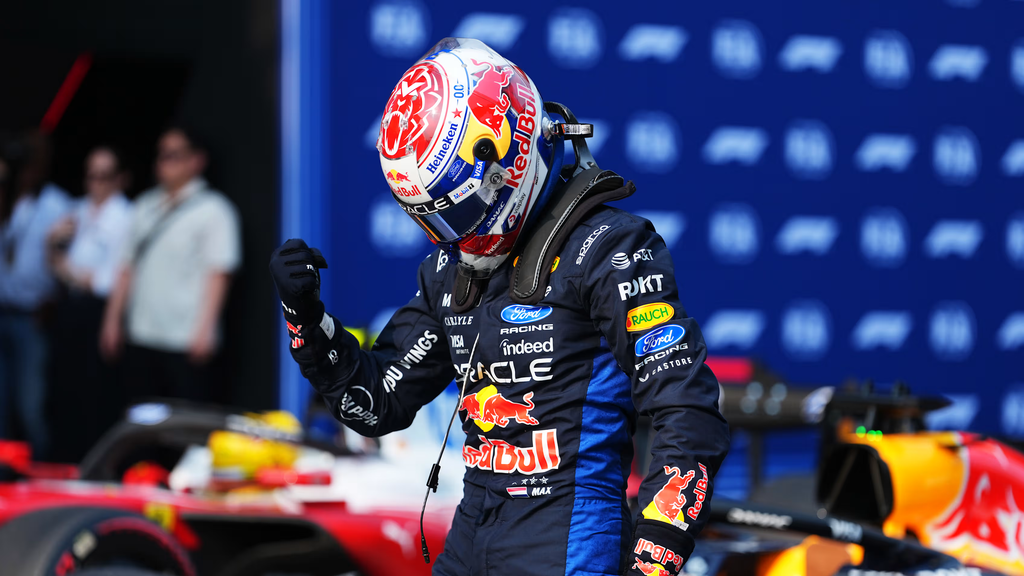
Max Verstappen warned about this risk as early as 2023, years before the rules took effect. Consequently, when 2026 produced exactly the racing he predicted, his frustration became a recurring storyline — and reportedly a factor in his renewed exit threats.
“I’m optimistic we will find the right solutions. I’m optimistic we’ll find a majority of people agreeing on improving the regulations.”
— Laurent Mekies, Team Principal, Red Bull RacingThe fix doesn’t reduce electric power outright. Instead, it raises combustion output and fuel flow in two stages, while increasing ERS harvesting under braking. Therefore, drivers get more usable power without abandoning the hybrid and sustainable fuel commitments.
What Stays the Same
- The 1.6-litre V6 turbo-hybrid architecture remains the foundation of the power unit through 2028.
- Sustainable fuel requirements and the broader hybrid philosophy are unchanged.
- Five power unit manufacturers continue supplying the grid: Mercedes, Ferrari, Red Bull Ford, Honda, and Audi.
Why Teams Disagreed
This agreement wasn’t easy to reach. For weeks, manufacturers were genuinely split. Mercedes and Red Bull backed the rebalance early. Ferrari, Audi, and Cadillac initially opposed it, while Honda stayed undecided.
Ferrari’s resistance centered on the Additional Development and Upgrade Opportunities mechanism, or ADUO — a catch-up allowance for manufacturers trailing the benchmark engine. Red Bull was confirmed as that benchmark, with Ferrari, Audi, and Honda each over 4% behind and granted two upgrade tokens in 2026 plus two more in 2027. Ferrari worried reopening the rules mid-cycle would hand rivals a free development window while its own ADUO allowance was still closing the gap.
Audi’s objection was different: cost. The manufacturer supported the 60/40 target eventually but wanted one slower transition rather than two separate redesigns, arguing the staged approach simply doubled its engineering burden.
What Happens Next
The agreed package now moves to the FIA World Motor Sport Council for ratification on June 23 in Macau. Furthermore, separate F1 Commission meetings already confirmed extending 2027 pre-season testing from three days to four — a real concession given how disruptive the new rules will be.
Any 2027 power unit change needed confirmation by late June, giving manufacturers roughly six months to adapt. Missing that window would have pushed the rebalance to 2028, leaving energy management complaints unresolved for another season. Read our F1 ERS explainer for the technical background.
Cadillac’s position is worth watching too. The team doesn’t build its own engine yet — it runs Ferrari power through 2028 before GM’s unit arrives in 2029 — so its vote was widely expected to follow Ferrari’s lead.
The June 23 World Motor Sport Council vote in Macau is the next formal milestone. This article will be updated with the ratified details and any further manufacturer statements once the vote concludes.
Frequently Asked Questions
High-Authority Sources to Verify This Story
A note on this story
Regulatory changes this size rarely arrive without friction, and the gap between Ferrari and Audi’s resistance and a unified agreement days later shows how fast positions shift under deadline pressure. The headline numbers are confirmed, but the maneuvering behind them — especially around ADUO and customer upgrades — will likely keep shaping the story through Macau and beyond.
This is a developing story. We’ll update it once the World Motor Sport Council votes on June 23.