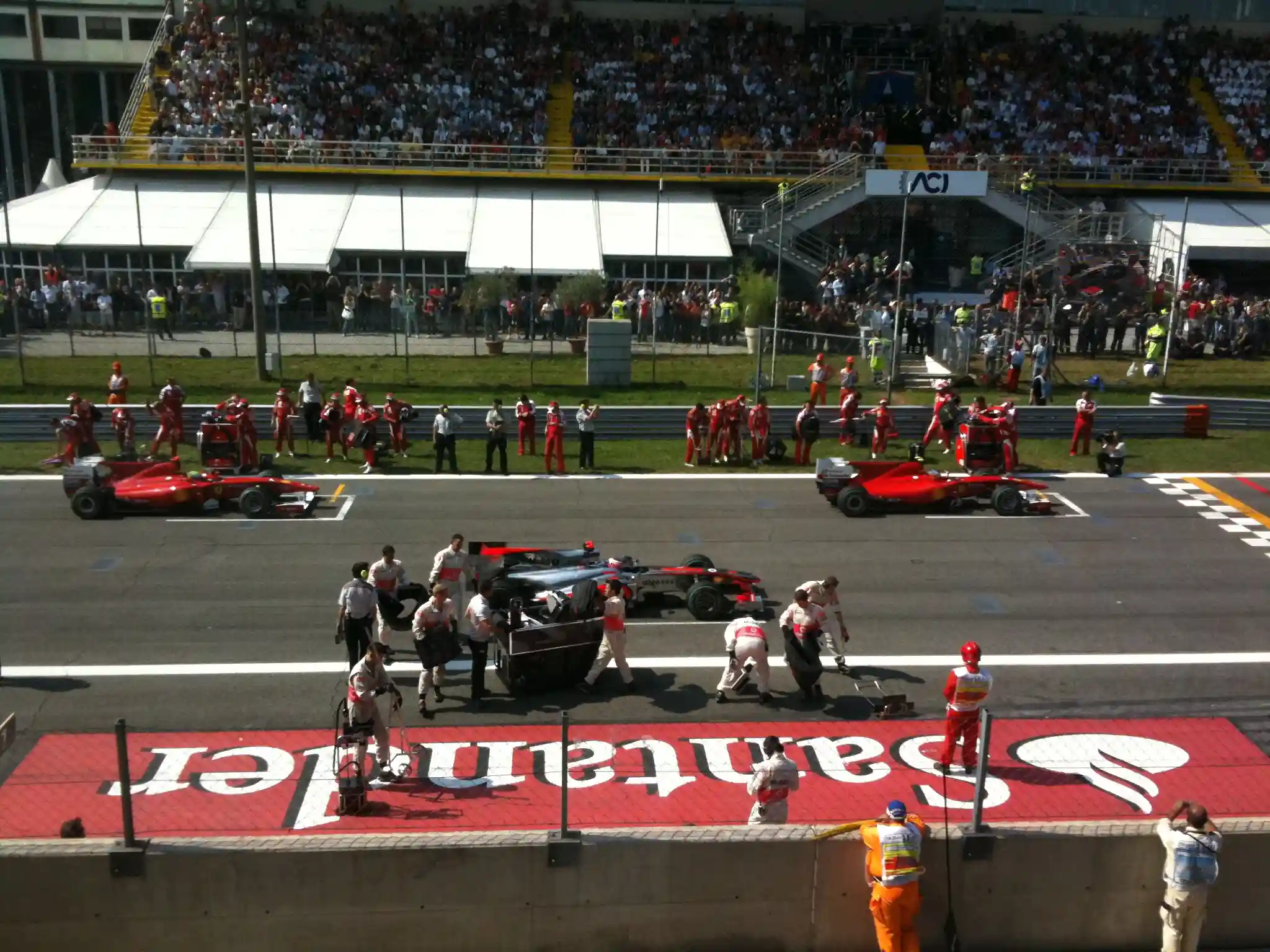
What Is a Jump Start in F1? Start Procedure and Penalties Explained
How the five red lights work, what movement counts as a false start, how FIA sensors detect it, and why penalties range from five seconds to a stop-and-go.
A jump start in F1 occurs when a car moves from its grid position before the start signal. Under the 2026 rules, every car must remain stationary after the third red light appears until all red lights go out. Starting outside the assigned grid box can also count as a false start.
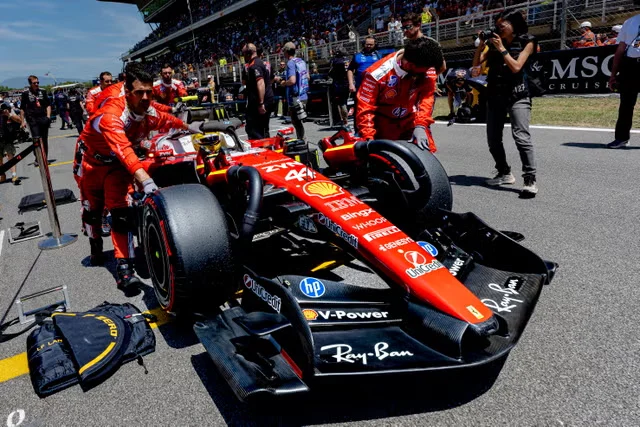
A Formula 1 start lasts only seconds. Yet it combines timing, electronics, clutch control and strict grid-position rules.
The driver watches five red lights. Meanwhile, both hands manage clutch paddles and steering-wheel controls.
Engine revs rise. Brake pressure holds the car still. The driver then waits for darkness.
Moving early creates a jump start. However, the rule covers more than an obvious launch.
A small forward creep may be enough. An incorrectly positioned car can also breach the same article.
The front tires matter most. Their contact patches must remain inside the front and side grid-box lines.
Detection is not based on television pictures alone. The FIA uses transponders, timing systems and onboard footage.
Stewards can also study tire lettering. Its rotation can reveal movement before lights out.
The penalty is not always identical. Minor movement usually brings five seconds.
However, the current rule allows 10 seconds, a drive-through or a 10-second stop-and-go.
Lewis Hamilton received five seconds at Silverstone in 2026 after his Ferrari moved before the signal.
One race earlier, Sergio Pérez also moved early in Austria. He received no time sanction because he had already retired.
Older cases show another issue. Visible movement can sometimes remain within the sensor tolerance used at that event.
This F1 Jump Start Explained guide covers the lights, sensors, clutch technique, grid box and penalty process.
F1 Jump Start Explained: What Counts as a False Start?
A jump start is any prohibited movement from the assigned grid position before the start signal. The 2026 rule also covers poor transponder positioning and an incorrect grid location. Therefore, a driver can receive a false-start penalty without making a dramatic early launch.
Fans often imagine a car leaving its box before the fifth red light disappears.
That is the clearest example. Nevertheless, Article B5.11.1 defines three separate obligations.
Remain Stationary
The car cannot move after the third red light illuminates and before every red light goes out.
Enable Detection
The car must sit where its transponder can register the first movement after the signal.
Stay Inside the Box
Neither front-tire contact patch may extend outside the front or side grid-box lines.
Is “Jump Start” the Official FIA Term?
The regulations use “false start.” Broadcasters and teams often say “jump start.”
Both phrases describe the same family of starting infringements.
Does the Car Need to Gain a Position?
No. Movement itself can breach the rule even when the driver loses places afterward.
The regulation protects an equal start signal. Therefore, the outcome does not erase the offense.
Can the Race Be Stopped for One Jump Start?
Normally, no. The field continues while Race Control reviews the data.
A penalty message may arrive several laps later. The event only stops for a wider safety problem.
Can the Car Move Backward?
The rule requires the car to remain stationary. Therefore, noticeable backward movement can also create scrutiny.
However, officials distinguish actual movement from vibration or suspension settling.
Our guide to the F1 formation lap explains how cars reach the grid before this stationary period.
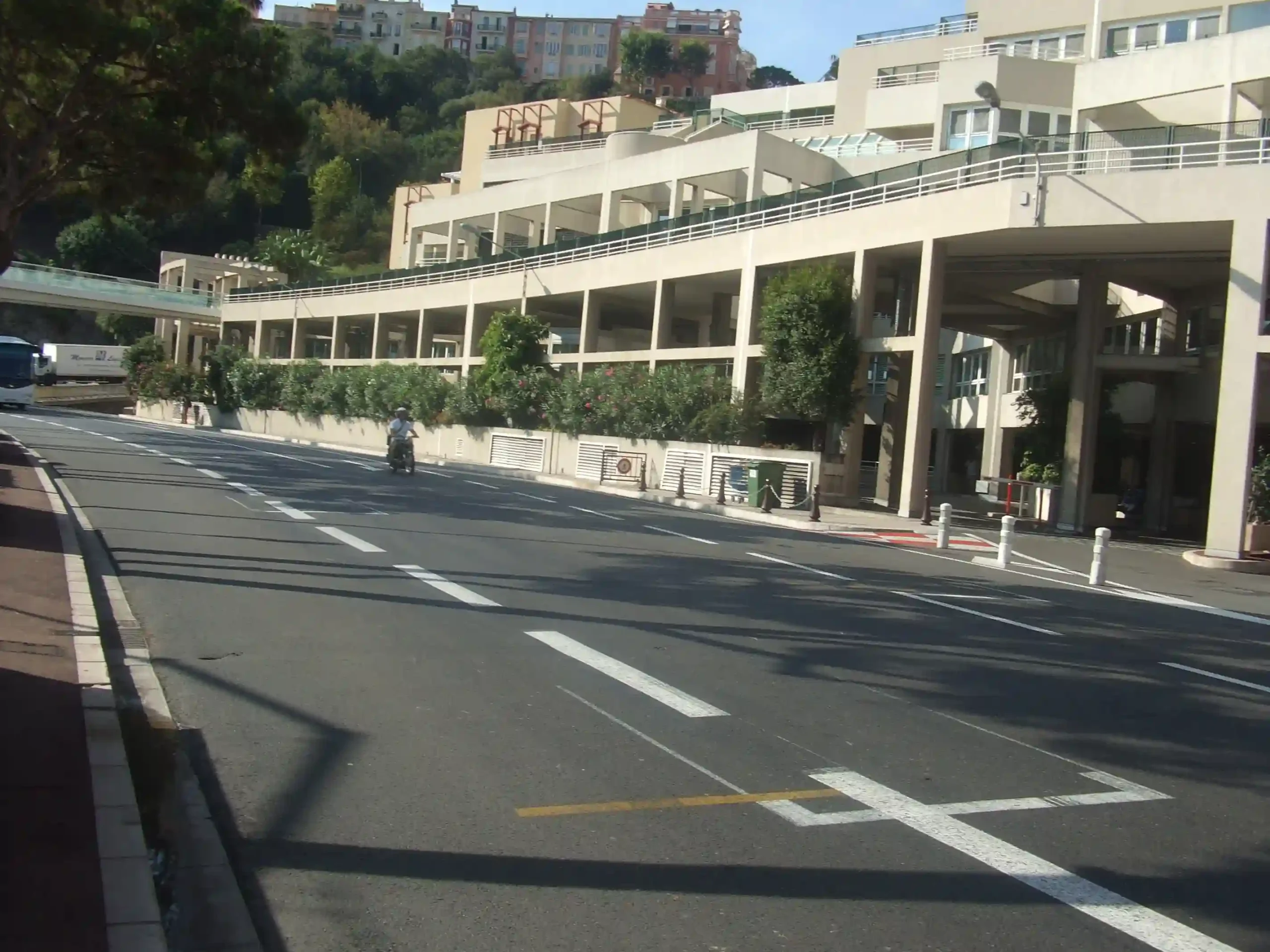
F1 Jump Start Explained: How the Start Lights Work
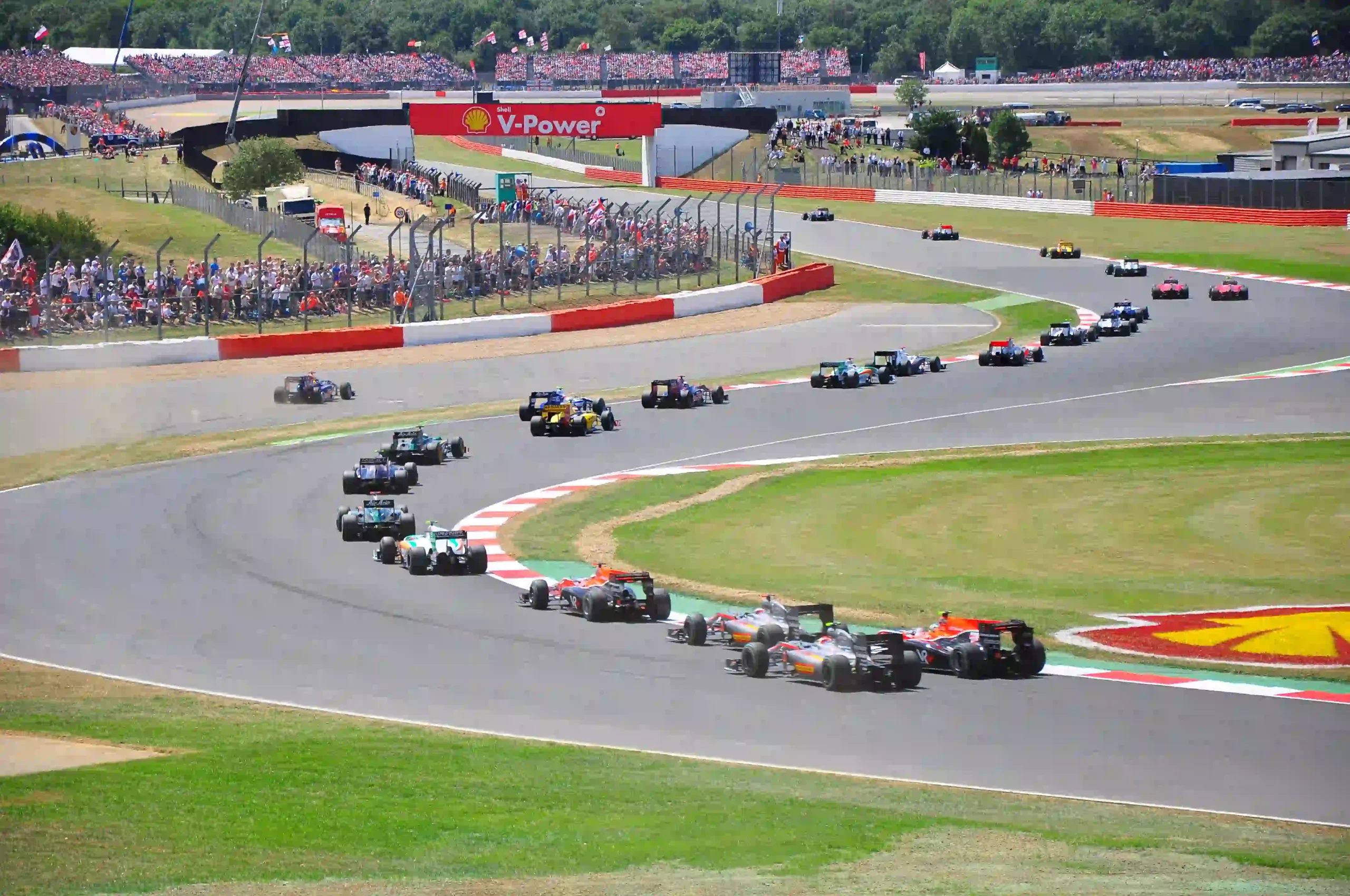
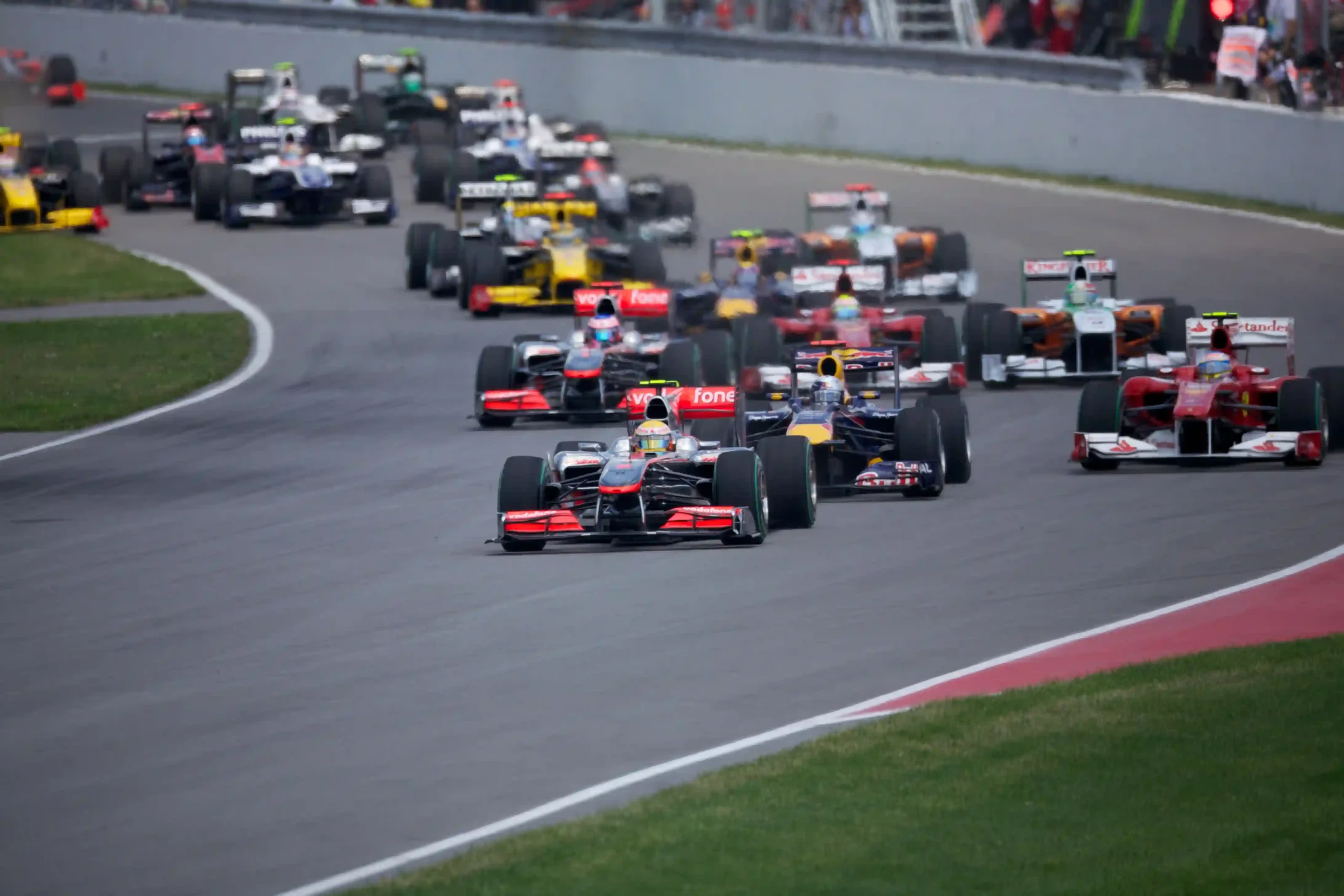
After the formation lap, cars stop in their grid boxes. In 2026, blue panels flash for five seconds before the red-light sequence. Five red lights then illuminate at one-second intervals. The permanent starter extinguishes them after a variable delay, and that is the race-start signal.
The start begins only after the field completes the formation lap.
Each car returns to its assigned box. Marshals confirm that the grid is ready.
The 2026 procedure adds a visible preparation stage. Blue panels flash for five seconds.
Drivers use that warning to build engine revs. Then the familiar red-light sequence begins.
Why Is the Final Delay Variable?
A fixed delay would let drivers predict the signal. Therefore, the final interval changes.
Drivers must react to the lights going out, not count from the fifth light.
Who Controls Lights Out?
The permanent starter operates the signal under the Race Director’s authority.
The pole-sitter does not control the lights. Nor can another driver legally trigger the race.
Can a Driver React to Another Car?
That is risky. A neighboring car may twitch, stall or release its clutch too early.
Drivers are trained to watch the official lights. Reacting to a rival can create a chain of false starts.
Read our guides to pole position and F1 grid positions.
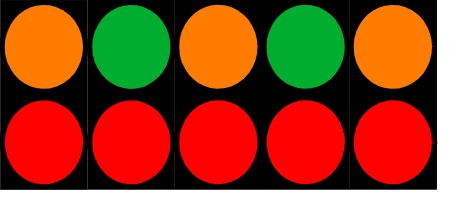
Why Does the Rule Begin at the Third Red Light?
Under the 2026 Sporting Regulations, the car must remain stationary after the third red light illuminates. It may not move again until all red lights extinguish. This creates a defined electronic monitoring window before the final two lights and the start signal.
The stationary window begins before all five lights are illuminated.
That detail surprises many viewers. They assume movement remains legal until the fifth light.
In reality, the third light begins the protected period. The car must then stay still through the final delay.
Can the Car Move While the First Two Lights Are On?
The specific B5.11.1 stationary requirement starts after the third light.
However, the driver must already be correctly positioned and ready. Deliberate movement can create another concern.
What Does the Final Hold Cover?
It covers the entire time between the third light and lights out.
A clutch release a fraction early remains early, even when the lights disappear immediately afterward.
Can a Reaction Be Too Fast?
A very fast legal reaction is not a jump start. The key is whether movement began after lights out.
Modern timing can separate movement before and after the signal with high precision.
Key rule: A perfect start predicts nothing. It reacts quickly after the official signal.
Can a Stationary Car Receive a False-Start Penalty?
Yes. A car can remain still and still breach Article B5.11.1. At the start signal, neither front-tire contact patch may lie outside the front or side grid-box lines. The car must also sit where its transponder can detect the first movement.
Grid positioning became more visible after several drivers stopped too far forward or sideways.
The rule focuses on the front tire contact patches. It does not use the front-wing tip.
Can the Front Wing Extend Beyond the Line?
Yes, depending on the car’s dimensions and box geometry.
The controlling reference is the contact patch of each front tire, not the nose or wing.
Why Are Side Lines Important?
A car angled too far sideways can affect the adjacent slot.
It may also misalign the transponder with detection equipment. The side boundaries maintain consistency.
How Does the Driver See the Box?
The cockpit sits low, and the front wheels block much of the view.
Drivers use reference marks, painted lines and practice. Even so, precise placement remains difficult.
Our guides to the F1 cockpit and tire grip explain those limits.
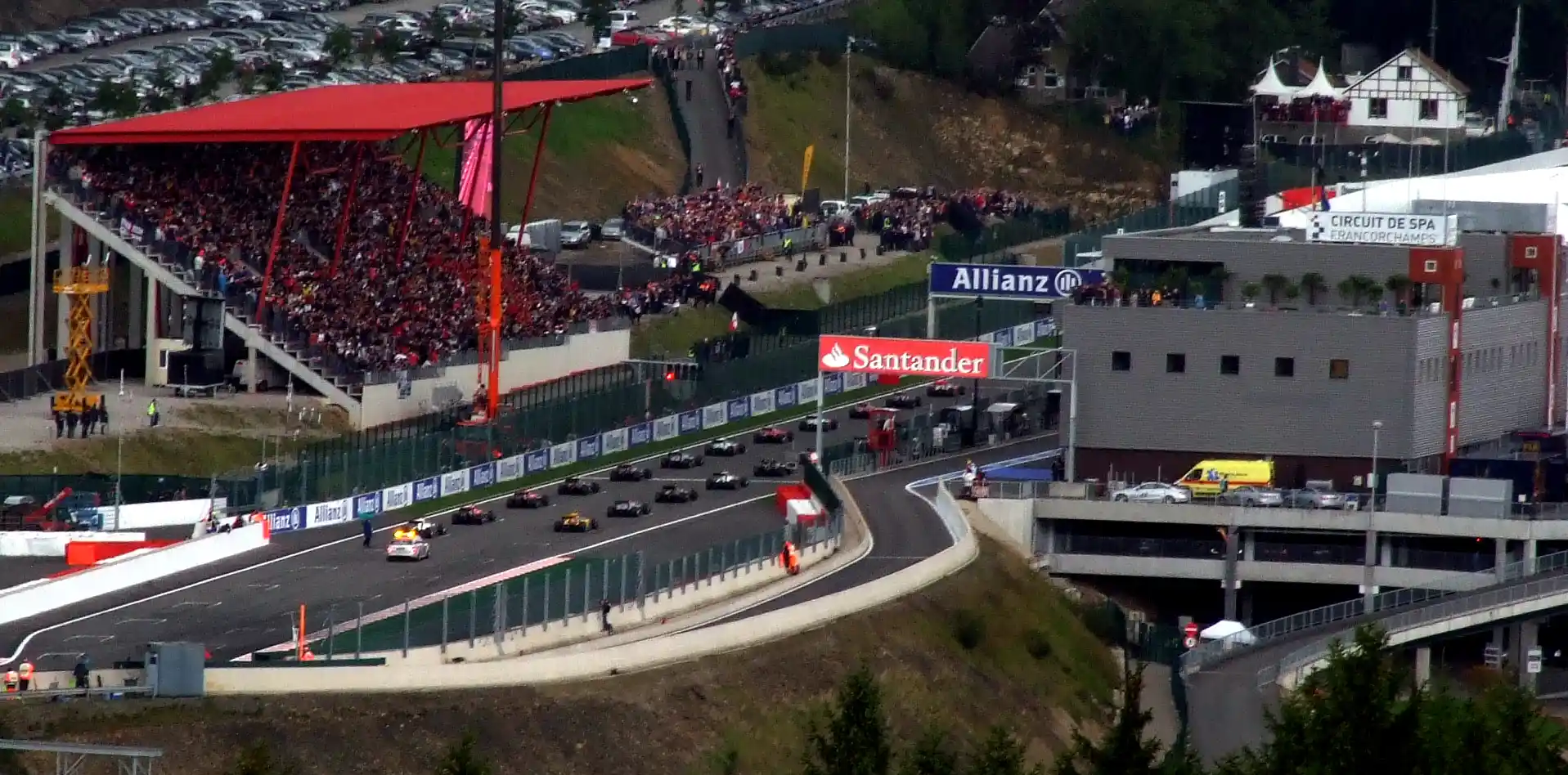
F1 Jump Start Explained: How the FIA Detects Movement
The FIA combines electronic and visual evidence. The car’s timing transponder registers its first movement, while positioning and marshalling systems record the start. Stewards can also examine onboard cameras, broadcast video, wheel movement, clutch data and other timing information.
No single television angle decides every case. The FIA builds an evidence package.
The Race Director can report a suspected offense. Stewards then review the available records.
Transponder Data
The timing transponder records when the car first moves relative to the official signal.
Positioning Systems
Grid and marshalling data help establish where and when the movement occurred.
In-Car Video
Onboard footage shows wheel rotation, cockpit inputs and the light sequence.
External Cameras
Trackside and broadcast images can confirm the direction and scale of movement.
Why Does Transponder Position Matter?
The detector must read the first movement accurately. A poorly aligned car can undermine that measurement.
Therefore, correct transponder positioning forms part of the rule itself.
Can Tire Lettering Prove Movement?
It can provide strong visual evidence. A tire logo acts like a reference mark.
In Hamilton’s Silverstone case, stewards noted the yellow Pirelli lettering rotating before lights out.
How Long Does an Investigation Take?
Simple electronic cases can be resolved quickly. More complex video comparisons take longer.
The driver may complete several laps before the penalty appears.
Our guide to appeals and reviews in F1 explains the wider decision process.
Is There a Tolerance for Movement Before Lights Out?
Historically, some visible movement did not trigger a sanction because it remained within the tolerance of the approved detection system. Current stewards can also use video and other evidence. Therefore, a driver should never assume that a small creep is automatically safe.
A race car vibrates. The clutch can load the drivetrain. Suspension may settle under brake pressure.
Officials need to separate those effects from genuine movement.
Valtteri Bottas, Hungary 2020
Bottas visibly moved before the start. He then stopped and launched poorly.
Stewards took no action because the movement remained within the tolerance of the approved sensor system.
Sebastian Vettel, Japan 2019
Vettel also moved before stopping again on the grid.
Stewards investigated and took no further action under the detection standard then in use.
Does “No Advantage” Guarantee No Penalty?
No. A driver can move early and then lose ground.
The absence of advantage may affect severity. It does not automatically erase the infringement.
Sensor tolerance is not a free reaction window. It exists to separate real movement from vibration and measurement noise.
How Can an F1 Driver Accidentally Jump the Start?
Yes. A driver can release a clutch paddle too early, misjudge the bite point or react to another car. Excess engine torque can then overcome the brakes and move the car. Mechanical behavior may explain the event, but prohibited movement can still bring a penalty.
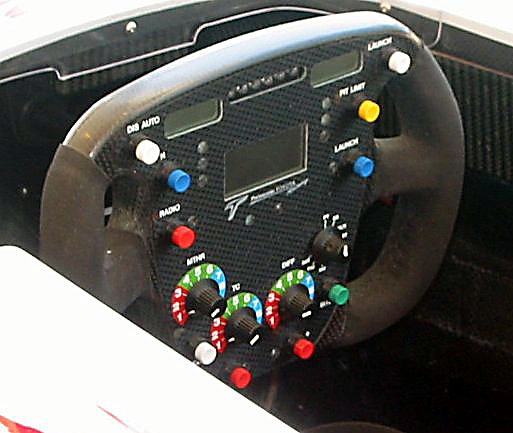
An F1 driver controls the launch with hand-operated clutch paddles.
Before the start, the clutch sits near a calibrated bite point. Small paddle movement changes transmitted torque.
What Is the Bite Point?
It is the clutch position where torque begins reaching the rear wheels.
Teams measure it during practice starts. The driver then uses that information on the grid.
Why Do Drivers Hold the Brakes?
Brake pressure keeps the car stationary while revs rise and the clutch loads.
If torque exceeds the holding force, the car can creep forward.
Can Anti-Stall Cause Movement?
Anti-stall protects the engine when revs fall too low. It changes clutch behavior to prevent a complete stall.
The system can complicate the launch, but it does not authorize movement before the signal.
What if a Driver Reacts to a Rival?
A neighboring car may move early or enter anti-stall. Reacting to that motion can trigger another false start.
Therefore, drivers train to ignore peripheral movement until the gantry goes dark.
Read our guides to how a clutch works, paddle shifters, and limited-slip differentials.
F1 Jump Start Explained: Penalties and Their Severity
No. The 2026 rules allow a five-second penalty, 10-second penalty, drive-through or 10-second stop-and-go. The FIA guideline describes the choice as mandatory according to the excess. Minor movement normally attracts five seconds, while a major early launch can bring a harsher sanction.
How Do Stewards Choose the Penalty?
They consider the amount of movement and the circumstances.
A small creep usually differs from launching several meters. Any sporting advantage also matters.
Are Penalty Points Added?
The 2026 Penalty Guidelines list zero Super Licence points for this offense.
However, a connected dangerous act could be assessed separately.
Can the Penalty Change a Podium?
Yes. Five seconds can move a driver behind several closely grouped cars.
The final classification uses total elapsed time after all additions.
Can a Driver Still Win?
Yes, when the car has enough pace to build a larger gap.
However, serving the sanction during a pit stop often costs more than the headline number.
Our guide to drive-through penalties explains the harsher sanction.
How Is a Five-Second Jump-Start Penalty Served?
If the driver pits after receiving a five-second penalty, the car must remain stationary for five seconds before mechanics begin work. Nobody may touch the car during that period. If the driver does not stop again, five seconds are added to the final race time.
Race Control displays a five-second time penalty for the driver.
The driver stops in the normal pit box during a later visit.
No mechanic may touch the car while the penalty time runs.
After five seconds, the team can change tires or perform other legal work.
The five seconds are added to the driver’s final classified time.
Why Does It Cost More Than Five Seconds?
The stationary hold disrupts pit-stop timing. The driver may also rejoin in traffic.
Therefore, the practical loss can exceed the written sanction.
What if Mechanics Touch the Car Early?
That creates a separate failure to serve the penalty correctly.
Stewards can impose another sanction. Teams therefore use visual and radio countdowns.
Read our guide to race timing and classification.
Lewis Hamilton’s 2026 British Grand Prix Jump Start
Lewis Hamilton received a five-second penalty because his Ferrari moved before the start signal. The stewards reviewed video, timing information and in-car footage. They specifically noted the yellow Pirelli tire lettering rotating upward and forward before the red lights went out.
The Silverstone case is a clear modern example of limited movement.
Hamilton did not launch far down the grid. Nevertheless, the front tire visibly rotated before lights out.
What Evidence Did the Stewards Use?
The decision cited video, timing information and in-car video.
The tire lettering provided an obvious reference. Its rotation showed the car creeping forward.
Why Was the Penalty Five Seconds?
The stewards described the movement as limited.
They also stated that five seconds was the standard penalty for minor movements.
How Was It Served?
Hamilton served the five seconds during his first pit stop.
The crew waited before beginning work. That delayed his return to the circuit.
Why Is the Case Important?
It shows that current stewards can rely on detailed video, not only a dramatic sensor alarm.
It also confirms the five-second baseline for a small but clear false start.
Sergio Pérez’s 2026 Austrian Grand Prix Decision
Stewards found that Sergio Pérez moved before the Austrian Grand Prix start signal. They said the offense would normally warrant a five-second penalty. However, his car had already retired when the case reached them, so they imposed no time sanction and did not convert it into a future grid penalty.
Pérez’s case shows the difference between finding a breach and applying a useful sanction.
The evidence included positioning-system data and in-car video.
Was Pérez Cleared?
No. The stewards concluded that his car moved before the signal.
The absence of a time penalty did not change that finding.
Why Not Add Five Seconds?
A retired car has no useful classified race time to alter.
Therefore, the normal sanction would have had no practical effect.
Why Not Carry It to the Next Race?
The stewards said they would not convert the offense into a future grid drop.
The false start belonged to the Austrian event and normally called for an in-race penalty.
The Pérez decision did not weaken the rule. It confirmed the breach and explained why a five-second addition had become meaningless.
Other Notable Formula 1 False-Start Cases
False-start decisions depend on the rules, detection tolerance and evidence available at the time. Daniel Ricciardo received five seconds in Canada in 2024, while Valtteri Bottas in Hungary in 2020 and Sebastian Vettel in Japan in 2019 avoided sanctions after sensor-based reviews.
Daniel Ricciardo, Canada 2024
Ricciardo received a five-second false-start penalty in Montreal.
He said he had not intentionally jumped the lights. However, the official result retained the sanction.
Kimi Antonelli, Las Vegas 2025
Antonelli received five seconds for a false start.
The addition changed his provisional finishing position before later classification changes.
Valtteri Bottas, Hungary 2020
Bottas moved before stopping again. Television made it look like a clear jump start.
However, the approved sensor did not register movement beyond its tolerance.
Sebastian Vettel, Japan 2019
Vettel’s Ferrari moved before he stopped and launched again.
Stewards investigated but took no further action under the detection standard then in use.
What Has Changed?
The current rule defines three obligations in one article.
It covers stationary behavior, transponder positioning and the front-tire contact patches.
Jump Start vs. Fast Reaction, Stall and Wrong Grid Position
A legal start begins after all red lights go out, regardless of how fast the reaction is. A jump start begins before that signal. A stalled start means the car fails to launch, while an incorrect grid position can be penalized even when the car remains stationary.
| Situation | What Happens | Typical Outcome |
|---|---|---|
| Fast legal reaction | Car moves immediately after lights out. | No penalty. |
| Jump start | Car moves during the protected red-light window. | Five seconds or stronger sanction. |
| Incorrect grid position | Front-tire contact patch sits outside the box. | Same B5.11.1 range. |
| Stalled start | Car does not launch or enters anti-stall. | No false-start penalty by itself. |
| Formation-lap breach | Driver breaks the pre-start lap procedure. | Separate sporting sanction. |
Can a Reaction Time Be Too Fast?
A quick reaction is legal when movement follows lights out.
Officials punish movement before the signal, not speed afterward.
What Is a Negative Reaction Time?
It means movement began before the timing reference.
In practical terms, the driver anticipated the signal rather than reacting to it.
Is a Stall the Opposite of a Jump Start?
In simple terms, yes. One car moves too early, while the other fails to move.
However, both can arise from clutch and anti-stall behavior.
Our guides to brake balance, ERS, and F1 flags cover related start controls.
How a Jump-Start Penalty Changes Race Strategy
Yes. A five-second penalty can turn an early pit stop into a long stationary delay, drop a car into traffic and remove an undercut opportunity. Teams may extend a stint or build a five-second gap before the finish to protect the result.
The headline sanction looks small. The strategic cost can be much larger.
A driver may lose the chance to pit with nearby rivals. The five-second hold then adds further delay.
Why Might a Team Extend the First Stint?
Clean air can help the driver build a gap before serving the penalty.
However, worn tires may erase that gain. Engineers compare both losses.
Can the Team Avoid Another Stop?
Sometimes. The five seconds then attach to the final time.
The driver must finish more than five seconds ahead of the next rival.
Why Is a Drive-Through Worse?
The car travels through the entire pit lane at restricted speed.
Depending on the circuit, the loss can exceed 20 seconds.
Can a Safety Car Help?
It can compress the field, which hurts a driver carrying an unserved time addition.
However, it can reduce the relative cost of a pit-lane visit.
Our guide to the Safety Car explains that strategic reset.
F1 Jump Start Explained: Common Misunderstandings
“The Car Can Move Until the Fifth Red Light”
False. The 2026 stationary requirement begins after the third red light.
“Only a Full Launch Counts”
False. Limited wheel rotation can establish prohibited movement.
“No Position Gained Means No Penalty”
False. A driver can lose places and still breach the rule.
“The Front Wing Must Stay Behind the Grid Line”
False. The rule focuses on the front-tire contact patches.
“Every Jump Start Is Five Seconds”
False. The available range extends to a 10-second stop-and-go.
“Television Video Is the Only Evidence”
False. The FIA also uses transponder, timing, positioning and onboard data.
“Penalty Points Are Automatic”
False. The 2026 guideline lists zero points for the standard offense.
F1 Jump Start Explained FAQs
What is a jump start in Formula 1?
A jump start happens when a car moves before the official signal. Under the 2026 rule, it must remain stationary after the third red light appears.
How does the FIA detect a jump start?
The FIA uses transponder data, positioning systems, timing records, onboard footage and external camera evidence.
What is the penalty for a jump start in F1?
Stewards can impose five seconds, 10 seconds, a drive-through or a 10-second stop-and-go, depending on severity.
Can a stationary F1 car receive a false-start penalty?
Yes. A front-tire contact patch outside the grid-box lines can breach the same false-start article.
F1 Jump Start Explained: Conclusion
F1 Jump Start Explained starts with one clear rule. The driver must wait for the official signal.
In 2026, the protected stationary window begins after the third red light.
The car cannot move until every red light goes out.
However, early movement is only one part of Article B5.11.1.
The transponder must sit where the system can detect the first movement.
Both front-tire contact patches must also remain inside the grid box.
Therefore, a stationary but badly positioned car can still receive a false-start penalty.
The FIA uses several forms of evidence. Transponder data and timing records provide the electronic foundation.
Meanwhile, onboard and trackside video can show visible wheel rotation.
Hamilton’s 2026 Silverstone decision demonstrated that approach clearly.
His tire lettering moved before lights out, and the stewards imposed five seconds.
Pérez’s Austrian case produced a different sanction outcome. Yet the stewards still confirmed the breach.
The penalty range depends on severity. It begins at five seconds and extends to a stop-and-go.
Serving five seconds can cost more than the written number because mechanics must wait.
Historic cases also explain sensor tolerance. Visible movement does not always equal a measurable prohibited start.
Nevertheless, drivers cannot rely on a tolerance. The safest approach is complete stillness.
A great Formula 1 launch combines clutch control, brake pressure and reaction speed.
A jump start crosses the line between anticipation and reaction.
That line may last only a fraction of a second. However, it can decide the entire race.
F1 Jump Start Explained is ultimately about fairness. Every driver must receive the same lights-out moment.
Sources
The rule wording, penalty range and current examples in this article were checked against official FIA and Formula 1 material available on July 20, 2026.