Hardest F1 Tracks Ranked
From Monaco’s millimeter-perfect barriers to Suzuka’s flowing high-speed sequences and Singapore’s punishing heat, these circuits expose every weakness in a driver, car and race plan.
Monaco ranks first, followed by Singapore, Suzuka, Jeddah and Spa-Francorchamps. The ranking considers precision, physical strain, high-speed commitment, consequences for mistakes and the difficulty of finding a competitive setup.
The hardest Formula 1 circuit is not always the fastest, longest or most dangerous-looking track.
A difficult circuit can test several skills at once. Monaco asks for precision, while Singapore attacks the driver’s body.
Suzuka tests rhythm and commitment. Meanwhile, Spa forces teams to balance long straights, fast corners and uncertain weather.
Jeddah adds another challenge. Drivers race at very high speed between walls, often with limited sight through flowing bends.
Therefore, a useful ranking needs more than lap length or average speed. It must consider how many different problems appear within one lap.
This hardest F1 tracks ranked list uses the official 2026 Formula 1 calendar. Recent venues that are absent from that calendar appear later as honorable mentions.
The ranking is editorial rather than an official FIA classification. However, every circuit fact comes from official Formula 1 data.
Five categories determine the order. Precision measures how accurately the driver must place the car.
Physical load covers heat, sustained cornering, braking and the race’s duration. Speed commitment measures how often the driver must trust aerodynamic grip.
Mistake consequence considers walls, gravel, limited runoff and the difficulty of recovering. Setup complexity measures conflicting demands across the lap.
Each circuit receives an overall score out of 100. The numbers help explain the order, but they are not scientific laboratory measurements.
Monaco leads because one small error can destroy the weekend. Its 3.337-kilometer lap contains 19 corners and almost no rest.
Singapore follows because no other current race combines comparable humidity, bumps, concentration and repeated braking for so long.
Suzuka ranks as the hardest permanent circuit. Its 18 corners connect in a way that punishes one mistake across an entire sector.
Jeddah is the fastest street circuit Formula 1 has used. Its 27 corners and average speeds near 250 km/h create constant commitment beside barriers.
Spa completes the top five. At 7.004 kilometers, it is the longest current circuit and can be wet in one sector while another remains dry.
The rest of the ranking includes Qatar, Zandvoort, Silverstone, Baku, Circuit of the Americas, Interlagos and the Hungaroring.
All twelve deserve respect. The difference between sixth and twelfth is smaller than the gap between a normal road and any Formula 1 circuit.
How We Ranked the Hardest Formula 1 Circuits
The ranking combines five categories: precision, physical demand, speed commitment, punishment for mistakes and setup complexity. Current 2026 circuits receive an editorial score out of 100.
One circuit can be difficult for several reasons.
Therefore, the ranking avoids treating speed as the only test. Monza is extremely fast, but its long straights give the driver more recovery time.
Monaco is much slower. However, the walls, bumps and changing camber make every steering movement important.
Precision and Rhythm
How accurately must the driver place the car, link corners and repeat the lap without corrections?
Physical and Mental Load
How strongly do heat, G-force, braking, duration and concentration affect the driver?
Consequence and Setup
How severe are mistakes, and how difficult is the compromise between competing sections?
Precision Is More Than Avoiding a Wall
Precision includes braking points, curb use and racing-line consistency.
Suzuka requires precise rhythm even when barriers are not beside the car. Missing one apex damages several following corners.
Physical Load Includes Heat and Repetition
Singapore’s humidity creates an obvious test.
However, Silverstone and Qatar also generate sustained lateral force. Repeated high-speed loading can be as tiring as heavy braking.
Speed Commitment Measures Trust
Drivers know an F1 car has enormous aerodynamic grip.
Nevertheless, they must believe that grip will remain through 130R, Eau Rouge, Jeddah’s bends or Maggots and Becketts.
Mistake Consequence Changes the Mental Challenge
A wide exit onto asphalt costs time.
A wide exit into a Monaco barrier ends the session. That difference changes how the driver approaches every lap.
Setup Difficulty Starts Before the Driver Leaves the Garage
Spa needs low drag on two long sectors and downforce through the middle.
Baku combines an enormous straight with a slow castle section. Engineers cannot maximize both ends of the lap.
The score measures the complete weekend challenge. A track may rank higher because qualifying, race management and setup create pressure together, even when one isolated corner is not the calendar’s hardest.
Hardest F1 Tracks Ranked: The Complete Top 12
| Rank | Circuit | Score | Primary Challenge |
|---|---|---|---|
| 1 | Monaco | 96 | Millimeter-perfect precision beside barriers |
| 2 | Singapore | 94 | Heat, humidity, bumps and long-duration concentration |
| 3 | Suzuka | 93 | High-speed rhythm and connected corner sequences |
| 4 | Jeddah Corniche Circuit | 91 | Very high speed through blind street-circuit bends |
| 5 | Spa-Francorchamps | 90 | Weather, elevation and setup compromise |
| 6 | Lusail International Circuit | 88 | Sustained high-speed loading and tire stress |
| 7 | Zandvoort | 87 | Narrow, undulating rhythm and steep banking |
| 8 | Silverstone | 86 | Fast direction changes and high tire energy |
| 9 | Baku City Circuit | 84 | Extreme setup conflict and narrow old-city walls |
| 10 | Circuit of the Americas | 83 | Elevation, bumps and several corner styles |
| 11 | Interlagos | 82 | Short-lap traffic, elevation and changing weather |
| 12 | Hungaroring | 81 | Continuous corners, heat and limited passing space |
The scores are close because every circuit tests elite drivers.
Furthermore, car design changes the order slightly. A nervous rear axle can make Jeddah feel harder than Monaco.
Weather also changes the ranking. A wet Spa or Interlagos race can become the hardest event of the season on that day.
1. Monaco — The Hardest F1 Track Overall
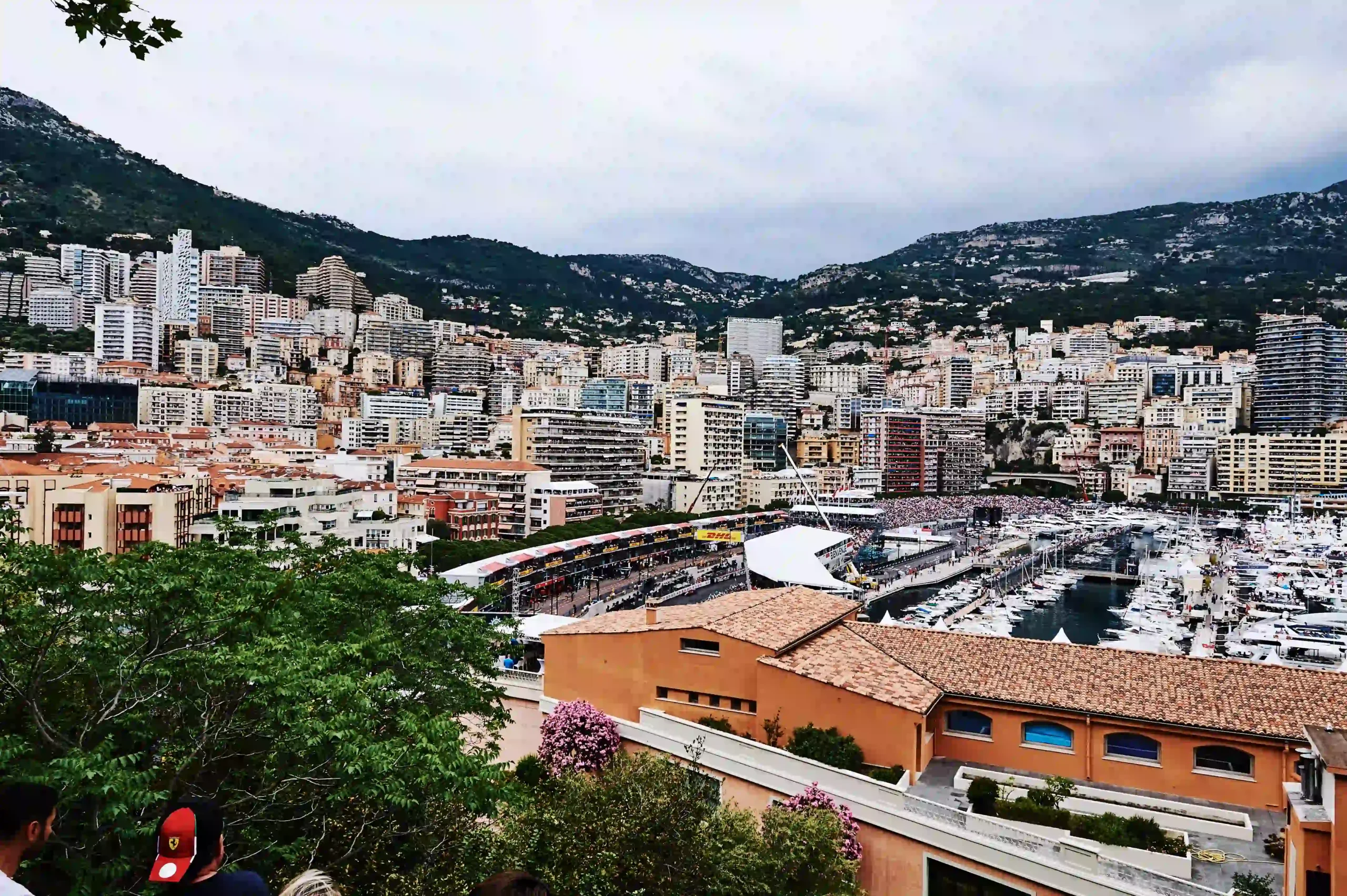
Monaco is the hardest overall circuit because its narrow streets demand constant precision. Barriers sit beside a bumpy, cambered racing line, while 19 corners arrive within only 3.337 kilometers.
Monaco tops this hardest F1 tracks ranked list because there is almost no safe mistake.
The Circuit de Monaco is the shortest track on the 2026 calendar. Yet its 78-lap race demands more sustained concentration than many longer circuits.
The Track Is Narrow Even by Street-Circuit Standards
Drivers thread cars more than two meters wide through roads designed for normal traffic.
The barriers define the usable track. Therefore, gaining five centimeters at an apex can decide qualifying.
The Surface Is Bumpy and Cambered
Public roads are not built like modern permanent circuits.
Drain covers, crowns and surface changes disturb the car. Braking stability can change within one corner.
Elevation Hides Important References
Sainte Devote climbs steeply toward Massenet and Casino Square.
Drivers briefly see more sky than road. Consequently, confidence depends on memory and repetition.
The Hairpin Requires a Unique Steering Setup
The Fairmont Hairpin is the slowest corner in Formula 1.
Teams use special steering geometry to achieve the required lock. The driver must rotate without touching another car or the barrier.
The Tunnel Creates a Sudden Light Change
Drivers enter darkness and emerge into daylight near a major braking zone.
The car also loses and regains aerodynamic load as the road changes. Picking the Nouvelle Chicane braking point remains difficult.
The Swimming Pool Section Rewards Commitment
Formula 1’s official guide notes cars can be hurled through the section at about 200 km/h.
The barriers sit close to both sides. One curb strike can send the car into the opposite wall.
Qualifying Decides the Weekend
Passing remains extremely difficult.
Therefore, drivers must take greater risk on Saturday. A small error can move a driver from the front row into midfield traffic.
Why Monaco Beats Singapore
Singapore is more physically punishing.
However, Monaco provides less recovery room and greater qualifying consequence. The mental pressure begins from the first practice lap.
Every apex and barrier clearance matters.
Low average speed reduces G-force, but steering work is constant.
Swimming Pool and Casino require trust beside walls.
Most errors end with contact or lost qualifying position.
Read our guides to what causes racing crashes, brake balance and F1 qualifying.
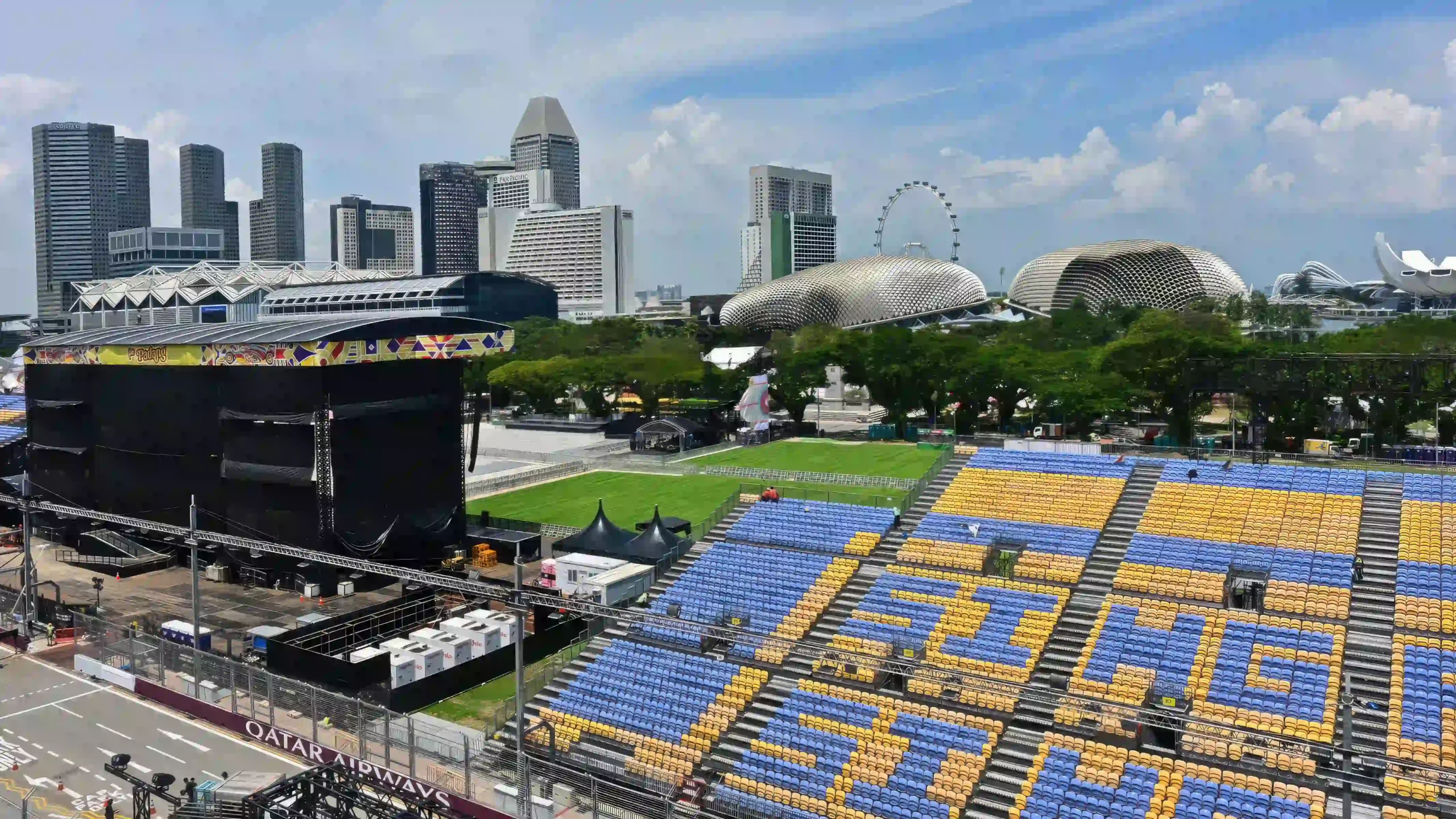
2. Singapore — The Most Physically Demanding F1 Track
Singapore is the toughest physical race because high heat and humidity combine with a bumpy street surface, repeated braking and almost two hours of concentration under floodlights.
Singapore ranks second overall and first for physical demand.
The Marina Bay Street Circuit measures 4.927 kilometers in 2026. Its current layout contains 19 corners and requires 62 race laps.
Heat and Humidity Attack the Driver
The cockpit surrounds the driver with hot power-unit components and limited airflow.
Meanwhile, Singapore’s humid climate reduces the body’s ability to cool itself. Hydration and heat preparation begin well before race week.
Drivers Can Lose Significant Body Weight
Formula 1’s official circuit page notes drivers may lose as much as three kilograms during the race.
That loss mainly reflects fluid. Therefore, concentration and physical output become harder near the finish.
The Track Is Bumpy
Public roads move and change between events.
The car can bottom out or skip under braking. Drivers absorb repeated impacts through the seat and steering wheel.
The Corners Rarely Stop
The 2023 revision reduced the total from 23 to 19.
However, the driver still works constantly. Braking, steering and traction phases arrive with little rest.
Night Racing Does Not Remove the Heat
Floodlights create clear visibility, but the air remains hot.
The late start also changes sleep schedules. Drivers must stay sharp when their normal body clock expects rest.
Walls Increase Mental Fatigue
Every slow corner looks manageable in isolation.
Yet repeating exact clearances for nearly two hours becomes difficult. Small steering errors accumulate with fatigue.
Safety Cars Can Extend the Challenge
Street-circuit incidents frequently neutralize the race.
Drivers then manage tire temperature before another high-pressure restart. The race can approach its time limit.
Why Singapore Does Not Rank First
The revised layout provides slightly more breathing room than old Singapore.
Moreover, qualifying mistakes can be less absolute than Monaco. Its physical challenge remains unmatched.
Our guides to G-force in F1, car handling and grip explain the forces involved.
3. Suzuka — The Hardest Permanent Circuit to Master
Suzuka is the hardest permanent circuit because its high-speed corners connect continuously. The Esses, Degners, Spoon and 130R reward rhythm, confidence and precise placement while punishing small errors across several turns.
Suzuka is the highest-ranked purpose-built circuit.
Its 5.807-kilometer figure-eight layout contains 18 turns and a balanced mix of left and right loads.
The Esses Punish One Error Several Times
Turns 3 through 7 form a climbing sequence.
Running wide at the first change of direction compromises the next. Therefore, the driver can lose time across an entire sector.
Front Grip and Rear Stability Must Coexist
A responsive front helps the car change direction.
However, an unstable rear forces corrections. Engineers must create rotation without removing confidence.
Dunlop Extends the Load
The long left-hander climbs after the Esses.
The outside tires remain loaded while the driver protects momentum. Excess steering overheats the front axle.
The Degners Mix Speed and Restraint
Degner 1 rewards commitment, with gravel close to the exit.
Degner 2 arrives quickly and needs heavier braking. Attacking the first too hard ruins preparation for the second.
Spoon Is a Complete Corner
The long double-apex left changes radius.
Drivers balance entry speed, patience and rear traction. Its exit controls the run toward 130R.
130R Still Requires Trust
Modern cars normally take the corner flat in dry conditions.
However, wind, tire condition and traffic affect confidence. Full throttle does not mean the corner is simple.
Gravel Gives Errors a Cost
Suzuka retains grass and gravel near several fast sections.
Consequently, a qualifying mistake can end the session rather than produce a harmless wide line.
Why Suzuka Ranks Above Spa
Spa offers greater elevation and weather uncertainty.
Suzuka demands more continuous rhythm. The driver has fewer simple straights where concentration can reset.
Read our guides to downforce, oversteer and understeer and gravel traps.
4. Jeddah — The Hardest High-Speed Street Circuit
Jeddah combines average speeds near 250 km/h with 27 corners, street-circuit walls and several fast bends where drivers cannot see the full exit. It is the fastest street circuit used by Formula 1.
Jeddah looks different from Monaco and Singapore.
The Corniche Circuit is 6.174 kilometers long and flows through 27 corners under floodlights.
High Average Speed Changes the Risk
Formula 1 describes Jeddah’s average speeds as roughly 250 km/h.
Only Monza produces a higher average on the calendar. However, Monza offers more open sight lines and permanent runoff.
Many Corners Are Gentle but Blind
Drivers steer through repeated high-speed changes rather than isolated hairpins.
Walls and fencing limit sight. Therefore, a slow or damaged car can appear late.
The Track Demands Commitment Before Confirmation
A driver often turns toward an exit that is not fully visible.
The car must be positioned based on memory, timing and trust. Hesitation costs speed through several bends.
Street-Circuit Grip Evolves Quickly
Dust and low initial grip affect Friday running.
Rubber then builds on the racing line. Drivers must recalibrate braking and corner speed every session.
Wind Can Affect the Car Near the Coast
Crosswinds alter high-speed balance.
A small gust matters when the car runs centimeters from the wall. Rear instability becomes difficult to catch.
Qualifying Traffic Creates Closing-Speed Risk
Drivers prepare slow laps while others approach at full speed.
The 27-corner layout offers few easy places to move aside. Communication from the pit wall is essential.
The Final Corners Decide Straight-Line Speed
A driver needs confidence through the last sweepers.
That speed then carries onto the main straight. A conservative line damages both lap time and race defense.
Why Jeddah Ranks Below Suzuka
Jeddah’s fear factor is higher.
However, Suzuka tests a broader range of corner speeds and setup qualities. Jeddah remains the hardest modern street circuit for pure speed commitment.
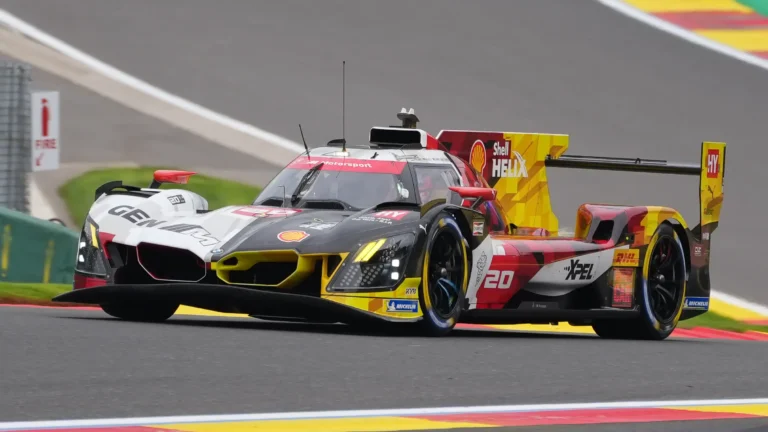
5. Spa-Francorchamps — The Hardest Track for Weather and Setup
Spa is difficult because its 7.004-kilometer lap combines major elevation, very long straights, fast corners and changeable Ardennes weather. Teams must choose between straight-line speed and middle-sector downforce.
Spa is the longest circuit on the current Formula 1 calendar.
Its 19 corners and large geographical footprint make conditions difficult to read.
Eau Rouge and Raidillon Compress the Car
The car drops, changes direction and climbs steeply.
Vertical and lateral forces arrive together. A poor line reduces speed along the Kemmel Straight.
The Crest Reduces Visibility
Drivers cannot see the entire exit while climbing.
Therefore, they commit before confirming the track is clear. Traffic and weather increase the risk.
The Middle Sector Needs Downforce
Les Combes, Bruxelles, Pouhon and the Fagnes sequence reward aerodynamic grip.
However, more wing costs speed on the Kemmel and final straights. Teams must choose which sector to favor.
Pouhon Sustains High Lateral Load
The double-left sequence keeps the tires loaded.
A small understeer slide damages temperature and line. Drivers need a stable platform at high speed.
Blanchimont Demands Precision
The fast left-hander arrives late in the lap.
Tire condition, wind and fuel load can change the balance. The driver still needs confidence before the final chicane.
Weather Can Differ Around the Lap
Formula 1’s official guide notes one section can be wet while another remains dry.
The seven-kilometer lap increases the delay before a driver can change tires. A wrong choice costs more time.
Long Laps Increase Qualifying Consequence
A mistake early in the lap cannot be reset quickly.
Drivers also need tire temperature across several minutes. A red flag can remove the final attempt entirely.
Why Spa Is Fifth Rather Than First
Modern runoff has reduced some immediate consequences.
Moreover, the long straights provide brief recovery time. Spa remains the hardest circuit for weather and setup compromise.
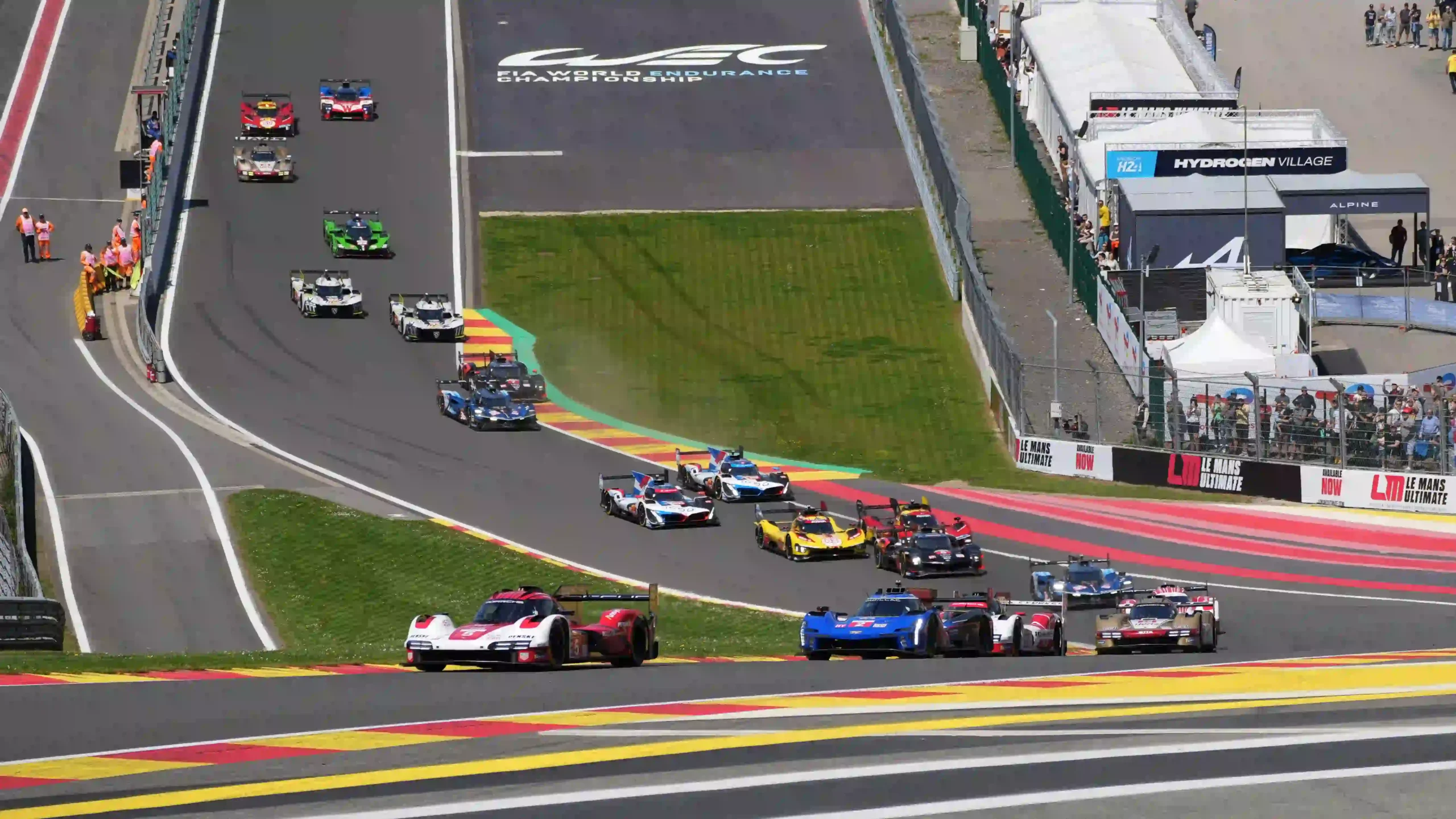
6. Lusail — The Hardest Track for Sustained High-Speed Load
Lusail is dominated by medium- and high-speed corners, so drivers experience repeated lateral force with little recovery. Warm conditions and tire stress add to the physical challenge.
Lusail was designed primarily for motorcycle racing.
Therefore, its corners flow broadly and place sustained energy into the tires. The 5.4-kilometer layout rarely stops loading the car.
Medium-Speed Corners Connect Continuously
The driver does not simply brake, rotate and accelerate.
Instead, one loaded corner leads into another. Neck and core muscles work for long periods.
High-Speed Balance Matters More Than Braking Heroics
Most lap time comes from carrying speed.
A nervous rear axle forces small lifts. Those lifts multiply across several similar corners.
Tire Loads Remain High
Long corners deform the tire carcass and build heat.
Consequently, pressure, camber and curb use become important. Drivers must avoid sliding while maintaining pace.
The Main Straight Provides the Main Break
More than one kilometer of the lap is the pit straight.
The driver can relax the steering load briefly. However, heavy Turn 1 braking begins another demanding sequence.
Warm Conditions Add Stress
The race takes place at night, but ambient temperatures can remain high.
Drivers still manage cockpit heat and dehydration. The sustained cornering load makes cooling difficult.
Why Lusail Ranks Sixth
The track has modern runoff and clear sight lines.
Therefore, mistake consequences are lower than Jeddah or Monaco. Its physical and tire demands still earn a high position.
7. Zandvoort — The Hardest Rollercoaster Lap
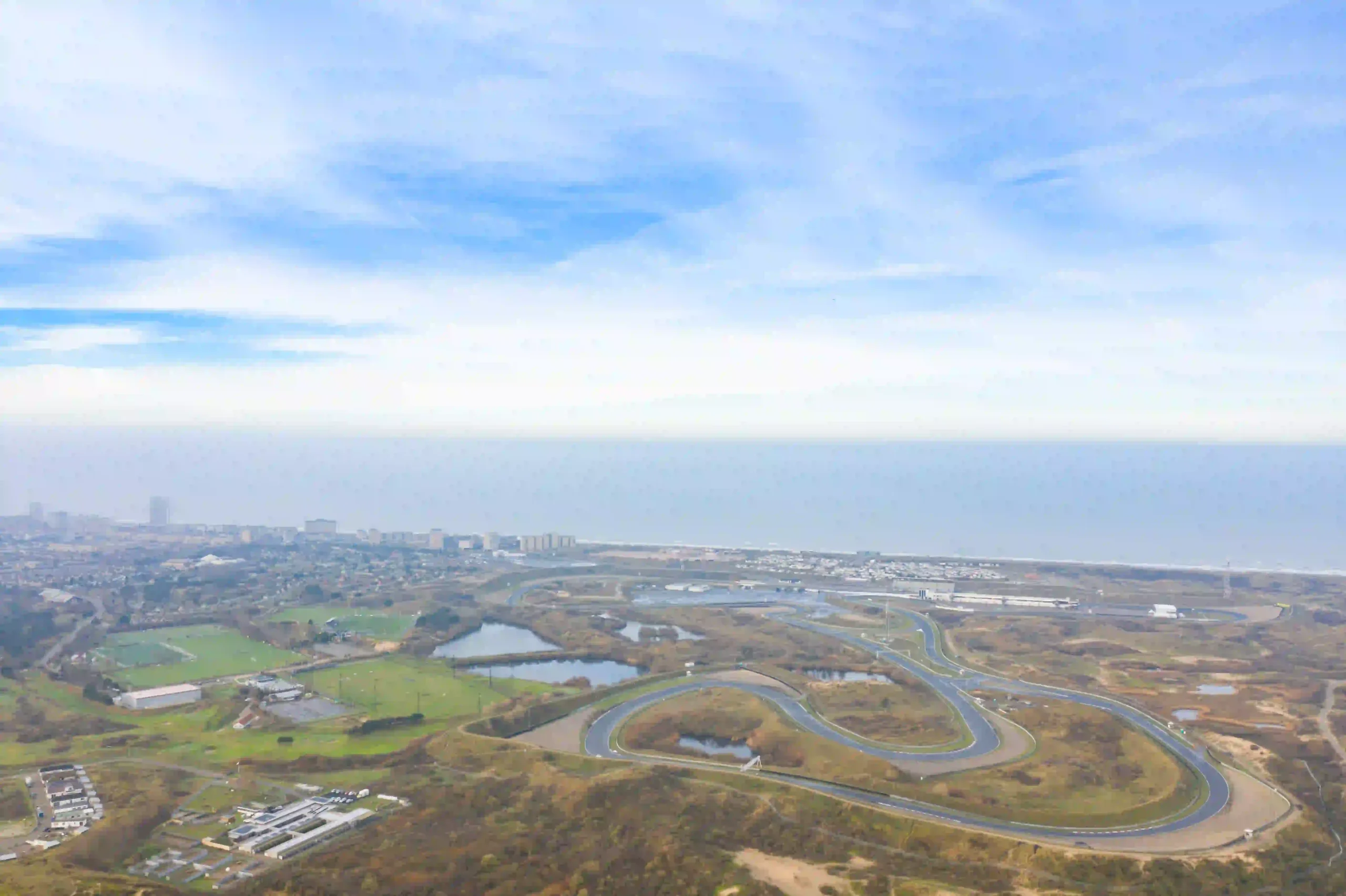
Zandvoort is narrow, undulating and fast, with limited runoff and steep banking. Drivers must maintain rhythm through the dunes while managing wind, tire load and traffic on a short lap.
Zandvoort measures 4.259 kilometers and contains a constant series of elevation changes.
Formula 1 drivers have described it as quick, insane, crazy and old-school.
The Circuit Moves With the Dunes
The road rises, falls and changes camber.
Drivers often turn while the car becomes light or compressed. That movement affects grip.
Banking Changes the Racing Line
Tarzan, Hugenholtz and the final Arie Luyendijk corner use major banking.
The angle at Tarzan reaches 18 degrees. Drivers can choose different lines, but the load on the tires changes.
The Track Is Narrow
Cars have limited space to pass or recover.
Therefore, qualifying position matters. Traffic can ruin a lap quickly because the circuit is short.
Wind Blows Across the Coastal Dunes
Direction and strength can change between sessions.
A headwind improves front grip at one corner, while a tailwind reduces it. Drivers must adjust braking references.
Gravel Remains Close
A wide exit can trap the car or damage the floor.
The driver must commit without relying on broad asphalt runoff.
The Final Banked Corner Loads the Car
Drivers accelerate through Arie Luyendijk toward the straight.
The banking supports speed, but tire load remains high. A poor line damages the entire pit straight.
Why Zandvoort Ranks Above Silverstone
Silverstone has greater high-speed force.
However, Zandvoort is narrower and gives drivers less visual and physical space. The whole lap feels compressed.
8. Silverstone — The Hardest Track for Fast Direction Changes
Silverstone combines long high-speed corners with rapid direction changes through Maggots, Becketts and Chapel. Drivers need aerodynamic confidence while the tires absorb severe lateral energy.
Silverstone measures 5.891 kilometers and rewards stable high-speed downforce.
Lewis Hamilton once compared a flat-out lap to flying a fighter jet.
Maggots and Becketts Build Load Rapidly
The car changes direction several times at high speed.
A poor first line damages every following turn. Therefore, rhythm matters as much as bravery.
Chapel Controls the Hangar Straight
The final exit determines acceleration.
A small slide costs speed for several seconds. That loss also affects overtaking and defense.
Copse Requires Trust
The fast right-hander arrives after the old pit straight.
Wind and dirty air can change front grip. The driver must choose commitment before feeling the full load.
Stowe Adds High-Speed Braking
Drivers arrive after a long straight.
The corner requires stable braking and a fast entry. A mistake compromises Vale and Club.
Tire Energy Is Severe
Pirelli selected the hardest compounds for the 2026 British Grand Prix because of track severity.
Sustained lateral load builds temperature and degradation. Drivers must avoid sliding while maintaining speed.
Weather Can Change Quickly
Silverstone’s open airfield location exposes it to wind and showers.
A gust can alter balance through the fastest corners. Teams constantly monitor direction and intensity.
Why Silverstone Ranks Eighth
The challenge is extremely fast but relatively visible.
Modern runoff provides more recovery than Suzuka or Zandvoort. Its high-speed sequences still separate confident drivers.
9. Baku — The Hardest Setup Compromise
Baku combines a very long high-speed waterfront straight with a slow, narrow old-city section. Teams must choose between low drag for top speed and downforce for braking, traction and the castle corners.
Baku measures 6.003 kilometers and contains two circuits within one lap.
The opening and closing sections reward speed. The middle section narrows beside medieval walls.
The Main Straight Rewards Low Drag
Cars can approach 350 km/h before Turn 1.
Therefore, excess wing creates a major race disadvantage. Drivers also need confidence under heavy braking.
The Castle Section Rewards Downforce and Precision
The road becomes extremely narrow around the old city.
A small lockup or steering error ends with barrier contact. Side-by-side racing is nearly impossible there.
Braking Zones Are Easy to Misjudge
Several corners are 90-degree turns after fast approaches.
Low downforce reduces braking stability. Cold tires or a tailwind extend the stopping distance.
The Long Straight Can Cool the Tires
Drivers spend many seconds with limited steering load.
Consequently, tire surface temperature can fall. The next braking zone then becomes harder.
Wind Changes Along the Waterfront
Baku is known for strong coastal wind.
A headwind or tailwind changes top speed and braking. Crosswinds affect the car between walls.
Qualifying Requires Risk
Track position matters, but a yellow or red flag can end the session.
Drivers must set a banker lap while still attacking narrow corners. The final minutes often become chaotic.
Why Baku Ranks Ninth
The straight provides physical rest.
However, the setup conflict is unmatched. A car built for one section often suffers badly in another.
10. Circuit of the Americas — The Hardest Modern All-Round Test
COTA combines a steep uphill braking zone, Suzuka-style Esses, long loaded corners, slow traction zones and a bumpy surface. Drivers and engineers must solve several different track types within one lap.
The Circuit of the Americas measures 5.513 kilometers.
Its designers used recognizable corner ideas while adding major elevation and modern passing zones.
Turn 1 Climbs Sharply
Drivers brake uphill toward a wide hairpin.
The crest hides the apex and allows several lines. Starts and restarts produce crowded braking.
Turns 3 Through 6 Demand Rhythm
The sequence resembles Silverstone and Suzuka.
Changing direction at speed loads the tires. Missing one apex compromises the following turns.
The Back Straight Rewards Exit Traction
A slow corner begins the long acceleration zone.
Wheelspin costs speed for several seconds. The following heavy braking area tests stability.
The Stadium Section Changes the Pace
Turns 12 through 15 are slow and technical.
The car needs rotation and traction after the high-speed first sector. Setup compromise becomes important.
Turn 17 Is Long and Loaded
The multi-apex right-hander wraps around the observation tower.
Drivers balance front grip and rear stability while protecting tire temperature.
Bumps Affect Braking and Floor Performance
Ground movement has created recurring surface problems.
The car can bottom out or lose contact under braking. Ride height must protect both control and downforce.
Why COTA Ranks Tenth
The circuit is broad and offers modern runoff.
Therefore, many mistakes cost lap time rather than ending the session. Its variety still makes it the hardest modern purpose-built all-round test.
11. Interlagos — The Hardest Short Lap to Control
Interlagos compresses elevation, traffic, tire management and changing weather into a 4.309-kilometer lap. Its anti-clockwise direction and uphill main straight create an unusual physical and strategic challenge.
Interlagos contains only 15 corners, but the lap rarely feels simple.
Its short length means traffic appears quickly in practice and qualifying.
The Senna S Combines Braking and Elevation
Drivers attack downhill into Turn 1.
The track then changes direction before Curva do Sol. A poor line damages the entire Reta Oposta.
The Infield Changes Camber and Speed
Ferradura and Laranjinha reward aerodynamic balance.
Pinheirinho and Bico de Pato need mechanical grip. The car must perform across several speed ranges.
Junção Controls the Uphill Straight
The final slow corner rewards patience and traction.
A small slide costs speed all the way to Turn 1. Therefore, race attacks begin before the visible straight.
The Anti-Clockwise Direction Changes Neck Loading
Most circuits run clockwise.
Interlagos loads the driver differently across 71 laps. Fatigue can affect late-race precision.
Altitude Affects Downforce and Cooling
The circuit sits near 800 meters above sea level.
Thinner air reduces aerodynamic load and cooling efficiency. Teams use larger wing angles without creating normal sea-level drag.
Weather Can Transform the Race
Rain runs down the circuit’s elevation.
Grip can differ between sectors, while water crosses the racing line. Tire choices become difficult.
Why Interlagos Ranks Eleventh
The track offers real passing opportunities and usable runoff.
However, its compressed lap, weather and unusual direction make it harder than the simple map suggests.
12. Hungaroring — The Hardest Circuit for Continuous Rhythm
The Hungaroring has only one major straight and several connected corners. Drivers need continuous rhythm, front grip and traction, while hot conditions and limited overtaking increase qualifying pressure.
The Hungaroring measures 4.381 kilometers and contains 14 turns.
Formula 1 often compares it with a kart track because the corners arrive continuously.
There Is Little Time to Reset
One corner flows directly into another.
A poor exit changes the following entry. Therefore, mistakes spread through the middle sector.
High Downforce Is Essential
Teams use setups similar to Monaco.
Front grip helps the car rotate, while rear traction supports slow exits. Excessive understeer destroys rhythm.
Track Temperature Can Be High
Summer heat raises tire temperatures.
Drivers must avoid sliding. Overheating one axle can damage performance across an entire stint.
Qualifying Pressure Is High
Passing opportunities are limited.
Therefore, a small Saturday mistake has a larger Sunday consequence. Traffic management also becomes important.
Low Grip Changes Through the Weekend
Pirelli’s 2026 preview described grip as among the season’s lowest.
The surface evolves significantly as rubber builds. Drivers constantly update braking and line references.
The Circuit Is Narrower Than It Looks
Side-by-side racing through the middle sector is difficult.
Drivers need precision around curbs without damaging the floor. Track limits can also remove lap times.
Why the Hungaroring Is Twelfth
It provides more runoff and lower speed than the circuits above.
However, its continuous rhythm and qualifying importance still make it one of the toughest Grand Prix circuits.
Which F1 Track Is Hardest in Each Category?
Monaco leads precision and mistake consequence. Singapore leads physical demand, Suzuka leads technical rhythm, Jeddah leads high-speed street commitment, and Spa leads weather and setup complexity.
| Difficulty Category | Hardest Circuit | Reason |
|---|---|---|
| Overall difficulty | Monaco | Maximum precision and almost no recovery space |
| Physical race | Singapore | Heat, humidity, bumps and long concentration |
| Permanent-circuit technique | Suzuka | Connected sequences punish every small error |
| High-speed street commitment | Jeddah | Fast blind bends beside barriers |
| Weather and setup | Spa | Long lap, elevation and conflicting aero demands |
| Sustained lateral load | Lusail | Repeated medium- and high-speed corners |
| Narrow rollercoaster rhythm | Zandvoort | Undulations, banking, wind and limited width |
| Fast direction changes | Silverstone | Maggots, Becketts and Chapel |
| Setup compromise | Baku | Long straight versus slow old-city corners |
| Modern all-round challenge | COTA | Elevation, Esses, slow corners and bumps |
Hardest Track for a Rookie
Monaco is the hardest first visit because confidence builds gradually.
However, Jeddah may feel more intimidating immediately because speed remains high beside walls.
Hardest Track in the Rain
Spa ranks first because one sector can be wet while another is dry.
Interlagos follows closely because elevation creates rivers and multiple grip levels.
Hardest Track on Tires
Silverstone and Lusail create sustained lateral energy.
Suzuka also loads both sides of the car through connected high-speed corners. Compound choice and conditions can change the order.
Hardest Track on Brakes
Baku and Montreal create repeated high-speed stops.
However, Singapore combines many braking events with limited cooling and high ambient temperatures.
Hardest Track for Overtaking
Monaco remains the clear answer.
The narrow layout and short straights make qualifying essential. The Hungaroring also limits passing through its continuous middle sector.
Street Circuits vs. Permanent Circuits: Which Are Harder?
Street circuits dominate the top of the ranking.
However, permanent circuits often create the greater pure driving challenge.
Why Street Circuits Feel Harder
- Barriers punish small errors
- Surfaces are bumpy and change yearly
- Grip begins low and evolves quickly
- Sight lines are restricted by walls and fencing
- Qualifying position carries greater value
Why Permanent Circuits Test Technique
- Faster corners create greater G-force
- Sequences reward rhythm across several turns
- Gravel can punish wide exits
- Setup compromises cover more corner speeds
- Weather and elevation often vary widely
Monaco and Singapore are difficult because the environment increases consequence.
Suzuka and Silverstone are difficult because the driver must extract aerodynamic performance repeatedly.
Therefore, “harder” depends on the skill being measured. A street specialist may feel more comfortable near walls than through a flat-out permanent-circuit sequence.
How the 2026 Cars Change Circuit Difficulty
The 2026 regulations introduced smaller cars, Active Aero and greater electrical power.
Those changes do not make every track easier. Instead, they shift where the difficulty appears.
Smaller Dimensions Help on Narrow Tracks
A shorter and narrower car provides slightly more placement space.
However, Monaco remains extremely tight. Barriers still demand millimeter accuracy.
Active Aero Changes Straight-to-Corner Transitions
Front and rear elements move between Straight Mode and Corner Mode.
Drivers must trust the car’s aerodynamic state before braking and turning. Circuit-specific activation areas influence preparation.
Monaco Did Not Use Straight Mode in 2026
Formula 1 disabled the active low-drag configuration there for safety.
That decision shows circuit geometry still overrides general technology. Monaco’s challenge remains unique.
Electrical Deployment Creates New Tactical Work
Overtake Mode replaced DRS as the chasing advantage.
Drivers manage energy across the lap rather than only one rear-wing zone. Long straights at Baku and Spa become important deployment decisions.
Tire Behavior Still Decides Confidence
Newer cars cannot remove basic grip limits.
A driver still needs front response at Suzuka, rear traction at Interlagos and thermal control at Singapore.
Honorable Mentions: Difficult Recent and Historic F1 Tracks
The main list includes only circuits on the official 2026 calendar.
Several recent or historic venues deserve recognition.
Imola
Imola is narrow, fast and lined with gravel.
Its curbs punish floor strikes, while passing is difficult. The circuit does not appear on the 2026 calendar.
Istanbul Park
Turn 8 created one of Formula 1’s great sustained loads.
The multi-apex left tested neck strength, tire energy and aerodynamic confidence.
Sepang
Malaysia combined heat, humidity, wide corners and sudden rain.
The long straights also created a difficult downforce compromise.
The Nürburgring Nordschleife
The historic layout was far beyond modern circuit scale.
Its length, jumps, elevation and limited safety infrastructure created a challenge that current Formula 1 would not accept.
Old Spa-Francorchamps
The original road course measured nearly 15 kilometers.
It ran between villages at extreme speed. Modern Spa is safer, but its character remains connected to that history.
Adelaide
The Australian street circuit combined heat, concrete walls and a late-season position on the calendar.
Its physical and mechanical challenge produced memorable finales.
Common Myths About the Hardest Formula 1 Tracks
“The Fastest Track Is Automatically the Hardest”
False. Monza has the highest average speed, but drivers receive long straight-line recovery periods.
Monaco is slower yet requires more continuous precision.
“Street Circuits Are Hard Only Because of Walls”
False. They also contain bumps, low initial grip, restricted sight lines and changing camber.
The walls simply increase the consequence.
“Modern Runoff Makes Permanent Tracks Easy”
False. Suzuka, Silverstone and Lusail generate enormous speed and tire load.
Runoff reduces some consequences but not the skill required.
“A Flat-Out Corner Is Easy”
False. Wind, dirty air and tire condition can change available grip.
The driver still places the car accurately at very high speed.
“Singapore Became Easy After Losing Four Corners”
False. The 2023 revision improved flow but did not remove heat, humidity or street-circuit bumps.
The race remains the calendar’s leading physical test.
“Monaco Is Only Difficult in Qualifying”
False. The race requires 78 laps of barrier clearance, tire management and restart concentration.
Traffic and strategy add further pressure.
Hardest F1 Tracks Ranked: FAQs
What is the hardest F1 track?
Monaco ranks as the hardest overall because its narrow barriers, bumps and relentless concentration leave almost no margin for error.
What is the hardest permanent F1 circuit?
Suzuka ranks first among permanent circuits because its connected high-speed corners demand rhythm, commitment and precise car placement.
Which F1 track is the most physically demanding?
Singapore is the leading physical challenge because heat, humidity, bumps and repeated braking continue through a long street race.
How were the hardest F1 tracks ranked?
The ranking scores precision, physical load, speed commitment, mistake consequence and setup complexity across circuits on the 2026 calendar.
Conclusion: The Hardest F1 Track Depends on the Skill Being Tested
The hardest F1 tracks ranked list places Monaco first overall.
Its case begins with precision.
The Circuit de Monaco measures only 3.337 kilometers.
However, 19 corners and narrow barriers fill almost every meter.
A driver cannot use broad runoff to recover.
A small steering error can end qualifying.
That consequence creates pressure before the race begins.
Singapore ranks second.
It is the calendar’s most demanding physical contest.
Heat and humidity reduce the body’s cooling ability.
The bumpy surface attacks the driver and car.
Nineteen corners repeat across 62 laps.
Drivers may lose significant fluid and body weight.
Therefore, concentration becomes harder near the finish.
Suzuka takes third and leads the permanent circuits.
Its challenge comes from connection.
The Esses punish one error through several turns.
Dunlop extends the load uphill.
The Degners mix commitment and restraint.
Spoon demands patience and traction.
130R requires trust at very high speed.
No single corner explains Suzuka.
The complete rhythm creates the difficulty.
Jeddah ranks fourth.
It is the fastest street circuit Formula 1 has used.
Average speeds sit near 250 km/h.
Twenty-seven corners flow between walls.
Several exits remain difficult to see.
Consequently, drivers commit before receiving full visual confirmation.
Spa completes the top five.
Its 7.004-kilometer lap is the longest on the calendar.
Eau Rouge and Raidillon combine compression, direction change and elevation.
The middle sector needs downforce.
The long straights reward low drag.
Weather can differ across the circuit.
Therefore, Spa tests engineering judgment as strongly as driver confidence.
Lusail ranks sixth because of sustained lateral load.
Zandvoort follows with narrow, undulating corners and steep banking.
Silverstone ranks eighth through high-speed direction changes and tire energy.
Baku ranks ninth because its setup requirements conflict dramatically.
COTA completes the top ten as the strongest modern all-round test.
Interlagos and the Hungaroring finish the main ranking.
Neither is easy.
Interlagos compresses elevation, weather and traffic into a short anti-clockwise lap.
The Hungaroring demands uninterrupted rhythm with limited passing opportunities.
Different drivers may change the order.
A street-circuit specialist might place Monaco below Suzuka.
A driver sensitive to heat might rank Singapore first.
A rookie may find Jeddah more intimidating than every other track.
Weather can also overturn the list.
A wet Spa race becomes an extraordinary visibility and grip challenge.
A storm at Interlagos creates rivers across the track.
Strong wind can transform Silverstone or Zandvoort.
Car balance matters too.
A nervous rear axle makes Jeddah frightening.
Weak front grip destroys Suzuka’s first sector.
Poor traction damages Interlagos and Singapore.
Excess drag leaves a car exposed at Spa and Baku.
Therefore, circuit difficulty is never separate from machinery.
The 2026 regulations shifted some details.
Cars became smaller and use Active Aero.
Overtake Mode changed race tactics.
However, the fundamental challenges remain.
Walls still punish mistakes.
Heat still drains the driver.
Fast corners still require trust.
Elevation still changes grip.
Tires still overheat when the car slides.
Qualifying still rewards the cleanest lap.
That is why the hardest Formula 1 circuits remain valuable.
They reveal more than raw car performance.
They expose preparation, confidence and judgment.
Monaco shows whether a driver can place the car accurately.
Singapore shows whether the driver can maintain performance while exhausted.
Suzuka shows whether several corners can become one movement.
Jeddah shows whether commitment survives beside walls.
Spa shows whether driver and team can handle uncertainty.
The final ranking therefore has several answers.
Monaco is the hardest overall track.
Suzuka is the hardest permanent circuit.
Singapore is the hardest physical race.
Each earns its position through a different kind of difficulty.
Sources and Fact-Checking
This ranking was checked against official Formula 1 circuit information available on July 24, 2026. The scores and final order are World of Speed editorial analysis. This is a static source list with no interactive verification feature.