What Does a Sporting Director Do in F1?
The sporting director turns a dense rulebook into safe, legal and repeatable race-weekend operations while keeping the team connected to Race Control.
An F1 sporting director manages sporting rules, FIA communication and race operations. The role covers procedures, penalties, pit-lane safety, official meetings and incident response.
The sporting director helps an F1 team race quickly without racing illegally.
That sounds simple. However, a Grand Prix weekend contains hundreds of procedural risks.
The team must release cars safely and respect parc fermé rules.
Drivers must follow flags, delta times and restart instructions.
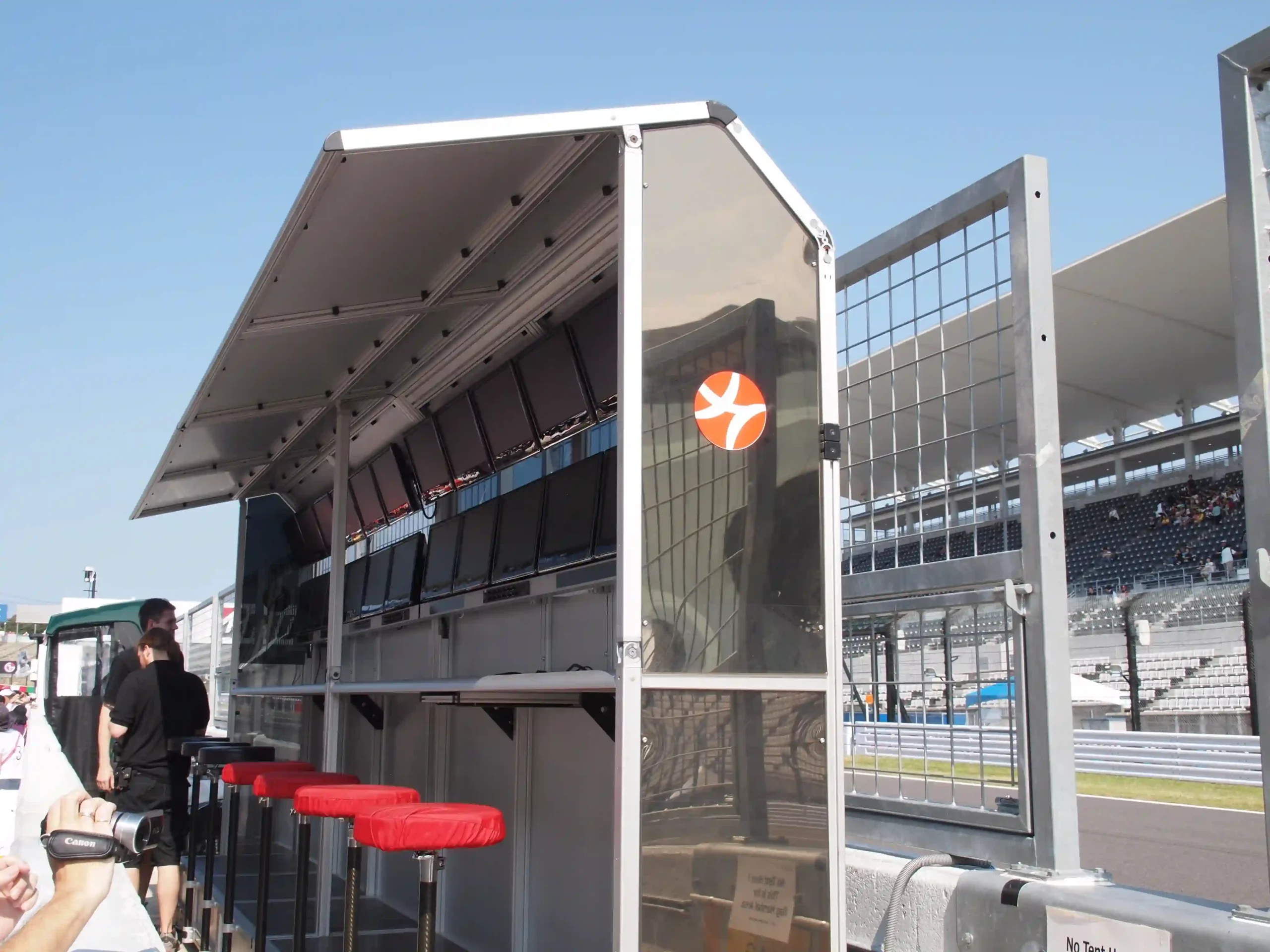
Mechanics must enter the pit lane at the correct moment.
Official documents must be read, acknowledged and shared.
Meanwhile, Race Control can change a procedure within seconds.
The sporting director keeps the organization aligned through that pressure.
They normally act as a senior link between the team and the FIA.
Ferrari says Sporting Director Diego Ioverno handles all sporting matters and FIA liaison.
McLaren describes Will Courtenay’s 2026 job in similar operational terms.
Courtenay briefs race engineering on instructions and opinions from Race Control.
At Williams, Sven Smeets also oversees sporting work and major logistical programs.
Mercedes has described Ron Meadows as responsible for sporting compliance and pit-stop coordination.
These examples show why titles vary while the core purpose remains stable.
The sporting director does not control the event.
That authority belongs to the FIA Race Director and other officials.
The 2026 Sporting Regulations give the Race Director overriding authority over session control.
They also cover starts, stoppages, restarts and Safety Car use.
The sporting director represents one competitor within that system.
They interpret instructions and protect the team’s response.
The role also differs from race strategy.
Strategists calculate whether a driver should pit.
Race engineers communicate with the driver.
Car-operations staff prepare the pit crew.
Meanwhile, the sporting director checks that the plan remains legal and operationally sound.
One mistake can produce a time penalty or grid drop.
A serious procedural failure can cause disqualification.
Therefore, sporting performance often means preventing avoidable losses.
Preparation begins long before the cars run.
The director studies sporting and operational regulation changes.
They review the event timetable and Race Director’s notes.
They also rehearse unusual starts, red flags and radio failures.
In addition, the department manages driver paperwork and official declarations.
The 2026 rules created new areas to prepare.
Heat Hazard and Rain Hazard declarations affect equipment and permitted work.
Furthermore, the FIA continued revising the regulations during the season.
So, what does a sporting director do in F1? They convert rules, messages and risk into a race operation the team can execute under pressure.
F1 Sporting Director Responsibilities at a Glance
The sporting director manages FIA liaison, sporting compliance, official procedures, operational preparation, incident response and race-team discipline.
The role combines regulation knowledge with live operations.
Moreover, it requires authority because several departments must follow one procedure.
| Responsibility | What the Sporting Director Does | Why It Matters |
|---|---|---|
| FIA liaison | Receives and clarifies Race Control and steward communications | Prevents missed or misunderstood instructions |
| Sporting compliance | Checks plans against current sporting and operational rules | Reduces avoidable penalties |
| Official meetings | Represents the team or prepares the designated team manager | Brings changes back to engineers and drivers |
| Pit-lane operations | Oversees safe releases, crew timing and working-area rules | Protects safety and track position |
| Grid procedures | Coordinates equipment, personnel and countdown actions | Avoids start and grid infringements |
| Neutralized races | Maintains Safety Car, VSC and red-flag checklists | Helps the team react without error |
| Parc fermé | Controls permitted work and records changes | Protects the car’s legal starting status |
| Incidents | Collects video, data and statements for the stewards | Gives the team an accurate defense |
| Protests and appeals | Advises leaders on deadlines, evidence and available routes | Prevents weak or invalid legal action |
The Role Protects Sporting Performance
A fast stop can be ruined by an unsafe release.
Consequently, legal execution is part of lap time.
The Sporting Director Filters Information
Race Control sends messages to every competitor.
The sporting director decides who inside the team needs each detail.
Preparation Matters More Than Improvisation
Rare events still need a rehearsed response.
Therefore, teams practice aborted starts, red flags and pit-lane closures.
The best sporting weekends often look invisible. No deadline is missed, no instruction is misunderstood and no preventable penalty reaches the results sheet.
Where the Sporting Director Fits Inside an F1 Team
The sporting director usually reports to the team principal, racing director or senior operations leader. Exact structures differ between teams.
The sporting department sits between competition and governance.
It must understand engineering urgency and formal regulation language.
The Team Principal Holds Overall Authority
The principal sets policy and accepts public responsibility.
Meanwhile, the sporting director advises what the rules permit.
A Racing Director May Sit Above the Role
McLaren’s Will Courtenay reports into Senior Racing Director Randeep Singh.
That structure connects sporting compliance with strategy and race execution.
Team Managers Handle Detailed Administration
They may manage credentials, forms and weekend schedules.
In some teams, the team manager also carries sporting-director duties.
Car Operations Connects the Role to Mechanics
Pit crews need precise timing and equipment instructions.
Therefore, sporting and car-operations leaders work closely.
Legal Staff Support Formal Proceedings
A steward hearing can create legal and evidential questions.
The sporting director provides motorsport context while lawyers protect process.
Race Engineers Receive Operational Instructions
They must tell drivers about flags, penalties and procedures.
The sporting director makes sure the message matches the official instruction.
Our guide to what the FIA does explains the governing structure.
Current and Recent F1 Sporting Director Examples
Verified examples include Will Courtenay at McLaren, Diego Ioverno at Ferrari and Sven Smeets at Williams. Teams use different titles and reporting structures.
| Team Example | Verified Role | Published Responsibilities |
|---|---|---|
| McLaren | Will Courtenay, Sporting Director | Race Director liaison, Race Control interpretation and sporting operations support |
| Ferrari | Diego Ioverno, Sporting Director | All sporting matters and liaison with the FIA |
| Williams | Sven Smeets, Sporting Director | Sporting operations, logistics preparation and driver-program responsibilities |
| Mercedes example | Ron Meadows in the team’s published role guide | Sporting compliance, FIA communication and pit-stop crew coordination |
McLaren Added Will Courtenay for 2026
McLaren recruited Courtenay after two decades at Red Bull.
By July 2026, he was seated beside the racing director on McLaren’s pit wall.
Ferrari Gives Diego Ioverno a Broad Remit
Ferrari says Ioverno handles every sporting matter.
He also reports directly to Team Principal Fred Vasseur.
Williams Connects Sporting Work With Logistics
Sven Smeets described the 2026 reset as a major planning challenge.
New cars and testing demands changed freight and preparation schedules.
What the Sporting Director Does Before a Grand Prix
The director reviews the latest regulations, event notes, timetable, personnel declarations, driver requirements and emergency procedures.
A clean weekend begins with detailed preparation.
Most procedural mistakes can be predicted before the garage opens.
The Rulebook Must Be Current
The FIA can publish revised regulations and event documents.
Therefore, teams use controlled document systems rather than memory.
Race Director’s Notes Add Circuit Detail
These notes can define track limits, practice starts and pit entry behavior.
The sporting department converts them into team instructions.
The Timetable Controls Every Department
Scrutineering, meetings and media duties create fixed deadlines.
A late car or driver can trigger consequences.
Personnel Lists Need Accuracy
Operational declarations and access permissions must match FIA rules.
In addition, restricted-period rules affect when work can happen.
Driver Eligibility Must Be Confirmed
Licenses, substitutions and rookie-session obligations need documentation.
The sporting director works with driver management and the FIA.
Tire Plans Must Respect Return Deadlines
Sporting rules control allocation, use and return.
Consequently, the tire group follows a detailed weekend schedule.
The Pit Crew Practices Legal Execution
Speed alone is not enough.
Mechanics must stay clear until needed and leave immediately afterward.
Repeated pit-stop practice helps teams protect speed, safety and procedural accuracy.
Official Meetings and Race Control Communication
The designated team representative or sporting leader communicates with FIA officials. The sporting director then distributes instructions to engineers, drivers and operations staff.
Official meetings create the common operating picture.
The 2026 rules require team managers and drivers at defined briefings.
Standard Weekends Have Scheduled Meetings
The Race Director chairs a team-manager meeting before FP1.
A later meeting includes drivers and team managers.
Sprint Weekends Add More Briefing Points
The alternative format compresses practice and parc fermé.
Therefore, additional meetings help manage the faster sequence.
Receipt of Instructions Must Be Acknowledged
The FIA publishes decisions through its document system.
Teams must not assume someone else has read them.
Clarification Can Prevent a Penalty
Ambiguous language should be questioned before the session.
The sporting director seeks a formal answer rather than guessing.
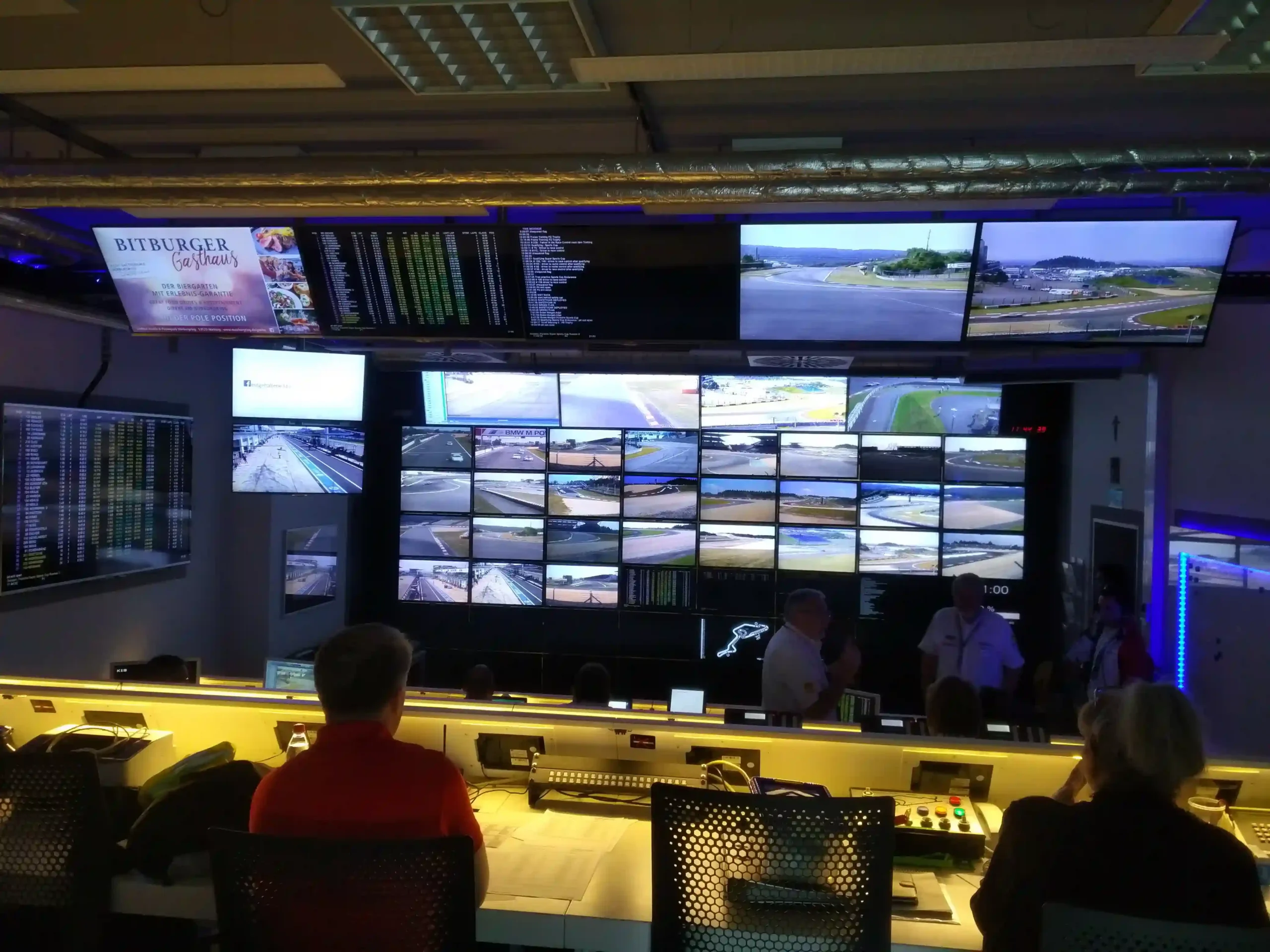
Race Control Messages Need Fast Distribution
A VSC, red flag or pit-lane closure affects several groups.
Strategy, engineering and mechanics need consistent information.
What the Sporting Director Does During Practice
The director monitors official messages, pit-lane conduct, driver procedures, tire rules, personnel limits and incidents while the engineering team runs its program.
Practice looks less formal than racing.
However, most sporting rules already apply.
Pit-Lane Safety Remains Active
Cars cannot be released into danger.
Personnel must also avoid obstructing the fast lane.
Practice Starts Need Exact Procedures
The Race Director’s notes identify permitted locations.
Drivers and engineers receive those instructions before leaving.
Yellow and Red Flags Affect Every Run
The sporting group checks whether drivers slowed correctly.
They also prepare evidence if an incident reaches the stewards.
Read our guide to racing flags.
Tire Use Is Recorded
Every set has a status and return deadline.
A clerical error can reduce the team’s available tires.
Session Interruptions Change the Plan
The Race Director can stop practice for safety.
Sporting staff confirm restart timing and revised procedures.
What the Sporting Director Does During Qualifying
The director tracks official timing, impeding risks, pit-lane order, red flags, driver instructions and the start of parc fermé restrictions.
Qualifying leaves little margin for procedural error.
A penalty can destroy a fast lap or grid position.
Release Timing Has Sporting Risk
Engineers seek clean air.
However, slow out-laps can create dangerous traffic.
Impedance Investigations Need Evidence
The sporting director reviews GPS and radio communication.
The question is whether the driver received adequate warning.
Red Flags Create Clock Pressure
The director confirms whether the session will restart.
They also distribute minimum-time and pit-lane instructions.
Parc Fermé Begins at a Critical Moment
Once the car falls under restrictions, setup freedom changes.
Therefore, every adjustment needs approval and documentation.
Grid Penalties Must Be Applied Correctly
Power-unit, gearbox and sporting penalties can interact.
The team checks the published provisional and final grid.
See how Sprint weekends work and how F1 qualifying works.
Grid, Formation Lap and Starting Procedures
The sporting and car-operations groups coordinate the countdown, equipment removal, personnel movement and responses to delayed or aborted starts.
The starting grid is highly controlled.
Every minute of the countdown changes what teams may do.
Reconnaissance Laps Follow a Schedule
The pit lane opens and closes at specified times.
A missed window can force a pit-lane start.
Grid Equipment Must Leave on Time
Generators, cooling equipment and personnel follow countdown signals.
The sporting director checks the complete operation.
Late Technical Problems Need Fast Classification
Mechanics may continue work under defined conditions.
However, the team must know whether the car can retain its grid place.
The Formation Lap Has Its Own Rules
Drivers must maintain position and follow start procedures.
Read our guide to the F1 formation lap.
False Starts Can Trigger Penalties
Movement before the signal is monitored electronically and visually.
Our F1 jump-start guide explains the infringement.
What the Sporting Director Does During the Race
The director monitors Race Control, penalties, pit-lane safety, neutralization procedures, driver conduct and official decisions while supporting the race operation.
The race creates constant sporting risk.
One message can change the correct procedure for both cars.
The Director Watches the Whole Event
Race engineers focus on one driver.
The sporting director monitors both cars and the regulatory picture.
Track Limits and Flags Need Tracking
Warnings can lead to penalties.
The team must tell the driver without distracting them unnecessarily.
Penalties Require Correct Service
A time penalty cannot be served with unauthorized work.
The sporting group briefs mechanics before the car arrives.
Race Control Can Close the Pit Lane
Entering at the wrong time can create serious consequences.
Therefore, the message must reach strategy and both race engineers immediately.
Driver Conduct Can Trigger Investigation
Contact and overtaking under flags create steward cases.
The sporting director begins gathering evidence before a summons arrives.
Pit-Lane Procedures and Unsafe Releases
Sporting, car-operations and strategy staff share the work. The sporting director protects compliance, while car operations controls crew deployment and release.
The pit lane combines speed, people and limited space.
Consequently, a small error can become dangerous.
The Fast Lane Must Remain Clear
Teams cannot leave equipment where it hinders another car.
Work normally happens in designated areas.
Personnel Enter Only When Needed
The FIA rules limit unnecessary pit-lane presence.
Mechanics must withdraw once their work is complete.
Release Safety Needs Several Checks
The traffic-light operator, lookout and car controller share information.
The sporting group validates the process after any near miss.
Read our guide to unsafe releases in F1.
The Pit-Lane Speed Limit Is a Driver Responsibility
However, the team confirms limiter procedures and timing data.
See how the F1 pit-lane speed limit works.
Double Stacks Add Traffic Risk
Two cars and two tire sets must arrive in the correct order.
Read why F1 teams double-stack cars.
Sporting Compliance Supports Fast Stops
The mechanics still chase minimum stationary time.
Our guide to how racing pit stops work explains the physical process.
Safety Car and Virtual Safety Car Operations
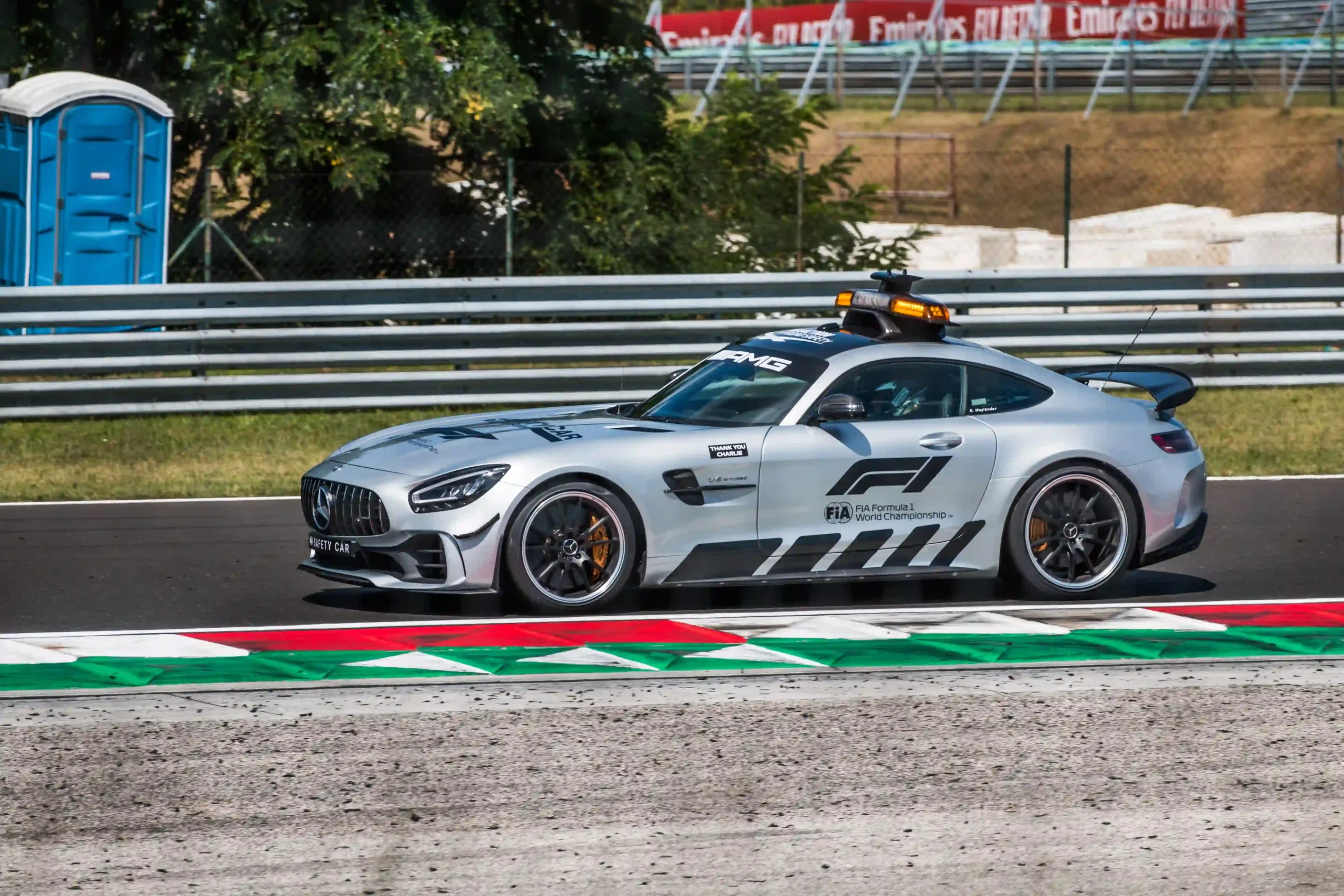
The director confirms official messages, pit-lane status, overtaking restrictions, delta rules, restart instructions and any incident-specific FIA direction.
Neutralization can make strategy look simple.
In reality, it creates several simultaneous rules.
The FIA Race Director Deploys the Safety Car
The team cannot request or control it.
The sporting director responds to the official message.
Pit-Lane Status Must Be Confirmed
A closed pit entry can invalidate the obvious strategy.
Therefore, legality comes before tire advantage.
VSC Delta Compliance Is Critical
Drivers must remain above the minimum time at required points.
Race engineers communicate the target while sporting staff monitor warnings.
Overtaking Exceptions Are Limited
Cars cannot simply pass because another driver is slow.
The team checks whether a stated exception applies.
Restart Timing Is Official
The sporting director tracks lights, messages and Safety Car status.
They then confirm the correct instruction to race engineering.
Post-Race Review Checks Every Message
A neutralization can produce protests and confusion.
Read our guide to the F1 Safety Car and VSC.
Red Flags, Suspensions and Restarts
The director confirms the suspension procedure, pit-lane order, permitted work, tire options, restart type and every Race Control message.
A red flag creates more time than a Safety Car.
However, it also creates more procedural choices.
Cars Must Follow the Official Route
Race Control identifies where the field stops.
The team cannot choose a more convenient location.
Permitted Work Is Restricted
Teams may perform defined tasks during a suspension.
The sporting director confirms each action before mechanics begin.
The Order Must Be Understood
Timing loops and official classification determine the restart queue.
A team should not rely on television graphics.
The Restart Can Be Standing or Rolling
Different procedures affect tires, clutch and grid equipment.
Therefore, the instruction must reach every department quickly.
Weather Can Change the Restart Plan
Wet conditions may require Safety Car laps.
Rain Hazard procedures can also affect permitted work.
Evidence Is Preserved After Controversy
Teams save messages, timing and video.
Our F1 red-flag guide explains the procedure.
Parc Fermé Compliance
The sporting and technical operations groups share responsibility. Sporting staff control procedure, while technical staff confirm whether proposed work is permitted.
Parc fermé limits changes after qualifying begins.
Its purpose is to stop teams creating separate qualifying and race setups.
Permitted Work Is Listed
Teams may perform defined maintenance and replacement tasks.
However, replacement parts usually need the same specification.
Setup Changes Can Force a Pit-Lane Start
A team may choose performance over grid position.
The sporting director confirms the consequence before approval.
Seals and Records Protect Compliance
The FIA can seal components or complete cars.
Every authorized action needs accurate documentation.
Weather Declarations Can Expand Permitted Work
Rain Hazard rules allow specific safety-related changes.
However, teams must follow the official list rather than assumptions.
Post-Race Parc Fermé Protects Inspection
Cars remain under FIA control after the finish.
Officials can weigh and inspect selected components.
Sporting and Technical Rules Overlap
The action may be sporting, while the component is technical.
Read our guide to F1 parc fermé.

How the Sporting Director Handles Penalties
The sporting director interprets the decision, checks how it must be served, informs team leaders and ensures engineers and mechanics execute it correctly.
A penalty creates an operational problem as well as a sporting loss.
Serving it incorrectly can produce another sanction.
The Exact Wording Matters
A five-second penalty differs from a grid drop.
A drive-through differs from a stop-and-go penalty.
Race Engineers Need a Clear Driver Message
The driver must know timing and restrictions.
However, the message should not create unnecessary debate during racing.
Mechanics Need the Correct Pit Procedure
No work may begin during a stationary time penalty.
The sporting group rehearses the countdown with car operations.
Grid Penalties Need Correct Application
Several drivers may carry penalties.
The resulting grid can be less intuitive than the sanctions list.
Penalty Points Are Tracked Separately
The driver’s license record can affect future eligibility.
Team management needs accurate totals and expiry dates.
Not Every Penalty Is Appealable
The 2026 Sporting Regulations exclude appeals against several common sanctions.
Therefore, the team must identify the correct legal route.
Public Statements Follow Legal Review
Emotional criticism can weaken the team’s position.
Sporting and communications leaders coordinate their response.
Protests, Appeals and the Right of Review
The team principal makes the final strategic decision, supported by sporting, technical and legal leaders who assess evidence, deadlines and available procedures.
A protest is not a general complaint.
It is a formal challenge under the FIA framework.
Evidence Must Match the Question
Video may support a driving case.
Technical measurements may support a car-legality protest.
Deadlines Are Strict
The sporting department tracks the relevant filing window.
A strong case can fail if submitted late or incorrectly.
Appeals Are Not Available for Every Decision
Formula 1 excludes appeals against many immediate racing penalties.
The director explains those limits before leaders promise action.
A Right of Review Has a Different Test
The team generally needs a significant and relevant new element.
It is not simply a second argument using identical material.
Technical and Sporting Cases Need Different Experts
A floor measurement requires engineers.
A restart case requires timing and official communication evidence.
Winning Is Not the Only Consideration
Teams also assess cost, relationships and precedent.
Read our guide to appeals in Formula 1.
Sporting Director vs. Race Director, Team Principal and Strategist
The sporting director works for one team and manages its compliance. The FIA Race Director controls the competition and issues instructions to every competitor.
F1 Team Sporting Director
- Works for one competitor
- Interprets rules for the team
- Liaises with FIA officials
- Manages operational compliance
- Prepares evidence and procedures
FIA Race Director
- Works for the governing body
- Controls sessions and timetable
- Orders stoppages and restarts
- Controls starting procedures
- Deploys the Safety Car
Sporting Director vs. Team Principal
The team principal leads the complete organization.
The sporting director advises and executes within the sporting area.
Sporting Director vs. Technical Director
The technical director controls car design and development.
The sporting director controls how the team operates under competition rules.
Sporting Director vs. Strategy Director
Strategy staff calculate competitive choices.
Sporting staff confirm which choices are legal and operationally possible.
Sporting Director vs. Race Engineer
The race engineer manages one driver’s trackside program.
The sporting director monitors both cars and official procedures.
Sporting Director vs. Team Manager
The titles can overlap.
Some teams separate administration from sporting authority, while others combine them.
Sporting Director vs. Stewards
Stewards decide investigations and penalties.
The sporting director presents evidence but cannot control the decision.
What a Sporting Director Does Between Races
The director reviews incidents, updates procedures, trains staff, plans logistics, prepares future events and contributes to sporting-rule discussions.
Race operations improve through repetition.
Therefore, post-event review is a major part of the job.
Every Incident Receives a Timeline
The team reconstructs messages, decisions and actions.
That method separates the root cause from the final mistake.
Checklists Are Updated
A rare problem becomes a future scenario.
The next crew should not need to rediscover the solution.
Pit Stops Receive Operational Review
Video shows timing, positioning and release decisions.
Sporting and car-operations leaders improve speed and safety together.
Future Events Need Logistics Planning
Freight, credentials and staff movements must match the calendar.
The 2026 reset made this work especially demanding for Williams.
Testing Requires Separate Compliance
Filming days, tire tests and previous-car running follow different rules.
The sporting department confirms eligibility and declarations.
Rule Changes Need Team Feedback
Sporting directors contribute through advisory and commission processes.
They identify wording that creates confusion or unintended consequences.
Training Keeps the Race Team Ready
New staff need procedural education.
Experienced staff still rehearse unusual events.
Read our guide to the F1 debrief process.
How Sporting Directors Prevent Avoidable Penalties
Before the Session
Confirm the rule version, Race Director’s notes, staff assignments and emergency scenarios.
During the Session
Monitor Race Control, record messages, check compliance and distribute one clear instruction.
After the Session
Review evidence, acknowledge decisions, meet deadlines and update the operating procedure.
One Source of Truth Reduces Confusion
Teams use controlled documents and official message feeds.
Unofficial chat cannot replace the published decision.
Closed-Loop Communication Confirms Receipt
The sender gives the instruction.
The receiver repeats or acknowledges it, reducing misunderstanding.
Named Owners Protect Every Procedure
One person owns the tire return.
Another owns grid equipment, while another controls the pit release.
Drills Protect Rare Scenarios
Radio failure and aborted starts happen infrequently.
However, a team cannot learn them during the event.
Honest Reviews Stop Repetition
Blaming one person can hide a weak system.
The sporting director fixes the process and the immediate error.
How to Become an F1 Sporting Director
There is no mandatory degree. Teams value deep motorsport experience, regulation knowledge, operational judgment, communication and calm leadership.
No graduate moves directly into this senior role.
Most sporting directors spend years learning race operations.
Mechanics Offer One Route
Working on the car teaches pit-lane reality.
Senior mechanics can progress into crew and operations leadership.
Engineering Offers Another Route
Technical education helps with evidence and procedures.
Diego Ioverno studied mechanical engineering before joining Ferrari.
Team Management Builds Regulatory Experience
Managers handle schedules, documents and people.
That breadth prepares them for sporting authority.
Strategy Develops Live Decision Skills
Strategists learn timing, risk and race control.
Will Courtenay moved from strategy leadership into McLaren’s sporting role.
Learn the International Sporting Code
F1 regulations sit inside a wider FIA framework.
A strong candidate understands protests, appeals and official authority.
Develop Evidence Skills
Sporting cases use video, timing, telemetry and radio.
The director must build a clear factual argument.
Practice Calm Communication
Race Control messages may arrive during chaos.
The sporting director must remove emotion from the instruction.
Understand Operations and Logistics
Race teams move across continents.
Travel, freight and personnel planning affect sporting readiness.
Build Leadership Before Seeking the Title
Teams promote people who already own critical procedures.
Responsibility matters more than a particular job name.
How Much Do F1 Sporting Directors Earn?
Formula 1 teams do not publish a standard salary scale. Pay depends on seniority, team size, responsibilities, bonuses and contract terms.
Public figures often lack reliable sourcing.
Therefore, precise salary rankings should be treated cautiously.
The Role Is Senior Management
A sporting director influences race results and regulatory risk.
That responsibility supports executive-level compensation.
Combined Duties Affect Pay
One person may also manage logistics or car operations.
A broader remit usually carries a broader package.
Bonuses May Follow Team Results
Championship or performance incentives can apply.
However, contract details remain private.
Travel Is Part of the Job
The director attends most or all races.
Benefits and allowances may therefore form part of compensation.
Sporting Leaders Who Shaped Modern F1 Operations
Jonathan Wheatley, Ron Meadows, Alan Permane, Steve Nielsen, Beat Zehnder and Diego Ioverno are well-known figures from Formula 1 sporting and race operations.
The role has grown as Formula 1 regulation and logistics expanded.
Earlier team managers often combined several modern jobs.
Jonathan Wheatley Built a Pit-Crew and Sporting Career
Wheatley progressed from mechanics into senior sporting leadership.
His career showed how operations knowledge can lead to overall team management.
Ron Meadows Became a Brackley Constant
Meadows worked through the BAR, Honda, Brawn and Mercedes eras.
His published role connected FIA compliance with pit-stop organization.
Alan Permane Combined Engineering and Sporting Knowledge
Permane spent decades in trackside engineering and operations.
That breadth illustrates why the role can lead to wider leadership.
Steve Nielsen Specialized in Race-Team Organization
Nielsen held senior operational roles across several teams and Formula 1 management.
His career linked competitor needs with championship administration.
Beat Zehnder Represented Long-Term Team Management
Zehnder became associated with Sauber’s sporting continuity.
Stable leadership preserves procedures through ownership changes.
Diego Ioverno Rose Through Ferrari Operations
Ioverno worked in development, assembly and trackside operations.
He returned to the circuit as Sporting Director in 2023.
A Sporting Director’s Typical Race-Weekend Cycle
Thursday or Media Day
The team confirms documents, garage readiness and official meetings.
Sporting staff brief each department on event-specific notes.
Friday
Practice tests the car and the operation.
Incidents reveal whether communication paths work.
Saturday
Qualifying, parc fermé and grid penalties increase pressure.
Sprint weekends compress those duties further.
Sunday
The grid, start and race create the highest operational risk.
Afterward, the department checks decisions and classification.
Common Myths About F1 Sporting Directors
“The Sporting Director Controls the Race”
False. The FIA Race Director controls the event.
The team sporting director manages one competitor’s response.
“The Sporting Director Chooses Every Pit Stop”
False. Strategy and race engineering lead competitive timing.
Sporting staff protect legal and operational execution.
“The Job Is Only Reading Rules”
False. It includes live decisions, people and preparation.
The rulebook becomes useful through operations.
“Every Steward Decision Can Be Appealed”
False. The sporting regulations exclude appeals against many penalties.
The team must select the correct formal process.
“Parc Fermé Is Only a Technical Issue”
False. Technical and sporting procedures overlap.
Documentation and authorization are equally important.
“No Penalty Means the Sporting Team Did Nothing”
False. Avoiding penalties often proves the system worked.
Good operations are deliberately uneventful.
F1 Sporting Director FAQs
What does a sporting director do in F1?
The director manages FIA liaison, sporting regulations, race procedures, incidents and operational compliance.
Is a sporting director the same as the FIA Race Director?
No. The sporting director works for a team, while the FIA Race Director controls the event.
Does the sporting director decide when a driver pits?
Usually not alone. Strategists choose timing, while sporting and operations staff protect legal execution.
How do you become an F1 sporting director?
Build deep experience in mechanics, engineering, management, logistics, strategy or regulatory race operations.
Conclusion: The Sporting Director Protects the Race Operation
So, what does a sporting director do in F1?
The sporting director turns rules into reliable action.
That work begins before the circuit opens.
The department reviews the latest FIA regulations.
It studies the Race Director’s event notes.
It also checks timetables, personnel and driver paperwork.
Every deadline receives an owner.
Every unusual procedure receives a plan.
Official meetings then shape the weekend.
The sporting director brings each instruction inside the garage.
Engineers need technical meaning.
Mechanics need operational timing.
Drivers need clear cockpit instructions.
The sporting director gives each group the correct detail.
Practice provides the first live test.
Pit-lane rules already apply.
Flags and red-light procedures already matter.
Tire allocation and returns need control.
When an incident occurs, evidence collection begins immediately.
Qualifying increases the pressure.
Release timing can create impeding investigations.
Red flags can remove the final flying lap.
Parc fermé then limits setup changes.
The sporting director makes sure every action has authority.
The grid creates another controlled environment.
Personnel and equipment follow a strict countdown.
Late work can change a grid start into a pit-lane start.
The formation lap has separate rules.
Aborted starts need a prepared response.
During the race, the sporting director watches the regulatory picture.
Race engineers focus on individual cars.
Strategists calculate competitive options.
The sporting director monitors Race Control and both cars.
Flags, penalties and pit-lane messages need immediate attention.
Pit stops show how roles overlap.
Strategy chooses the preferred lap.
Race engineering tells the driver to box.
Car operations prepares the crew.
The sporting director protects compliance and safety.
An unsafe release can erase the strategic gain.
A time penalty must be served correctly.
Safety Cars create another challenge.
The FIA Race Director controls deployment.
The sporting director confirms pit-lane status and restrictions.
VSC delta rules affect every driver.
Restart messages must reach race engineering without delay.
Red flags add more procedural choices.
The official stopping order matters.
Permitted work is restricted.
The restart can be standing or rolling.
The sporting director keeps one verified procedure across the team.
Parc fermé requires cooperation with technical staff.
The sporting side manages authorization and records.
The technical side confirms component and setup details.
A larger change may require a pit-lane start.
Penalties also need precise interpretation.
A five-second penalty differs from a drive-through.
A grid drop differs from a pit-lane start.
The sporting director explains the consequence and execution.
They also understand that not every decision can be appealed.
Protests and appeals are formal routes.
Evidence and deadlines matter.
A complaint without the correct process achieves nothing.
The team principal decides whether to proceed.
Sporting, legal and technical leaders provide the analysis.
Role boundaries remain important.
The sporting director is not the FIA Race Director.
The Race Director controls sessions, starts and Safety Cars.
The sporting director represents one competitor.
The role is also not the team principal.
Nor is it the technical director or strategist.
Each group owns a different part of performance.
Between races, the work continues.
Every incident receives a timeline.
Every weak procedure receives an update.
Pit-stop video reveals timing and positioning issues.
Future events require freight and personnel plans.
The 2026 season made preparation more demanding.
Heat Hazard and Rain Hazard procedures added new checklists.
The FIA also published updated regulations during the season.
Consequently, last year’s knowledge was not enough.
Current examples show several structures.
Will Courtenay links Race Control with McLaren race engineering.
Diego Ioverno manages Ferrari’s sporting matters and FIA liaison.
Sven Smeets combines sporting responsibility with broad planning at Williams.
Mercedes’ published guide connects Ron Meadows with compliance and pit-stop control.
Career paths also differ.
Mechanics can rise through pit-crew leadership.
Engineers can move into operations.
Strategists can develop sporting authority.
Team managers can gain regulatory depth.
No degree guarantees the role.
However, attention to detail is essential.
Communication must remain calm and exact.
The director must understand evidence and authority.
Modern Formula 1 is highly specialized.
Yet specialization increases the need for coordination.
The sporting director provides that coordination.
They do not make the car faster through aerodynamics.
They make the team faster by removing confusion.
They protect pit stops from procedural errors.
They protect drivers from unclear instructions.
They protect the team during hearings and protests.
They also protect safety inside the pit lane.
Ultimately, a strong sporting department preserves opportunity.
The driver can use the car’s speed.
The strategist can use the correct pit window.
The mechanics can deliver a fast stop.
None of those gains matter if the operation breaks the rules.
That is why the sporting director matters.
The role converts regulation knowledge into competitive reliability.
That is the complete Formula 1 sporting director role.
Sources and Fact-Checking
This article was checked against official FIA and Formula 1 team material available on July 25, 2026. Sporting titles and responsibilities vary between teams. This is a static source list with no interactive verification feature.