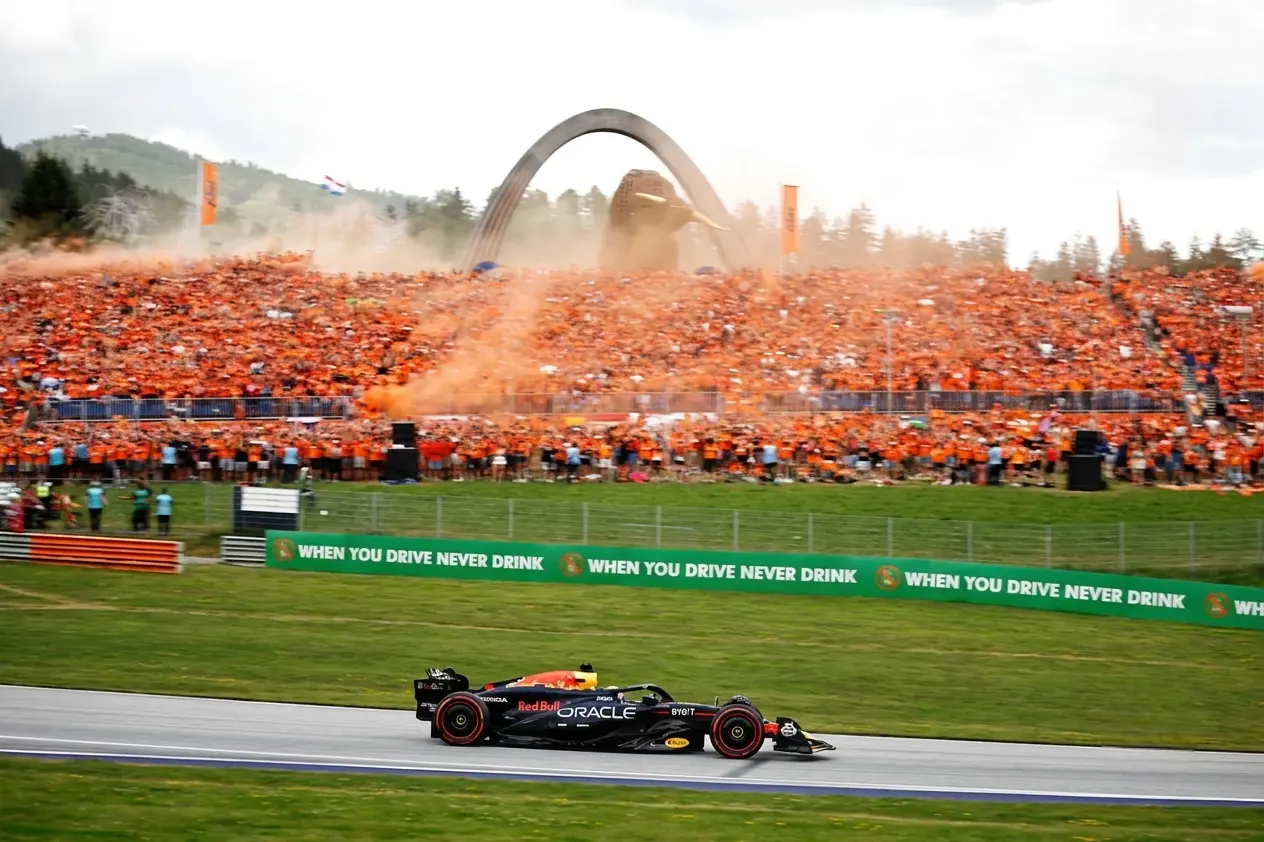
How to Watch the Austrian Grand Prix 2026
Schedule, Live Stream, TV Coverage & Key Details
Everything you need to follow the Austrian Grand Prix 2026 at the Red Bull Ring — confirmed session times, every broadcaster by country, time zone conversions, and the championship context that makes this weekend matter.
How to Watch the Austrian Grand Prix 2026
Schedule & Live Stream Guide
All session times, TV channels, and live stream options for the Red Bull Ring, June 26–28.
The Austrian Grand Prix 2026 returns to the Red Bull Ring in Spielberg from June 26 to 28. It is Round 10 of the 2026 FIA Formula One World Championship, and it arrives at a pivotal moment — Lewis Hamilton has just broken his Ferrari duck with a first win in Spain, championship leader Kimi Antonelli suffered a shock retirement at Barcelona, and Red Bull desperately need a performance turnaround at their own home circuit.
This guide covers everything you need to follow the Austrian Grand Prix 2026 from anywhere in the world. You’ll find the confirmed full session timetable, race start times across every major time zone, a breakdown of every broadcaster by country, what’s at stake in the championship, and what to watch for on track across the weekend.
Austrian Grand Prix 2026 — Full Weekend Schedule
The Austrian Grand Prix 2026 follows the standard three-practice-session format. There is no Sprint race at the Red Bull Ring this year. Friday opens proceedings with two practice sessions; Saturday brings a third practice followed by qualifying; Sunday is race day. That structure gives teams more preparation time than a Sprint weekend, which matters significantly under the 2026 technical regulations where car behaviour is still not fully understood across the field.
All times below are in Central European Summer Time (CEST, UTC+2), which is the local time in Spielberg. Conversions for major regions follow in the next section. For context on how qualifying itself works, see our F1 qualifying format explainer.
| Day | Session | Local (CEST) | Duration | Type |
|---|---|---|---|---|
| Fri 26 Jun | Free Practice 1 | 13:30 – 14:30 | 60 min | FP1 |
| Fri 26 Jun | Free Practice 2 | 17:00 – 18:00 | 60 min | FP2 |
| Sat 27 Jun | Free Practice 3 | 12:30 – 13:30 | 60 min | FP3 |
| Sat 27 Jun | Qualifying (Q1 / Q2 / Q3) | 16:00 – 17:00 | ~60 min | QUALI |
| Sun 28 Jun | Austrian Grand Prix | 15:00 – ~17:00 | 71 laps / 2 hrs | RACE |
The Austrian Grand Prix 2026 is a standard-format weekend with three 60-minute practice sessions. Sprint weekends on the 2026 calendar — where there’s no practice and a short race runs Saturday — are not scheduled for Austria. The next sprint weekend is at Silverstone, July 3–5.
Friday’s two practice sessions are crucial this season. Under the 2026 technical regulations, teams are still learning how their cars behave with the new 50/50 hybrid power delivery, and FP1 and FP2 often produce very different pace pictures as the track rubbers in. FP2 specifically is the more representative session — run in conditions closer to Sunday afternoon temperatures. The how race timing works guide is worth reading if you’re newer to following sessions across a weekend.
Austrian GP 2026 Start Times by Time Zone
The Austrian Grand Prix 2026 race starts at 15:00 local time (CEST, UTC+2) on Sunday June 28. That translates to a reasonable afternoon slot for European viewers, a morning start for the Americas, and an evening session for fans in Asia and Australia. The table below covers every major market across all four sessions.
| Session | CEST (Local) | BST (UK) | ET (US East) | PT (US West) | IST (India) | AEST (Aus) |
|---|---|---|---|---|---|---|
| FP1 — Fri | 13:30 | 12:30 | 07:30 | 04:30 | 17:00 | 21:30 |
| FP2 — Fri | 17:00 | 16:00 | 11:00 | 08:00 | 20:30 | 01:00 Sat |
| FP3 — Sat | 12:30 | 11:30 | 06:30 | 03:30 | 16:00 | 20:30 |
| Qualifying — Sat | 16:00 | 15:00 | 10:00 | 07:00 | 19:30 | 00:00 Sun |
| 🏁 Race — Sun | 15:00 | 14:00 | 09:00 | 06:00 | 18:30 | 23:00 |
Times are confirmed but always verify your local start time via the official Formula 1 website or the F1 app in the 24 hours before each session, as incidents during earlier support series (Formula 2 and Formula 3 also race at the Red Bull Ring this weekend) can occasionally cause minor delays.
How to Watch the Austrian Grand Prix 2026 — TV & Live Stream
Broadcast rights for Formula 1 vary by territory. In 2026, a significant shift took effect in the United States, where Apple TV+ took over from ESPN as the exclusive broadcast partner. That change, combined with Sky Sports’ continued exclusivity in the UK, means the viewing setup varies considerably by country. Here’s what you need across every major market.
Using a VPN to access geo-restricted streams may violate Formula 1’s broadcast agreements and the terms of service of streaming platforms. The safest and most reliable way to watch is through the official broadcaster for your region. F1 TV Pro is the most widely available legitimate option for fans in countries without a dedicated broadcaster.
For a deeper guide on watching Formula 1 wherever you are, including mobile apps and smart TV options, see our full F1 live stream guide and the where to watch Formula 1 overview. Additionally, our Monaco GP viewing guide covers the kind of pre-race setup details that apply across all Formula 1 weekends.
The Red Bull Ring — Circuit Guide
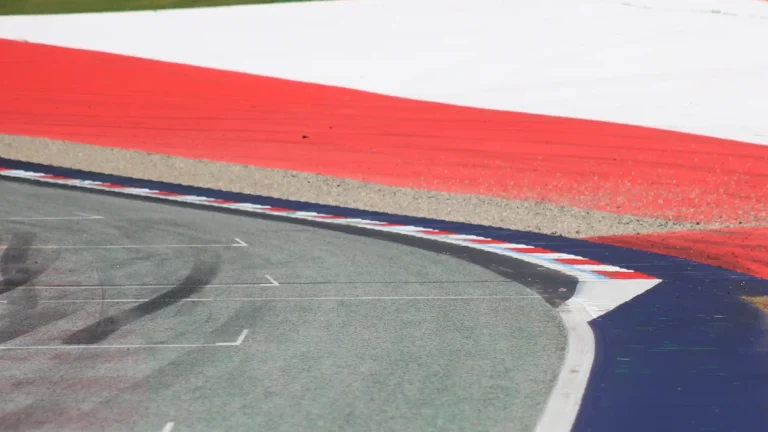
The Red Bull Ring in Spielberg is one of the shortest circuits on the Formula 1 calendar. At just 4.318 kilometres, a competitive qualifying lap takes little over a minute to complete. However, what the track lacks in length, it more than compensates for with character. The circuit climbs steeply in its opening section before plunging back downhill into a series of fast, flowing corners that place enormous demands on traction and mechanical grip.
The first half of the lap is defined by power. Three straights separated by a pair of uphill right-handers — Turns 1 and 3 — demand maximum acceleration and heavy braking. Turn 3, the steep uphill right-hander, has produced some of the most dramatic moments in recent Austrian GP history. Furthermore, three consecutive DRS zones running from the main straight all the way to Turn 4 make this one of the better tracks on the calendar for overtaking. The 2026 active aerodynamic systems that adjust drag and downforce on the fly interact interestingly with those DRS zones, making the aero picture more complex this year than in recent seasons.
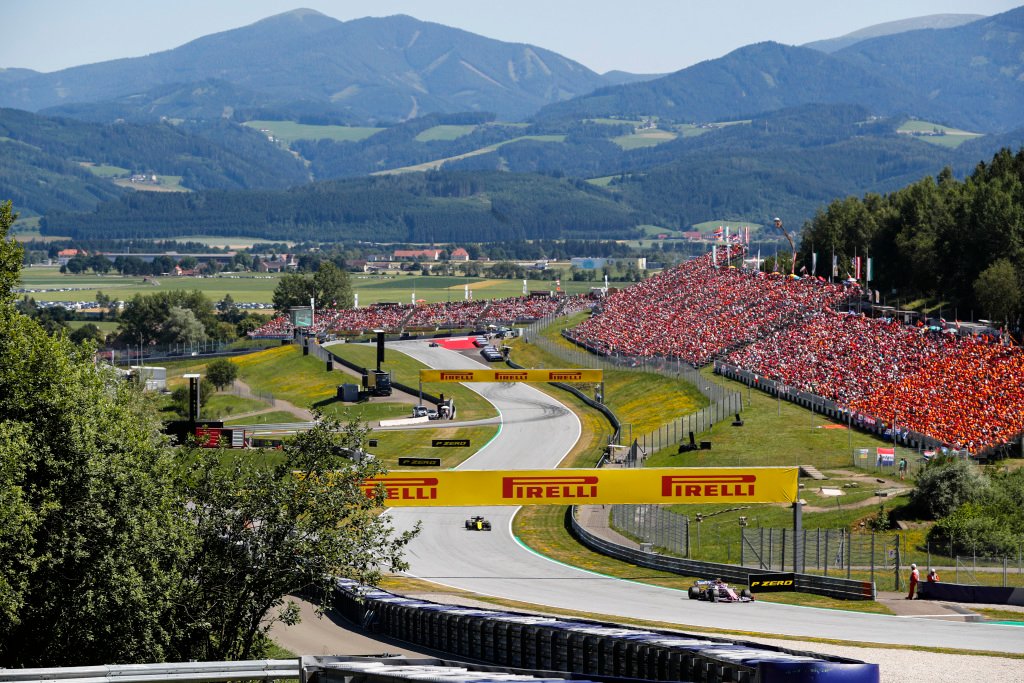
The second half of the lap is where championships have changed hands. The high-speed downhill section through Rindt Corner — named for Austria’s first and only Formula 1 world champion, Jochen Rindt — rewards driver commitment and rewards cars with strong mechanical grip. Meanwhile, the run down to the final chicane before the finish line often produces late-braking divebombs that can go spectacularly right or dramatically wrong. Understanding concepts like downforce and DRS helps make sense of the overtaking battles you’ll see in this section.
Track records at the Red Bull Ring fall primarily on Friday evening and early Sunday as the surface grips up. Lap times during the race often run significantly slower than qualifying — the pace difference is deceptive given how short the lap is.
Key Historic Moments at the Red Bull Ring
- 2016: Nico Rosberg and Lewis Hamilton collided on the final lap at Turn 3, handing Hamilton victory from second place.
- 2019: Max Verstappen’s controversial pass on Charles Leclerc at Turn 3, penalised by the stewards but reversed — Verstappen kept the win.
- 2022: Charles Leclerc dominated from pole for Ferrari’s first Austrian GP win since Gerhard Berger in 1986.
- 2024: George Russell took victory for Mercedes, becoming the second active driver (after Leclerc) to win the Austrian GP at F3, F2, and F1 level.
- 2025: Lando Norris claimed McLaren’s first Austrian GP win since David Coulthard in 2001.
For a deeper look at Red Bull’s history as both a circuit owner and constructor, see our Red Bull Racing team profile. Ferrari’s long relationship with the Austrian GP is also covered in our Ferrari through the decades archive.
2026 F1 Championship Standings Heading into Austria
The Austrian Grand Prix arrives with the drivers’ championship genuinely open for the first time since the early rounds. Kimi Antonelli still leads, but his 41-point advantage over Lewis Hamilton narrowed dramatically after his shock retirement at Barcelona. Meanwhile, Hamilton’s first win for Ferrari breathed new life into a title fight that had started to look one-sided.
| Pos | Driver | Team | Points | Gap to Leader |
|---|---|---|---|---|
| 1 | Kimi Antonelli | Mercedes | 156 | — |
| 2 | Lewis Hamilton | Ferrari | 115 | -41 |
| 3 | George Russell | Mercedes | 106 | -50 |
| 4 | Lando Norris | McLaren | 73 | -83 |
| 5 | Charles Leclerc | Ferrari | 75 | -81 |
| 6 | Max Verstappen | Red Bull | ~58 | ~-98 |
Barcelona points remain subject to notices of intention to appeal by McLaren and Oracle Red Bull Racing as of publication. Final standings may shift slightly before the Austrian GP weekend. See the F1 2026 championship standings page for the latest figures. For context on how the points system works, see our F1 points system guide.
In the Constructors’ Championship, Mercedes leads with 262 points. Ferrari is their closest challenger, with McLaren third. Red Bull continue to struggle with the performance gap their 2026 car has shown relative to the top two manufacturers. Austria — historically Red Bull’s strongest home event — will be the clearest indicator yet of whether their development updates have genuinely closed that gap or merely papered over it.
For the full race-by-race breakdown of how the season has unfolded, see our Lewis Hamilton wins the Spanish Grand Prix recap and the Monaco GP 2026 results, where Antonelli won and Verstappen retired.
Key Storylines to Watch at the Austrian Grand Prix 2026
1. Can Hamilton Build on His Barcelona Momentum?
Lewis Hamilton’s first win for Ferrari in Spain was the emotional highlight of the season so far. However, Austria presents a very different challenge. The Red Bull Ring’s high-speed sweeps and three DRS zones suit Mercedes and their straight-line advantage more naturally than Ferrari’s strengths. Hamilton needs to demonstrate his Barcelona victory wasn’t a circuit-specific anomaly. Furthermore, he trails Antonelli by 41 points, and a second consecutive strong result would reshape the championship picture significantly.
2. Red Bull’s Last Chance at Their Home Circuit
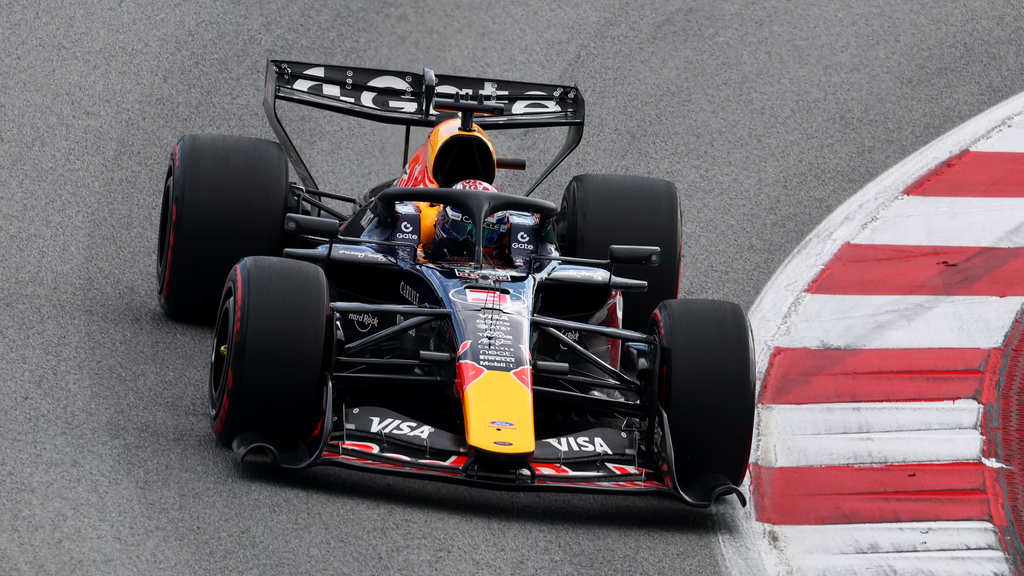
Red Bull own the circuit. They built the modern Red Bull Ring. Their name adorns the main straight. Four of the last six Austrian GP victories went to Max Verstappen. Therefore, there is no more symbolically important venue for the team to finally deliver a performance that matches its history. Red Bull have confirmed updates for Austria. The question is whether those updates address the fundamental power unit deficit that has plagued them all season, or merely improve mechanical grip in a way that doesn’t solve the core problem.
3. Antonelli’s First Major Title Test
Before Barcelona, Kimi Antonelli had looked almost unflappable in his debut Formula 1 season. Five consecutive victories and a championship lead built over seven rounds suggested a generational talent arriving fully formed. His retirement in Spain was the first genuine setback of his career at this level. Austria will tell us whether he processes adversity the way champions do — or whether the cracks that Barcelona revealed are deeper than one bad result suggests.
4. McLaren’s Hunt for Round One of 2026
Lando Norris and Oscar Piastri are fourth and somewhere below fifth in the standings respectively, but McLaren’s raw pace has been competitive all season without converting into wins. Norris is the defending Austrian GP winner. Moreover, McLaren were showing genuine improvement in Spain before the Barcelona strategy calls left them undercut by Ferrari. A win at Spielberg would confirm they’re still genuine championship factors rather than occasional podium contenders.
5. Verstappen’s Future Speculation
The paddock speculation surrounding Max Verstappen’s long-term contract situation has refused to die down all season. Austria — where Red Bull’s staff make up a significant portion of the home crowd — will be the loudest backdrop yet for that story. Whatever happens on track, Verstappen’s performance level and his reaction to Red Bull’s updates will be read as much as a signal about his future as it is about the team’s competitiveness. For background on when Verstappen joined F1 and how his career has developed, see our piece on when Max Verstappen joined Formula 1.
Tyre Strategy & Race Analysis for Austria 2026
The Red Bull Ring’s short lap means tyre degradation is lower than at most circuits. Consequently, the Austrian GP has historically favoured a one-stop strategy, with teams typically running a medium-to-hard or soft-to-hard combination depending on starting conditions. However, the 2026 cars present a new variable: the enhanced electrical power delivery under braking harvests energy differently across the lap, and teams are still learning how that affects tyre temperature management over long stints.
The circuit’s three DRS zones along the main straight complex make undercuts powerful at the right moment — pitting early to gain track position when the car ahead still has multiple laps of heavier tyre. For a deeper explanation of this concept, see our undercut and overcut in F1 glossary entry and the wider pit stop strategy guide.
Track temperatures at the Red Bull Ring have reached 55°C in previous years, making it one of the hottest surface conditions on the calendar despite the mountain altitude. The early forecast for this weekend suggests highs of around 30°C with a risk of electric storms, particularly on Saturday. If qualifying is affected by rain, the grid order could shift significantly — and the Red Bull Ring’s short lap means even a brief wet spell can rearrange the entire strategic picture for Sunday.
Safety cars at the Red Bull Ring tend to have an outsized effect relative to other circuits. Because the lap is so short, a safety car period of even two or three laps effectively compresses the entire field onto each other’s gearboxes. Teams that haven’t pitted yet will be tempted to come in under the safety car, even if it’s earlier than optimal, simply to avoid losing track position to cars on fresher rubber. This is the kind of real-time decision point where the championship can swing. Understanding how safety cars work in racing is therefore genuinely useful context for following the Austrian GP live.
For a broader look at how race weekends are structured from a strategic and engineering standpoint, see our explanations of how pit stops work, how drivers qualify, and how championships are scored across motorsport.
- Formula1.com — Official 2026 Austrian GP Weekend Page
- Sky Sports F1 — Schedule, UK Times & How to Watch
- ESPN — US Schedule & Start Times
- Wikipedia — 2026 Austrian Grand Prix Confirmed Schedule
- RacingNews365 — Time Schedule All Zones
- RacingNews365 — Championship Standings After Barcelona
- GPblog — Full Schedule & Broadcast Details
- Crash.net — Official Points After Barcelona
FAQ — Austrian Grand Prix 2026
One more thing before you watch
The Austrian Grand Prix 2026 is the kind of race that can change a championship. Short tracks with low degradation often produce processional races on paper, but the Red Bull Ring reliably delivers otherwise — the three DRS zones, the elevation changes, the unpredictable Austrian mountain weather and, this year, a genuinely fascinating storyline in every position from first to sixth.
Whether you’re watching on Sky Sports in the UK, Apple TV+ in the US, or F1 TV Pro anywhere else, set your alarms, bookmark the schedule table above, and remember: at the Red Bull Ring, the race tends not to wait for stragglers. We’ll have the full results, fastest lap, and updated championship standings here at World of Speed as soon as the chequered flag drops.