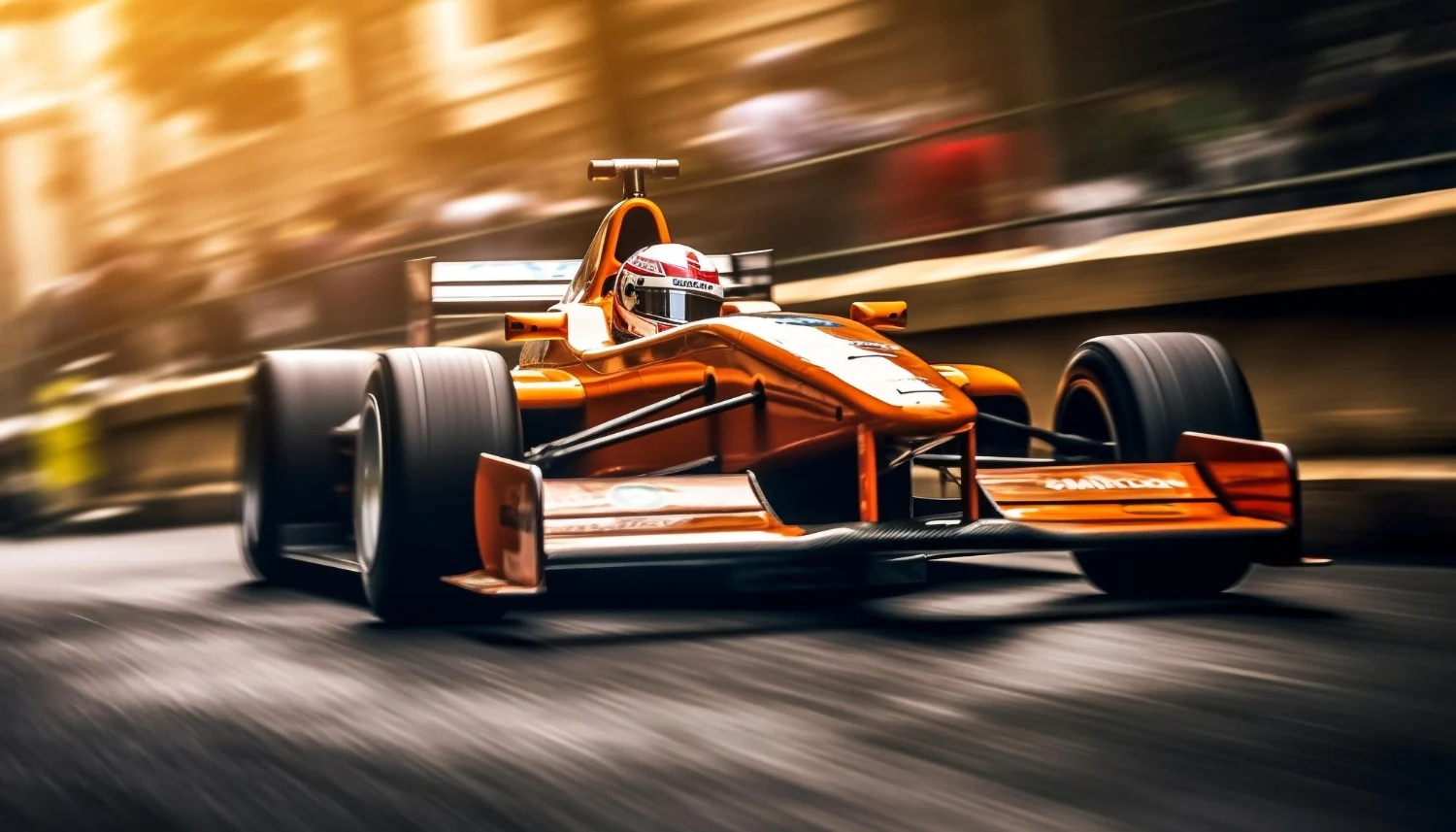
Formula E Schedule 2026:
Full Calendar, Race Dates, Teams & How to Watch
18 races. 12 cities. Six continents. The largest Formula E calendar in the championship’s history kicks off in São Paulo and closes in London — here is everything you need to follow every ePrix in 2026.
Formula E Schedule 2026
18 races, 12 cities — full calendar, teams, and how to watch every ePrix.
The Formula E 2026 season schedule is the most ambitious calendar the FIA has ever put together for electric street racing — 18 rounds across 12 cities, from the streets of São Paulo to the indoor-outdoor ExCeL arena in London, with night races in Jeddah and Tokyo making their debut as marquee events.
Moreover, this season runs on the Gen3 Evo machine, the fastest and most powerful Formula E car ever built. Furthermore, the championship introduces new broadcasters in key markets and confirms long-term manufacturer commitments from Jaguar, Porsche, Nissan, Maserati, and DS Penske. As a result, 2026 represents the series at full competitive maturity — and this guide covers every detail you need.
What Is Formula E? Season 12 at a Glance
Formula E is the FIA’s fully-electric single-seater world championship — the only major motorsport series where every car on the grid runs exclusively on battery power, on temporary street circuits in the heart of major global cities. Since its inaugural season in 2014, the championship has grown from a niche concept into a genuine global motorsport series with factory-backed teams from some of the world’s most prestigious automotive brands.
Season 12, covering the Formula E schedule for 2026, is the largest the championship has contested. The series visits 12 cities across four continents, with 18 ePrix rounds from December 2025 through August 2026. Furthermore, the championship introduces double-header night races for the first time in Saudi Arabia and Japan — two of the highest-profile additions to the calendar in recent years.
The FIA governs the championship as a World Championship, sitting alongside Formula 1 and the World Endurance Championship in the top tier of global motor racing. Consequently, manufacturers take the results seriously — not just for trophies, but because the battery, powertrain, and energy recovery technologies developed for Formula E feed directly into their consumer EV programmes. Understanding what Formula E is and how it works is the starting point for following the 2026 season.
Unlike Formula 1, Formula E deliberately chooses city-centre street circuits rather than permanent purpose-built tracks. The reasoning is intentional: the series wants to take electric racing directly to urban populations — the people most likely to consider switching to an EV. Monaco, London, Tokyo, Miami, and Berlin are not just glamorous backdrops; they are the core marketing strategy of the championship in motion. Racing through the streets of a city puts electric performance in front of millions of people who would never attend a Grand Prix.
Formula E 2026 Full Season Calendar
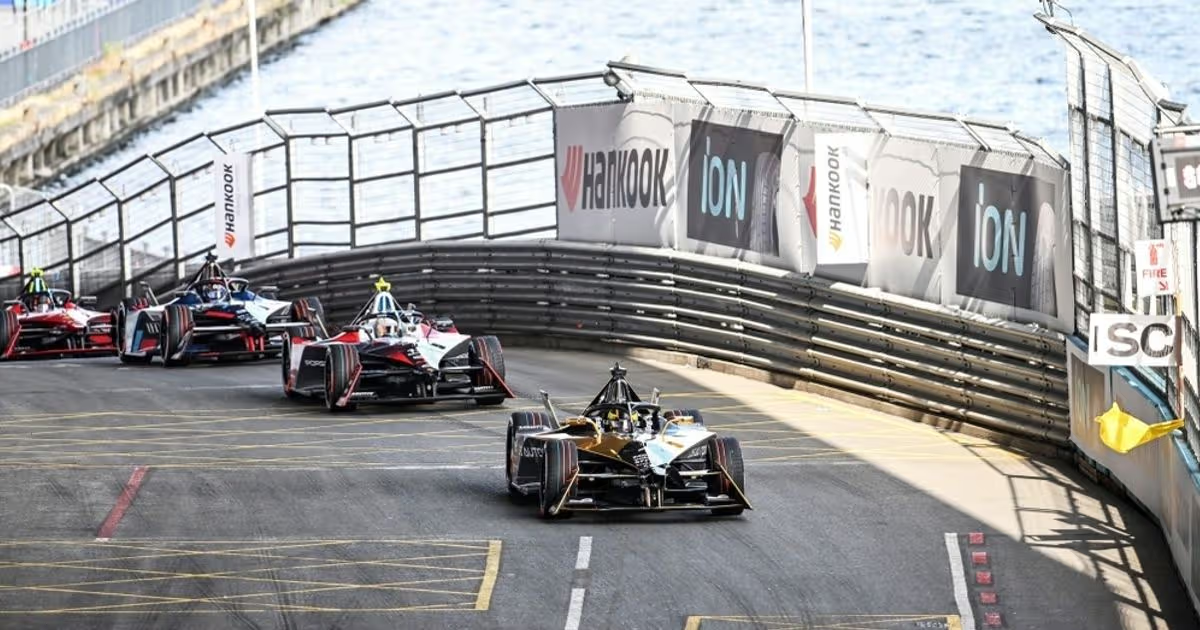
The complete Formula E race dates 2026 span nine months across four continents. The championship begins in Brazil in December 2025 — following the format established in recent seasons of crossing the calendar year — and concludes with a double-header in London in August 2026. Below is the confirmed full calendar.
| Rd | ePrix Name | City / Country | Date | Circuit Type | Format |
|---|---|---|---|---|---|
| 01 | São Paulo E-Prix | 🇧🇷 Brazil | Dec 6, 2025 | Street Circuit | Single |
| 02 | Mexico City E-Prix | 🇲🇽 Mexico | Jan 10, 2026 | Autodromo | Single |
| 03 | Miami E-Prix | 🇺🇸 USA | Jan 31, 2026 | Autodromo | Single |
| 04–05 | Jeddah E-Prix ★ Night | 🇸🇦 Saudi Arabia | Feb 13–14, 2026 | Street Circuit | Night DH |
| 06 | Madrid E-Prix | 🇪🇸 Spain | Mar 21, 2026 | Street Circuit | Single |
| 07–08 | Berlin E-Prix | 🇩🇪 Germany | May 2–3, 2026 | Tempelhof Airport | Double-Header |
| 09–10 | Monaco E-Prix ★ | 🇲🇨 Monaco | May 16–17, 2026 | Street Circuit | Double-Header |
| 11 | Sanya E-Prix | 🇨🇳 China | Jun 20, 2026 | Street Circuit | Single |
| 12–13 | Shanghai E-Prix | 🇨🇳 China | Jul 4–5, 2026 | Permanent Circuit | Double-Header |
| 14–15 | Tokyo E-Prix ★ Night | 🇯🇵 Japan | Jul 25–26, 2026 | Street Circuit | Night DH |
| 16–17 | London E-Prix (Finale) | 🇬🇧 UK | Aug 15–16, 2026 | Indoor / Outdoor | Season Final |
| 18 | TBC | TBC | TBC | TBC | TBC |
A double-header weekend means two separate full ePrix races held on Saturday and Sunday at the same venue. Each race has its own qualifying session, its own grid, and its own full points allocation. Consequently, teams must repair any crash damage overnight and reconfigure the car’s software between races without additional practice time. Mechanic workload is brutal — and battery management across both races is where championships are often made or lost. Five of the seven event weekends on the 2026 calendar use this format.
The Five Races That Define the 2026 Season
Every round on the Formula E 2026 calendar matters for championship points. However, five events carry particular weight — either because of their technical difficulty, their cultural significance, or because they represent genuine firsts for the series in 2026.
Monaco E-Prix — Rounds 9 & 10
The crown jewel of the calendar. The Principality’s narrow streets around Sainte Dévote, through the tunnel, and past the Rascasse hairpin present maximum technical challenge for the Gen3 Evo car. Overtaking is exceptionally difficult here, which makes qualifying performance disproportionately important. Furthermore, the double-header format means the Lap 1 approach on Day 2 is genuinely critical — drivers who conserve during Day 1 sometimes gain a strategic advantage heading into the second race.
Miami E-Prix — Round 3
The Miami International Autodrome replaces the Brooklyn circuit as the US anchor event in 2026. The new venue offers faster straights and complex braking zones that reward late-braking bravery — a different character entirely from the tight Brooklyn layout. For teams carrying learnings from Miami’s previous Formula E outings, this represents familiar territory. For newer engineers, it requires data-gathering under race pressure.
Jeddah Night E-Prix — Rounds 4 & 5
The first Formula E double-header night race in the championship’s history. Racing under floodlights on the Jeddah Corniche Circuit creates both a visually spectacular broadcast product and genuine engineering challenges — battery temperatures behave differently in cooler night air, regen zones are affected, and the qualifying duel system becomes even more intense under artificial light. This is one of the genuinely new experiences on the 2026 calendar.
Tokyo Night E-Prix — Rounds 14 & 15
Tokyo joins the calendar mid-season as the second night double-header — and given Japan’s enormous appetite for electric vehicles and advanced technology, this is among the most commercially significant additions to the 2026 schedule. The street circuit layout in central Tokyo will be unlike any other venue on the calendar, with the city’s infrastructure creating a uniquely compact and demanding track. Teams will be running on limited data from the first Tokyo race in 2024.
London E-Prix Finale — Rounds 16 & 17
The season finale at London’s ExCeL arena is the most dramatic setting in motorsport — a circuit that runs both inside and outside the exhibition centre, creating a unique combination of enclosed and open sections in a single lap. The championship has been decided at London in multiple previous seasons. Moreover, the double-header format means the title fight can swing dramatically between Saturday and Sunday if the points are close enough entering the weekend.
Berlin E-Prix — Rounds 7 & 8
The Tempelhof Airport circuit is one of the most unusual venues in global motorsport — a repurposed former international airport runway transformed into a race track. Berlin has hosted Formula E more times than any other city, and the wide layout allows for more genuine overtaking than most street circuits. Furthermore, the German market is critical for manufacturers like Porsche, and a home race performance carries outsized commercial significance.
Formula E Teams & Drivers 2026
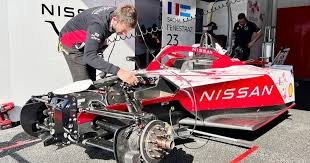
The Formula E teams 2026 grid features six manufacturer-backed entries competing across eleven cars, with all teams running the identical Spark Racing Technology chassis and their own powertrain developments. The powertrain is where the manufacturer competition genuinely lives — each team’s battery management software, motor control unit, and regenerative braking calibration represents millions in proprietary engineering development.
| Team | Manufacturer | Powertrain | Notable Drivers | Championships |
|---|---|---|---|---|
| Jaguar TCS Racing | Jaguar | Jaguar powertrain | Mitch Evans, Nick Cassidy | Teams’ Champ |
| TAG Heuer Porsche Formula E Team | Porsche | Porsche powertrain | Pascal Wehrlein, António Félix da Costa | Drivers’ Champ |
| Nissan Formula E Team | Nissan | Nissan e.dams | Sacha Fenestraz, Norman Nato | Active |
| Maserati MSG Racing | Maserati | Maserati powertrain | Maximilian Günther, Jehan Daruvala | Active |
| DS Penske | DS Automobiles / Penske | DS powertrain | Jean-Éric Vergne, Stoffel Vandoorne | 4× Drivers’ |
| Andretti Formula E | Andretti Global | Porsche customer | Jake Dennis, Oliver Rowland | Active |
McLaren confirmed its departure from Formula E after the 2025 season, following a strategic review of its motorsport programme. The McLaren Formula E withdrawal reduced the grid from seven to six manufacturer teams for the 2026 season. However, the remaining manufacturers have all reaffirmed long-term commitments to the championship — Jaguar signed through 2031, and Porsche extended its deal as part of a revised commercial structure that gives manufacturers stronger governance input in exchange for longer contract terms.
Jaguar, Porsche, Nissan, Maserati, DS, and Andretti are not just racing for trophies — every lap is a live laboratory test for the battery technologies that will power their road cars in 2030.
Formula E Race Format Explained
The Formula E qualifying format is unlike anything else in motorsport — a system specifically designed to create drama and eliminate strategic sandbagging. Understanding the format is essential for following the championship intelligently, because the qualifying result shapes both the grid and the energy management strategy for the race that follows.
Qualifying — The Knockout Duel System
All 22 drivers are split into two groups based on their championship position — the faster group in the standings starts in Group 1, which means they qualify first when the track is least rubbered-in and potentially slower. This “inverse order” principle rewards title leaders with the worst qualifying conditions, keeping the championship battles compressed.
The fastest four drivers from each group advance to the Quarter-Finals. From there, a head-to-head knockout bracket determines grid positions P1 through P8, with the Semi-Final losers placed in P5–P8 order and the Final winner taking pole. Consequently, reaching the Final costs significantly more battery energy than a conventional timed lap — drivers who make pole position often start the race with an energy deficit versus drivers who eliminated earlier.
Attack Mode
Attack Mode is Formula E’s race-within-a-race mechanism. Drivers must physically drive through a designated off-line activation zone on the circuit to unlock a temporary power boost — 50 kW of additional power for a set duration. Each driver must activate Attack Mode at least twice per race. The timing of these activations — relative to tyre condition, energy reserves, safety car periods, and the positions of rivals — is the primary strategic variable that separates race-winning engineers from the rest.
Points System
| Position | Points | Bonus Points |
|---|---|---|
| 🥇 1st | 25 pts | Pole Position: +3 pts / Fastest Lap: +1 pt |
| 🥈 2nd | 18 pts | — |
| 🥉 3rd | 15 pts | — |
| 4th | 12 pts | — |
| 5th | 10 pts | — |
| 6th | 8 pts | — |
| 7th | 6 pts | — |
| 8th | 4 pts | — |
| 9th | 2 pts | — |
| 10th | 1 pt | — |
The points structure mirrors Formula 1, but the pole position bonus of 3 points is significantly higher — reflecting how difficult and strategically costly reaching the pole duel actually is. A driver who takes pole and wins the race collects 29 points in a single round. Over an 18-race season, that bonus can be worth a championship position.
Friday/Saturday Morning: Free Practice 1 (FP1) — 45 minutes of data gathering and system calibration. Saturday Morning: Free Practice 2 (FP2) followed almost immediately by Qualifying Groups. Saturday Afternoon: Qualifying Quarter-Finals, Semi-Finals, and Final. Saturday/Sunday: Main ePrix race — approximately 45 minutes plus one lap in duration, covering roughly 45 km. The compressed format means the entire weekend from first practice to race finish can occur within 30 hours.
How to Watch Formula E in 2026
The Formula E broadcast schedule for 2026 covers more markets than any previous season, with broadcast deals confirmed across North America, Europe, Asia, and the Middle East. Here is the complete breakdown by region — including free-to-air options and streaming alternatives.
| Region | Primary Broadcaster | Secondary / Streaming | Coverage Type | Cost |
|---|---|---|---|---|
| 🇺🇸 USA | CBS Network | Roku Channel | Live + Replay | Free |
| 🇬🇧 United Kingdom | TNT Sports | Discovery+ | Live All Sessions | Subscription |
| 🇩🇪 Germany | Eurosport / Discovery+ | ARD (select rounds) | Live + Highlights | Subscription |
| 🇫🇷 France | Eurosport / L’Équipe | Discovery+ | Live + Replay | Mixed |
| 🇯🇵 Japan | DAZN Japan | Fuji TV (select) | Live + VOD | Subscription |
| 🇨🇳 China | CCTV5 | iQIYI Sports | Live + Highlights | Free / Mixed |
| 🌍 Global | Formula E App | FormulaE.com | Live Timing + Onboard | Subscription |
For US fans asking specifically “where can I watch Formula E in the US?” — CBS Network broadcasts selected ePrix live on free-to-air television, while the Roku Channel carries the full season including practice and qualifying sessions. Therefore, American fans can follow the entire Formula E schedule 2026 without a cable subscription, using either CBS or the free Roku app.
The official Formula E app provides live timing, sector-by-sector data, Attack Mode countdowns, and energy consumption graphs during every race. Moreover, it includes onboard camera feeds and driver radio for subscribers. Furthermore, the app automatically converts all race start times to your local time zone — solving the biggest practical problem for fans in different countries following an international schedule. For fans who want to follow the championship seriously, the app is the primary tool rather than an optional extra.
For fans outside North America and Europe wondering “is Formula E growing or declining?” — the broadcast picture answers that question clearly. The 2026 coverage footprint is larger than any previous season, with new deals added in Japan, additional Chinese platform partnerships, and expanded US exposure through CBS’s prime sports positioning. Furthermore, Formula E’s credibility as a world championship has grown substantially since the FIA granted full World Championship status in Season 7.
The Gen3 Evo Car — Technology & Performance
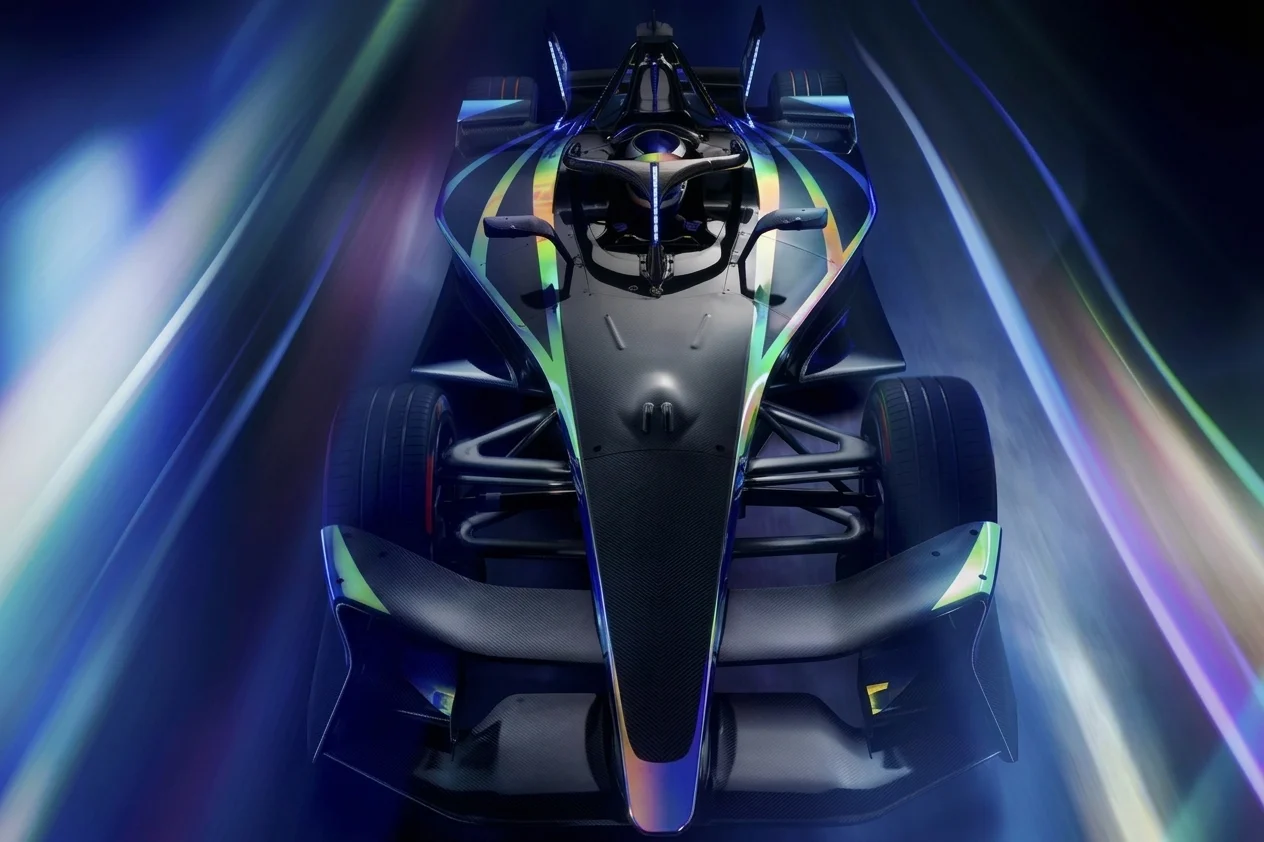
Every car on the Formula E 2026 grid runs the Gen3 Evo specification — the most advanced electric racing car the championship has produced. The “Evo” designation marks the second development iteration of the Gen3 platform, featuring updated powertrain specifications, improved energy density, and refined aerodynamics. Understanding the machine helps fans appreciate what drivers and engineers are managing during a race.
| Specification | Gen3 Evo Figure | Context |
|---|---|---|
| Race Power Output | 350 kW (470 hp) | Up from 300 kW in Gen3 baseline |
| Qualifying Power | 400 kW (536 hp) | Available for single qualifying lap |
| Attack Mode Power | 400 kW | Activated via off-line zone |
| Regen Braking Power | 600 kW peak | Front and rear MGU |
| 0–60 mph | 1.82 seconds | Faster than F1 from standing start |
| Top Speed | ~200 mph (322 km/h) | Limited by energy management |
| Battery Usable Energy | ~38 kWh | Must complete race distance |
| Car Weight | ~840 kg (with driver) | Battery ~385 kg of total weight |
| Chassis Supplier | Spark Racing Technology | Spec — identical for all teams |
| Tyre Supplier | Hankook | Single-compound; no pit stop tyre change |
The Gen3 Evo’s most significant technical advance is its bidirectional energy system. The front motor-generator unit (MGU) handles regenerative braking under deceleration — recovering up to 600 kW of peak power. Combined with the rear MGU under power, this gives the car a more complex energy flow than any previous Formula E specification. Moreover, because there are no mandatory pit stops for fuel or tyres, every point scored comes from completing the race on a single battery charge managed in real time.
In a conventional race, the fastest car usually wins. In Formula E, the car that best manages its finite energy budget wins — and those two things are not the same driver. A driver who pushes hard in the opening laps might be 4 seconds ahead after 15 laps but find themselves unable to defend in the final 10 because they have depleted their energy reserve. Conversely, a patient driver who manages their budget conservatively can find an extra surge of power in the closing laps that overwhelms rivals who spent freely earlier. This management layer is what separates Formula E’s performance ceiling from its broadcast storylines — the tension is real and mathematical.
Formula E 2026 — Frequently Asked Questions
The 2026 Formula E Season — Why Now Is the Right Time to Follow It
The Formula E schedule for 2026 is not just a race calendar — it is a roadmap for where electric vehicle technology is heading. Every team that wins an ePrix in Jeddah or Monaco is validating battery management software that will eventually find its way into Jaguar, Porsche, Nissan, and Maserati road cars. Furthermore, the racing itself has never been tighter — six manufacturers producing comparable performance means the driver and strategist matter more than the machinery, and that keeps the championship genuinely unpredictable.
Mark the Jeddah night race in February, the Monaco double-header in May, and the London finale in August as your essential viewing appointments. Moreover, download the Formula E app for the timing and energy data that turns watching into genuinely understanding what you are seeing. The Gen3 Evo era is the most technically sophisticated Formula E has ever been — and following it through 18 rounds across 12 cities is one of the most rewarding things a motorsport fan can do in 2026.
Full Formula E results, standings, and team news are updated at worldofspeed.org/fe throughout the season.