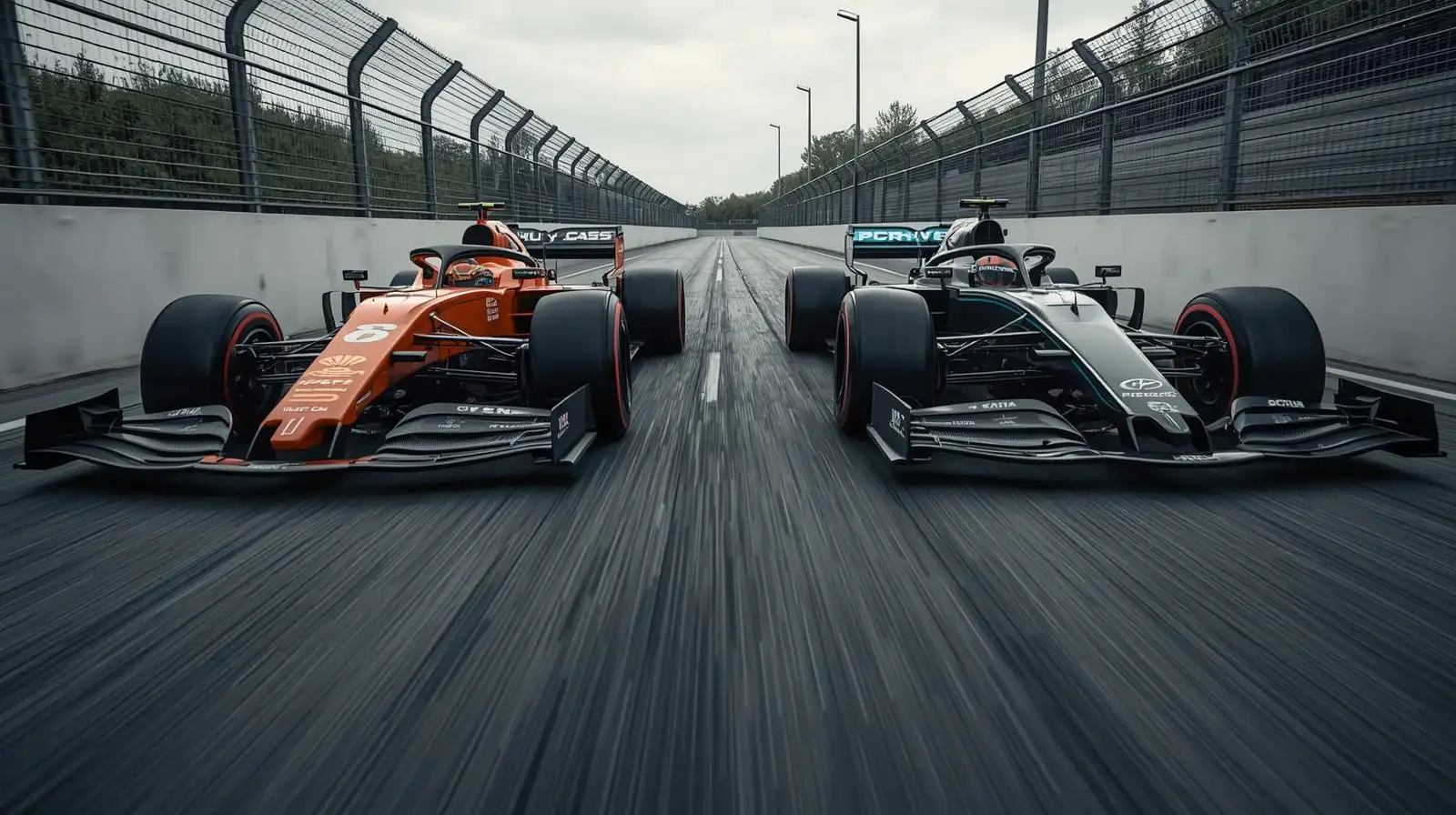
Is Formula E Faster Than Formula 1?
The Ultimate Speed Comparison
Top speed, 0-100 acceleration, weight, lap times, and what’s actually different about the cars — a complete, data-backed breakdown of where each series wins.
Is Formula E Faster Than Formula 1?
The Ultimate Speed Comparison
Top speed, acceleration, weight and lap times — who actually wins the speed war.
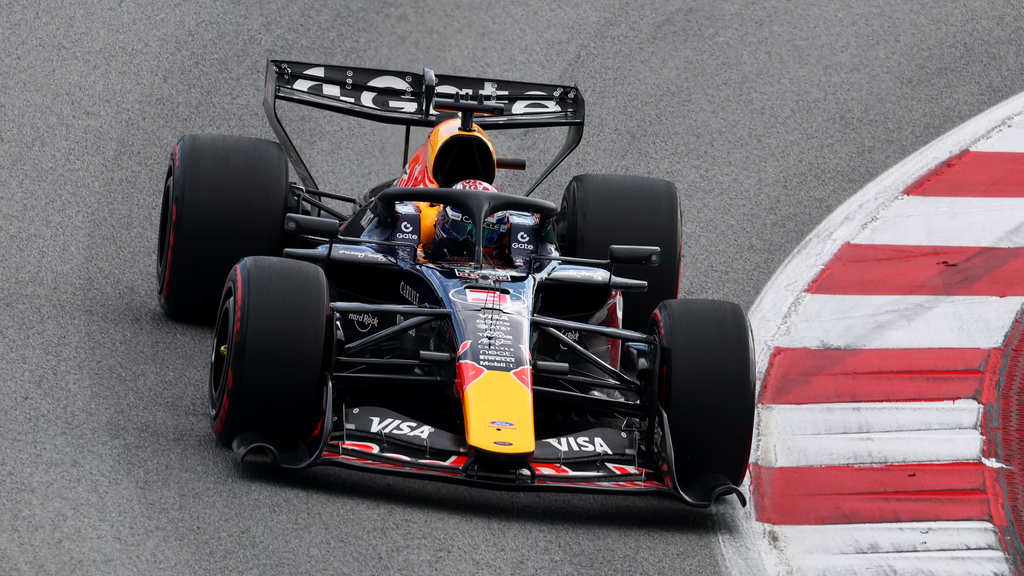
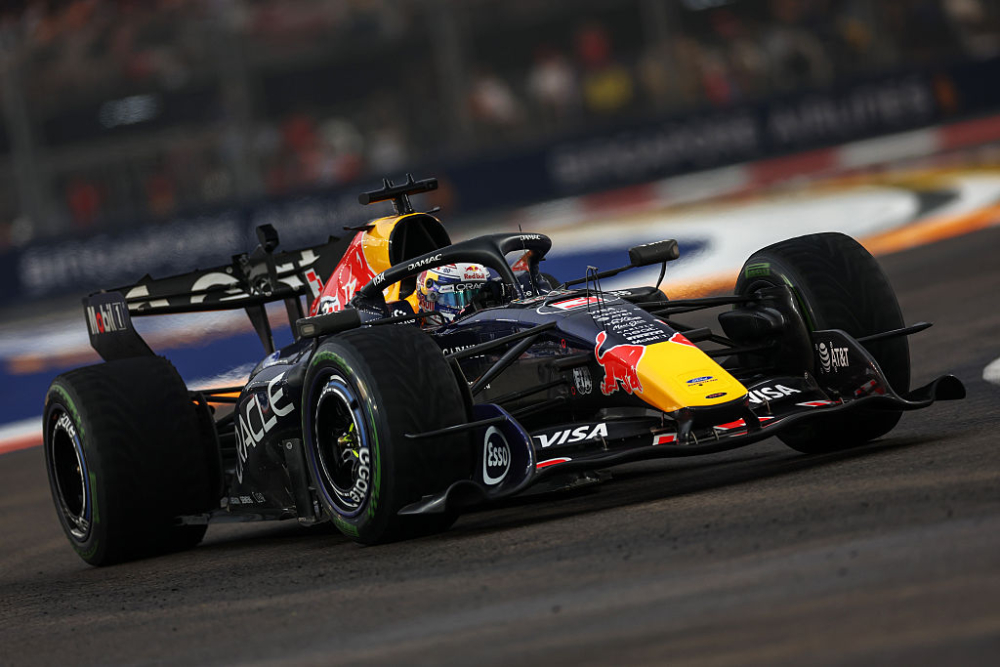
No, Formula 1 is still faster than Formula E in almost every way that matters on a stopwatch. An F1 car tops out well beyond 220 mph and laps a circuit far quicker than its electric counterpart. However, the full answer is more interesting than a flat no, because Formula E actually beats F1 off the line.
This report breaks down the real numbers behind that claim — top speed, 0-100 acceleration, weight, power units, and lap times — and explains exactly why a Formula 1 car and a Formula E car are built to win two very different arguments.
How Fast Are Formula 1 Cars Compared to Formula E?
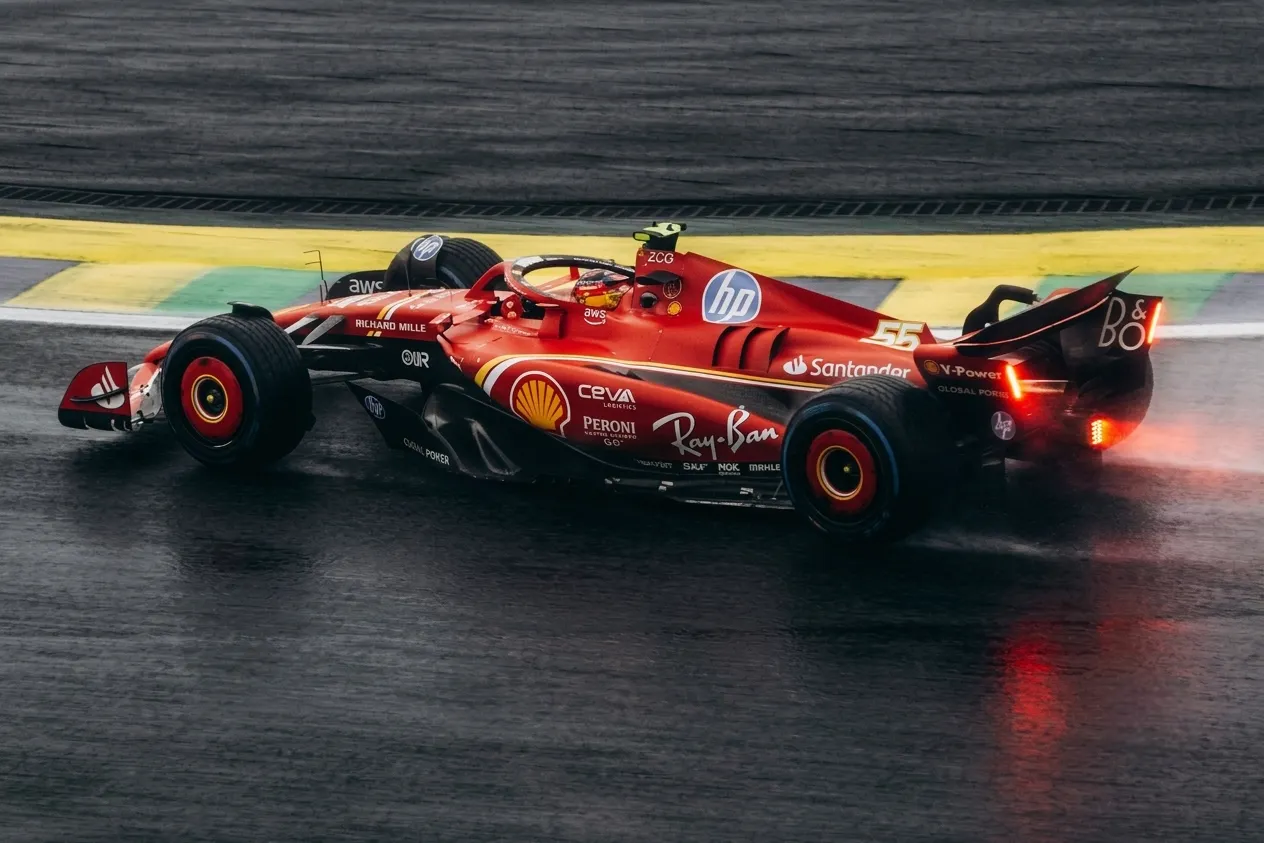
Formula 1 cars are faster in a straight line, and the gap is substantial. A modern F1 car comfortably exceeds 220 mph, or around 355-360 km/h, in race conditions. Some low-drag setups push even higher. Formula E’s current Gen3 Evo car, meanwhile, tops out at roughly 200 mph, or 322 km/h.
That’s a meaningful gap of more than 30 mph at maximum velocity. Therefore, F1 isn’t just ahead of Formula E in top-end terms; it’s in a different performance bracket altogether. The reason comes down to power and aerodynamics. It also comes down to track type: F1 races on long, flowing circuits built for speed, while Formula E lives on tight city streets.
| Metric | Formula 1 (2026) | Formula E (Gen3 Evo) |
|---|---|---|
| Top speed | ~355-360+ km/h (220-223+ mph) | ~322 km/h (200 mph) |
| Combined power | ~700-750 kW (~1,000 bhp) | 350 kW (470 hp) in Attack Mode |
| 0-100 km/h | ~2.6 seconds | 1.86s (FIA-claimed, 0-60mph fig.) |
| Minimum weight | 768-770 kg (incl. driver) | 840 kg (incl. driver) |
| Power split | ~50% combustion / 50% electric | 100% electric |
Even so, raw top speed only tells part of the story. A racing lap is rarely about one long straight. After all, it’s about how quickly a car gets there, and how much speed it can carry through the corners that follow.
Formula 1 vs Formula E: The 0-100 Acceleration Showdown
This is where the conversation flips. Off the line, instant torque gives electric motors a genuine edge over a combustion engine. Formula E’s official figures back that up. The FIA and Formula E have stated that the Gen3 Evo car can hit 60 mph in 1.82 seconds. That’s equivalent to roughly 1.86 seconds to 100 km/h.
A current Formula 1 car, meanwhile, typically needs about 2.6 seconds to reach 100 km/h. As a result, Formula E’s launch is meaningfully quicker in pure standing-start terms, at least according to the series’ own published figures.
Independent estimates aren’t always quite as generous to Formula E. Some technical analyses put the Gen3 Evo closer to 2.8 seconds to 100 km/h, which would actually put it slightly behind F1 instead of ahead. Either way, the gap is small — Formula E is unquestionably competitive off the line, which surprises a lot of newcomers to the sport.
Why Formula E launches so well
Electric motors deliver their full torque the instant power is applied. There’s no turbo lag and no gear-hunting; the power is simply there. Furthermore, the Gen3 Evo introduced all-wheel drive for the first time in Formula E history. It’s available during race starts, qualifying duels, and Attack Mode. That extra traction at both axles helps the car put its power down cleanly rather than spinning the rear tyres.
Why F1 takes over almost immediately after
Once an F1 car clears 100 km/h, the picture changes fast. Aerodynamic downforce builds rapidly with speed, glueing the car to the track and letting the throttle stay pinned. Consequently, Formula E’s early acceleration advantage fades quickly as both cars build pace. By 200 km/h, F1’s superior power and aerodynamic efficiency have erased it entirely.
Formula E vs Formula 1 Lap Times
Still, acceleration off the line matters for about two seconds of a race weekend. Lap time is what actually decides the result. This is where Formula 1’s advantage becomes overwhelming, because cornering speed, not straight-line speed, is the real differentiator between the two series.
Monaco is the cleanest comparison point, since both Formula 1 and Formula E race there. On that circuit, Formula E laps are dramatically slower than Formula 1’s. The same is true everywhere a direct comparison exists. The gap typically runs into the high teens or low twenties of seconds per lap. That’s a far wider margin than even F1 holds over its own feeder series, Formula 2.
Cornering speed, not straight-line speed, is the real differentiator between Formula 1 and Formula E.
That difference isn’t a knock on Formula E’s drivers, who are every bit as skilled as their F1 counterparts. Instead, it reflects two cars built around completely different priorities. One circuit can’t disguise that gap.
Formula E vs Formula 1 Car Design: What’s Actually Different
Ultimately, the lap-time gap exists because a Formula 1 car and a Formula E car solve two different engineering problems. An F1 car is built to generate as much downforce as possible. Specifically, more downforce means more grip, and more grip means higher cornering speed. A Formula E car, meanwhile, is built to be efficient. Every kilowatt spent fighting air resistance is a kilowatt that isn’t available later in the race.
| Feature | Formula 1 | Formula E |
|---|---|---|
| Powertrain | 1.6L V6 turbo hybrid (~50/50 ICE/electric) | Fully electric motor, battery-powered |
| Aero philosophy | Maximum downforce; active aero (Corner/Straight Mode) | Low-drag, efficiency-first bodywork |
| Tyres | Pirelli slicks, multiple compounds | Hankook all-weather, single compound |
| Overtaking aid | “Boost/Override Mode” (replaced DRS in 2026) | Attack Mode (extra power off the racing line) |
| Track type | Permanent circuits and street circuits | Street circuits exclusively |
F1’s approach to downforce is genuinely extreme. At speed, the airflow over an F1 car’s wings and floor can generate downforce worth several times the car’s own weight. That effectively presses the car into the track. Formula E isn’t built for that kind of aerodynamic load, because its priority is keeping the car slippery enough to stretch a limited battery.
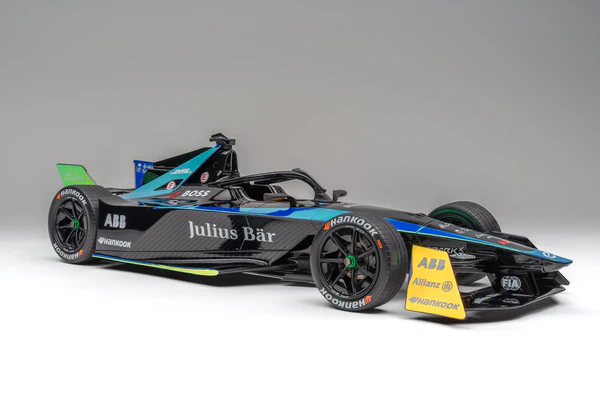
That’s not a permanent ceiling, though. Formula E’s bodywork has become noticeably more aggressive with each new car generation. Indeed, the step from the original 2014 Gen1 car to today’s Gen3 Evo is enormous. Meanwhile, F1 itself is moving in Formula E’s direction technically, even if it remains far ahead on outright pace. The 2026 rules triple electric power and retire the DRS system that defined overtaking for over a decade.
Formula E vs Formula 1 Weight Comparison
Furthermore, weight might be the most underrated factor in this entire comparison. A 2026 Formula 1 car has a minimum weight of 768-770 kg including the driver, a reduction of roughly 30 kg from the previous regulations. Formula E’s Gen3 Evo, by comparison, weighs around 840 kg including the driver.
That difference of roughly 70 kg might not sound dramatic. However, in elite motorsport, every kilogram counts. Heavier cars carry more inertia into corners. They also need longer braking distances, and accelerate less sharply out of slow turns. Consequently, Formula E’s extra mass works against it in every phase of a lap except the very start, where instant torque and all-wheel drive compensate.
The reason is simple: batteries are heavy, and there’s no way around it yet. An F1 car carries a comparatively light fuel tank and a small kinetic energy recovery unit. A Formula E car has to carry its entire energy source onboard in a large battery pack — and that mass doesn’t go away over the course of a race the way fuel does.
Formula E and Formula 1 Power Units Explained
Moreover, both series are powered by hybrid thinking, just from opposite directions. Formula 1’s 2026 power unit is a 1.6-litre V6 turbo engine paired with a heavily upgraded electric motor, the MGU-K. That motor now produces 350 kW, almost three times its previous output. Combustion and electric power are now split roughly 50/50, a complete reversal from the combustion-dominated approach F1 used for over a decade.
Formula E skips combustion altogether. Its Gen3 Evo car is powered entirely by a battery-driven electric motor, producing up to 350 kW in Attack Mode and qualifying trim. There’s no fuel tank and no exhaust. The entire power unit is just an electric motor, an inverter, and a battery.
Regenerative braking plays a much larger role in Formula E than in F1. Multiple sources indicate that Formula E recovers somewhere between 30 and 40 percent of its race energy through regenerative braking alone. F1’s hybrid system also harvests energy under braking, and the 2026 rules double that recovery to 8.5 megajoules per lap. Even so, F1 still relies primarily on the combustion engine and sustainable fuel for raw power.
What replaced DRS in F1?
For 2026, F1 has retired the Drag Reduction System that defined overtaking from 2011 onward. In its place, active aerodynamics let every driver flatten their wings on a straight to cut drag. A new “Override Mode” also gives a chasing car extra electric deployment when it’s within one second of the car ahead. Formula E’s equivalent tool, Attack Mode, has existed since the 2018-19 season and works on a similar principle. Drivers leave the racing line through a designated zone to unlock extra power for a limited window.
As Formula 1 has shifted toward heavier reliance on electric power for 2026, some current drivers have been openly skeptical. Max Verstappen, in particular, has described the philosophy behind the new power units as akin to “Formula E on steroids” — a comment that reflects broader unease about F1 leaning further into energy management instead of outright performance. It says more about F1’s internal identity debate than it does about Formula E itself.
Is Formula E Faster Than F2, F3, or IndyCar?
Therefore, if Formula 1 is clearly out of reach, the more useful question is how Formula E stacks up against F1’s feeder series. Formula 2, the final step before F1, reaches top speeds around 335 km/h (208 mph) in low-drag setups. It hits 100 km/h in roughly 2.8 to 2.9 seconds. That puts F2 ahead of Formula E in outright top speed, though the two are much closer in acceleration.
Formula 3, meanwhile, sits one rung further down the ladder. It tops out around 300 km/h (186 mph) and needs about 3.1 seconds to reach 100 km/h. In other words, Formula E’s acceleration genuinely competes with F2 and beats F3 outright. However, its lap times around a full circuit still trail both, because its top speed and aerodynamic grip simply aren’t as strong.
On tight street circuits, the gap narrows considerably. Formula E’s instant torque and AWD-assisted launches are particularly strong in slow, technical sections — exactly the kind of layout where Formula E spends its entire season.
| Series | Top Speed | 0-100 km/h | Track Type |
|---|---|---|---|
| Formula 1 | ~355-360+ km/h | ~2.6s | Permanent + street circuits |
| Formula 2 | ~335 km/h | ~2.8-2.9s | Permanent circuits |
| Formula E (Gen3 Evo) | ~322 km/h | 1.86s (claimed) / ~2.8s (est.) | Street circuits only |
| Formula 3 | ~300 km/h | ~3.1s | Permanent circuits |
| IndyCar | up to ~380 km/h (ovals) | ~3.0s | Ovals, road & street circuits |
Elsewhere, IndyCar sits in an interesting middle ground in this conversation. The series races on ovals, road courses, and street circuits. Some sources cite oval-trim top speeds approaching 380 km/h (236 mph) at superspeedways like the Indianapolis Motor Speedway. That’s faster than Formula E in a straight line. Depending on the track, it can even rival Formula 1’s top end on a low-drag oval setup. Off the line, IndyCar’s 0-100 km/h time of roughly 3 seconds trails both Formula E’s claimed figure and Formula 1’s.
Curious how IndyCar’s hybrid system and overtaking tools compare in more detail? Our IndyCar vs F1 breakdown covers the full picture.
Where Formula 1 Is Fastest: Monza, the Temple of Speed
Similarly, if you want to see Formula 1 at its most extreme, look no further than Autodromo Nazionale Monza. It hosts the Italian Grand Prix and carries the nickname “Temple of Speed.” Long, sweeping straights mean cars spend a huge proportion of the lap with the throttle fully pinned. Teams typically arrive with their lowest-drag aerodynamic setup of the season.
Monza exists to test raw power and minimal drag. That makes it the polar opposite of a typical Formula E street circuit, where tight corners and concrete walls reward braking and traction over outright speed.
Will Formula E Ever Be Faster Than Formula 1?
Looking ahead, Formula E’s next car, the Gen4, was unveiled in April 2026 and represents a major leap. According to official figures, Gen4 will hit a top speed of 335 km/h and reach 100 km/h in about 1.8 seconds. It will also produce up to 600 kW in Attack Mode, which is a 71 percent jump over the Gen3 Evo’s peak output. Lap times are projected to fall by roughly 10 seconds in qualifying trim, and around 5 seconds in race trim compared to the outgoing car.
That’s real, measurable progress. It shows Formula E closing in rather than standing still. Even so, Formula 1 isn’t sitting idle either. The 2026 power unit overhaul shows F1 is willing to chase its own efficiency gains while still protecting outright speed. As a result, the target Formula E is chasing keeps moving.
In acceleration terms, Formula E may already be ahead, or very close to even, depending on which figures you trust. In total lap speed on a conventional circuit, however, Formula 1 retains a commanding lead. Nothing in the current generation of Formula E technology suggests that gap is about to close anytime soon.
No — Formula 1 remains faster than Formula E in top speed, lap time, and every measure of sustained performance around a full circuit. That said, Formula E’s acceleration off the line genuinely rivals F1, and in some official measurements, it beats F1 outright. If you want the fastest racing on Earth, watch F1. If you want to watch electric motorsport close the gap in real time, watch Formula E.
Frequently Asked Questions
One last honest thought on the speed debate
It’s tempting to settle this with a single number, but the honest answer is that Formula 1 and Formula E aren’t really competing on the same axis. F1 was built from day one to chase outright speed at any cost. Formula E was built to prove electric racing could be thrilling within real constraints — battery weight, limited energy, street-circuit walls. Comparing their top speeds is fair. Comparing their missions is not.
What’s genuinely worth watching is the trajectory. Formula E’s Gen4 car closes real ground on lap time, and F1’s own 2026 power units lean further into electric deployment than at any point in the sport’s history. The two series are converging technically even as the performance gap between them stays wide. That’s the more interesting story than any single stopwatch reading.