How Fast Do Formula E Cars Go?
The Gen3 Evo hits 322 km/h (200 mph) and reaches 60 mph in 1.82 seconds — 30% faster off the line than an F1 car. Here is the complete performance breakdown.
How Fast Do Formula E Cars Go?
322 km/h top speed · 0–60 in 1.82 sec · 475 bhp qualifying power. Full breakdown inside.
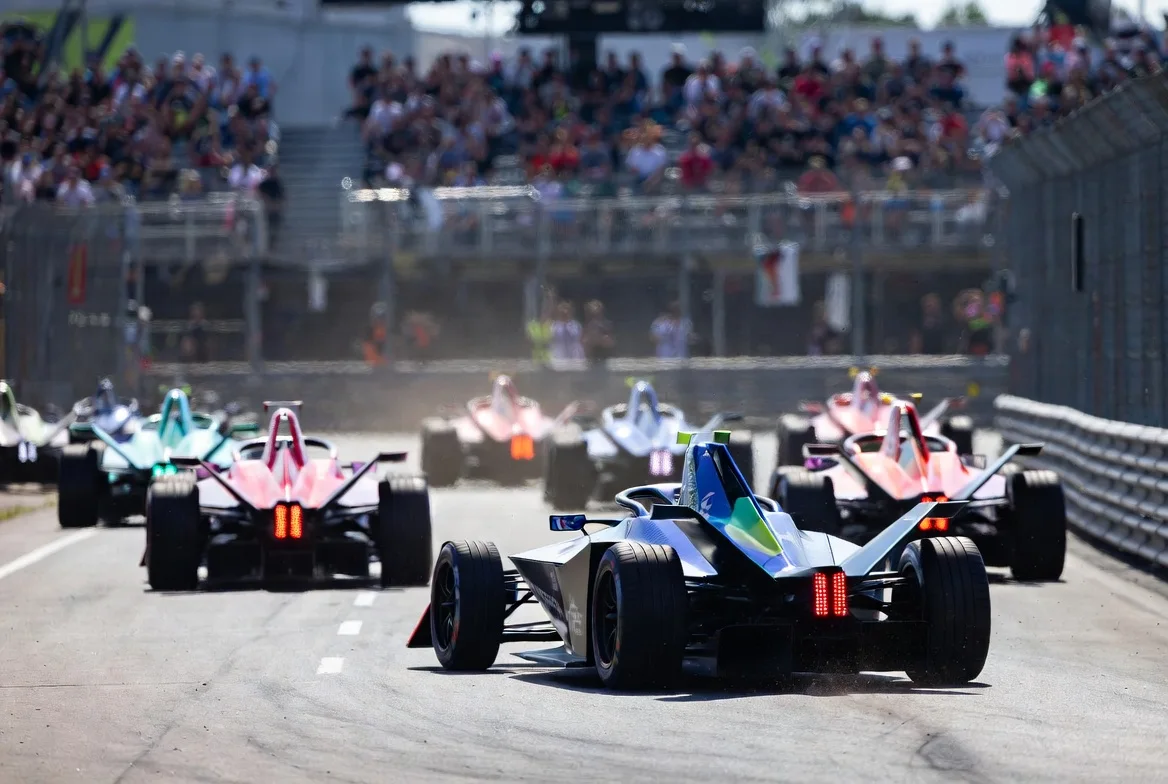
Formula E cars are fast. Not in the way people expect — not in a straight-line, Monza-type, 240-mph-down-the-back-straight way. They are fast in a more compressed, more electric, more physically surprising way. The Formula E Gen3 Evo has a published top speed of 322 km/h (200 mph). It reaches 60 mph in 1.82 seconds. Formula E officially calls it the fastest-accelerating FIA single-seater race car ever built — 30% faster off the line than a current Formula 1 car.
However, the top speed figure rarely appears in races because Formula E runs exclusively on temporary street circuits where the longest straights rarely exceed 700–800 metres. That is the central paradox of this series: the car is faster than most people think, but the circuits are deliberately designed to suppress its ultimate velocity in favour of close racing and strategic battles.
This guide covers everything — the full performance specification of the Gen3 Evo, how acceleration actually works in an electric racing car, the honest comparison with Formula 1 and other series, why street circuits cap the speed, how regenerative braking changes the driving equation, and what the incoming Gen4 car will do when it arrives for Season 13.
Formula E Top Speed: 322 km/h (200 mph)
The Formula E Gen3 Evo — the car used in the 2024–25 and 2025–26 seasons — has a published top speed of 322 km/h (200 mph). In qualifying, the car produces 350 kW (475 bhp) using all-wheel drive via the front powertrain kit. In race mode, rear-motor-only power is 300 kW (402 bhp).
Acceleration is where the Gen3 Evo genuinely surprises: 0–60 mph in 1.82 seconds (0–100 km/h in 1.86 seconds). Formula E calls this 30% faster off the line than a current Formula 1 car — making it the fastest-accelerating FIA single-seater ever built.
In actual races, cars typically reach 280–300 km/h (174–186 mph) because street circuit straights are too short to allow the car to reach its theoretical maximum. The battery provides 40 kWh of usable energy, and up to 40% of race energy is recovered through regenerative braking.
Formula E Gen3 Evo — Complete Technical Specifications
The Gen3 Evo is the third-generation Formula E chassis built by Spark Racing Technology, upgraded for the 2024–25 season. Williams Advanced Engineering supplies the battery. Hankook supplies the all-weather tyres, which use bio-material and sustainable rubber compounds. Every team races an identical chassis — the competitive differentiation comes entirely from the manufacturer-specific rear powertrain.
| Specification | Race Mode | Qualifying / Attack Mode |
|---|---|---|
| Top Speed | 322 km/h (200 mph) | 322 km/h (200 mph) |
| 0–60 mph Acceleration | 1.82 seconds | |
| 0–100 km/h Acceleration | 1.86 seconds | |
| Rear Motor Power | 300 kW (402 bhp) | 300 kW (402 bhp) |
| Front Motor (FPK) Power | Not active in race | +50 kW (67 bhp) via AWD |
| Total Peak Power (Qualifying) | — | 350 kW (475 bhp) |
| Attack Mode Power | 350 kW (475 bhp) — AWD active | — |
| Regenerative Braking Power | Up to 600 kW recovered | |
| Usable Battery Energy | 40 kWh | |
| Chassis Weight (without driver) | 760 kg (1,676 lb) | |
| Total Weight (with driver allocation) | 840 kg (1,852 lb) | |
| Wheelbase | 2,970 mm (116.9 in) | |
| Tyre Supplier | Hankook — all-weather compound | |
| Drive Configuration (Qualifying) | All-wheel drive (rear motor + FPK) | |
| Drive Configuration (Race) | Rear-wheel drive (standard laps) / AWD in Attack Mode | |
Source: FIA Formula E official technical specifications · Wikipedia Gen3 entry · The Race technical analysis
350 kW equals 475 bhp at the peak. However, electric motors do not maintain peak power across the full RPM range the way combustion engines do. The Gen3 Evo delivers its peak torque from zero RPM — which is exactly why the 0–60 mph time is so savage. The torque curve of an electric motor is fundamentally different from anything a petrol-powered race car produces, and that difference defines why Formula E acceleration figures surprise even experienced motorsport analysts.
To understand how this compares across different engine architectures and power outputs, see our complete engine technology explainer.
Formula E Acceleration Explained — Why 1.82 Seconds Matters
The Gen3 Evo’s 0–60 mph time of 1.82 seconds is not a marketing number. It is the result of a fundamental physical advantage that electric motors have over combustion engines: instant torque delivery from zero RPM. A petrol engine must build revs before it reaches peak power. An electric motor produces maximum torque the moment current flows through it. At the moment of a race start or Attack Mode activation, the Gen3 Evo simply cannot be matched in the first two seconds of acceleration by anything that runs on petrol.
Furthermore, the Gen3 Evo’s acceleration advantage is enhanced by all-wheel drive during qualifying and Attack Mode. The Front Powertrain Kit (FPK) adds 50 kW of power at the front axle, improving traction out of slow corners and during high-load acceleration zones. This is the first time in Formula E history that the front motor has been used for traction rather than regeneration only — and the lap time improvement it delivers is measurable. Formula E estimates the Gen3 Evo is 36% faster in acceleration than the standard Gen3 and 30% faster than a current F1 car from standstill.
Acceleration Benchmark: Formula E vs the Motorsport World
Note: NHRA dragsters are purpose-built for straight-line acceleration only — not comparable circuit racing cars. For more on NHRA speeds, see how fast NHRA cars go.
During races, drivers activate Attack Mode by driving through a designated off-line zone. This temporarily unlocks the full 350 kW qualifying power — including all-wheel drive via the FPK — for a set duration. The result is a burst of extra acceleration and higher cornering speeds that can be used strategically to overtake or defend. Timing when to activate Attack Mode is one of the most tactically complex decisions in Formula E racing.
Formula E vs Formula 1 — Speed Comparison Explained Honestly
The honest answer to “is Formula E faster than Formula 1” is: it depends entirely on which dimension of speed you measure. Formula 1 wins on top speed by a wide margin. Formula E wins on launch acceleration. Neither comparison is misleading — they reflect completely different engineering philosophies applied to cars that never race on the same circuits.
| Category | Formula E Gen3 Evo | Formula 1 (2026 regs) |
|---|---|---|
| Top Speed | 322 km/h (200 mph) | 360+ km/h (224+ mph) |
| 0–60 mph | 1.82 seconds | ~2.4–2.6 seconds |
| Peak Power | 350 kW / 475 bhp | ~1,000 bhp (hybrid total) |
| Weight | 840 kg with driver | 798 kg minimum (2026) |
| Circuit Type | Temporary street circuits | Purpose-built permanent tracks |
| Downforce Level | Moderate — street circuit spec | Extreme — ground effect |
| Fuel / Energy | 100% electric battery | Hybrid (petrol + MGU-K/H) |
| Fastest 0–60 | ✅ Formula E wins | — |
| Fastest top speed | — | ✅ Formula 1 wins |
Formula E is 30% faster than an F1 car from 0–60 mph. Formula 1 is roughly 40 km/h faster at maximum speed. Both facts are true at the same time — and neither cancels the other out.
The reason Formula E wins the launch battle comes down to the fundamental physics of electric motors versus internal combustion engines. An F1 engine, even with hybrid assistance, must spin up to reach its power band. An electric motor produces peak torque at zero RPM. There is no rev-matching, no clutch slip — just instantaneous current flow producing instantaneous force. In the first 50–100 metres of any standing start, the Gen3 Evo is genuinely faster than everything else in circuit racing.
However, once the cars reach higher speeds, the power advantage of Formula 1 asserts itself decisively. F1 cars produce roughly twice the total power of a Gen3 Evo and carry extreme aerodynamic downforce packages. They also run on permanent circuits with long straights — Monza, Baku, Spa — where that speed differential can manifest fully. For a detailed look at how F1 power works, see our guide on how fast F1 cars actually go, and our full Formula E vs Formula 1 speed comparison.
Why Formula E Cars Rarely Hit 322 km/h in a Real Race
The Gen3 Evo’s 322 km/h top speed is a theoretical maximum measured under controlled conditions. In actual race conditions, the highest speeds typically recorded on Formula E street circuits are in the range of 270–300 km/h (168–186 mph). The reason is simple: street circuit straights are short.
Formula E races on temporary circuits built from closed public roads in city centres. These layouts typically run between 1.9 and 3.4 km per lap — short compared to F1 circuits averaging 5–6 km. Moreover, the nature of city layouts means long straights are rare. Most Formula E circuits feature straight sections of 500–800 metres between tight hairpins and chicanes. A Gen3 Evo needs considerably more than that to reach 322 km/h from a typical corner exit speed.
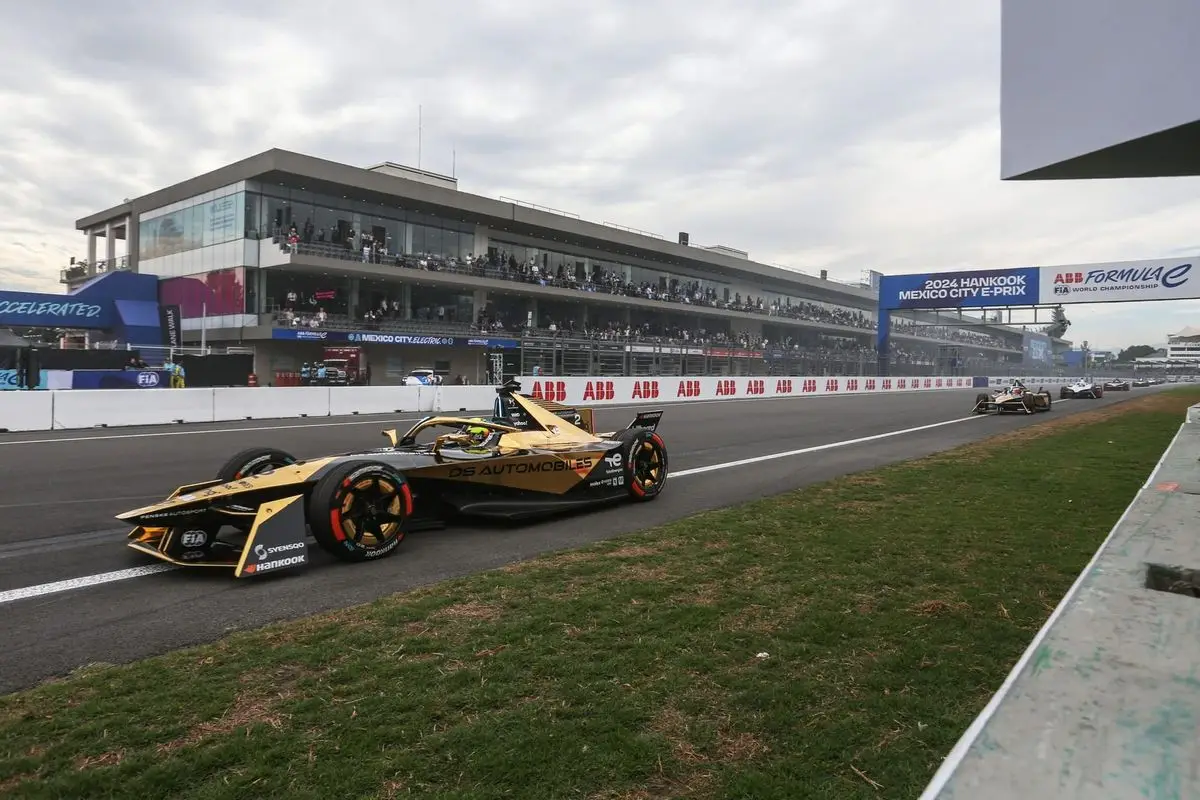
To accelerate from 100 km/h (after a slow corner) to 322 km/h, a Gen3 Evo needs approximately 900–1,100 metres of straight under full power. Most Formula E street circuits simply do not provide that. As a result, the car arrives at the next braking point while still building speed — and the energy is immediately converted back into electricity via regenerative braking rather than ever reaching the theoretical ceiling. The circuits are designed this way intentionally, to produce close racing rather than top-speed straights.
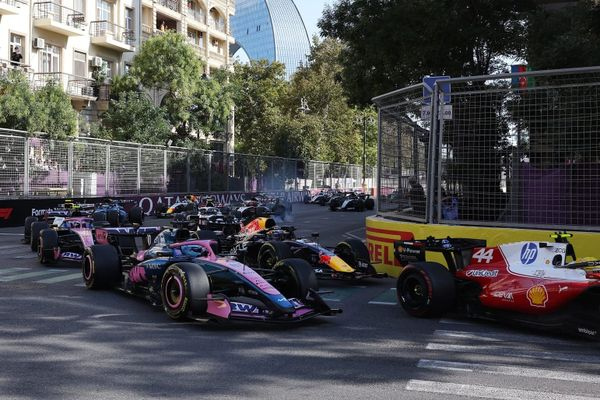
This is why the Formula E racing experience looks so different from Formula 1 on television. There are no long, trailing throttle applications where cars seem to stretch away from each other. Instead, the racing is characterised by late braking, aggressive Attack Mode activations, and tight wheel-to-wheel exchanges through technical corners where the car’s low-speed agility and instant torque delivery actually matter most. To understand how the Formula E race weekend structures these competitive elements, see our full event guide.
Regenerative Braking — The Performance System That Recovers 600 kW
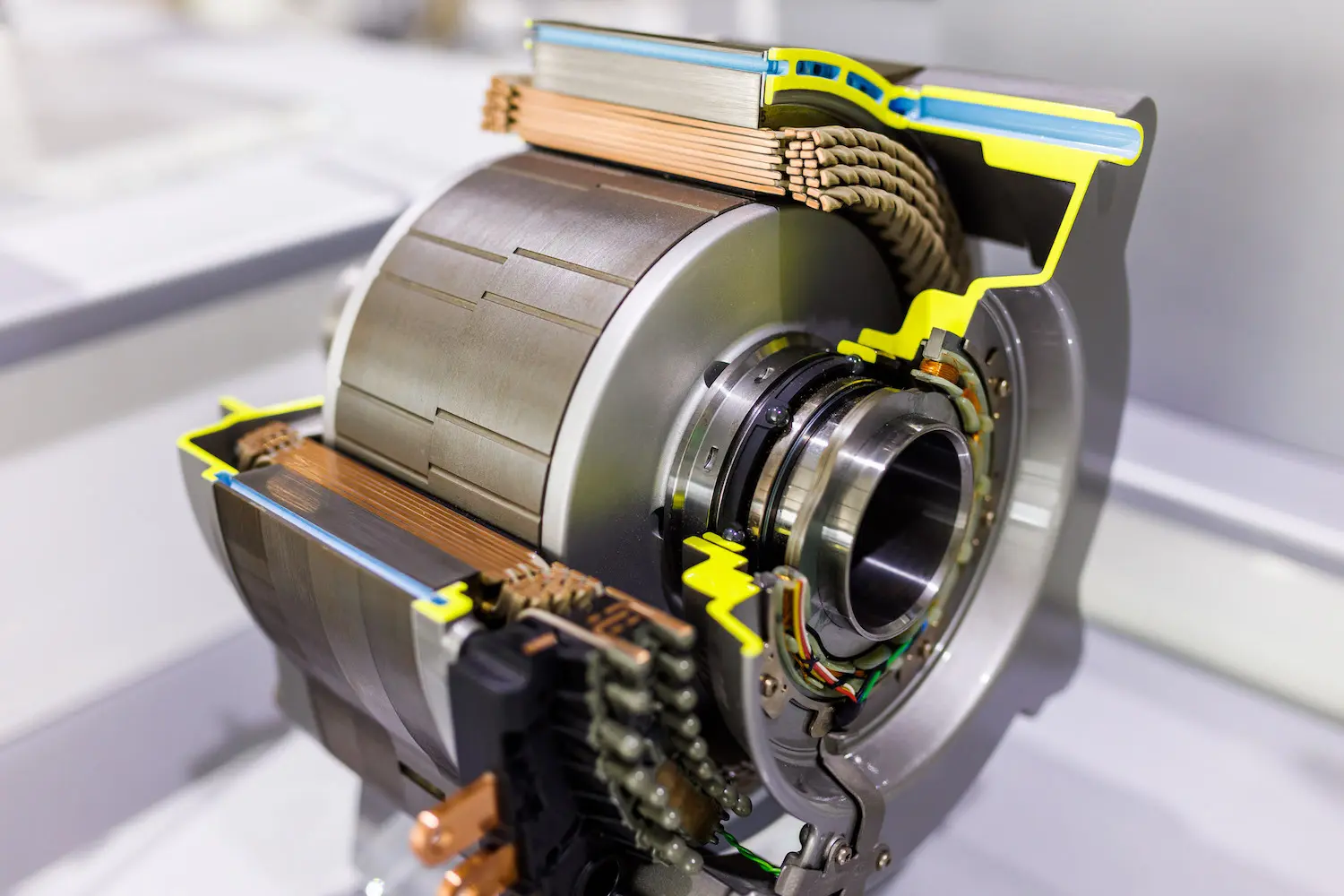
Regenerative braking is one of the most important performance systems in Formula E — and one of the least understood by casual observers. When a Formula E driver lifts off the throttle or applies the brakes, the electric motors reverse their function. Instead of consuming electricity to produce movement, they convert movement back into electricity. The Gen3 Evo can recover up to 600 kW of power through this process — an extraordinary figure that exceeds the car’s own peak power output in race mode.
In practice, up to 40% of the total energy used in a Formula E race is recovered through regenerative braking. This is not a marginal efficiency gain — it is a fundamental part of the racing strategy. Drivers who are most effective at maximising regeneration under braking conserve their battery energy and can run Attack Mode longer, defend for more laps, or push harder in the final stages when rivals are managing their remaining energy more carefully.
How Regenerative Braking Changes the Driving Style
Formula E drivers describe the sensation of regenerative braking as different from mechanical braking in a way that takes significant adaptation. The regeneration level is adjustable on the steering wheel — drivers can dial up or down how aggressively the system harvests energy on lift-off. High regeneration settings create a very strong engine-braking effect, which changes the car’s balance and yaw characteristics entering corners.
Additionally, the front axle’s regenerative system in the Gen3 Evo is particularly strong — and coordinating front and rear braking bias requires significant skill. If a driver over-applies front regeneration into a slow corner, the front-heavy braking can cause understeer. Get it right, however, and the combined mechanical-plus-regenerative braking delivers extraordinary retardation figures. To understand how this differs from conventional torque and engine braking, see our explainer.
In 2025, Formula E introduced Pit Boost — a mandatory 30-second pit stop where the Gen3 Evo’s battery receives 600 kW of fast-charge power. This delivers approximately 3.85 kWh of additional energy (around 10% extra capacity) for the remainder of the race. The same 600 kW figure that limits regenerative braking is the same current the car can receive during a Pit Boost stop. This connection between regenerative braking architecture and flash-charging capability is not coincidental — the entire electrical system was designed around this current handling capacity from the start of the Gen3 programme. For the full Formula E race format, see our 2026 season preview.
Formula E Car Generations — How Speed Has Evolved Since 2014
Formula E launched in September 2014 with the Gen1 car — a revolutionary concept at the time but, by modern standards, a deliberately modest starting point. What makes the series’ technological progression so remarkable is how dramatically performance has changed in just over a decade. The Gen3 Evo is almost unrecognisable from the Gen1 in terms of power, speed, and sophistication.
From Gen1 to Gen3 Evo: race power has doubled (150 kW → 300 kW). Qualifying power has more than doubled (200 kW → 350 kW). Top speed has increased by 43% (225 → 322 km/h). 0–60 acceleration has roughly halved. And the series has gone from requiring two cars per driver per race to completing the full distance on a single charge — one of the most significant engineering achievements in motorsport history.
For a complete look at how Formula E teams have evolved, see our Formula E teams guide.
Formula E Gen4 — What Comes Next and How Much Faster It Will Be
The Formula E Gen4 was officially unveiled on 5 November 2025. It represents the biggest single performance leap in the series’ history. The headline numbers are dramatic: 600 kW (805 bhp) in qualifying and Attack Mode — a 50% power increase over the Gen3 Evo. Race mode produces 450 kW (603 bhp) with permanent all-wheel drive active at all times. Prototype cars were tested by Porsche, Jaguar, Nissan and other manufacturers in late 2025, with the car’s racing debut planned for Season 13 (2026–27).
The Gen4’s expected top speed has not been officially stated by the FIA, but independent estimates suggest the 322 km/h Gen3 Evo figure will be significantly exceeded. Furthermore, the new Podium Advanced Technologies battery provides 55 kWh of usable energy — 37% more than the Gen3 Evo — with up to 700 kW of regenerative braking capacity. The car is also expected to match or exceed the pace of contemporary Formula 2 cars on comparable circuits, according to the FIA.
| Specification | Gen3 Evo (current) | Gen4 (from Season 13) |
|---|---|---|
| Qualifying / Attack Power | 350 kW / 475 bhp | 600 kW / 805 bhp (+50%) |
| Race Power | 300 kW / 402 bhp | 450 kW / 603 bhp (+50%) |
| Drive System | AWD in qualifying / Attack Mode | Permanent AWD in all phases |
| Usable Battery Energy | 40 kWh | 55 kWh (+37%) |
| Regen Capacity | 600 kW | 700 kW |
| Car Length | 5,016 mm | 5,540 mm (+524 mm) |
| Total Weight | 840 kg | 1,012 kg (heavier battery/structure) |
| Tyre Supplier | Hankook | Bridgestone (returns to single-seaters) |
Source: Formula E Gen4 Wikipedia technical entry · FIA Formula E Gen4 unveil announcement · The Race Gen4 analysis
The Gen4 also introduces two aerodynamic configurations: high-downforce for qualifying and low-drag for races — a distinction borrowed from Formula 1 practice. Power steering arrives in Formula E for the first time. The chassis is built from at least 20% recycled materials and is designed to be fully recyclable after its useful life. For the latest on the Gen4 calendar and what it means for the 2026–27 season, see our Formula E schedule.
Frequently Asked Questions — Formula E Speed & Performance
The Bottom Line on Formula E Speed
The Gen3 Evo is a 322 km/h, 1.82-second-to-60-mph machine with 475 bhp in qualifying trim and 600 kW of regenerative braking capability. It is not the fastest car in motorsport by top speed. It is, however, the fastest-launching FIA single-seater ever built — and it does everything it does on 100% electric power, with up to 40% of its race energy recovered and reused through braking.
The incoming Gen4 changes the picture significantly. Six hundred kilowatts of qualifying power, permanent all-wheel drive, and a 55 kWh battery represent the kind of performance step that should close the gap to Formula 2 — and reframe the conversation about what electric racing can achieve. By 2027, that conversation will sound very different.
World of Speed will track Gen4 testing, Season 13 calendar announcements, and every technical development as the FIA Formula E World Championship continues to evolve. Bookmark this page for the most current Formula E performance data.