How Formula 1 Cars Have Changed Over Time
The F1 car began as a narrow front-engine machine with drum brakes and a manual gearbox. It became a carbon-fiber hybrid shaped by airflow, software and survival science.
They evolved from steel-framed front-engine racers into rear-engine carbon-fiber hybrids. Aerodynamics, tires, brakes, electronics and safety rules transformed every visible and hidden part.
A 1950 Formula 1 car and a 2026 Formula 1 car share four exposed wheels, one seat and little else.
The first championship machines had long noses because the engine sat ahead of the driver. Their bodies covered steel tube frames.
Drivers worked manual gear levers and large steering wheels. Meanwhile, narrow tires and drum brakes limited cornering and stopping performance.
Modern cars place the power unit behind the driver. Carbon-fiber survival cells carry carefully shaped wings, floors and crash structures.
However, the story is not a straight march toward complexity. Regulations repeatedly closed one route and opened another.
The rear-engine revolution made the old front-engine layout obsolete. The monocoque replaced the spaceframe.
Wings made downforce a central performance tool. Ground effect then moved much of that work beneath the car.
Carbon fiber improved stiffness and survival. Paddle shifting removed the manual lever from the cockpit.
Furthermore, turbocharging, hybrid energy and brake-by-wire changed how the car delivers and recovers power.
Safety development transformed the driver’s surroundings. Fuel bladders, stronger cockpits, HANS, wheel tethers and Halo all became essential.
The 2022 rules brought large underfloor tunnels and 18-inch wheels. Then the 2026 package moved toward smaller cars, active wings and greater electrical power.
This guide explains how Formula 1 cars have changed over time through the machines and ideas that redirected the sport.
The Direct Answer: Every Major System Has Been Rebuilt
The engine moved behind the driver, spaceframes became monocoques, carbon fiber replaced aluminum, wings created downforce, paddle shifters replaced gear levers and hybrid systems added electrical power.
The basic purpose has not changed. An F1 car must complete laps faster than every rival.
Yet the method changed completely. Early speed came mainly from engine power, low weight and driver bravery.
Today, the car is a linked aerodynamic and mechanical system. A small floor change can alter suspension demands, tire temperatures and cooling.
Moreover, rules now control detailed geometry. Designers work inside volumes measured in millimeters.
Safety also shapes the car before performance work begins. The survival cell, roll structures and crash structures must pass FIA tests.
Therefore, how Formula 1 cars have changed over time is also a story about regulation. Engineers never design in open space.
Layout Revolution
The engine moved behind the driver. The gearbox and suspension then formed a compact rear assembly.
Aero Revolution
Wings, diffusers and floors turned airflow into the largest source of cornering performance.
Safety Revolution
Carbon survival cells and tested crash structures replaced the exposed risk of early racing.
The modern car is faster because its systems cooperate. Power without tire control, aero balance or energy management cannot produce a complete lap.
Formula 1 Car Evolution Timeline
| Era | Defining Car Change | Why It Mattered |
|---|---|---|
| 1950s | Front-engine tube-frame cars | Power and mechanical grip defined performance. |
| 1959–1960 | Rear-engine Cooper dominance | Improved balance and created the modern basic layout. |
| 1962 | Lotus 25 monocoque | Reduced weight and increased chassis stiffness. |
| 1968 onward | Front and rear wings | Downforce became a core development area. |
| 1977–1982 | Full ground effect | Venturi floors produced huge low-drag downforce. |
| 1981 | McLaren MP4/1 carbon monocoque | Carbon fiber transformed stiffness and safety. |
| 1989 | Ferrari paddle-shift gearbox | Drivers could change gear without leaving the wheel. |
| 1990s | Advanced electronics and stronger crash rules | Cars gained speed while safety standards accelerated. |
| 2009 | Slicks, new wings and KERS | Aero proportions changed and hybrid recovery began. |
| 2014 | V6 turbo-hybrid power units | Efficiency and electrical deployment became decisive. |
| 2017 | Wider cars and tires | Downforce and cornering speed rose sharply. |
| 2018 | Mandatory Halo | Frontal cockpit protection became part of every car. |
| 2022 | Venturi tunnels and 18-inch wheels | Underfloor downforce returned as the main aero tool. |
| 2026 | Active aero and greater electric power | The car became smaller, more energy-focused and more adjustable. |
The 1950s: Front Engines, Tube Frames and Mechanical Courage
They had long noses, exposed wheels, upright drivers and narrow tires. The engine sat in front, while steel tubes formed the chassis beneath thin aluminum bodywork.
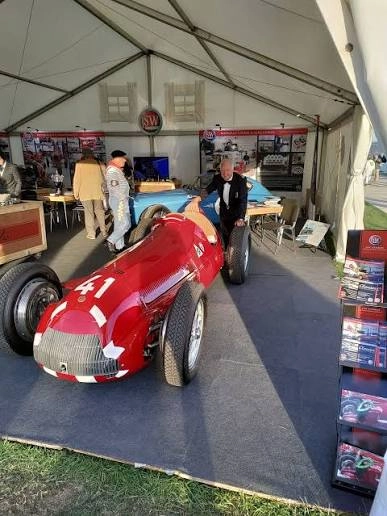
The 1950 World Championship opened with machinery rooted in pre-war design. The Alfa Romeo 158 was already an established racing car.
Formula 1’s official comparison lists the 158 at about 709 kilograms and roughly 350 horsepower. Its 1.5-liter straight-eight used supercharging.
The car sent power to the rear wheels through a manual transmission. Meanwhile, the driver sat behind the engine and fuel tanks.
The Long Nose Was Functional
The engine, radiator and steering components filled the front. Therefore, the body extended far ahead of the cockpit.
A driveshaft ran beneath or beside the driver toward the rear axle. This raised the seating position and widened the cockpit area.
Steel Tubes Formed the Chassis
Fabricators welded small tubes into a frame. Aluminum panels then formed the outer skin.
The bodywork carried little structural load. Consequently, stiffness depended heavily on the frame design and joint quality.
Braking and Tires Limited the Car
Drum brakes were common in the early period. They could fade as temperatures rose.
Narrow cross-ply tires also offered a small contact patch. Drivers managed slides rather than relying on huge aerodynamic grip.
The Cockpit Offered Little Protection
Drivers sat upright behind thin bodywork. Helmets and clothing were basic by modern standards.
Fuel tanks surrounded parts of the cockpit. Fire remained a severe risk after any heavy impact.
For a basic overview of the machine, read the Formula 1 race-car guide.
The Rear-Engine Revolution Changed the Shape of F1 Forever
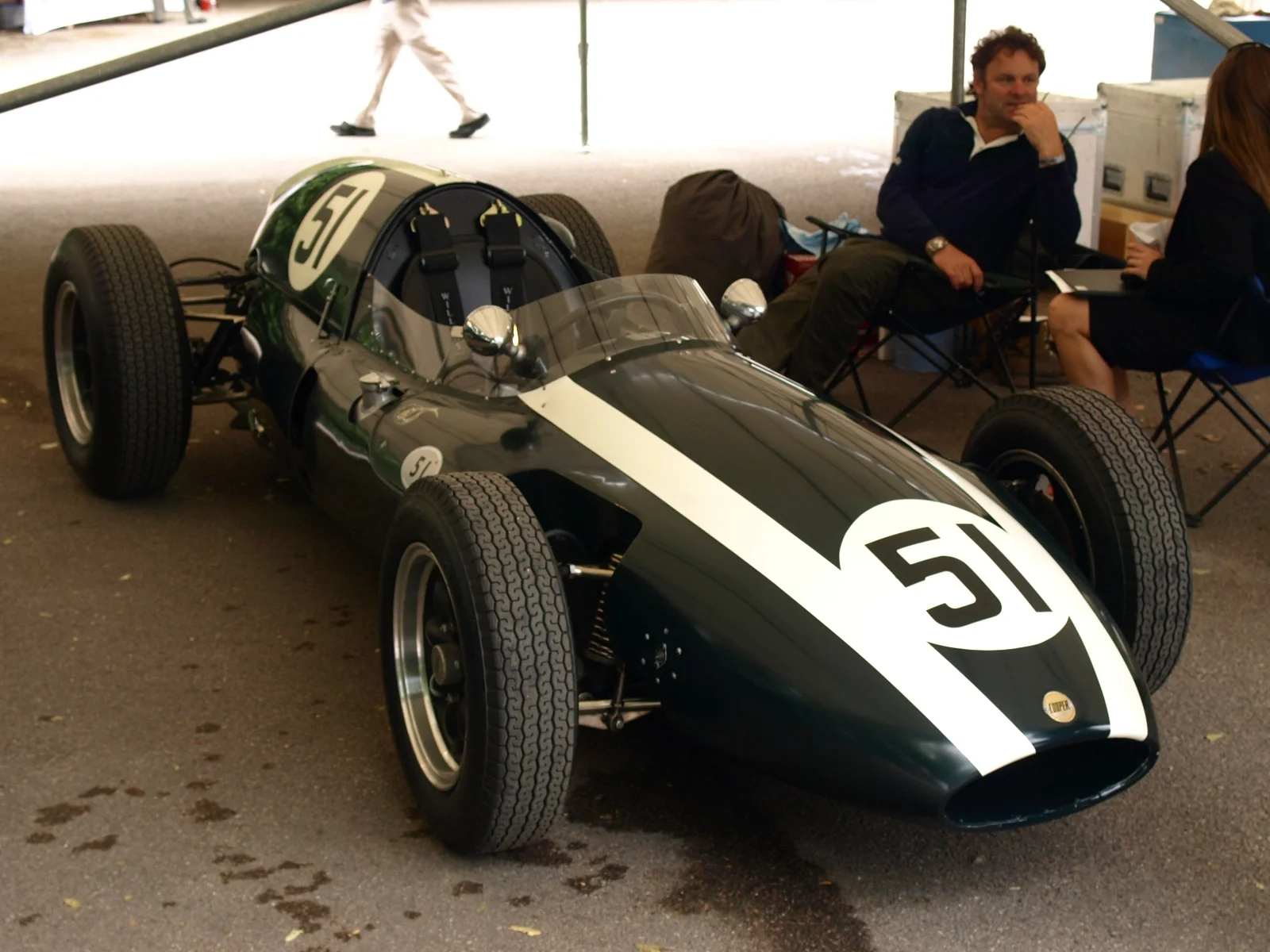
Rear-engine Coopers proved the concept in the late 1950s. Jack Brabham won the 1959 and 1960 titles, making the old front-engine layout obsolete.
Cooper’s small cars began with ideas developed for lower formulas. The engine sat behind the driver and ahead of the rear axle.
That layout created a shorter power path. It also improved weight concentration around the center of the car.
Handling Improved Immediately
Less mass sat ahead of the front axle. Therefore, the car changed direction more easily.
The lower nose also reduced frontal area. Meanwhile, the driver could sit closer to the front wheels.
The Gearbox Became a Rear Transaxle
The gearbox joined the final drive behind the engine. This arrangement helped package the rear suspension.
Modern F1 still uses the same broad architecture. The power unit sits behind the survival cell, followed by the gearbox.
Success Forced Every Rival to Follow
Jack Brabham won consecutive championships in Cooper-Climax cars. Ferrari eventually adopted the layout as well.
Once rear-engine cars controlled the corners, front-engine development had no credible answer.
The importance of engine placement becomes clearer in how car engines work.
The Lotus 25 Replaced the Spaceframe With a Monocoque
The Lotus 25, introduced in 1962, used an aluminum monocoque instead of a conventional tubular spaceframe. The stressed skin formed the main structure.
Colin Chapman pursued low weight and a small frontal area. The Lotus 25 placed Jim Clark in a deeply reclined position.
Its folded aluminum structure carried loads through the skin. Therefore, the chassis could be lighter and stiffer.
The Driver Sat Lower
A lower seating position reduced frontal area. It also lowered the center of gravity.
However, the narrow cockpit demanded a new driving posture. Modern F1 drivers still sit reclined with their legs raised.
Stiffness Improved Suspension Control
A flexible chassis changes alignment as loads rise. A stiffer monocoque lets the suspension perform more consistently.
Consequently, engineers could tune springs and dampers with greater confidence.
The Chassis Became the Car’s Safety Core
Early monocoques were not modern survival cells. Yet the concept established a strong central structure around the driver.
Later rules added impact testing, anti-intrusion panels and deformable crash structures.
Wings Turned Air Into Cornering Grip
Formula 1 teams began experimenting with wings during 1968. The devices created downforce by pushing the tires harder into the track.
Before wings, body shapes mainly reduced drag. Aerodynamic lift could even make fast cars less stable.
Teams then inverted aircraft-wing ideas. The goal was negative lift, better known as downforce.
Early Wings Were Extremely High
Designers mounted wings above the car in clean air. Some attached them directly to suspension uprights.
However, supports failed under load. The governing body then restricted height and mounting methods.
Front and Rear Balance Became Critical
A rear wing alone can create understeer. A front wing restores balance by loading the front tires.
Therefore, every wing change affects the whole car. Drivers feel the result through corner entry and traction.
Downforce Changed Suspension and Brakes
Higher cornering loads demanded stronger components. Tire temperatures and brake loads also rose.
Furthermore, the car’s ride height became an aerodynamic setting. Suspension could no longer be designed only for bumps.
The airflow principles are covered in the downforce explainer.
Ground Effect Moved the Biggest Wing Beneath the Car
Venturi-shaped sidepods accelerated air beneath the car and created low pressure. Sliding skirts helped seal the floor, producing large downforce with less drag than external wings.
Lotus developed the 78 around shaped underbody tunnels. The 79 then converted the idea into a championship-winning package.
The whole car effectively became an inverted wing. Side skirts reduced air leakage beneath the floor.
Cornering Speeds Rose Rapidly
Underfloor downforce was efficient. Therefore, teams could gain grip without using enormous rear-wing angles.
However, the cars became extremely sensitive to ride height. A damaged skirt could cause sudden grip loss.
Suspension Became Very Stiff
Designers needed to keep the tunnels at a stable height. Springs and dampers therefore limited movement.
Drivers absorbed more vertical load. Bumps also threatened the aerodynamic seal.
The 1983 Flat-Floor Rule Ended the First Era
The FIA required a flat bottom between the axles. Full skirt-sealed tunnels disappeared.
Yet teams still used diffusers and pressure control. Underfloor aerodynamics never stopped mattering.
For the rear floor device, read what an F1 diffuser does.
Carbon Fiber Turned the Monocoque Into a Survival Cell
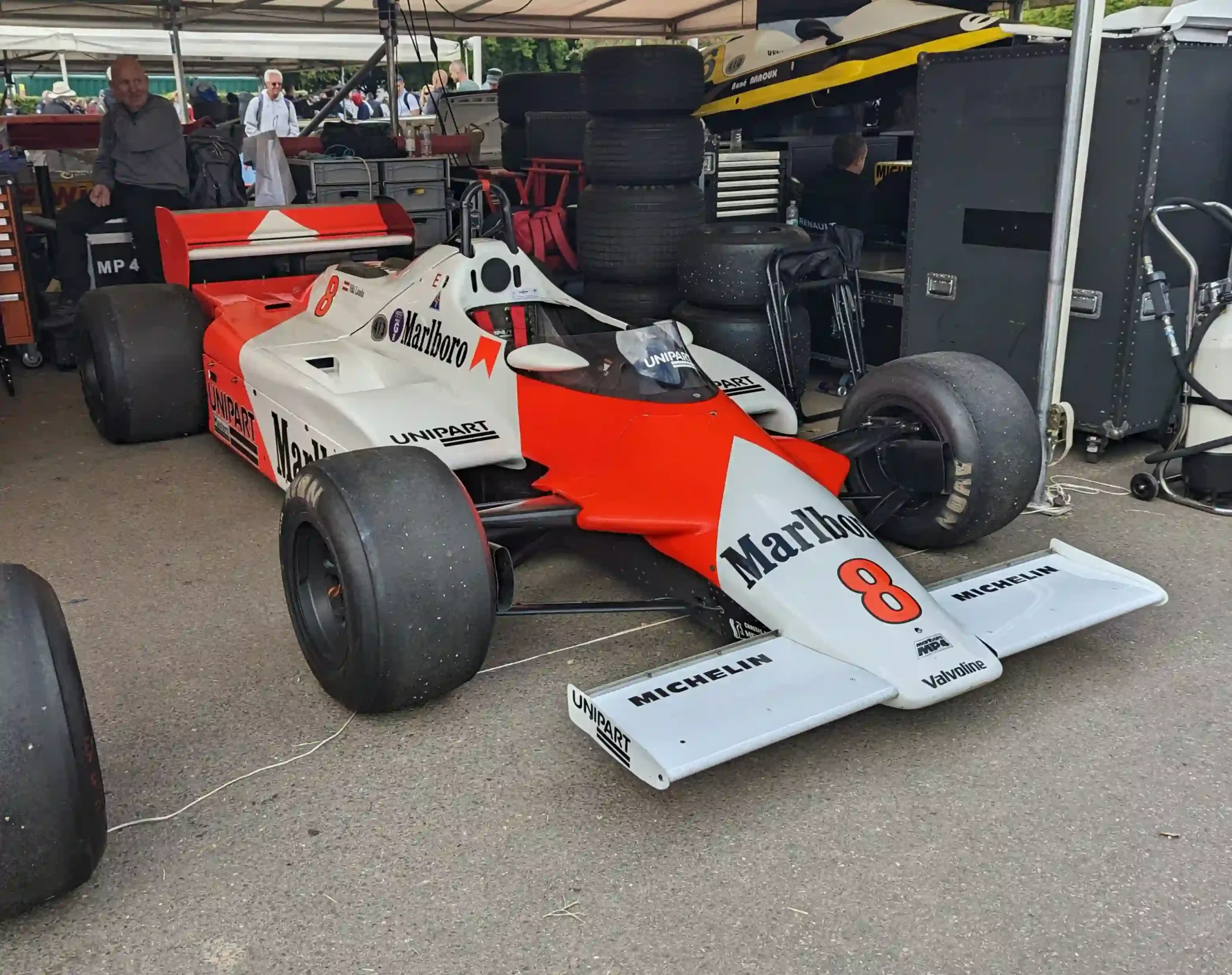
The McLaren MP4/1 debuted in 1981 with a carbon-fiber composite monocoque. John Barnard’s design changed both chassis stiffness and crash protection.
Aluminum monocoques had become standard. However, engineers still wanted greater stiffness without extra mass.
Carbon-fiber composite offered that combination. McLaren worked with aerospace expertise to produce the MP4/1 tub.
The Material Behaved Differently From Metal
Aluminum bends and tears in familiar ways. Composite strength depends on fiber direction, resin and layer placement.
Therefore, the structure could be tailored around specific loads. The process also demanded careful manufacturing control.
A Crash Proved the Safety Potential
Some rivals questioned how carbon would behave in an impact. John Watson’s heavy Monza accident helped answer those concerns.
The tub protected him, and the grid soon followed McLaren’s path.
Modern Cars Use Carbon Throughout
The survival cell, bodywork, floor and many suspension parts use composite construction. Metal remains important at joints and high-temperature areas.
Still, the central carbon tub is the foundation of every current car.
Modern construction is explained in the F1 monocoque guide.
Formula 1 Engines Changed With Every Major Formula
F1 moved through supercharged straight-eights, naturally aspirated V8s, V10s and V12s, turbo engines, 2.4-liter V8s and modern 1.6-liter V6 hybrids.
Engine regulations define capacity, induction and energy limits. Each formula changes the size and cooling needs of the car.
The Cosworth DFV Era Simplified Packaging
The Ford-Cosworth DFV debuted in 1967. Teams could use it as a structural part between the chassis and gearbox.
It was compact, strong and widely available. Therefore, independent constructors could compete without building an engine.
Turbocharging Brought Huge Power
Renault introduced a turbocharged car in 1977. Reliability was difficult, but the concept eventually dominated.
Boost pressure created extraordinary qualifying performance. However, fuel limits and turbo lag shaped the driving challenge.
Natural Aspiration Returned in 1989
The turbo ban opened a competition among V8, V10 and V12 engines. V10s eventually offered an effective balance.
Fans still celebrate that period for sound and throttle response. Yet fuel use remained far higher than modern hybrid levels.
V8 Rules Arrived in 2006
F1 moved from 3.0-liter V10s to 2.4-liter V8s. Rev limits and engine-life rules followed.
The cars remained extremely light and responsive. Meanwhile, aerodynamic development accelerated.
Turbo Hybrids Reached New Efficiency
From 2014, a 1.6-liter V6 turbo worked with electrical recovery. The power unit combined combustion, battery power and control electronics.
For engine architecture, see turbo versus naturally aspirated engines and V6, V8, V10 and V12 layouts.
Gearboxes Moved From a Lever to the Steering Wheel
Ferrari introduced the successful semi-automatic paddle-shift gearbox with the 640 in 1989. Nigel Mansell won the car’s debut race in Brazil.
Early drivers used an H-pattern or gated gear lever. Each shift required one hand to leave the wheel.
The gearbox also demanded accurate clutch and throttle timing. A missed shift could damage the engine.
Ferrari’s 640 Changed the Cockpit
John Barnard’s design used steering-wheel paddles and electro-hydraulic actuation. The driver still requested each shift.
However, the system completed the mechanical movement. Therefore, both hands could remain on the wheel.
Sequential Selection Became Standard
Teams adopted paddle shifting quickly. Gear changes became faster and more repeatable.
Automatic shifting remains banned. The driver still chooses when to change gear.
Seamless Shifts Reduced Torque Loss
Modern gearboxes prepare the next ratio before the previous one fully releases. This reduces the interruption in drive.
Consequently, acceleration remains smoother. Aerodynamic balance also changes less during a shift.
Read how paddle shifters work for the complete mechanism.
Suspension Evolved Into an Aerodynamic Platform
Early suspension mainly kept the tires in contact with uneven tracks. Modern suspension must also hold the floor and wings at precise attitudes.
Components Moved Inboard
Pushrods and pull-rods connect the wheels to springs and dampers inside the chassis. This reduces exposed mass and aerodynamic disturbance.
Inboard packaging also protects sensitive parts. However, access becomes more difficult.
Active Suspension Controlled Ride Height
Lotus pioneered active systems. Williams then perfected the concept during the early 1990s.
The car could maintain a better aerodynamic platform. Yet cost and automation concerns led to the 1994 ban.
Passive Systems Became Highly Sophisticated
Teams developed heave springs, interconnected hydraulics and tuned mass systems. Regulators later restricted several concepts.
Therefore, modern passive suspension is complex even without computer-controlled ride height.
Ground-Effect Cars Need Strong Platform Control
The floor works best within a narrow height range. Too low can cause stalling or plank wear.
Meanwhile, too high sacrifices downforce. Engineers balance aero performance against tire contact and driver confidence.
Brakes Progressed From Drums to Carbon-Carbon Systems
Carbon-carbon discs provide strong performance at high temperature with low rotating mass. They suit the severe energy demands of modern Formula 1 braking.
Drum brakes gave way to disc systems as speeds rose. Steel discs then became the standard performance solution.
Carbon Reduced Mass and Improved Heat Capacity
Carbon-carbon discs operate best at very high temperatures. Their low mass improves wheel response.
However, cold carbon brakes offer poor performance. Drivers must build temperature before a start or restart.
Brake Ducts Became Aero Devices
Ducts cool discs and calipers. They also manage airflow around the wheel.
Consequently, rules tightly define their shape. A cooling component can also create aerodynamic benefit.
Brake-by-Wire Arrived With Hybrids
The MGU-K recovers energy at the rear axle. That recovery changes the amount of hydraulic braking needed.
Brake-by-wire blends the two contributions. Drivers still adjust balance and migration from the wheel.
The control side appears in the F1 brake-balance guide.
Tires and Wheels Changed Grip, Strategy and Proportions
F1 moved from narrow cross-ply tires to wide slicks, grooved dry tires, controlled compounds and 18-inch low-profile wheels.
Tires are the only parts that touch the track. Therefore, every change affects braking, traction and steering.
Wide Slicks Transformed Mechanical Grip
As power rose, tires became wider. Smooth tread created a large dry contact patch.
Teams and suppliers then developed compounds for qualifying, racing and weather conditions.
Grooved Tires Arrived in 1998
The grooves reduced dry contact area. Cars also became narrower.
The aim was slower cornering. However, teams recovered performance through aero and tire development.
Slicks Returned in 2009
The sport wanted more mechanical grip relative to aerodynamic grip. Slick tires therefore returned after 11 seasons.
Yet front and rear balance changed. Teams adjusted weight distribution and aero targets.
Eighteen-Inch Wheels Arrived in 2022
The old 13-inch rims disappeared. Lower-profile tires reduced sidewall movement.
Wheel covers also returned. Consequently, suspension and brake packaging changed together.
Safety Development Changed the Car Around the Driver
Stronger survival cells, crash structures, fuel bladders, wheel tethers, cockpit padding, HANS and Halo created multiple layers of protection.
Early F1 accepted dangers that would be intolerable today. Safety progress came through engineering, regulation and accident investigation.
Fuel Systems Became Safer
Flexible fuel bladders reduced rupture risk. Better connections and fire-resistant materials also limited leaks.
Refueling equipment later faced strict controls. Race refueling disappeared again after 2009.
Crash Tests Became Mandatory and Harder
The FIA expanded frontal, side and rear impact requirements. Static load tests also checked roll structures and cockpit strength.
Therefore, teams must prove survival performance before a chassis can race.
Wheel Tethers Reduced Loose Components
Suspension failures can release heavy wheels. Tethers aim to keep them attached to the car.
Rules increased tether strength and redundancy over time. However, no system can remove every risk.
HANS Protected the Head and Neck
HANS became mandatory in Formula 1 in 2003. It limits harmful head movement during a sudden deceleration.
The device works with the helmet and belts. Read the HANS guide for more detail.
Halo Added Frontal Cockpit Protection
The FIA made Halo mandatory in 2018. The titanium structure protects against cars, wheels and large objects.
Several later accidents demonstrated its value. The design is explained in the Formula 1 Halo guide.
The 2009 Rules Produced a New Shape and the First Modern Hybrid Step
The front wing became wider, the rear wing narrower and bodywork cleaner. Slick tires returned, while optional KERS added an electrical power boost.
The 2009 package tried to reduce wake sensitivity and improve overtaking. The car’s proportions changed dramatically.
The Front Wing Became Wide and Low
It extended toward the front tires. The driver could also adjust a flap within limited conditions.
Meanwhile, the rear wing became taller and narrower. The visual change was immediate.
KERS Opened the Energy-Recovery Path
The system harvested braking energy and stored it. The rules allowed about 80 horsepower for roughly 6.6 seconds per lap.
Some teams chose not to use it because of weight and packaging. Still, the idea led directly toward modern ERS.
The Double Diffuser Exploited the New Wording
Brawn, Toyota and Williams found extra diffuser volume. The concept passed legal challenges.
Brawn then won both championships. The episode showed how one interpretation can redirect an entire season.
The 2014 Hybrid Era Changed Power, Cooling and Driver Workload
F1 introduced 1.6-liter V6 turbo-hybrid power units, direct injection, two motor-generator units, brake-by-wire and strict fuel limits.
The 2014 power unit combined several machines. The internal-combustion engine worked with the MGU-K, MGU-H and battery.
Fuel Efficiency Became Lap-Time Performance
Fuel flow and race fuel faced limits. Therefore, teams chased combustion efficiency and electrical recovery.
The best package could produce more useful energy from the same allowance.
Cooling Became a Major Packaging Battle
Turbochargers, intercoolers, batteries and electronics produced heat. Sidepods had to feed several cooling circuits.
However, larger openings increase drag. Designers traded reliability against aerodynamic efficiency.
Energy Deployment Changed Racing
Drivers used stored energy to attack, defend and meet lap targets. The pit wall managed recovery strategies.
Consequently, the steering wheel gained more controls and display pages.
Brake-by-Wire Managed Rear Braking
The MGU-K’s recovery changes with battery and strategy conditions. The hydraulic system must maintain predictable pedal response.
The full hybrid system appears in the F1 ERS explainer.
The 2017 Cars Became Wider, Faster and Harder to Follow
Overall width increased from 1,800 to 2,000 millimeters. Tires grew 25% wider, while larger wings and floors produced more grip.
The 2017 regulations deliberately targeted faster lap times. This was unusual because many previous resets aimed to reduce speed.
Wider Tires Raised Mechanical Grip
Front tread width rose from 245 to 305 millimeters. Rear width increased from 325 to 405.
Drivers could carry more speed through long corners. The visual stance also became more aggressive.
Aerodynamic Surfaces Grew
The floor widened, while the diffuser became taller and started farther forward. Bargeboard freedom also increased.
Consequently, teams created complex vortex systems. Those systems were powerful but wake-sensitive.
Lap Records Fell
Greater downforce and tire grip produced major gains. Drivers praised the physical challenge.
However, following another car became harder. That problem helped shape the later 2022 concept.
The 2022 Cars Returned to Large Underfloor Tunnels
They added shaped underfloor tunnels, simplified wings, removed bargeboards, introduced wheel covers and switched to 18-inch tires.
The 2022 car placed a larger share of downforce beneath the chassis. The goal was to reduce the loss behind another car.
Venturi Tunnels Replaced the Stepped-Floor Concept
Air accelerated through shaped channels. The resulting low pressure pulled the car toward the track.
Unlike 1970s cars, modern rules did not allow sliding skirts. Floor-edge control came from geometry and vortices.
Porpoising Returned
Some cars repeatedly gained and lost floor load at speed. The vertical bouncing was uncomfortable and sometimes severe.
Teams changed floors, ride heights and stiffness. The FIA also introduced monitoring and later rule adjustments.
Sidepods Became a Visual Development Battle
Teams created very different cooling and airflow concepts. Some used deep undercuts, while others reduced sidepod volume dramatically.
Over time, successful features converged. However, the opening seasons showed broad design freedom.
The New Tires Changed Suspension Behavior
Lower sidewalls flexed less. Therefore, the suspension had to absorb more movement itself.
Brake cooling and wheel-wake control also changed. The wheel package became part of the aero concept.
Why Modern Formula 1 Cars Became So Big and Heavy
Longer fuel cells, hybrid hardware, crash structures, wider aero rules and larger tires increased dimensions and minimum weight.
A historic F1 car can look tiny beside a recent model. The difference comes from several overlapping changes.
Refueling Rules Increased Fuel Capacity
Since 2010, cars start with enough fuel for the race. Therefore, the survival-cell area must package a larger fuel bladder.
The extra fuel also creates a large start-to-finish weight change.
Hybrid Systems Added Hardware
Battery cells, power electronics and motor-generator units add mass. Cooling circuits add more.
However, they also recover energy and improve efficiency. Removing them would change the whole power formula.
Safety Structures Became Larger
Longer nose structures absorb frontal energy. Side structures protect against intrusion.
Moreover, stronger roll hoops and Halo add mass. Safety gains are rarely weightless.
Aero Rules Encouraged Long Wheelbases
Longer cars create more space for floors, cooling and airflow management. Teams used the maximum allowed wheelbase during several eras.
Yet large cars struggle on narrow street circuits. Drivers repeatedly asked for more agility.
The 2026 Cars Start Another Major Design Era
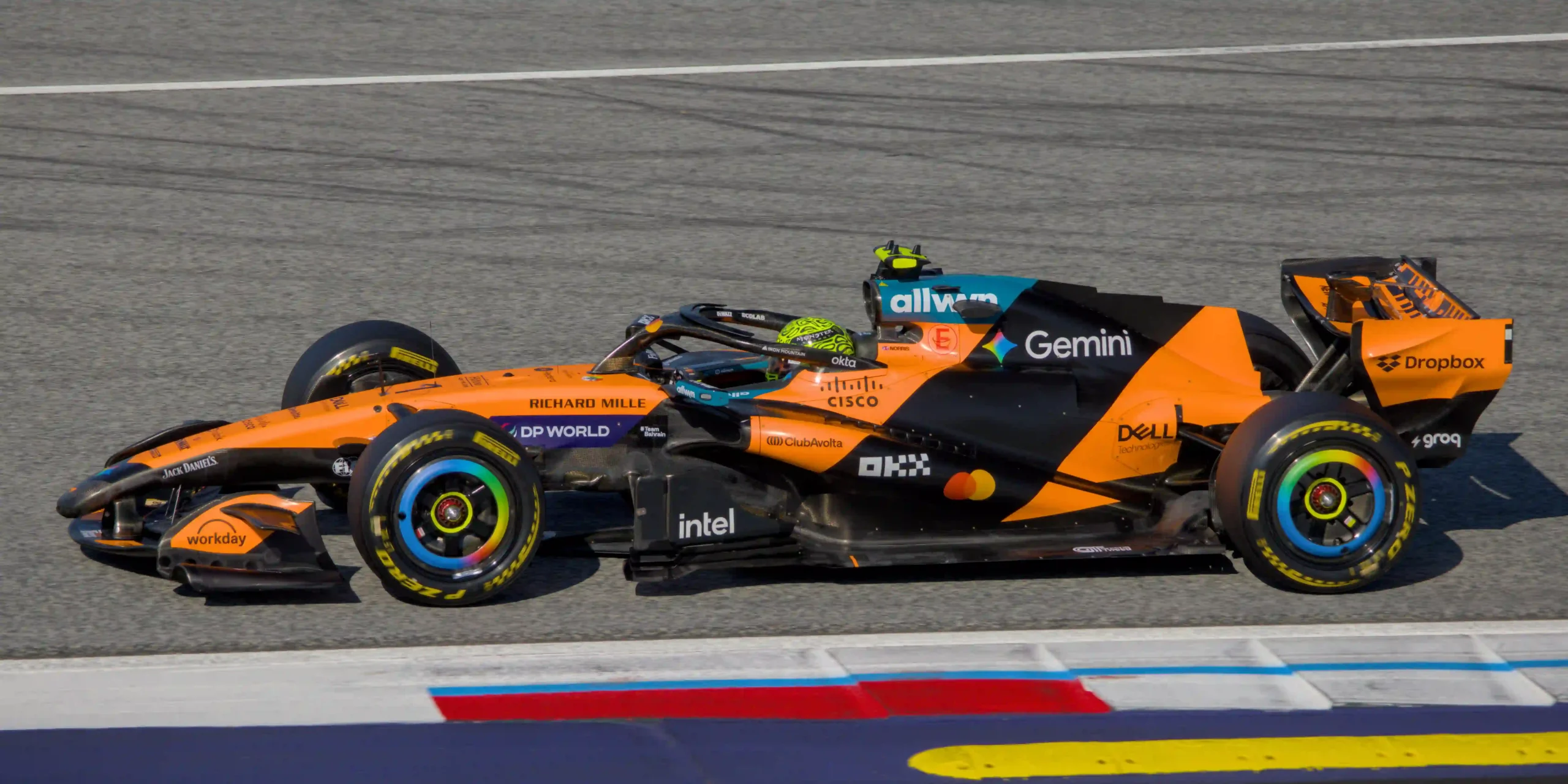
The cars became shorter and narrower, adopted active front and rear wings, removed 2022-style Venturi tunnels, dropped the MGU-H and increased MGU-K power to 350 kW.
The 2026 reset changed chassis and power-unit rules together. The FIA described a “nimble car” concept.
The Wheelbase and Width Decreased
Maximum wheelbase fell from 3,600 to 3,400 millimeters. Overall width dropped from 2,000 to 1,900.
The floor and tires also became narrower. Therefore, the cars occupy less track width.
Active Aero Arrived
Front and rear wing elements change angle. Straight Mode reduces drag, while Corner Mode restores downforce.
This system is not simply old DRS on both ends. It supports the energy demands of the new power unit.
The Underfloor Concept Changed Again
The large 2022-style Venturi tunnels disappeared. A flatter floor and larger diffuser reduced reliance on extreme ground effect.
The goal was better following as teams had recovered more wake-producing performance.
Electrical Power Increased Sharply
The MGU-K rose from 120 kW to as much as 350 kW. The MGU-H disappeared.
As a result, the power split moved much closer to combustion and electric balance.
Overtake Mode Replaced DRS as the Passing Aid
An eligible following driver can use extra electrical deployment. Boost remains available for attack or defense in other situations.
Energy decisions therefore become more visible in racecraft.
Fully Sustainable Fuel Became Mandatory
The fuel uses advanced sustainable sources. It is designed to work as a drop-in fuel for combustion technology.
The wider package appears in the 2026 F1 regulations guide.
Old vs Modern Formula 1 Cars
| System | Early World Championship Car | Modern 2026 Car |
|---|---|---|
| Engine position | Front-mounted | Behind the driver |
| Chassis | Steel tubular frame with aluminum skin | Carbon-fiber composite survival cell |
| Power | Combustion engine only | Turbo V6 plus powerful electrical system |
| Gear change | Manual lever and clutch pedal | Steering-wheel paddles and electro-hydraulic shift |
| Aerodynamics | Minimal downforce | Active wings, diffuser and controlled floor |
| Brakes | Drums or early steel discs | Carbon-carbon discs with rear brake-by-wire |
| Tires | Narrow cross-ply construction | Wide slicks on 18-inch wheels |
| Steering | Large round wheel with no assistance | Compact multifunction wheel with hydraulic assistance |
| Safety | Basic cockpit and limited fire protection | Tested survival cell, HANS, tethers and Halo |
| Data | Analog gauges and driver feel | Hundreds of sensors and live telemetry |
A modern car is heavier, but it is also far more powerful, efficient and safe. It can brake later and carry far more speed through corners.
Yet the early car demanded physical strength and mechanical sympathy. Drivers managed gearboxes, brakes and tire slides directly.
For performance context, see how fast Formula 1 cars go.
The Cars That Redirected Formula 1 Design
| Car | Season | Lasting Contribution |
|---|---|---|
| Alfa Romeo 158 | 1950 | Defined the power-led front-engine opening era. |
| Cooper T51 | 1959 | Established rear-engine championship success. |
| Lotus 25 | 1962 | Introduced the modern monocoque principle. |
| Lotus 49 | 1967 | Used the engine as a stressed chassis member. |
| Lotus 79 | 1978 | Perfected early full ground effect. |
| McLaren MP4/1 | 1981 | Introduced the carbon-fiber monocoque. |
| Ferrari 640 | 1989 | Introduced successful paddle shifting. |
| Williams FW14B | 1992 | Demonstrated the power of active suspension. |
| Brawn BGP 001 | 2009 | Exploited the double-diffuser interpretation. |
| Mercedes W05 | 2014 | Set the first hybrid-era benchmark. |
| Red Bull RB18 | 2022 | Established a leading modern ground-effect concept. |
| 2026 generation | 2026 | Combined active aero with near-balanced electric power. |
The Driver’s Job Changed With the Car
Technology did not remove the driver. It changed the type of work performed inside the cockpit.
Early Drivers Managed the Machinery Directly
They matched revs during shifts and protected fragile brakes. Mechanical sympathy could decide whether a car finished.
Moreover, steering forces were high. Long races punished hands, shoulders and concentration.
Modern Drivers Manage Systems at Speed
They adjust brake balance, differential settings and energy deployment. They also follow delta targets and radio instructions.
However, these actions happen while cornering at extreme speed. Complexity therefore adds mental load rather than removing skill.
Aerodynamic Sensitivity Changed Driving Style
A modern car rewards precise lines and platform control. Sliding can overheat tires and disturb airflow.
Yet drivers still need rapid corrections. Ground-effect cars can lose balance sharply over bumps or in dirty air.
Physical Loads Increased in Corners
Downforce produces high lateral acceleration. Wider tires and powerful brakes add further strain.
Therefore, neck strength and fitness became core performance tools.
Common Myths About Formula 1 Car Evolution
“Old F1 Cars Were Faster Because They Were Lighter”
False. Lower mass helped agility, but modern cars have much more downforce, braking performance and usable power.
“Modern Cars Are Easy Because They Have Electronics”
False. Drivers manage more systems while operating at much higher cornering loads.
“Ground Effect Vanished Completely in 1983”
False. Flat-floor cars still used underbody pressure and diffusers. The ban removed the full skirt-sealed tunnel concept.
“Carbon Fiber Is Used Only to Save Weight”
False. It also offers stiffness and controlled crash behavior.
“Hybrid Cars Have Less Power Than V10 Cars”
False. Modern combined output exceeds many naturally aspirated eras, although sound and delivery differ.
“Halo Was Added Only for Rollovers”
False. It protects against several frontal cockpit threats, including another car and large debris.
“Active Aero in 2026 Is Just DRS”
False. Both front and rear wings change for energy efficiency, while Overtake Mode provides the passing assistance.
“Every Regulation Makes Cars Slower”
False. Some rules deliberately increase performance. Engineers also recover lost speed after restrictive changes.
Where Formula 1 Car Design Goes Next
Future development will continue balancing speed, sustainability, safety and racing quality. Those goals rarely point in the same direction.
Weight Will Stay Under Pressure
Drivers prefer agile cars. However, batteries and stronger safety structures add mass.
Therefore, material efficiency and compact packaging will remain important.
Energy Management Will Become More Visible
The 2026 system gives electrical deployment a larger role. Teams will refine harvesting and tactical use.
Fans may also gain clearer graphics showing battery decisions. That could make strategy easier to follow.
Active Aero Will Create New Development Battles
Teams will optimize wing transitions, stability and failure protection. Regulators will monitor flexibility and control logic.
Consequently, later rule issues may tighten details that were not obvious during design.
Safety Research Will Keep Changing Hidden Structures
The most important future changes may not be visible. New side protection, warning systems and crash materials can save lives without altering the silhouette.
That pattern has defined how Formula 1 cars have changed over time. The fastest progress often sits beneath the bodywork.
Formula 1 Car Evolution FAQs
How have Formula 1 cars changed over time?
They evolved from front-engine steel-framed racers into rear-engine carbon-fiber hybrids with advanced aerodynamics, energy recovery and modern crash protection.
When did Formula 1 cars move the engine behind the driver?
Cooper established the layout in the late 1950s. Jack Brabham’s 1959 and 1960 titles confirmed its advantage.
What was the first carbon-fiber Formula 1 car?
The McLaren MP4/1 debuted in 1981 with the first carbon-fiber composite F1 monocoque.
How did Formula 1 cars change for 2026?
They became shorter and narrower, adopted active wings, removed the MGU-H, increased electrical power and began using fully sustainable fuel.
Conclusion: Formula 1 Cars Changed by Rebuilding the Route to Speed
Understanding how Formula 1 cars have changed over time starts with the first championship machines.
They were front-engine cars with steel tube frames, narrow tires and manual transmissions. Driver protection was limited.
The rear-engine Cooper then reset the layout. Better mass distribution and compact packaging made the front-engine car obsolete.
Lotus followed with the aluminum monocoque. The driver sat lower, while the chassis became lighter and stiffer.
Wings then turned airflow into grip. Aerodynamics became as important as horsepower.
Ground effect pushed that development beneath the car. Lotus used Venturi tunnels and skirts to create huge downforce.
The 1983 flat-floor rule ended the first full ground-effect era. However, diffusers and underfloor pressure remained essential.
McLaren’s MP4/1 introduced the carbon-fiber monocoque in 1981. That change improved both stiffness and safety.
Engine rules moved through turbo, V10, V8 and hybrid eras. Each formula altered cooling, weight and power delivery.
Ferrari’s 640 moved gear selection to steering-wheel paddles. The manual lever disappeared from modern Formula 1.
Suspension also became an aerodynamic tool. Active systems briefly controlled ride height before their 1994 ban.
Brakes progressed from drums to carbon-carbon discs. Hybrid recovery then required rear brake-by-wire.
Tires changed just as dramatically. Slicks, grooves, tire wars and 18-inch wheels each redirected chassis development.
Safety improvement rebuilt the driver’s environment. Carbon survival cells, fuel bladders, tethers, HANS and Halo created layered protection.
The 2009 reset introduced new wings, slick tires and KERS. It also produced the famous double-diffuser contest.
For 2014, the V6 turbo hybrid made efficiency a performance weapon. Energy recovery became part of every lap.
The 2017 cars became wider and faster. Yet their wake made close following difficult.
The 2022 rules responded with large underfloor tunnels and simplified upper bodywork. Eighteen-inch wheels changed the mechanical platform.
Modern cars also became larger and heavier. Fuel capacity, batteries, aero space and safety structures all contributed.
The 2026 package reversed part of that trend. Cars became shorter and narrower.
Active wings reduced drag on straights. Meanwhile, the electrical system gained a much larger role.
The MGU-H disappeared, and sustainable fuel became mandatory. Overtake Mode replaced DRS as the proximity aid.
Therefore, how Formula 1 cars have changed over time is not one story of faster engines or bigger wings.
It is a chain of complete design revolutions. Every era changed the meaning of a fast car.
The visible shapes will keep evolving. However, the competition remains the same.
Every team still studies the rulebook, finds a different answer and races to prove it first.
Sources and Fact-Checking
This article was checked against official Formula 1 and FIA material available on July 30, 2026. Historical descriptions use official F1 features, while current dimensions and power-unit details follow the latest FIA and Formula 1 material.