How Much Does an F1 Team Spend Each Year?
The $215 million cost cap controls performance spending, but the real yearly bill also includes drivers, senior staff, global travel, commercial work and major facilities.
An established Formula 1 team can require roughly $250 million to more than $500 million in annual resources. The 2026 base cost cap is $215 million, but several major expenses remain outside it.
A Formula 1 car lasts one season. The organization behind it must operate every day.
Designers start work before the public sees the new chassis. Meanwhile, factories manufacture upgrades throughout the championship.
Race crews move between 24 events. Commercial teams also deliver sponsor programs across several continents.
Therefore, the answer to how much does an F1 team spend each year cannot be one official number.
The FIA publishes a cost cap. However, it does not cap every expense paid by the company.
For 2026, the base team cap is $215 million before permitted adjustments. That limit covers defined performance-related costs.
Driver retainers remain outside. The three highest-paid staff salaries are excluded as well.
Legal, finance, human resources and marketing expenses also receive important exclusions. Race travel sits outside the cap too.
Consequently, total annual spending rises well above the regulated figure. The gap differs from team to team.
A customer team can buy an engine and selected components. A works group may support a separate power-unit company.
One constructor may pay two young drivers. Another may employ a multiple world champion on a premium contract.
Facilities create another difference. A rebuilding operation can spend heavily on factories, simulators and manufacturing equipment.
Public accounts confirm the scale. Mercedes-Benz Grand Prix reported £633.4 million of turnover for 2025.
McLaren Racing reported £530.3 million for 2024 across its racing group. However, turnover is income, not annual spending.
This guide separates the main annual cost blocks. It also explains why company accounts and cost-cap numbers cannot be compared directly.
The Direct Answer: Roughly $250 Million to $500 Million-Plus
A competitive F1 operation can require roughly $250 million to more than $500 million each year. This is an analytical range, not an FIA figure, because teams do not publish standardized complete budgets.
The lower part of that range describes a controlled organization. It may use customer components and modest driver contracts.
The upper part reflects a large company. It can include premium salaries, extensive sponsorship activity and expensive infrastructure.
However, even that range needs context. Some public company turnover exceeds $500 million.
Turnover does not equal spending. Moreover, group accounts can include other racing series or technical services.
The Cost Cap Creates the Core Spending Block
A front-running team normally wants to use most of its performance allowance. Leaving cap space unused can mean fewer upgrades.
Therefore, the $215 million base provides the central block. Excluded expenses then increase the total.
Excluded Costs Can Change the Answer Dramatically
Driver payroll can vary by tens of millions. Senior management contracts can also be substantial.
Travel and commercial programs create another large difference. A famous team may host more guests and produce more content.
Capital Projects Distort One-Year Comparisons
A team may build a new factory or simulator. Cash spending can rise sharply during that project.
Meanwhile, accounting statements spread some asset costs through depreciation. The cash bill and profit statement therefore differ.
The best working answer is “well above the cost cap.” The exact total depends on drivers, facilities, ownership structure and commercial ambition.
Why There Is No Official F1 Team Spending Table
No standardized annual budget is published for every team. Private contracts, different company structures and cost-cap exclusions prevent a clean comparison.
The FIA receives detailed financial submissions. However, those submissions are not public team accounts.
Instead, the FIA confirms whether defined Relevant Costs complied with the rules. It does not release a complete expense ledger.
Company Structures Are Different
One legal company may operate the chassis team. Another company can build and supply the power unit.
Some groups also run Formula E, IndyCar or engineering businesses. Therefore, consolidated accounts can exceed pure F1 activity.
Contracts Remain Private
Driver salaries are rarely disclosed officially. Engine supply and sponsor contracts are also confidential.
Public estimates can be useful. Nevertheless, they should not be presented as audited facts.
Accounting Categories Are Not Sporting Categories
A company reports turnover, cost of sales and profit. The FIA reports Relevant Costs and exclusions.
Those terms measure different things. Consequently, subtracting profit from revenue does not reveal the cost-cap figure.
Currency Complicates Comparison
Many teams report in British pounds. The FIA cap is expressed in U.S. dollars.
Exchange rates change. Therefore, converted numbers can move without any change in real activity.
For the structure of the championship, read what Formula 1 is and see the 2026 F1 teams list.
How the 2026 Cost Cap Shapes Annual Spending
The 2026 base team cost cap is $215 million before applicable adjustments. Formula 1 says the increase from the previous $135 million base is roughly neutral because more costs now sit inside the cap.
The financial regulations began in 2021. They limited spending linked directly to car performance.
For 2026, the headline number rose by $80 million. However, the accounting perimeter also changed.
Depreciation Moved Into the Main Calculation
The previous system used a separate capital-expenditure allowance. That approach ended for 2026.
Annual depreciation from facilities and equipment now affects the main calculation. Therefore, older investment decisions can influence current cap space.
Shared Employee Rules Became Stricter
Teams often operate non-F1 projects. Previously, staff time could be divided more widely between activities.
The new approach brings more shared employment costs into F1. As a result, the larger cap covers a broader scope.
Some Staff-Welfare Costs Became Excluded
Health and safety costs are excluded. Factory and race catering also moved outside the limit.
These exclusions prevent basic employee support from competing directly with car development.
A Small Carry-Forward Is Allowed
Teams can roll forward up to $2 million of unused cap. This allows limited multi-year planning.
However, it does not create a large savings reserve. The amount remains small beside the total budget.
The Cap Is Not a Revenue Limit
A team can earn more than $215 million. Sponsorship and central payments do not reduce the cap.
The rule controls defined expenditure. Therefore, strong commercial income can improve profit.
Usually Inside the Cap
- Research and design
- Most technical payroll
- Aerodynamic development
- Manufacturing and upgrades
- Spare and replacement parts
Major Costs Outside
- Race-driver retainers
- Three highest-paid staff
- Marketing and sponsor activation
- Legal, finance and HR
- Race travel and heritage programs
An Annual F1 Team Spending Map
The money supports car development, technical staff, drivers, power-unit supply, manufacturing, factories, freight, race operations, repairs, commercial work and regulatory compliance.
The table below shows the main spending blocks. It does not assign invented team-by-team amounts.
Instead, it explains whether each category normally sits inside or outside the cap.
| Annual Cost Block | Typical Cost-Cap Treatment | Why It Matters |
|---|---|---|
| Car research and development | Mostly inside | Creates aerodynamic, mechanical and software performance |
| Most technical staff | Inside | Engineers and production staff are a major recurring cost |
| Drivers and top three staff | Excluded | Can create a large difference between team totals |
| Power-unit package | Special regulatory treatment | Customer teams buy supply and support; manufacturers use a separate cap |
| Factories and equipment | Depreciation can count | Infrastructure affects speed, quality and long-term efficiency |
| Travel and freight | Important exclusions apply | A 24-race global calendar creates major logistics expense |
| Marketing and hospitality | Generally excluded | Delivers sponsor rights and commercial revenue |
| Crash repairs and spares | Generally inside | Damage can reduce money available for upgrades |
1. Research, Aerodynamics and Car Development
Teams do not disclose a standard development total. However, research, technical payroll, aerodynamics, simulation and manufacturing form the largest controlled part of the $215 million cap.
Development starts with the next car concept. Engineers define the chassis layout, cooling and suspension geometry.
Aerodynamicists then shape the airflow. Meanwhile, simulation teams predict how the package will perform.
Wind-Tunnel Work Costs More Than Tunnel Time
Teams build detailed scale models. They also need sensors, technicians and model makers.
The sporting regulations limit tunnel and CFD use. Therefore, teams must extract maximum value from every run.
Read what downforce is and how angle of attack changes aerodynamic load.
Simulation Requires Hardware and Specialists
Driver-in-the-loop simulators support setup work. High-performance computing supports CFD and vehicle models.
Software licences and specialist engineers create recurring costs. Nevertheless, accurate simulation can prevent expensive mistakes.
Explore the history of racing simulators.
Every Upgrade Needs Several Copies
A new floor cannot be built once. Both cars require race parts and emergency spares.
Furthermore, a late design may require express manufacturing. That can increase workload and disrupt future projects.
Failed Ideas Still Consume Budget
A part may perform poorly on track. Its design and manufacturing costs remain real.
Consequently, correlation quality has financial value. Better predictions protect limited annual resources.
2. Engineering Staff, Mechanics and Factory Payroll
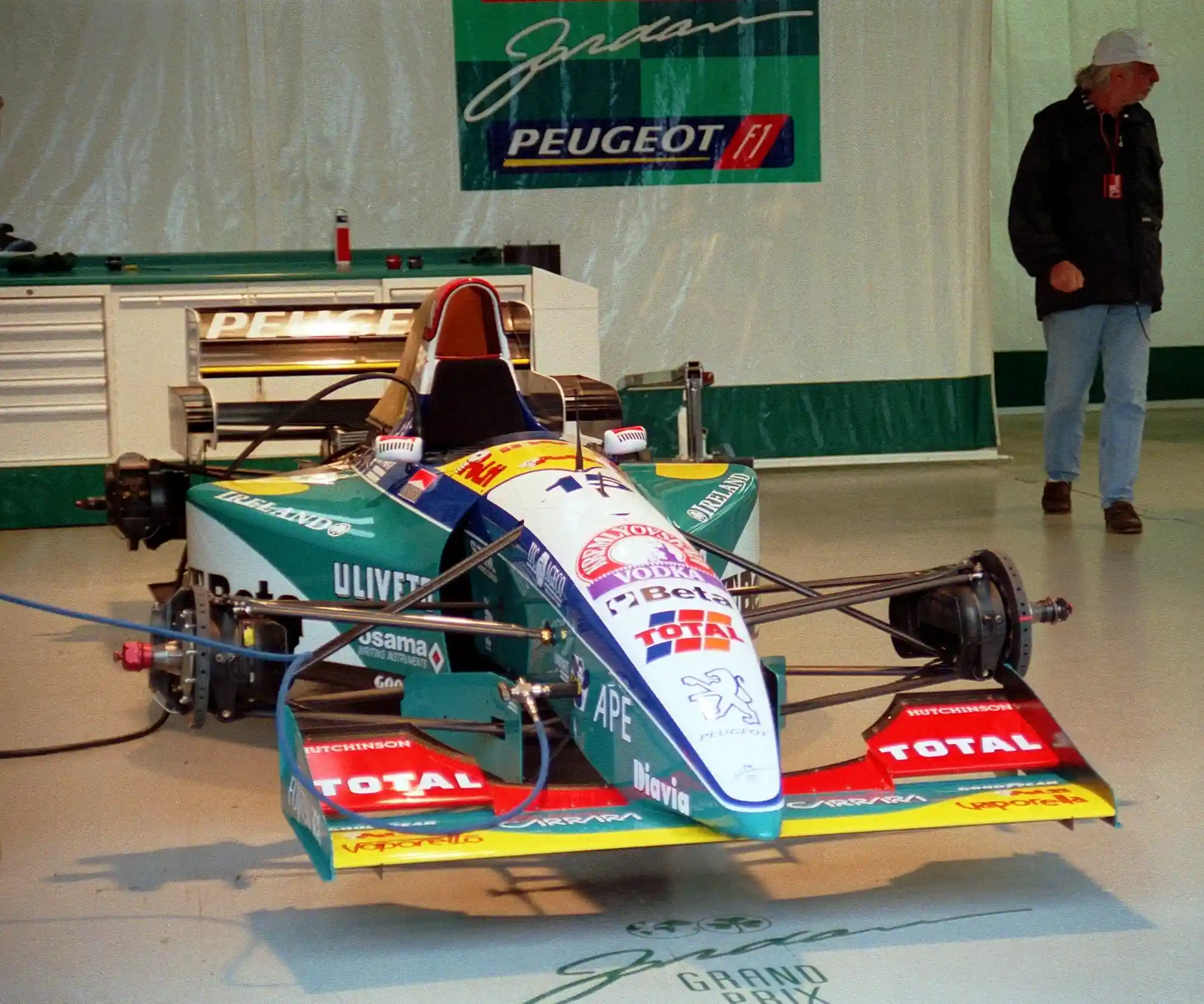
Exact payroll is private, but staff costs are among the largest annual expenses. Large teams can employ more than 1,000 people, and most technical salaries count toward the cost cap.
The television crew at the circuit represents only part of the workforce. Most employees remain at the factory.
Designers create parts. Composite technicians manufacture them. Software engineers build tools and analyze data.
Technical Payroll Competes With Hardware
Most technical salaries sit inside the cap. Therefore, hiring more people leaves less room for materials and upgrades.
A team must judge whether an extra specialist creates enough performance. Headcount becomes a strategic choice.
The Three Highest-Paid Staff Are Excluded
Senior leaders often fill those positions. Their salaries do not reduce the normal performance allowance.
However, the cash still comes from team revenue. Excluded does not mean free.
Learn what an F1 team principal does, how a technical director leads development and what a sporting director manages.
Bonuses Can Rise After Success
Championship results can trigger employee bonuses. These payments reward the workforce and support retention.
Meanwhile, recruiters compete for scarce experience. Signing and relocation packages can add further expense.
Staff Benefits Matter
Teams pay pensions, insurance and training. They also operate graduate and apprenticeship programs.
These programs create a long-term talent pipeline. However, they require consistent annual investment.
3. Driver Retainers, Bonuses and Support
Yes, teams pay driver retainers and related costs each year. However, race-driver salaries remain excluded from the cost cap.
Driver expenditure creates one of the clearest differences between teams. A rookie lineup can cost far less than two champions.
Contracts remain private. Therefore, public salary lists should be treated as estimates.
The Base Salary Is Only One Element
Drivers may receive win, podium and championship bonuses. Signing payments can also apply.
Image-rights arrangements add complexity. Sponsor appearances and personal partners require detailed contracts.
Support Staff Add More Cost
Drivers work with trainers and physiotherapists. Teams also employ reserve and simulator drivers.
Junior academies create another yearly expense. They support future talent and commercial relationships.
Premium Drivers Can Create Revenue
A major star can attract sponsors and sell merchandise. Better results can also improve central payments.
Therefore, a large salary can still make business sense. The value is both sporting and commercial.
See how much Formula 1 drivers make.
4. Power Units, Gearboxes and Technical Supply
Customer contracts are private. A power-unit package covers engines, hybrid hardware, software, engineers and trackside support, while manufacturers follow a separate financial cap.
A customer does not buy one engine in a crate. It buys a complete season-long technical relationship.
The supplier supports installation and cooling. Engineers also attend races and analyze reliability.
Customer Teams Avoid a Separate Engine Company
Developing a modern power unit requires dynos, laboratories and specialist staff. Buying supply avoids that burden.
However, the customer loses some design freedom. It must package the car around the supplier’s architecture.
Works Groups Fund Two Major Programs
A manufacturer can operate the chassis team and a separate power-unit company. Each has its own regulated financial framework.
Therefore, group-level motorsport spending can be much higher than the chassis cost cap.
Gearboxes and Other Components Can Be Purchased
FIA rules permit the supply of defined components. This can reduce manufacturing and design requirements.
The customer pays a contract fee. Meanwhile, the supplier spreads fixed costs across more cars.
Reliability Has a Financial Value
A failure can damage hardware and create urgent investigation. It may also cause a grid penalty.
Consequently, reliability spending protects both results and future revenue.
5. Manufacturing, Spare Parts and Inventory
Formula 1 components use specialist materials and low-volume production. Teams also need enough copies to support two cars across a 24-race season.
Most parts are not mass-produced. They use carbon fiber, titanium and carefully machined alloys.
Tooling and molds must be created first. Quality-control equipment then checks the finished component.
Two Race Cars Need a Large Parts Pool
Each car needs wings, floors and suspension. The garage also carries replacements.
Different circuits can require different cooling or aerodynamic specifications. Therefore, inventory grows throughout the year.
Old Parts Can Become Obsolete Quickly
An upgrade may replace a previous version after only a few races. The old stock can lose sporting value.
Nevertheless, the team already spent the design and manufacturing money. Inventory planning is therefore crucial.
Emergency Production Disrupts the Factory
A crash can require new parts immediately. Staff must pause planned projects and rebuild the damaged specification.
As a result, an accident can delay an upgrade. The opportunity cost may exceed the material cost.
Quality Control Protects the Whole Budget
A weak component can end a race. It can also damage surrounding parts.
Therefore, inspection and testing are essential expenses. Prevention is cheaper than failure.
6. Factories, Wind Tunnels and Capital Investment
Teams do not publish a standard figure. Annual factory costs include energy, maintenance, security, IT, property, equipment and depreciation.
An F1 factory operates throughout the year. Work continues during race weekends and shutdown planning periods.
Design offices, composite departments and machine shops support the cars. Simulators and computing systems support development.
Energy Costs Are Significant
Autoclaves cure carbon-fiber parts under heat and pressure. Machine tools also run for long periods.
Computing clusters consume more electricity. Consequently, energy efficiency can improve both finances and sustainability.
Equipment Requires Constant Maintenance
Machines need calibration and servicing. Wind tunnels require precise sensors and controlled airflow.
A breakdown can stop production. Therefore, teams invest in maintenance staff and backup capacity.
Depreciation Now Influences the Main Cap
The 2026 rules include more annual depreciation inside Relevant Costs. This changes the economics of a new facility.
A modern wind tunnel can improve performance. However, its accounting effect can reduce later cap space.
Existing Infrastructure Still Creates Advantage
The cap limits current spending. It does not erase a factory built before the rules.
Therefore, efficient facilities retain strategic value. They can produce more useful output from the same annual allowance.

7. Travel, Freight and a 24-Race Calendar
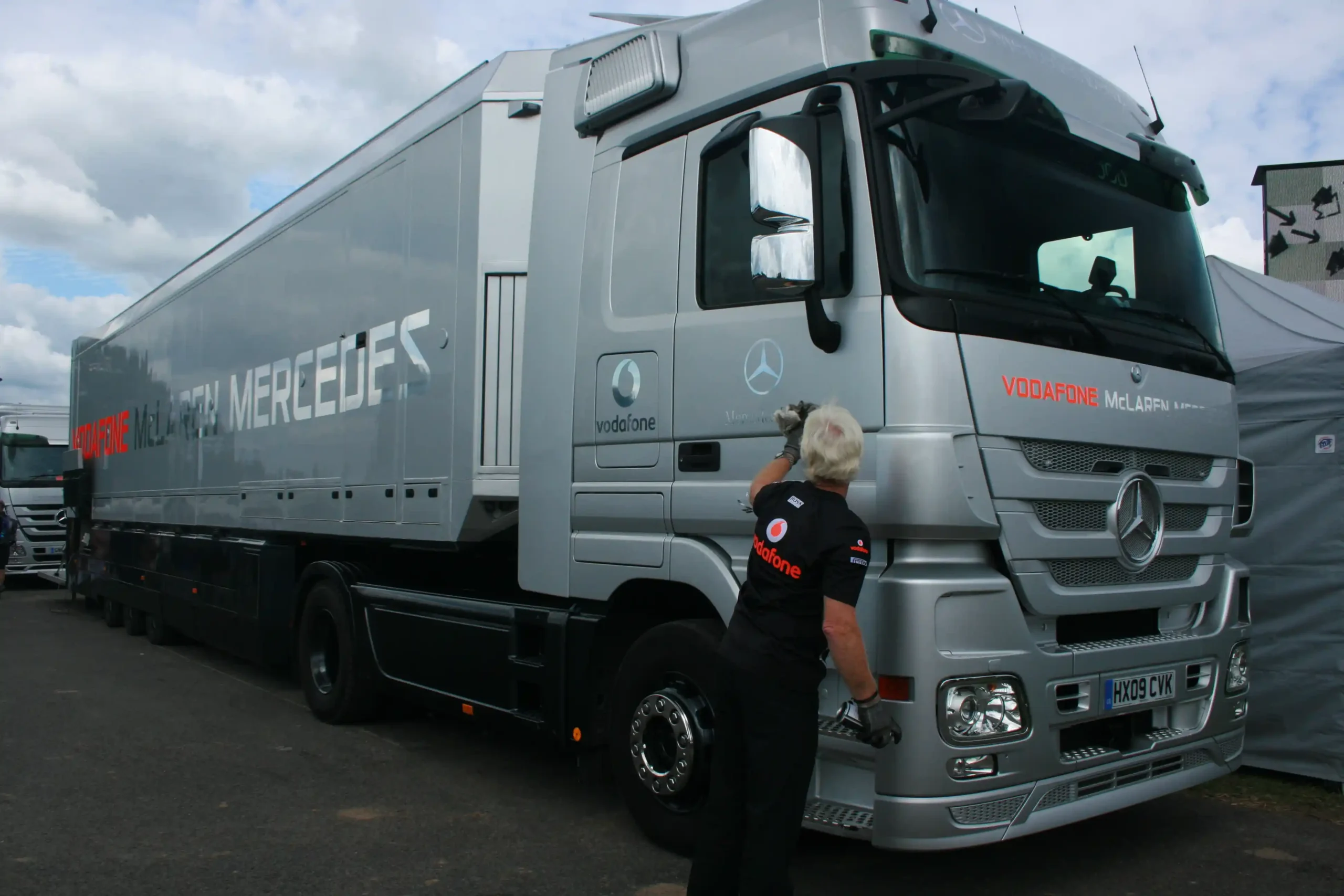
Exact totals remain private, but travel and freight create a major annual bill. Teams move people, cars, spares and equipment through 24 races on several continents.
Formula 1 logistics combine air, sea and road freight. Critical cars and parts move quickly.
Slower equipment travels in duplicate sea-freight sets. Teams position those sets around the calendar.
Multiple Freight Kits Require Investment
Garage panels, tools and hospitality equipment are heavy. Moving one set everywhere would be inefficient.
Therefore, teams own several sets. Each requires storage, maintenance and customs documentation.
Flights and Hotels Add Up
Race crews spend much of the year away. Teams pay flights, hotels and local transportation.
Visa and work-permit costs also apply. Moreover, back-to-back races can raise prices and reduce flexibility.
Urgent Parts Use Premium Freight
A late upgrade may leave the factory after the main shipment. The team can send it by express air.
This protects performance. However, it creates a higher financial and environmental cost.
Race Travel Is Largely Excluded
Important race-travel expenses sit outside the performance cap. Otherwise, geography would consume a large share.
The exclusion prevents a longer calendar from directly destroying car-development capacity.
Review the 2026 Formula 1 schedule to see the travel scale.
8. Race-Weekend Operating Expenses
Teams do not disclose a standard per-race figure. The bill includes trackside staff, garage systems, consumables, local transport, hospitality and damage, while factory costs continue at home.
Dividing the annual budget by 24 gives a misleading result. Most research and manufacturing happen away from the circuit.
However, each Grand Prix still creates direct expenses. The trackside team must operate two cars safely.
Garage Equipment Is Specialized
Teams transport jacks, wheel guns and communications systems. Backup equipment is essential.
A failed tool can cost track time. Therefore, equipment maintenance continues between every event.
Remote Operations Continue at the Factory
Engineers monitor data from headquarters. Strategy groups can also support decisions remotely.
Meanwhile, manufacturing departments prepare future parts. The whole company remains active during the race.
Hospitality Adds Cost and Commercial Value
Teams host sponsors and corporate guests. Catering and guest management require staff.
However, hospitality helps sell partnerships. It can therefore support the wider annual budget.
Pit Stops Require Year-Round Practice
Crews rehearse movements and equipment changes. Training uses wheels, tools and dedicated facilities.
A faster stop can gain track position. Read how racing pit stops work.
9. Crash Damage and Repair Spending
There is no standard amount. The bill depends on whether crashes damage wings, floors, suspension, gearbox, power unit or the survival cell.
A minor contact may require one front wing. A major impact can destroy most external components.
Replacement parts usually count toward capped spending. Therefore, accidents reduce available resources.
Opportunity Cost Is the Biggest Hidden Expense
The factory must rebuild damaged parts. That work can delay the next upgrade.
Consequently, a crash costs more than the broken hardware. It also consumes production capacity.
Street Circuits Increase Financial Risk
Monaco, Baku and Singapore place barriers close to the racing line. Small errors can become expensive.
Teams carry more spares. However, unused spares also consume budget.
Both Cars Share the Same Inventory
A major accident can use parts intended for the teammate. The team may revert both cars to older specifications.
As a result, one crash can affect an entire weekend. It can also change later development plans.
Drivers Normally Do Not Pay the Repair Bill
Racing damage is part of the team’s sporting risk. Contracts can address conduct, but the organization funds repairs.
Read what causes crashes in motorsport.
10. Marketing, Sponsorship and Corporate Overhead
Most marketing and sponsorship-activation expenses are excluded. Teams still pay for content, partner events, communications, hospitality, merchandise and fan engagement.
A sponsor expects more than a logo. The team must provide content, guest access and business programs.
Commercial departments therefore work throughout the year. Their activity helps fund the racing operation.
Content Has Become a Major Product
Teams publish video, photography and social media daily. Drivers also complete partner appearances.
These programs create sponsor value. However, production crews and equipment add annual expense.
Merchandise Needs Design and Distribution
Teams license clothing and collectibles. Online stores require customer service and fulfilment.
Strong brands can generate large sales. Nevertheless, manufacturers and retailers keep part of the revenue.
Legal, Finance and HR Are Essential
These functions support contracts, payroll and regulation. They also prepare annual cost-cap submissions.
Although major categories sit outside the cap, they still create real overhead. Modern compliance needs specialist staff.
Insurance and Cybersecurity Add More
Factories, data and intellectual property require protection. Teams also manage travel and employment risks.
Therefore, the complete annual budget resembles a technology company more than a small race garage.
What Public Accounts Tell Us About Annual F1 Spending
Turnover and profit show the scale of an F1 business. However, they are not direct measures of cost-cap spending or a standardized annual team budget.
Mercedes-Benz Grand Prix filed 2025 accounts in June 2026. Turnover reached £633.4 million.
The company reported £125.9 million of profit. It credited commercial growth and close cost control.
McLaren Racing’s latest available 2024 accounts showed £530.3 million of turnover. Its F1 activity contributed £488.4 million.
McLaren reported £37.5 million of pre-tax profit. However, the group also included Formula E and IndyCar operations.
| Public Example | Latest Reported Period | Turnover | Important Warning |
|---|---|---|---|
| Mercedes-Benz Grand Prix | 2025 | £633.4 million | Turnover is revenue, not yearly spending or Relevant Costs |
| McLaren Racing | 2024 | £530.3 million | Group includes racing activity beyond Formula 1 |
| FIA team cost cap | 2026 | $215 million base | A spending ceiling for defined costs, not company revenue |
Revenue Can Be Higher Than Spending
A profitable team earns more than its accounting costs. Therefore, turnover overstates annual expenditure.
Conversely, a team can invest heavily and report a loss. That does not prove the race program alone cost more.
Capital Spending and Depreciation Differ
A factory project uses cash during construction. Accounting rules then spread asset cost over future years.
Therefore, one year’s profit statement cannot show the complete cash picture.
Public Accounts Still Show Commercial Strength
Modern teams can generate hundreds of millions in revenue. This supports drivers, staff and excluded spending.
It also explains why cost control has increased franchise values. Predictable performance spending makes profit more achievable.
How Teams Fund Their Annual Spending
Teams combine Formula 1 central payments, sponsorship, manufacturer or owner funding, merchandise, hospitality and technical supply income.
Liberty Media reported $1.4 billion of team payments for 2025. The total increased from $1.266 billion in 2024.
Individual allocations remain private. Championship results influence a major share.
Central Payments Reward Performance
Constructors’ Championship position affects distribution. Historic provisions and other agreement terms also matter.
Therefore, finishing higher can improve next year’s financial base. Follow the Formula 1 standings.
Sponsorship Is the Other Major Pillar
Partners buy branding, content and hospitality. Strong teams can secure title partnerships and technical suppliers.
The income supports capped and excluded spending. Revenue itself is not limited by the cost cap.
Manufacturers and Owners Provide Capital
A parent company may fund losses or facilities. Private owners can do the same.
This support matters during a rebuild. Results may take several seasons to improve.
Technical Supply Creates Additional Income
Power-unit and component suppliers charge customers. Engineering businesses can also serve outside industries.
However, related-party transactions need correct valuation. The FIA can review those arrangements.
Why Different Team Models Spend Different Amounts
No. Works teams, customer teams and rebuilding operations have different driver contracts, supply agreements, facilities and commercial programs.
Works Team
A manufacturer-backed operation can support chassis and power-unit development. It may also run worldwide brand campaigns.
The parent company values technology and marketing exposure. Direct team profit is only one objective.
Customer Team
A customer buys power units and may purchase permitted components. This reduces technical scope.
However, supply contracts still cost money. The customer also depends on supplier performance and packaging.
Rebuilding Team
A team with older infrastructure may build a new factory. It can also recruit large numbers of staff.
Consequently, cash needs rise before results improve. The investment may take years to deliver.
Historic Global Brand
A famous constructor can earn more sponsorship and merchandise revenue. It may also operate heritage programs.
Those programs add income and expense. Therefore, historic teams are difficult to compare with smaller independents.
How Annual Spending Changed After 2021
Leading teams could spend far more before 2021 because performance expenditure had no formal ceiling. The cost cap ended that unlimited development race.
Before the financial regulations, wealthy teams could run more projects simultaneously. They could also hire larger technical departments.
If one concept failed, another could continue. Smaller teams could not match that depth.
The Cap Changed the Value of Efficiency
Teams now judge every project against limited resources. Manufacturing waste directly affects later upgrades.
Therefore, process quality has become a competitive advantage. The fastest organization is not always the largest.
Old Infrastructure Still Matters
Teams entered the cap era with different factories. Those assets did not disappear in 2021.
As a result, annual equality does not create immediate performance equality. Legacy investment still matters.
The Cap Improved Financial Predictability
Owners can forecast the core performance program. They no longer face an unlimited spending response from rivals.
This stability supports sponsorship and investment. It also reduces the risk of teams leaving the championship.
Can Teams Make a Profit After Spending So Much?
Some teams are profitable, while others rely on owners or manufacturers. The cost cap improves the possibility of profit but does not guarantee it.
The cap changed how commercial growth affects the business. Extra sponsorship can no longer fund unlimited car development.
Therefore, more revenue can flow to profit or long-term facilities. Public accounts now show that outcome at leading teams.
Success Improves Both Major Revenue Streams
Winning raises central payments. It also strengthens sponsorship negotiations.
However, success can trigger staff and driver bonuses. The net benefit depends on contract structure.
Rebuilding Teams Can Still Lose Money
A new factory requires capital. Recruitment can also raise annual payroll.
Owners may accept losses during this period. They expect performance and valuation to improve later.
Accounting Profit Is Not Cash Flow
Depreciation reduces profit without an immediate cash payment. Capital investment uses cash before depreciation appears.
Consequently, a profitable company can still need funding. Financial health requires more than one headline number.
Team Value Has Become a Strategic Asset
Stable costs and growing revenue have increased investor interest. Existing entries are scarce.
Therefore, owners can benefit from franchise appreciation even when annual profit remains modest.
Common Myths About Annual F1 Team Spending
“Every Team Spends Exactly $215 Million”
False. The number is a base ceiling for defined costs.
Teams can spend below it. They also pay excluded expenses above it.
“Revenue Shows the Annual Budget”
False. Revenue is income.
Company accounts can also include other championships and commercial services.
“Driver Salaries Reduce the Cost Cap”
False. Race-driver retainers are excluded.
However, the team still pays them from real cash.
“A Customer Team Has No Engine Costs”
False. Customer teams pay for a full power-unit supply and support package.
They avoid the manufacturer’s development burden, not the supply bill.
“Crash Damage Is a Small Extra”
False. A major crash can consume spares and delay upgrades.
The lost production opportunity can be more serious than the material cost.
“The Cars Are the Team’s Main Value”
Not necessarily. The workforce, factory and intellectual property have lasting value.
A race car becomes obsolete quickly. The organization continues into the next season.
F1 Annual Spending FAQs
How much does an F1 team spend each year?
An established operation can require roughly $250 million to more than $500 million in annual resources. Exact totals remain private.
Is the $215 million cost cap the total F1 team budget?
No. It covers defined performance spending. Drivers, three senior salaries, travel, marketing and several corporate costs sit outside.
What does an F1 team spend the most money on?
The biggest regulated block is research, technical payroll, aerodynamics, manufacturing, upgrades and spare parts.
Do all F1 teams spend the same amount each year?
No. Teams can spend below the cap, and excluded expenses differ according to drivers, facilities, supply contracts and ownership.
Conclusion: Annual F1 Spending Goes Far Beyond the Cost Cap
So, how much does an F1 team spend each year?
A practical range is roughly $250 million to more than $500 million. However, that range is not an official FIA table.
The 2026 base cost cap is $215 million. It controls defined spending connected to car performance.
Research, aerodynamics and most technical payroll sit inside. Manufacturing, upgrades and spare parts also consume the allowance.
However, the complete company pays far more. Driver retainers remain outside the cap.
The three highest-paid staff members are excluded as well. Marketing, finance, legal and HR add further overhead.
Race travel and worldwide freight create another major bill. Teams support 24 events across several continents.
Factories also operate every day. Wind tunnels, simulators and machine shops require energy and maintenance.
Meanwhile, commercial teams deliver sponsor content and hospitality. Those programs create revenue but also need staff.
Power-unit spending depends on the operating model. Customer teams buy supply and support.
Works groups can fund a separate engine company. Therefore, group motorsport spending can greatly exceed the chassis cap.
Public accounts show the scale. Mercedes-Benz Grand Prix reported £633.4 million of 2025 turnover.
McLaren Racing reported £530.3 million for 2024. Yet turnover is income, not spending.
Those accounts also use different company structures. Direct comparisons must remain cautious.
The cost cap has improved financial stability. It prevents wealthy teams from responding with unlimited development budgets.
As a result, efficiency has become a performance skill. A failed upgrade or large crash now carries a clear opportunity cost.
Staff planning matters more too. Every additional engineer competes with parts, software and manufacturing resources.
Nevertheless, existing infrastructure still creates advantages. The cap did not erase factories built before 2021.
Teams can also spend below the limit. However, doing so can reduce development capacity.
Ultimately, the answer includes much more than two cars. It includes a global technology company and sports business.
That is why how much does an F1 team spend each year remains a range rather than one universal number.
Sources and Fact-Checking
This article was checked against current FIA, Formula 1, Liberty Media and publicly reported company-account information available on July 27, 2026. The total annual range is an analytical estimate because teams do not publish standardized complete budgets.
- FIA 2026 Formula 1 regulations, including Section D financial rules for teams
- Formula 1 official explanation of the $215 million 2026 cost cap and exclusions
- Liberty Media 2025 Form 10-K, including $1.4 billion of Formula 1 team payments
- Mercedes 2025 financial results and McLaren Racing 2024 financial results