How Much Does It Cost to Run an F1 Team?
The $215 million cost cap is only the starting point. Drivers, senior staff, travel, marketing, engines, factories and sponsor programs can push the real annual requirement far higher.
A team operating near the 2026 cost cap likely needs roughly $250 million to $500 million or more in total annual resources. The official $215 million limit covers defined performance spending, while drivers, senior staff, travel, marketing and other costs sit outside it.
The price of running a Formula 1 team cannot be reduced to the cost of two race cars.
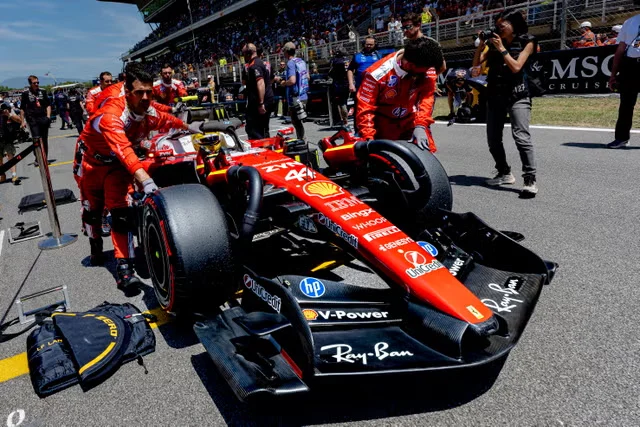
The cars are the visible result. Behind them sits a factory, hundreds of employees and a worldwide logistics operation.
Teams research aerodynamics, write software and manufacture carbon-fiber parts. Meanwhile, commercial departments service sponsors and entertain guests.
The FIA limits much of the performance spending. For 2026, the base team cost cap is $215 million.
However, that is not the full Formula 1 team annual budget. Several major expenses remain outside the cap.
Driver retainers are excluded. So are the salaries of the three highest-paid staff members.
Marketing, legal, finance and human resources also sit outside. Important race-travel expenses are excluded as well.
Therefore, the real cost of running an F1 team rises well beyond $215 million. The exact total depends on ownership and ambition.
A customer team buys its power unit and selected components. A works organization may support a separate engine company.
A rebuilding team can also spend heavily on facilities. Those investments do not always appear in one simple annual number.
Public accounts show the scale. Mercedes-Benz Grand Prix reported £636 million of 2024 revenue.
McLaren Racing reported £530 million. Yet neither figure should be mistaken for a pure two-car F1 operating budget.
This guide separates capped costs from excluded spending. It also explains where the money goes during a 24-race season.
The Practical Answer: $250 Million to $500 Million-Plus
There is no official total-budget figure. However, a team using most of the $215 million cap will usually need tens or hundreds of millions more for excluded expenses, creating a practical annual requirement of roughly $250 million to $500 million or more.
This range is an analytical estimate, not an FIA limit. Private contracts make a precise league table impossible.
The lower end describes a controlled customer operation. The upper end reflects a large team with expensive drivers and commercial activity.
Some corporate accounts can exceed that range. However, they may include engine supply, other championships or related engineering work.
Why the Range Is So Wide
Two teams can spend similar amounts under the cost cap. Yet their excluded bills can differ sharply.
One team may employ a low-cost driver lineup. Another can pay superstar retainers outside the limit.
A customer team buys a power-unit package. Meanwhile, a manufacturer funds a separate engine-development company.
Commercial operations also vary. Historic teams sell more merchandise and host larger sponsor programs.
The Cost Cap Sets the Performance Floor of the Estimate
A serious front-running team wants to use most of its available cap. Leaving money unspent can mean fewer engineers or upgrades.
Therefore, the $215 million base becomes the central performance block. Excluded spending then sits above it.
Not Every Team Must Reach the Cap
The rules allow lower spending. A smaller operation may remain beneath the maximum.
However, saving money can reduce development capacity. Efficiency helps, but Formula 1 still rewards resources.
| Operating Block | 2026 Treatment | Effect on Total Team Cost |
|---|---|---|
| Car performance program | Controlled by the $215 million base cap | Largest regulated block |
| Drivers and top three staff | Excluded | Can add modest or very large costs |
| Travel and logistics | Important categories excluded | Large burden across 24 global races |
| Marketing and hospitality | Generally excluded | Varies with sponsor portfolio and fan activity |
| Legal, finance and HR | Generally excluded | Essential corporate overhead |
| Total annual operation | No official overall ceiling | Commonly far above $215 million |
The correct answer is not “$215 million.” That figure controls performance spending. Running the entire company requires substantially more cash.
What Public F1 Team Accounts Reveal
Most teams do not publish a clean annual F1 budget. British companies file accounts, but those statements can include different subsidiaries, championships and commercial activities.
Public accounts provide valuable scale. However, they do not provide a perfect team-to-team comparison.
Mercedes-Benz Grand Prix filed 2024 revenue of £636 million. Reported profit reached £120.3 million.
McLaren Racing filed £530 million in revenue. Its reported pre-tax profit was £37.5 million.
Those businesses were profitable. Yet their income also reflects sponsorship and prize money.
McLaren Racing also operates beyond Formula 1. Therefore, its group statement is not a pure F1 expense sheet.
| Public Company Example | 2024 Revenue | Reported Result | Why It Is Not a Direct Budget |
|---|---|---|---|
| Mercedes-Benz Grand Prix | £636 million | £120.3 million profit | Company income and structure extend beyond capped car spending |
| McLaren Racing | £530 million | £37.5 million pre-tax profit | Group includes broader racing and commercial activities |
| FIA team cost cap | Not revenue | $215 million base | Regulatory measure covering defined Relevant Costs only |
Revenue Is Not Spending
A team can earn more than it spends. Therefore, turnover cannot be used as an operating-cost figure.
Likewise, a loss does not show the annual racing bill by itself. Capital investment and depreciation can change the result.
Accounting Groups Differ
One filing may cover only the chassis team. Another can include other championships or technical services.
Engine companies may file separately. Ownership structures can also move income between related entities.
Public Accounts Still Prove the Scale
The figures show that top F1 organizations are major businesses. Their annual activity can reach hundreds of millions.
Read what Formula 1 is and review the 2026 team list.
Why the $215 Million Cost Cap Is Not the Total Budget
No. The 2026 base cap controls defined costs related to car performance. Driver retainers, three senior salaries, marketing, travel and several corporate functions remain outside.
The cap uses the term Relevant Costs. Those costs broadly cover research, design, manufacturing and race-car operation.
However, Formula 1 teams also perform many non-performance tasks. The regulations exclude several of them.
What Usually Counts
Most technical payroll counts. Aerodynamic development, simulation and manufacturing also count.
New parts, spares and crash repairs consume capped resources. Factory depreciation now has a larger role in 2026.
What Usually Sits Outside
Race-driver pay is excluded. So are the three highest-paid employees.
Marketing, sponsor activation, finance and legal work are excluded in major categories. Human resources also sits outside.
Race travel receives important exclusions. Heritage activities and several staff-welfare costs also sit outside.
Why the Cap Increased in 2026
The old headline base was $135 million. The 2026 base increased to $215 million.
However, the accounting scope also widened. Depreciation and more shared staffing now enter the main calculation.
Therefore, the $80 million headline increase is not a free upgrade allowance. Teams must cover more categories inside it.
The Team Can Still Spend Below the Limit
The cap is a maximum, not a required target. Smaller teams can operate under it.
Nevertheless, the competitive pressure remains strong. Unused capacity can mean slower development.
1. Car Research and Development
F1 teams do not disclose a standard development figure. Research, aerodynamics, simulation, technical salaries and manufacturing together form the largest controlled part of the $215 million cap.
Development begins long before the first race. Teams create the concept, layout and aerodynamic philosophy.
Hundreds of decisions follow. Engineers balance cooling, weight, suspension and airflow.
Aerodynamics Consumes People and Equipment
Wind-tunnel testing requires models, sensors and technicians. CFD requires software and computing power.
The sporting rules also restrict aerodynamic testing. Therefore, teams cannot simply buy unlimited tunnel hours.
Read what downforce means and how wing angle affects grip.
Simulation Reduces Expensive Mistakes
Driver-in-the-loop simulators help evaluate setups and upgrades. Vehicle models predict how the car will react.
Strong simulation improves first-time success. That matters because failed parts still consume cap space.
See how racing simulators developed.
Upgrades Create a Season-Long Bill
The launch car is only the beginning. Teams update floors, wings and cooling packages throughout the season.
Each package requires design, testing and production. Several copies must then be manufactured for both cars.
Development Has Opportunity Cost
A failed floor costs more than material. It consumes engineering time that cannot be recovered.
Consequently, teams judge upgrades by expected lap-time return. A clever small part can beat an expensive redesign.
2. Staff Salaries and Benefits
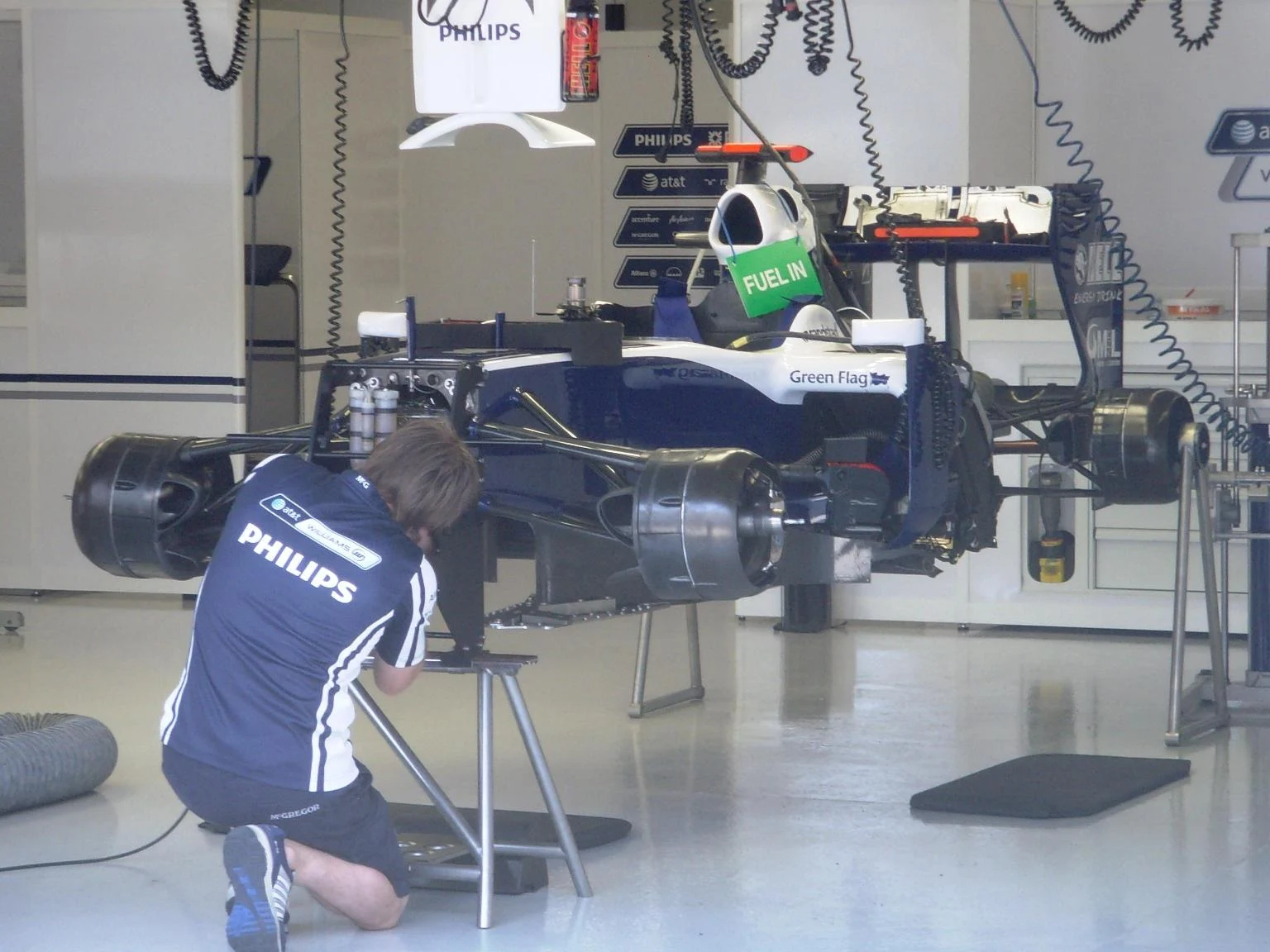
Teams keep payroll private, but staff costs form one of the largest expense blocks. Most technical employees count under the cost cap, while the three highest-paid staff salaries are excluded.
An F1 team needs far more than race mechanics. Its workforce can include hundreds or more than one thousand people.
Designers, aerodynamicists and software engineers support the car. Manufacturing technicians turn drawings into parts.
Strategists and performance engineers analyze data. Commercial staff service partners and fans.
Technical Payroll Competes With Parts
Most engineering salaries sit inside the cap. Therefore, a larger workforce leaves less money for manufacturing.
Teams must decide whether one specialist creates more value than another upgrade. That choice shapes the organization.
The Three Highest Salaries Are Excluded
Senior leaders often occupy these positions. Their pay does not directly consume the performance limit.
However, the team still needs real revenue to pay them. Exclusion does not mean free.
Learn what an F1 team principal does, what a technical director controls and how a sporting director manages operations.
Benefits and Bonuses Matter
Teams pay pensions, insurance and performance bonuses. Championships can trigger large staff rewards.
Recruitment also costs money. Relocation and retention packages are important in the competitive British motorsport market.
Headcount Is Not the Only Measure
A smaller expert team can outperform a larger one. Yet understaffing can slow design and production.
Therefore, efficiency matters more than raw employee count. The cap forces every role to justify itself.
3. Driver Salaries, Bonuses and Support
No. Race-driver retainers sit outside the team cap. Performance bonuses, image-rights arrangements and support staff can also add to the real annual cost.
Driver costs create one of the largest differences between teams. A rookie pairing costs far less than two established champions.
Exact contracts remain private. Public estimates should not be treated as audited payroll.
The Retainer Is Only the Start
A driver contract can include win and championship bonuses. Signing payments may also apply.
Image rights and sponsor appearances need legal agreements. Those contracts can affect the commercial budget.
Support Staff Add More
Drivers work with trainers, physiotherapists and management teams. Some expenses are paid directly by the team.
Reserve and simulator drivers also receive compensation. Junior academies create another long-term bill.
An Expensive Driver Can Still Make Business Sense
A star can attract sponsors and sell merchandise. Strong results also improve central payments.
Therefore, salary should not be viewed only as cost. The driver can create revenue and performance.
Read how much Formula 1 drivers make.
4. Power Units, Gearboxes and Customer Components
Current customer contracts are private. A power-unit package includes engines, hybrid systems, engineers, software and trackside support, while manufacturers operate under a separate financial cap.
A customer team does not simply buy one engine. It buys a season-long technical service.
The package includes several power units within sporting limits. Engineers attend races and support integration.
Customer Teams Trade Cost for Control
Buying a power unit avoids building a separate engine company. That can save enormous development expense.
However, the customer must design around the supplier’s architecture. It also depends on the supplier’s performance.
Works Programs Have Separate Costs
A manufacturer funds dynos, combustion research and electrical development. The 2026 power-unit rules use their own financial cap.
That engine-company spending is not a simple line inside the chassis-team cap. Corporate groups can therefore support two major regulated operations.
Gearboxes and Suspension Can Be Bought
Teams may purchase permitted components under FIA rules. That reduces factory requirements.
The supplier earns revenue and spreads development cost. The customer focuses resources on its own chassis.
Reliability Can Be Expensive
An engine failure can damage other systems. It can also require urgent replacement and investigation.
Power-unit penalties hurt sporting results. Therefore, manufacturers spend heavily to protect reliability.
5. Factories, Wind Tunnels and Simulators
Teams rarely disclose a single factory figure. A modern campus can require major capital investment, while annual costs include energy, maintenance, IT, security, equipment and depreciation.
The factory runs throughout the year. Race weekends do not stop design and manufacturing work.
A headquarters can contain design offices, machine shops and composite departments. It may also house a wind tunnel and simulator.
Energy Use Is Significant
Autoclaves cure carbon-fiber components under heat and pressure. Machine tools and computing systems also consume power.
Therefore, energy-price changes affect team finances. Sustainability projects can reduce long-term costs.
Equipment Requires Maintenance
CNC machines need servicing and calibration. Wind tunnels require precise measurement systems.
When a machine fails, production can stop. Teams therefore carry maintenance teams and spare capacity.
Depreciation Matters More in 2026
The revised financial framework brings annual depreciation into the main cap more directly. Facility decisions now affect future Relevant Costs.
A new wind tunnel may improve performance. However, its accounting cost can influence several later seasons.
Facilities Can Create Lasting Advantage
The cost cap controls annual spending. It does not erase an efficient factory built earlier.
Consequently, infrastructure remains valuable. Modern facilities help teams produce better parts with fewer wasted resources.
6. Manufacturing, Spares and Inventory
F1 parts use specialist materials, tight tolerances and low-volume production. Teams also need several specifications and enough spares to support two cars across a global season.
A Formula 1 car is not produced on a conventional assembly line. Many components are made in tiny quantities.
Carbon fiber requires molds, cutting and curing. Metal components require advanced machining and inspection.
Two Cars Need More Than Two Sets
Each driver needs a complete car. The team also carries wings, floors and suspension spares.
Different circuits may require different cooling or aerodynamic packages. Inventory can grow quickly.
Unused Parts Still Cost Money
A specification can become obsolete after an upgrade. The old parts may never race again.
Nevertheless, the design and manufacturing cost has already been spent. Strong planning reduces this waste.
Urgent Production Raises the Burden
A damaged part may need overnight replacement. Staff must change schedules and prioritize the race team.
That urgent work can delay future upgrades. Therefore, production capacity has strategic value.
Quality Control Is Essential
A failed component can end a race or cause an accident. Teams inspect materials and finished parts carefully.
This testing costs money. However, failure costs much more.
7. Freight, Travel and Global Logistics
Exact totals are private, but global logistics cost tens of millions across a season. Teams move cars, spares, tools and people between 24 races, while many travel expenses sit outside the performance cap.
Formula 1 operates on several continents. Teams move from Europe to Asia, the Middle East and the Americas.
Cars and critical parts travel by air. Slower equipment can move in duplicate sea-freight sets.
Teams Build Several Logistics Kits
Garage panels, tools and hospitality equipment are heavy. Moving the same set every week would be inefficient.
Therefore, teams use multiple sets around the world. Each set requires investment and storage.
Back-to-Back Races Increase Complexity
Equipment can leave the circuit hours after the finish. Customs documents must already be prepared.
A delay can threaten the next event. Logistics staff therefore plan routes months in advance.
Hundreds of Flights and Hotel Nights Add Up
Not every employee travels. However, race engineers, mechanics and operational staff attend each event.
Flights, hotels, visas and ground transport create a major annual bill. A longer calendar raises the burden.
Urgent Parts Travel Separately
A late upgrade may leave the factory after the main freight. Teams can send critical components by express air.
That option protects performance. Yet it increases cost and carbon impact.
8. What a Grand Prix Weekend Costs the Team
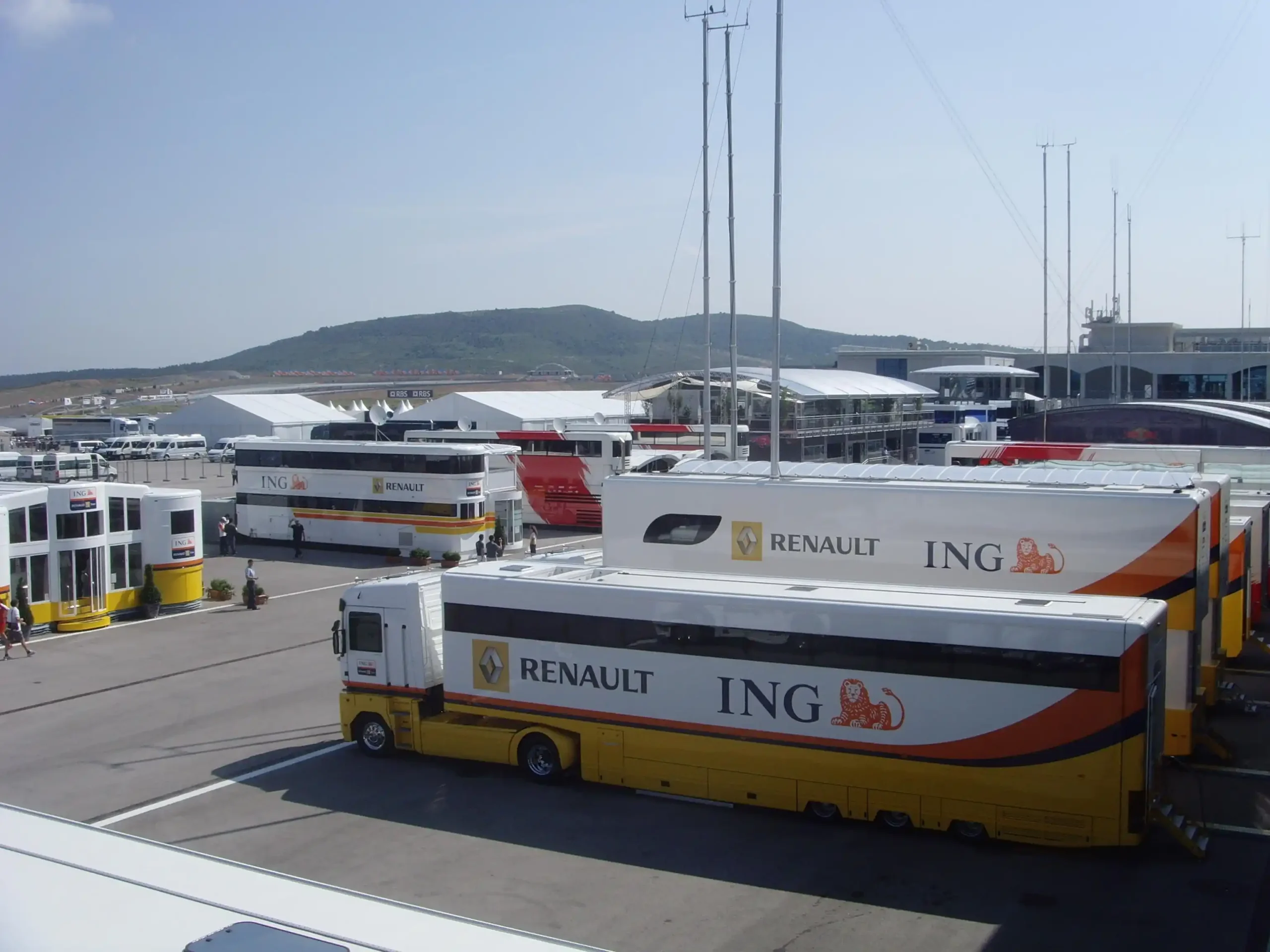
Teams do not publish a standard per-race figure. The cost includes travel, freight, staff, garage equipment, consumables, hospitality and damage, while many factory costs continue regardless of whether a race is held.
Dividing the annual budget by 24 gives a misleading answer. Much of the spending happens at the factory.
The car was designed months earlier. Staff salaries and facility costs continue between events.
The Trackside Team Is Only Part of the Workforce
Mechanics and engineers operate the cars. Meanwhile, factory staff support them through live data rooms.
Strategy groups can work remotely. Manufacturing departments prepare the next upgrade during the race.
Garage Equipment Is Specialized
Wheel guns, jacks and fuel systems require maintenance. Radio and data equipment must work reliably.
Teams also transport spare tools. A simple equipment failure can cost track time.
Hospitality Creates Cost and Revenue
Sponsors and guests attend race weekends. Teams provide food, hosting and controlled access.
Hospitality can support sponsorship revenue. However, delivering the program requires staff and infrastructure.
Pit Stops Require Constant Practice
Teams train pit crews throughout the year. Practice equipment, wheels and staffing create costs.
Yet a fast stop can win track position. Read how racing pit stops work.
Calendar Size Changes the Bill
A 24-race season means more travel and wear. It also gives sponsors more exposure.
Review the 2026 Formula 1 schedule for the global scale.
9. Crash Damage and Emergency Repairs
There is no fixed price. The cost depends on whether the crash damages wings, floor, suspension, gearbox, power unit or the survival cell, and most replacement parts consume capped resources.
A light contact may damage one front wing. A major accident can destroy most external components.
The survival cell may remain intact. However, the team still needs a complete rebuild around it.
The Financial Cost Is Only Part of the Damage
Replacement parts use materials and labor. They also occupy machines needed for upgrades.
Therefore, a crash can delay development. The opportunity cost may exceed the invoice.
Street Circuits Increase Risk
Monaco, Baku and Singapore place barriers close to the racing line. Small errors can become large repair jobs.
Teams carry extra critical spares. Yet unused inventory also costs money.
Both Cars Share the Same Parts Pool
A major accident can consume spares intended for the teammate. The team may need to revert both cars.
Consequently, one crash can influence the entire weekend. It can also alter later upgrade plans.
Drivers Usually Do Not Pay the Bill
Teams normally carry the racing risk. Contractual discipline matters, but damage is part of competition.
Read what causes motorsport crashes.
10. Marketing, Sponsorship and Hospitality
Most marketing and sponsorship-activation costs are excluded. Teams still spend heavily on content, partner events, hospitality, merchandise, communications and fan engagement.
A Formula 1 team must sell its commercial platform. Sponsors expect more than a logo on the car.
They receive content, guest access and employee programs. Teams need staff to deliver those rights.
Content Production Is a Daily Operation
Social channels operate throughout the week. Video crews follow drivers and factory activity.
This content supports sponsors and fans. It also increases the value of future partnerships.
Hospitality Requires Premium Delivery
Corporate guests expect food, service and access. Teams organize paddock programs at many races.
The expense can be large. However, hospitality helps justify sponsorship fees.
Merchandise Has Operating Costs
Teams design products and manage licensees. Online stores require fulfillment and customer service.
Historic brands can sell larger volumes. Yet retailers and manufacturers also take shares of revenue.
Show Cars and Events Extend the Season
Teams send display cars to sponsor events. Demonstration runs require transport and technical support.
These programs create commercial value. They also add costs outside the race-car development limit.
11. Legal, Finance and Cost-Cap Compliance
Teams do not publish a separate standard figure. However, they need finance, legal, audit and technical-accounting staff to classify costs, value related-party services and prepare FIA submissions.
The financial regulations created a new competition behind the competition. Every technical decision also needs correct accounting.
Finance teams track payroll, inventory and shared services. Legal teams review contracts and regulatory interpretations.
External Auditors Add Cost
Teams use independent accounting support. They must provide evidence for the annual submission.
The FIA Cost Cap Administration can request more information. A weak system can create a procedural breach.
Related-Party Transactions Need Fair Value
Manufacturers often share facilities or services with other companies. The team cannot receive hidden discounts.
Therefore, specialists test transfer pricing. They must show that the value reflects reality.
Insurance and Governance Continue Outside the Garage
Teams insure property, staff and commercial risks. Boards also require governance and reporting.
Cybersecurity has become another major need. Formula 1 data and designs carry enormous value.
Compliance Protects Sporting Results
A financial breach can bring fines or development restrictions. Severe cases can affect championship points.
Therefore, accounting accuracy creates competitive value. The finance department protects the car as surely as quality control.
See how an F1 race engineer fits inside the wider technical structure.
Works Teams, Customer Teams and Rebuilding Teams
No. Works teams, customer teams and rebuilding organizations have different expenses. Ownership structure, facilities, driver contracts and technical supply agreements change the total.
Every constructor fields two cars. However, the organizations behind them are not identical.
Works Team
A manufacturer-backed team can support engine development and chassis design. It may also spend heavily on global marketing.
The parent company can value technology and brand exposure. Direct team profit is only one return.
Customer Team
A customer buys a power unit and may purchase permitted components. That reduces engineering scope.
However, supply contracts still cost money. The team also sacrifices some control over architecture.
Rebuilding Team
A constructor with old facilities may invest heavily outside normal racing cycles. New buildings and equipment can raise cash needs.
Those investments aim to improve future efficiency. Yet the financial return can take years.
Historic Team
A famous brand can earn more from sponsors and merchandise. It may also operate heritage cars and museums.
Those activities create revenue and costs. They complicate direct comparisons with newer teams.
Lower-Cost Structure
- Customer power unit
- Purchased permitted components
- Smaller commercial program
- Lower driver payroll
- Fewer owned facilities
Higher-Cost Structure
- Major factory campus
- Star driver contracts
- Large sponsor and hospitality operation
- Extensive heritage and content programs
- Separate power-unit activity
How F1 Teams Pay the Bills
Teams combine Formula 1 central payments, sponsorship, manufacturer or owner support, merchandise, hospitality and technical supply income.
The central Formula 1 business distributes major payments to teams. Liberty Media reported $1.4 billion for 2025.
Individual allocations remain private. Constructors’ Championship performance affects an important share.
Sponsorship Supports Both Capped and Excluded Costs
Partners pay for car branding, content and access. The income can support the complete operation.
A sponsor dollar is not restricted. However, the team cannot spend unlimited amounts on performance.
Manufacturers and Owners Fill Gaps
A parent company may fund losses or capital projects. Private owners can also inject cash.
This support becomes especially important during a rebuild. New facilities require money before results improve.
Technical Supply Creates Revenue
Engine and component suppliers charge customer teams. Engineering divisions can also serve other industries.
This income helps spread fixed costs. Yet shared activity must be accounted for correctly.
Results Improve the Business
Higher championship positions improve central payments. Winning also strengthens sponsor renewals.
Follow the Formula 1 standings to see the table with financial consequences.
Are F1 Teams Profitable?
Yes. Public 2024 accounts showed profits at Mercedes-Benz Grand Prix and McLaren Racing. However, other teams can lose money while rebuilding or depend on manufacturer and owner support.
The cost cap changed the financial equation. Before 2021, new revenue could disappear into more car development.
Now, performance spending has a ceiling. Extra sponsorship can support profit or long-term investment.
Mercedes Shows the Upside
Mercedes-Benz Grand Prix reported £120.3 million of profit on £636 million of revenue in 2024. Sponsorship and licensing formed a major share.
However, its structure is not a universal template. Brand power and technical supply relationships matter.
McLaren Shows the Turnaround Potential
McLaren Racing reported £37.5 million of pre-tax profit on £530 million of revenue. Championship success strengthened prize and sponsor income.
Yet the group also includes activities beyond its F1 team. Direct comparisons require caution.
Losses Can Be Strategic
A team may invest in facilities while accepting short-term losses. Owners hope that results and valuation improve later.
Therefore, one annual result cannot judge the full strategy. Capital investment can depress profit while strengthening the future.
Cash and Accounting Profit Differ
Depreciation reduces accounting profit without an immediate cash payment. Capital spending uses cash before annual depreciation appears.
Consequently, a profitable team can still need investment. A loss-making team can also own valuable assets.
How Much Does It Cost to Start a New F1 Team?
A new team needs far more than one season’s operating budget. It must fund recruitment, facilities, design, manufacturing, power-unit supply, entry requirements and working capital before receiving full commercial income.
Starting from zero is more expensive than running an established organization. The new team must create systems before it can race.
Facilities Come First
A new constructor needs design and manufacturing capacity. It can rent some services, but it still needs a headquarters.
Computing, simulation and production equipment require major capital. Lead times can run for years.
Recruitment Requires Premiums
Experienced F1 staff are scarce. A new team must persuade them to leave established employers.
Relocation and signing costs can be significant. Notice periods also delay the build.
The First Car Is a Complete Program
The team must design two race cars and enough spares. It cannot rely on last year’s parts.
Crash testing and homologation add fixed deadlines. Failure can delay the entire entry.
Commercial Income Arrives Slowly
New sponsors need confidence in the project. Central payments may also follow championship arrangements and entry terms.
Therefore, owners must provide substantial working capital. The first years can consume cash before the business stabilizes.
Buying an Existing Team Avoids Some Startup Risk
An acquisition provides an entry, staff and facilities. However, modern valuations can reach billions.
The buyer then inherits the existing culture and infrastructure. Rebuilding can still require further investment.
Common Myths About F1 Team Costs
“An F1 Team Costs Exactly $215 Million”
False. That is the 2026 base cap for defined performance spending.
The total company budget includes many excluded expenses.
“The Two Cars Are the Biggest Assets”
Not always. The factory, intellectual property and workforce create much of the value.
The physical cars become obsolete quickly.
“Driver Salaries Reduce the Cost-Cap Budget”
False. Race-driver retainers are excluded.
However, the team must still fund them from real income.
“A Crash Only Costs the Price of the Broken Parts”
False. Emergency production can delay upgrades and consume factory capacity.
The opportunity cost can be larger than the materials.
“Every Team Spends the Maximum”
False. The cap sets a ceiling.
Some teams can remain below it because of revenue or resource limits.
“Public Revenue Equals the F1 Budget”
False. Revenue measures income, not spending.
Group accounts may also include broader racing or engineering operations.
F1 Team Cost FAQs
How much does it cost to run an F1 team?
A team operating near the 2026 cap likely needs roughly $250 million to $500 million or more in total annual resources. Exact totals remain private.
Is the $215 million cost cap the total team budget?
No. It covers defined performance spending. Drivers, three senior salaries, marketing, travel and several corporate costs sit outside.
What is the biggest expense for an F1 team?
The performance program is the largest controlled block. It includes research, technical payroll, manufacturing, upgrades and spares.
Are Formula 1 teams profitable?
Some are profitable, while others rely on owners or manufacturers. Public company structures differ, so reported results are not directly comparable.
Conclusion: Running an F1 Team Costs Far More Than the Budget Cap
So, how much does it cost to run an F1 team?
The clearest practical answer is roughly $250 million to $500 million or more per year. However, no official total exists.
The FIA controls defined performance spending. Its 2026 base cap is $215 million.
That block covers car research, design and manufacturing. Most technical payroll also sits inside.
Upgrades, spare parts and crash repairs consume the same limited resource. A failed project can therefore hurt future development.
However, the cost cap does not cover the complete organization. Driver retainers remain excluded.
The three highest-paid staff members are also outside. Marketing, legal, finance and HR add more expense.
Race travel and worldwide logistics create another major bill. Teams move cars, tools and people across 24 events.
Factories run throughout the year. Wind tunnels, simulators, machine shops and servers require energy and maintenance.
Meanwhile, commercial teams create content and service sponsors. Hospitality can support revenue, but it must be delivered.
Power-unit costs depend on the team model. Customer teams buy a technical package.
Works groups can fund separate engine-development operations. Those manufacturers follow another financial framework.
Public accounts show the corporate scale. Mercedes-Benz Grand Prix reported £636 million of 2024 revenue.
McLaren Racing reported £530 million. However, revenue is not the same as annual spending.
Those company statements can also include activities beyond the capped F1 program. Direct comparisons need care.
The cost cap has improved financial sustainability. Extra sponsorship no longer needs to disappear into an unlimited spending war.
As a result, successful teams can report profits. Others may still lose money while rebuilding facilities.
Crash damage remains a genuine financial threat. Replacement parts take money and production time from upgrades.
Staffing decisions also matter more than before. Every technical role competes with parts and development.
Therefore, the richest team does not automatically produce the fastest car. It must use its controlled resources efficiently.
Starting a new team costs even more. Owners must fund facilities, recruitment and design before the first race.
Buying an existing constructor avoids some startup risk. Yet current team valuations make acquisition extremely expensive.
Ultimately, the cars are only the visible part of the budget. The true cost sits in people, infrastructure and global operations.
That is why modern Formula 1 teams are engineering companies, sports franchises and media businesses at the same time.
Sources and Fact-Checking
This article was checked against FIA, Formula 1, Liberty Media and publicly reported 2024 team accounts available on July 27, 2026. The $250 million to $500 million-plus total is an analytical operating range because teams do not publish standardized complete budgets.