What Is ECU? Engine Control Unit Explained
ECU stands for Electronic Control Unit. In most car and engine discussions, ECU means Engine Control Unit, the vehicle computer that reads sensor data and controls fuel injection, ignition timing, air-fuel ratio, throttle response, diagnostics and engine protection.
An ECU is the quiet decision-maker inside a modern car. The driver presses the pedal, but the ECU decides how the engine should respond.

What Is ECU is a simple question with a very modern answer. A car ECU is a computer that controls or monitors vehicle systems.
In everyday car talk, ECU usually means the Engine Control Unit. However, a modern vehicle can have many electronic control units for brakes, transmission, airbags and body systems.
Bosch describes the engine control unit as the central controller of engine management. It controls fuel supply, air management, fuel injection and ignition.
This topic connects directly with how car engines work, horsepower, torque, and engine redline.
What Does ECU Stand For?
ECU stands for Electronic Control Unit. When people say engine ECU, they mean Engine Control Unit.
The engine ECU is part of the engine management system. It reads data, runs control software, and sends commands to engine components.
Therefore, the ECU is not just a box with wires. It is the logic layer between driver demand, engine hardware and emissions requirements.
Race analyst view: A good ECU calibration does not just chase power. It protects the engine, manages torque and keeps the car predictable.
What Does An ECU Do?
An ECU controls engine functions that once needed mechanical systems. It decides fuel amount, ignition timing, idle speed, throttle behavior and engine protection.
It also monitors faults. If sensor data looks wrong or emissions-related systems fail, the ECU can store a trouble code and trigger a warning light.
EPA explains that OBD systems are designed to alert drivers when emissions control systems deteriorate or fail. In addition, they help technicians diagnose faults faster.
| ECU Function | What It Controls | Driver Effect |
|---|---|---|
| Fuel injection | Injector timing and fuel quantity | Power, economy and emissions |
| Ignition timing | Spark timing in petrol engines | Response, efficiency and knock control |
| Air and throttle | Airflow, idle speed and pedal response | Smoothness and drivability |
| Diagnostics | Fault codes and warning strategies | Check engine light and service data |
How Does An ECU Work?
An ECU works in a loop. First, sensors measure what the engine and driver are doing.
Next, the ECU compares those signals with maps inside its software. Then it commands actuators such as injectors, coils, throttle motors or boost solenoids.
For example, the ECU may see low air temperature, high throttle demand and rising boost pressure. Consequently, it adjusts fuel, spark and torque limits in milliseconds.
This connects with engine knock, engine displacement, turbochargers and superchargers, and turbo vs naturally aspirated engines.
What Sensors Does An ECU Use?
The ECU uses many sensors. Common examples include oxygen sensors, crankshaft position sensors, camshaft position sensors, knock sensors and throttle position sensors.
It may also read coolant temperature, intake air temperature, manifold pressure, mass airflow and vehicle speed. Moreover, modern cars share data across networks.
Those inputs help the ECU calculate engine load. As a result, it can deliver the requested torque while protecting hardware and meeting emissions rules.

What Is The ECU In Formula 1?
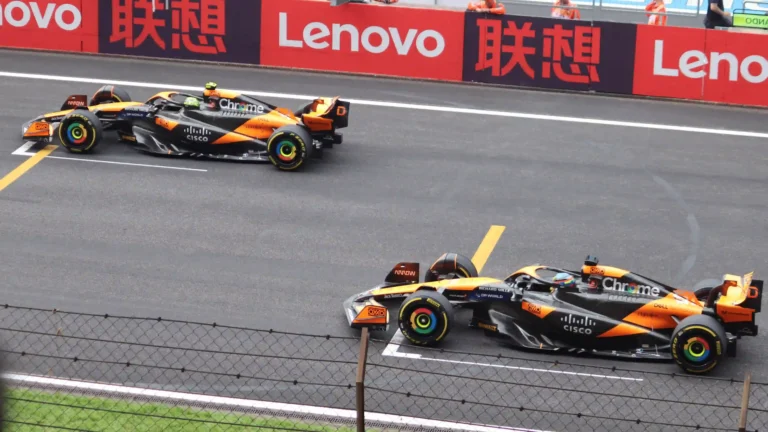
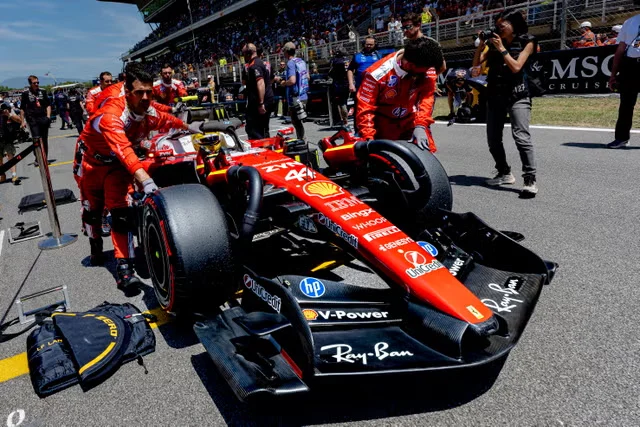
Formula 1 uses a Standard Electronic Control Unit, often called the SECU. It is not a normal road-car ECU.
The FIA tender for the 2026 SECU says ECU means Electronic Control Unit and SECU means FIA F1 Standard ECU. It also says the system supports safe, reliable and regulation-compliant running.
The F1 SECU controls or supports major systems. These include the hybrid power unit, gearbox, clutch, differential, brake system, adjustable bodywork and tyre monitoring system.
Motion Applied says it was selected by the FIA as sole SECU supplier for the 2026, 2027, 2028, 2029 and 2030 Formula 1 seasons.
For F1 electronics context, read about the Energy Store, ERS in F1, DRS, and the FIA.
What Is ECU Tuning Or Remapping?
ECU tuning means changing the software calibration inside the ECU. A tuner may adjust fuel, ignition, boost, torque limits and throttle maps.
Done well, tuning can improve response and power. However, poor tuning can increase heat, knock, emissions problems and component stress.
Therefore, ECU remapping is not just “more horsepower.” It is a change to how the engine is managed.
This topic connects with automatic vs manual performance, dual-clutch gearboxes, clutches, and car handling.
What Happens If An ECU Fails?
A bad ECU can create hard starting, rough running, poor throttle response, misfires, warning lights or no-start conditions.
However, many “bad ECU” symptoms come from sensors, wiring, grounds or connectors. Therefore, diagnosis matters before replacing an expensive module.
Technicians usually read fault codes, inspect power and ground circuits, and test sensor signals before blaming the ECU itself.
Final Verdict
The ECU is the computer brain of modern engine control. It reads sensors, runs software and commands engine hardware.
In road cars, it manages fuel, spark, air, emissions and diagnostics. In Formula 1, the FIA Standard ECU also supports fairness, safety and rule compliance.
For beginners, the answer is simple. The ECU is the car’s engine computer. For serious drivers, it is the place where software, sensors, power and reliability meet.
FAQs About ECU
What is ECU?
ECU stands for Electronic Control Unit. In engine use, it usually means Engine Control Unit.
What does an ECU do?
It reads sensors and controls engine functions such as fuel injection, ignition timing and throttle response.
What is the difference between ECU and ECM?
ECU is a general control unit term. ECM usually means Engine Control Module.
What is the difference between ECU and PCM?
A PCM, or Powertrain Control Module, may control both engine and transmission functions.
Can you drive with a faulty ECU?
Sometimes yes, but it can cause poor running, warning lights, limp mode or a no-start condition.
Is ECU tuning safe?
It can be safe when done conservatively. However, poor tuning can damage the engine or emissions systems.