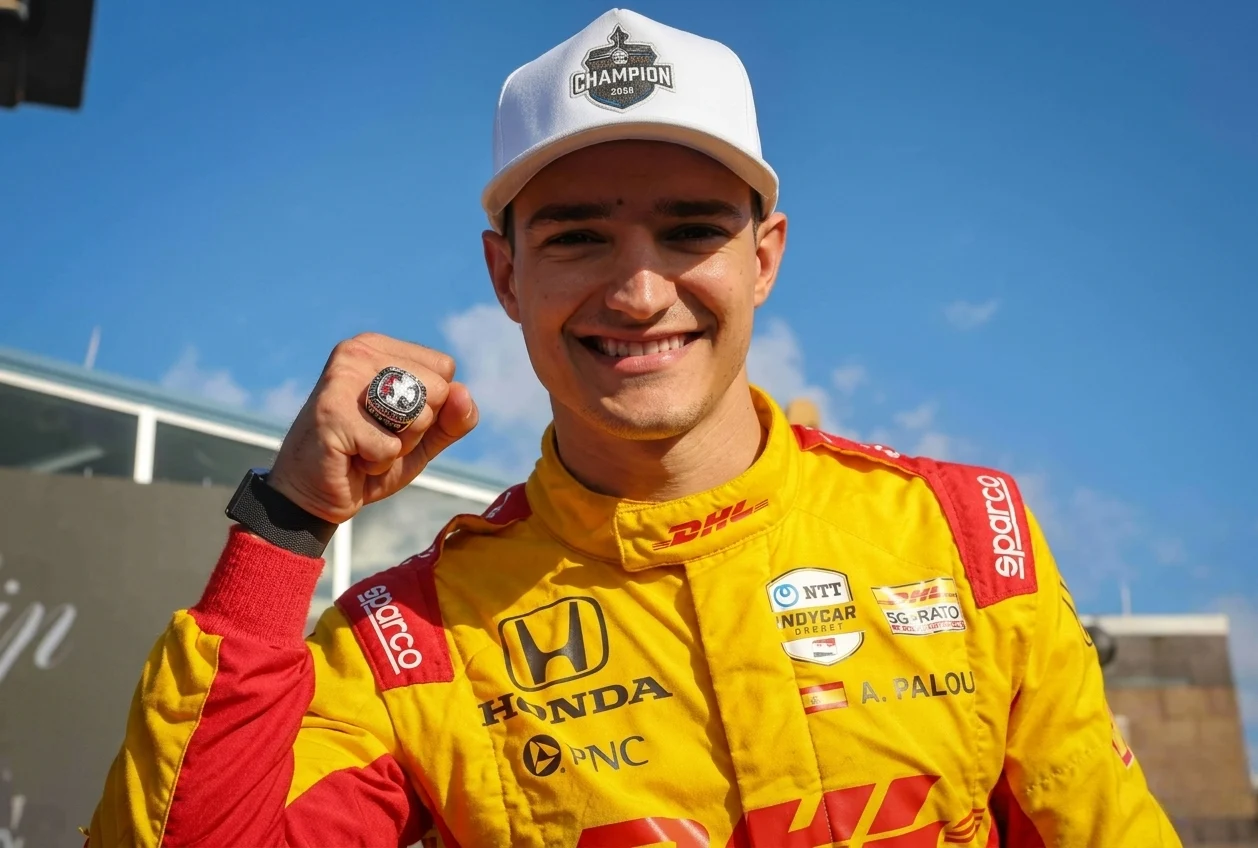
Palou Tops Opening Day of
Indy 500 Practice at 226.937 mph
The three-time IndyCar champion led the entire field on the first official practice day for the 110th Indianapolis 500 — here are the full results, lap times, driver analysis and what it all means for qualifying.
Palou Tops Opening Day
of Indy 500 Practice
226.937 mph — Ganassi’s No. 10 Honda leads the full field on day one at IMS.
Alex Palou topped the opening day of Indy 500 practice on Wednesday, May 13, 2026, posting a fastest lap of 226.937 mph in the No. 10 DHL Chip Ganassi Racing Honda to lead the entire 33-car field. The three-time IndyCar Series champion arrived at Indianapolis Motor Speedway in imperious form, and his opening day benchmark immediately made him the name everyone else in the paddock is measuring themselves against as the Month of May gets under way.
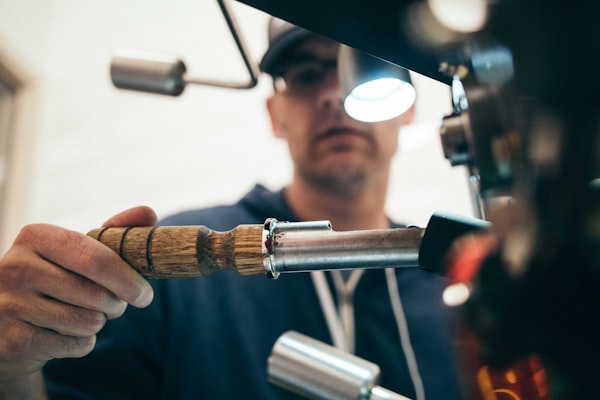
Conditions at the 2.5-mile oval were near-perfect — mild temperatures, low wind and a track surface that allowed teams to accumulate mileage without the aerodynamic disruption that warmer afternoons typically introduce. Scott McLaughlin was second fastest in the No. 3 Team Penske Chevrolet at 226.541 mph, with Pato O’Ward third for Arrow McLaren at 226.112 mph. The gap from first to tenth was a shade over 2.9 mph across a full 33-car grid — exceptionally tight for a day one that teams typically treat as a car-balance exercise rather than a speed hunt.
Below: the complete Indy 500 opening day practice results with all driver lap times, a driver-by-driver breakdown of the session’s key performances, what the speed chart tells us about qualifying trim potential, and how the current IndyCar standings shape the stakes for everyone involved.
Palou Sets the Benchmark — How the Session Unfolded
The pylon at Indianapolis Motor Speedway told the story simply: Palou, Ganassi, Honda, fast. By the time the afternoon session closed on opening day, the three-time IndyCar champion had lapped the 2.5-mile oval at 226.937 mph — a time that sat comfortably clear of the rest of the field and sent an early message to every engineer in every rival garage along Gasoline Alley.
What made the performance particularly notable was what Palou’s engineer team chose to reveal and, equally important, what they chose to hold back. Palou’s fastest lap came with the benefit of a late-session tow — the aerodynamic draft from another car running ahead of him on the banking — but his no-tow speeds, the raw measure of car pace without assistance, ranked him in the top three of that category as well. Teams and engineers study the no-tow list with far more attention than the outright speed chart on opening day; it is the closest approximation of qualifying trim potential available before teams begin stripping aero for Fast Friday.
“The car felt balanced right out of the trailer. But it’s only Wednesday. The track will change significantly by the time we get to Fast Friday.”
— Álex Palou, post-session, May 13, 2026That quote is calibrated, but it carries weight. A driver who says his car felt balanced immediately on a 2.5-mile oval — without the days of setup iteration that most teams need at Indianapolis — is describing an engineering advantage, not just confidence. Chip Ganassi Racing’s preparation for the Month of May in 2026 was evident from the moment Palou pulled out of pit lane for his first installation lap.
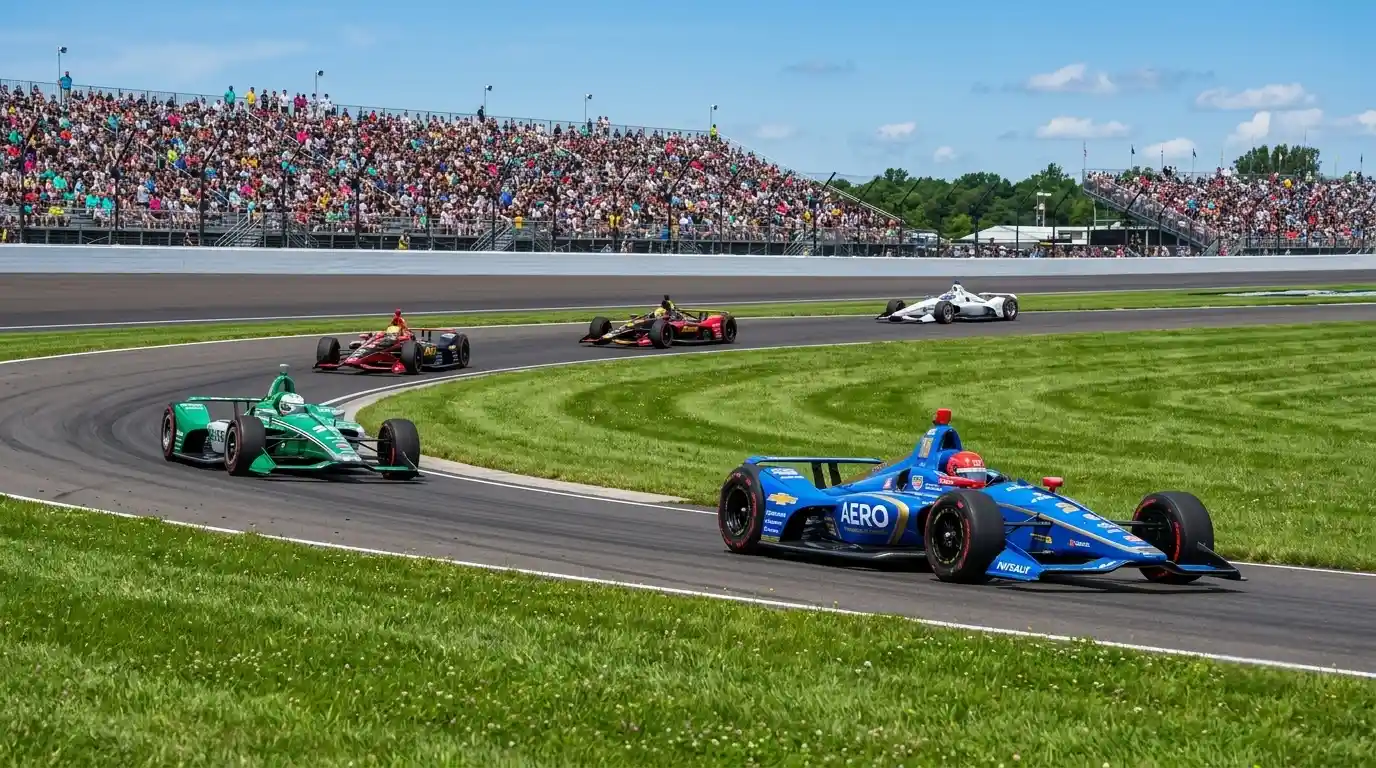
What Teams Actually Work on During Opening Day
The opening day of Indy 500 practice is not a speed contest — at least not primarily. Teams use Wednesday’s session to complete installation laps (verifying sensor data, checking for hydraulic leaks, confirming aero package fit), log group running in traffic to evaluate how the car handles in “dirty air,” and begin the methodical trim-level adjustment process that will eventually produce qualifying-spec setup packages. Most engineers emerge from the session with a stack of data about how the car behaves in race conditions — drafting, fuel loads, tyre heat cycles — rather than a single fast lap.
The drivers understand this rhythm. Scott Dixon, whose opening-day pace in sixth position looks modest until you understand that his team is rarely chasing the speed chart on day one, described his day as “exactly what we needed — good data, clean laps, no dramas.” That is Dixon at Indianapolis: patient, methodical, building toward the window that matters. His five wins at the Speedway were not built on leading the opening-day timing screen.
Full Indy 500 Opening Day Practice Results — Top 10
The top ten from opening day practice at IMS, ranked by fastest lap recorded in the session. Note that several drivers — including Dixon and Newgarden — ran conservative programmes focused on race-trim data rather than chasing a fast lap; their true qualifying pace will be meaningfully higher than these figures suggest.


| Pos | Driver | Car No. | Team | Engine | Top Speed (mph) | Gap to P1 |
|---|---|---|---|---|---|---|
| 1 | Álex Palou | 10 | Chip Ganassi Racing | Honda | 226.937 | Fastest |
| 2 | Scott McLaughlin | 3 | Team Penske | Chevrolet | 226.541 | –0.396 |
| 3 | Pato O’Ward | 5 | Arrow McLaren | Chevrolet | 226.112 | –0.825 |
| 4 | Josef Newgarden | 2 | Team Penske | Chevrolet | 225.890 | –1.047 |
| 5 | Colton Herta | 26 | Andretti Global | Honda | 225.402 | –1.535 |
| 6 | Scott Dixon | 9 | Chip Ganassi Racing | Honda | 225.118 | –1.819 |
| 7 | Kyle Kirkwood | 27 | Andretti Global | Honda | 224.903 | –2.034 |
| 8 | Alexander Rossi | 20 | Ed Carpenter Racing | Chevrolet | 224.655 | –2.282 |
| 9 | Marcus Ericsson | 28 | Andretti Global | Honda | 224.221 | –2.716 |
| 10 | Will Power | 12 | Team Penske | Chevrolet | 224.009 | –2.928 |
Practice speeds on day one include laps set in “race trim” — higher downforce, more tyre grip from fresh rubber, and often the benefit of another car’s tow. Qualifying lap times are run in “qualifying trim,” where teams strip out downforce and run leaner, more aggressive aerodynamic packages. Expect the entire field to gain 5–8 mph between opening day and Fast Friday qualifying speeds. Palou’s no-tow times are the number his rivals actually care about — they provide the most accurate read on where Chip Ganassi’s underlying package sits before the aero trimming begins. For more on how IndyCar qualifying works at Indianapolis, see our series guide.
Driver-by-Driver Analysis — What the Times Actually Mean
Álex Palou — Controlled Dominance
Palou’s opening day in the No. 10 Honda was a masterclass in managed confidence. He ran consistently fast throughout the session without ever appearing to push beyond 85% effort — the kind of margin that suggests his Ganassi team didn’t need to squeeze everything out of the car to lead the sheet. His no-tow pace was the most revealing data point of the day: comfortable in the top three without drafting assistance, which correlates strongly with solo qualifying lap potential.
The reigning champion’s approach to the Month of May has always been methodical. He treats practice week as a data-gathering exercise rather than a competition, and his No. 10 operation executes that philosophy more cleanly than any other team at the Speedway. The car that led opening day will look considerably different by Fast Friday — trimmed out, lower ride height, edge of the aero envelope — but the base from which Ganassi is working looks strong.
Scott McLaughlin — Penske’s Best on Day One
McLaughlin’s second-place time in the No. 3 Penske Chevrolet established an important reference point: Team Penske still has raw speed. After a front row start and strong early season results, the New Zealand-born Penske driver has emerged as perhaps his team’s most reliable performer in 2026. His lap of 226.541 mph was 0.396 mph behind Palou — on paper modest, but in the context of opening-day practice programmes, genuinely close. Penske traditionally holds a meaningful amount of pace in reserve until Fast Friday, so McLaughlin’s real qualifying ceiling is meaningfully above what he showed today.
Pato O’Ward — The Aggressive Approach
O’Ward was the most visibly aggressive driver in the field during the afternoon session, frequently running the outer lane through Turns 1 and 3 to explore how much downforce he could trim out of the Arrow McLaren Chevrolet package. Third fastest at 226.112 mph, his programme appeared focused on trimming the car’s aerodynamic configuration — testing the boundary between grip and straight-line speed that is the fundamental engineering challenge of an Indianapolis 500 qualifying setup. Arrow McLaren tends to find significant pace between opening day and Fast Friday; O’Ward’s ceiling is higher than third.
Josef Newgarden — Race Stability, Not Lap Records
The back-to-back Indianapolis 500 winner from 2023 and 2024 ran a measured programme that prioritised long-run stability over outright pace. His fourth-place time of 225.890 mph understates his qualifying potential significantly. Newgarden’s team at Penske is famous for running conservative opening-day programmes specifically to conceal their hand from rival engineers who are also watching the timing monitors. His race pace — the metric that actually wins the Indianapolis 500 — is the one to watch when group running begins in earnest later in the week.
Scott Dixon — The Patient Master
Sixth at 225.118 mph is exactly where Dixon’s team planned to be. The six-time IndyCar champion treats opening day like a systems check: verify the installation, run through the handling balance notes, gather long-run tyre data, and go home with a clean car and full notebooks. Dixon has won the Indianapolis 500 five times using exactly this approach to practice week. Nothing from today changes his status as a genuine podium threat.
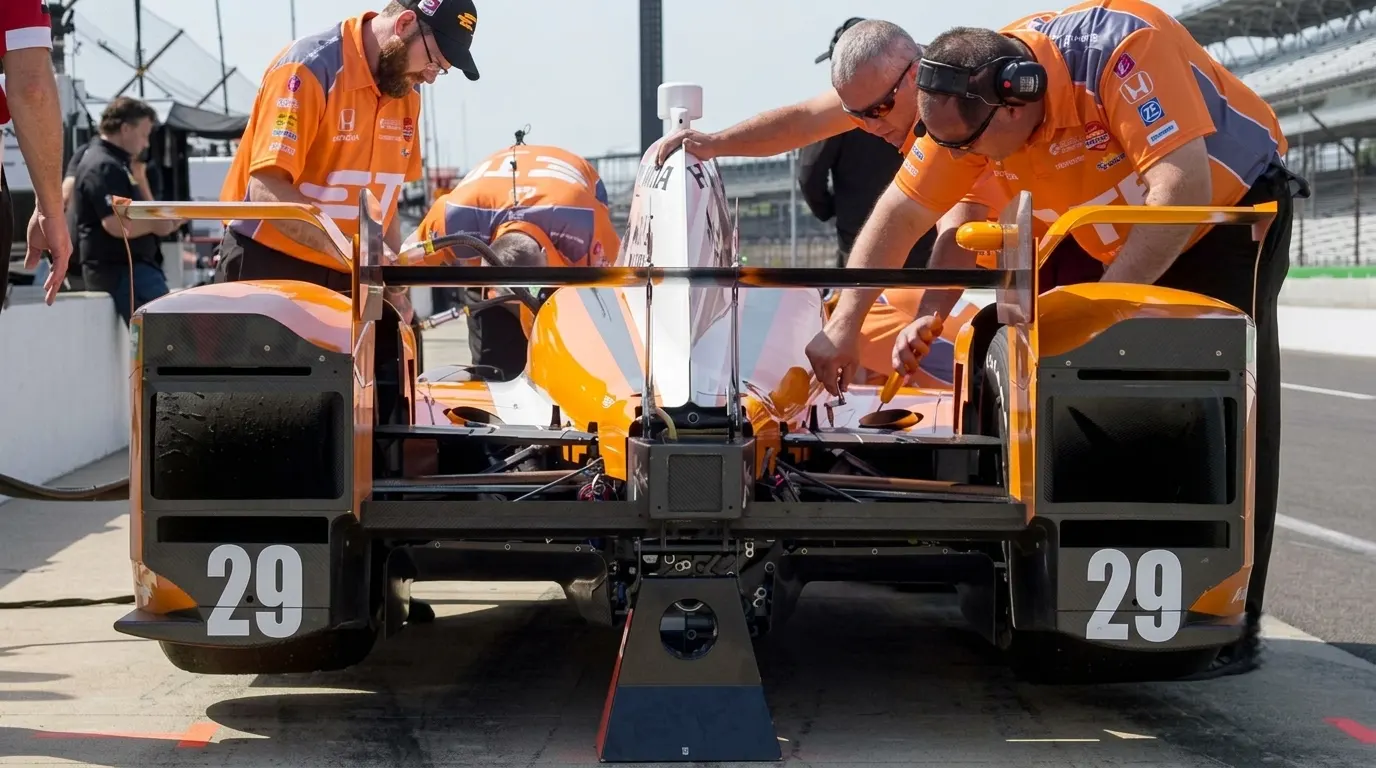
Team Performance Rankings — Opening Day Read
Day-one pace only — not reflective of qualifying trim speed
What Opening Day Practice Tells Us About Qualifying
The bridge between opening day practice and Indy 500 qualifying runs through two key variables: the tow-to-no-tow speed ratio and the pace of aerodynamic trim-out across the week. Understanding both is essential to reading the speed chart correctly.
Towing vs No-Tow: What Engineers Watch Most Closely
A tow — running directly behind another car on the oval to benefit from the aerodynamic draft — can add 2–4 mph to a lap time on the 2.5-mile Indianapolis oval. That means a lap of 226.937 mph set with drafting assistance could reflect a true no-tow pace of closer to 223–224 mph, or it could reflect a genuine 225-plus mph car if the tow was minimal. Engineers on the pit wall track the precise timing of each car’s position on the circuit and cross-reference it with the speeds logged to extract the no-tow component from each lap.
Palou’s no-tow ranking in the top three of the field — confirmed by session observers and the Ganassi engineering team’s own post-session communications — is the single most significant data point of the day. It confirms that the No. 10 Honda’s underlying performance is real, not tow-assisted.
The Trim Level Journey: Opening Day to Fast Friday
Multiple drivers reported higher-than-expected wear on the right-rear Firestone tyre during the afternoon session, particularly in the third and fourth laps of extended runs. This is a meaningful early signal for race strategy: if the 2026 compound degrades faster at Indianapolis than the 2025 specification, it adds complexity to fuel and tyre windows for a 200-lap event where tire management has historically been less critical than on road courses. Teams running the most aggressive trim packages in qualifying are storing this data carefully — a car that’s fast in qualifying but hard on rear rubber over 10–15 laps could face a different strategic window on race day. For more on how IndyCar pit strategy works, see our explainer.
Rookies and Dark Horses — Who Impressed Beyond the Top Ten
The most watched part of any Indy 500 opening day beyond the championship contenders is the rookie class. Indianapolis Motor Speedway is genuinely unlike any other oval on the calendar — faster, smoother banking, and a pack-racing dynamic that experienced oval drivers describe as the steepest learning curve in American motorsport. How rookies carry themselves in their first laps at IMS tells experienced observers a great deal about their long-term potential.
Louis Foster — Composed Under Pressure
Foster, who completed his Rookie Orientation Program in the days before official practice opened, posted a respectable lap of 221 mph in his opening-day session — a number that belies how cleanly he ran. The British driver — a graduate of Formula 2 and IndyCar’s domestic ladder — showed no hesitation in traffic and demonstrated the smoothness through the banking that oval newcomers typically take days to develop. His Andretti Global team guided him through a structured programme, and the result was a first day at IMS that drew quiet approval from veteran engineers watching the timing monitors.
Robert Shwartzman — Settling In
The former Formula 2 champion and Ferrari junior making his IndyCar debut also posted a controlled, methodical opening session. Shwartzman’s approach to the steep banking at Turn 1 was noticeably more conservative in his early laps — understandable and appropriate — but he gained visible confidence as the session progressed. His team’s ability to talk him through the specific turn entry and exit disciplines that IMS demands will determine how much pace he can find before qualifying.
Christian Lundgaard — The Dark Horse Everyone’s Watching
Lundgaard, who has produced some of the most impressive road-course performances in IndyCar over the past two seasons for Arrow McLaren, is a different type of dark horse to the rookies. He has experience on ovals, but the Indianapolis 500 specifically has not yet seen the best of him. His qualifying trim pace on Fast Friday is the number to watch — teams who know the Dane’s mechanical sensitivity and his ability to dial in a car’s aero balance quickly believe he could produce a surprise top-five qualifying position if Arrow McLaren’s oval package develops well through the week.
Before any first-time Indianapolis 500 competitor can participate in official practice, they must complete the Rookie Orientation Program — a staged series of solo runs at progressively increasing speeds, assessed by officials who must certify the driver’s oval competency before clearing them to run in traffic. The programme exists because the specific physics of a 2.5-mile banked oval at 220 mph — where aerodynamic sensitivity, tyre load and draft effects combine in ways that have no equivalent on any other circuit type — creates genuine danger for drivers who haven’t developed the muscle memory the track demands. For more on how oval racing works, our guide covers the essentials.
IndyCar Championship Standings Entering the Indy 500
The Indianapolis 500 carries a unique championship weight that no other round of the NTT IndyCar Series can match. While it does not formally award double points in the 2026 regulations, its prestige and the psychological impact of a result here — for better or worse — can redirect a season’s trajectory in a single afternoon. Entering the 110th Running, the standings heading into the Month of May:
| Pos | Driver | Team | Points | Gap | Indy Form |
|---|---|---|---|---|---|
| 1 | Álex Palou | Chip Ganassi Racing | 237 | Leader | Favourite |
| 2 | Kyle Kirkwood | Andretti Global | 210 | –27 | Improving |
| 3 | David Malukas | Team Penske | 185 | –52 | Settling |
Palou’s 237-point lead over Kyle Kirkwood looks comfortable on paper. An Indianapolis 500 win — worth a significant points premium due to the event’s championship multiplier in terms of competitive prestige — would extend that lead to a level where the title race effectively becomes a question of whether Palou can be stopped on road courses rather than oval tracks. His opening-day performance at IMS suggests the answer to that is “probably not unless something goes wrong.”
Palou is chasing a fourth IndyCar championship in 2026. A win at Indianapolis — which adds enormous psychological weight to a title campaign regardless of its formal points value — would effectively define his season. For a driver already producing the most consistent performance in the series, adding the Borg-Warner Trophy would make him the clear favourite to close out the championship well before the final round. For the history of Indy 500 wins and their championship implications, our archive covers the full record.
How to Watch the 2026 Indianapolis 500 — Broadcast Guide
The 2026 Indy 500 broadcast schedule represents a significant shift in how American motorsport reaches its audience. Across practice sessions, qualifying days and the race itself, here’s where to find every session:
| Session | US Broadcast | Streaming | International |
|---|---|---|---|
| Practice Sessions (All) | FS1 / FS2 | FOX Sports App | IndyCar Live (select markets) |
| Qualifying Days | FS1 | FOX Sports App | IndyCar Live |
| Fast Friday | FS2 | FOX Sports App | IndyCar Live |
| 110th Indianapolis 500 — Race | FOX (Live) | FOX Sports App | Sky Sports (UK) · TSN (Canada) |
The race itself airs live on FOX on Sunday, May 24, 2026 — the network’s most significant motorsport broadcast of the season. Every practice and qualifying session is available on FS1 or FS2 with live streaming through the FOX Sports App for authenticated cable or satellite subscribers. International viewers in select markets can access the IndyCar Live streaming platform. For UK audiences, Sky Sports continues to carry IndyCar coverage. For the latest broadcast details and streaming guide, see our IndyCar live race and streaming hub.
Frequently Asked Questions — Indy 500 Opening Day Practice 2026
The Month of May is only just beginning
Opening day at Indianapolis has delivered its first headline: Palou on top, Ganassi strong, Penske close, and the entire paddock now holding a reference point for the week ahead. But opening day practice at IMS has a very specific relationship with what actually happens in qualifying and on race day — the correlation is real but imperfect, and the engineers who know Indianapolis best will tell you that the car which leads the speed chart on Wednesday has no structural advantage over the car that was conserving its performance all day.
The week ahead — mid-week trim-out, Fast Friday’s first qualifying-spec runs, the tension of the actual qualifying days, and then the 200-lap race that makes everything else feel like preamble — will tell the real story. Palou has made his opening statement. Now everyone else has to answer it.
Follow every session live at worldofspeed.org/indycar.