IndyCar Racing 2026:
Schedule, Teams, Rules & F1 Comparison
The complete guide to the NTT IndyCar Series — what it is, how it works, the full 2026 race calendar with results, the technical rules that make IndyCar unique, every major team explained, and a definitive comparison with Formula 1. Everything a racing fan needs to know, in one place.
IndyCar Racing 2026:
Schedule, Rules & F1 Comparison
Everything you need to know about the NTT IndyCar Series — schedule, teams, rules and how it compares to F1.
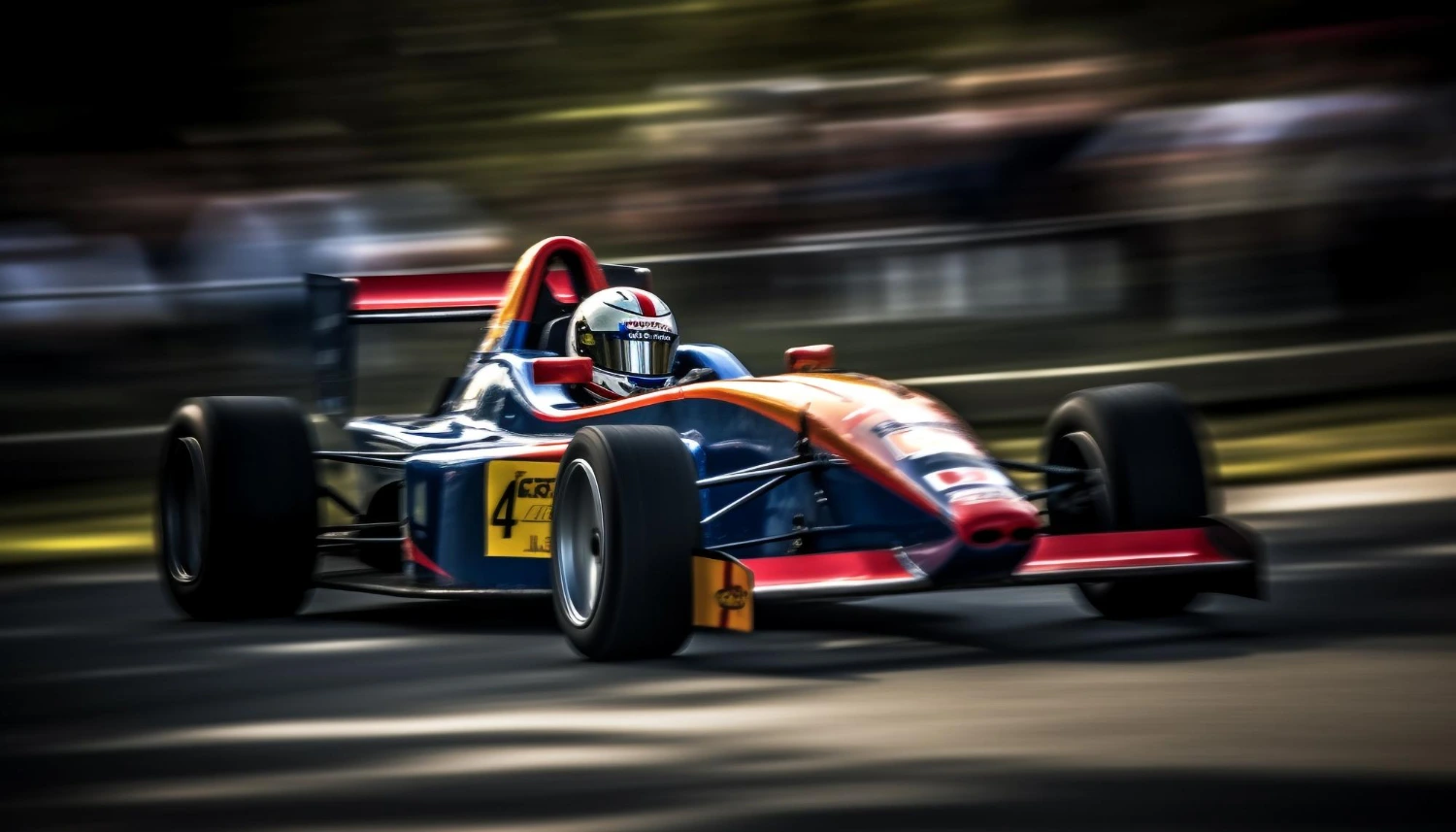
IndyCar is American open-wheel racing at its purest — a single-seater championship that demands drivers master three entirely different track types in the same season. One weekend you’re threading a 200 mph machine through concrete-walled city streets. Three weeks later you’re drafting at 238 mph around an oval where the slightest aerodynamic miscalculation sends you into the barrier. Then you’re back on a sweeping permanent road course, nursing Firestone tyres through 75 laps of delicate fuel strategy. No other racing series on earth asks its drivers to do all three with equal competence. Most don’t come close.
The 2026 NTT IndyCar Series is the 115th official championship season of American open-wheel racing — a heritage stretching back to 1911 and the inaugural Indianapolis 500. Seventeen races run from March to September, all on FOX Sports, covering five ovals, six street circuits and six permanent road courses. Álex Palou leads the championship with 342 points after nine rounds, pursuing what would be a record-tying fourth consecutive title. The next race is Road America on June 21.
This guide covers absolutely everything: what IndyCar is, how it differs from Formula 1 and NASCAR, the complete 2026 schedule with results, the Dallara DW12 technical rules, the Push-to-Pass system, qualifying format, the teams and championship battle, and the deepest comparison between IndyCar and F1 you’ll find anywhere. Whether you’ve never watched a race or you’ve followed the series for years, this is your complete 2026 IndyCar reference.
What Is IndyCar Racing? The Complete Beginner’s Guide
IndyCar — formally the NTT IndyCar Series — is the premier level of American open-wheel single-seater racing. Every car in the series runs the same Dallara DW12 chassis, powered by either a Honda or Chevrolet 2.2-litre twin-turbocharged V6 hybrid engine producing approximately 700 horsepower. Because the hardware is identical across the field, the racing is extraordinarily close: the difference between qualifying first and qualifying twentieth is routinely less than one second.
This is what separates IndyCar most fundamentally from Formula 1. In F1, teams design, build and develop their own cars — the technology gap between a front-runner and a backmarker can be several seconds per lap. In IndyCar, everyone buys the same Dallara chassis from the same manufacturer. The performance differentiators are engineering depth in suspension setup, fuel mapping, strategic decision-making and — most importantly — driver skill.
IndyCar is a “spec chassis” series. Every team purchases the Dallara DW12 and fits it with either a Honda or Chevrolet engine. The aerodynamic kits — which produce massive downforce on road circuits and are nearly flat on ovals for top-speed runs — are also standardised. This keeps costs manageable, keeps the field bunched together, and ensures driver talent is the dominant performance variable.
Think of it this way: in F1, the best car often wins regardless of the driver. In IndyCar, the best driver on the day wins. That’s the fundamental appeal.
How IndyCar Differs from NASCAR
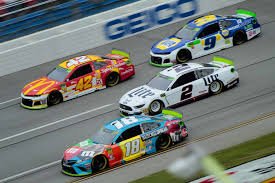
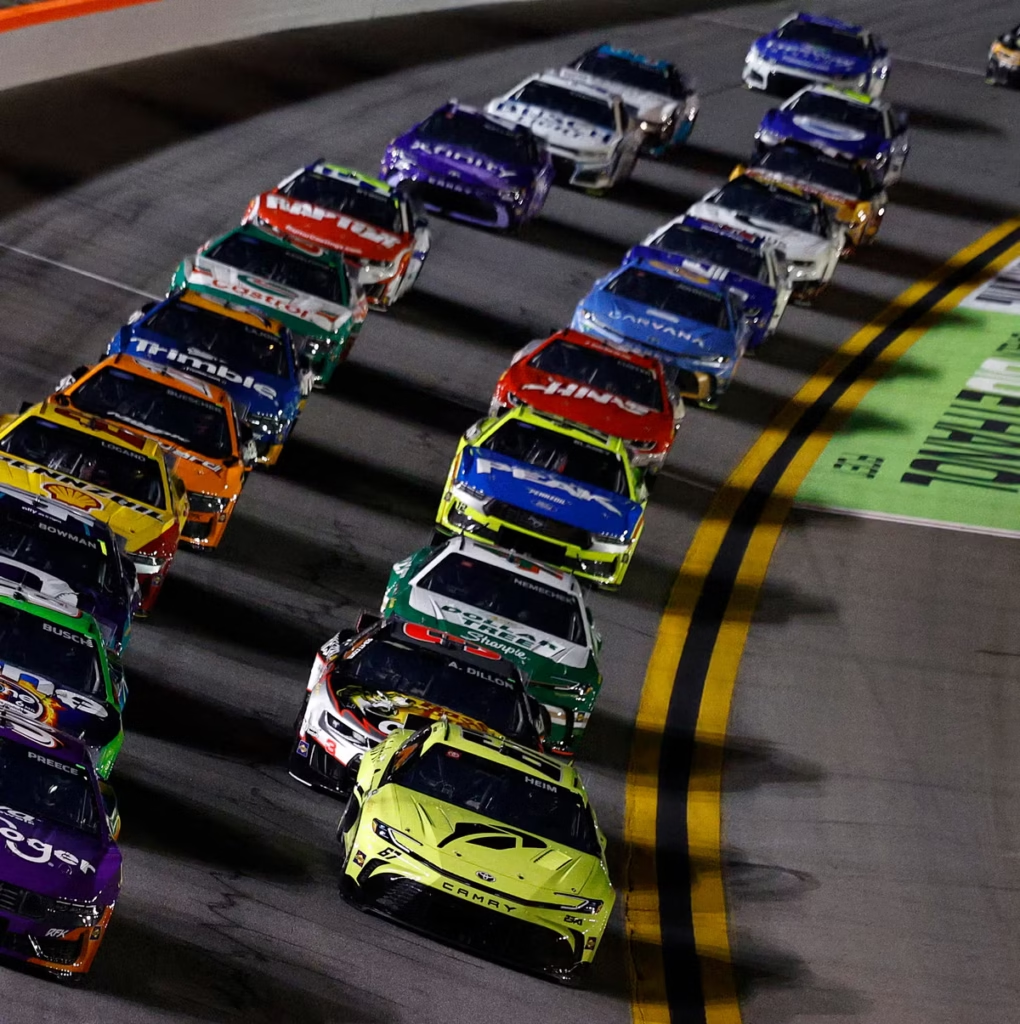
Both are major American racing series, but the philosophical difference is significant. IndyCar cars are open-wheel single-seaters — sophisticated aerodynamic machines with exposed tyres. NASCAR runs enclosed stock cars based loosely on production car bodies. IndyCar races on oval tracks, road courses and city street circuits. NASCAR runs primarily on oval tracks with a handful of road course additions. IndyCar is closer in technical philosophy to Formula 1. NASCAR is closer to touring car racing.
The driving techniques required are also different. IndyCar on a superspeedway oval demands understanding of slipstream drafting and aerodynamic balance at constant left-turn loads. NASCAR oval racing involves more physical contact and pack tactics. On road courses, IndyCar drivers apply skills nearly identical to F1: late-apex cornering, downforce management, tyre conservation and precise braking zones.
IndyCar 2026 Full Race Schedule — All 17 Rounds
The 2026 NTT IndyCar Series season runs 17 races across 16 venues — the Milwaukee Mile hosts a back-to-back doubleheader on the final Saturday and Sunday of August. Every race airs live on broadcast FOX in the United States, marking the first season of IndyCar’s exclusive partnership with the network. The season opened with three races on three consecutive weekends in March, a deliberate push for early-season momentum before the May month at Indianapolis.
For the first time in IndyCar history, every race in the 2026 season airs on broadcast FOX — not cable. This is the biggest shift in the series’ broadcast history since the NBC era. Practice and qualifying sessions stream on FS1, FS2, FOX One and the FOX Sports app. All times listed below are Eastern Time.
| Rd | Date | Race | Circuit | Type | Winner | TV (ET) |
|---|---|---|---|---|---|---|
| 1 | Mar 1 | Firestone GP of St. Petersburg | Streets of St. Pete, FL | Street | Álex Palou | Done |
| 2 | Mar 7 | Good Ranchers 250 — Phoenix | Phoenix Raceway, AZ | Oval | Josef Newgarden | Done |
| 3 | Mar 15 | Java House GP of Arlington | Streets of Arlington, TX | Street | Kyle Kirkwood | Done |
| 4 | Mar 29 | Children’s of Alabama GP | Barber Motorsports Park, AL | Road | Álex Palou | Done |
| 5 | Apr 19 | Acura GP of Long Beach | Streets of Long Beach, CA | Street | Álex Palou | Done |
| 6 | May 9 | Sonsio GP — IMS Road Course | Indianapolis Motor Speedway RC | Road | Christian Lundgaard | Done |
| 7 | May 24 | Indianapolis 500 (110th Running) | Indianapolis Motor Speedway | Oval | Felix Rosenqvist | Done |
| 8 | May 31 | Chevrolet GP of Detroit | Streets of Detroit, MI | Street | – | Done |
| 9 | Jun 7 | Bommarito 500 — Gateway | World Wide Technology Raceway | Oval | Josef Newgarden | Done |
| 10 | Jun 21 | XPEL GP at Road America | Road America, Elkhart Lake WI | Road | — | 2:00 PM |
| 11 | Jul 5 | Honda Indy 200 at Mid-Ohio | Mid-Ohio Sports Car Course, OH | Road | — | 12:30 PM |
| 12 | Jul 19 | GP of Nashville | Nashville Superspeedway, TN | Oval | — | TBD |
| 13 | Aug 9 | GP of Portland | Portland International Raceway, OR | Road | — | 4:00 PM |
| 14 | Aug 16 | GP of Ontario (Markham debut) | Streets of Markham, Canada | Street | — | Noon |
| 15 | Aug 23 | GP of Washington D.C. | Streets of Washington, D.C. | Street | — | TBD |
| 16 | Aug 29 | GP of Milwaukee — Race 1 | The Milwaukee Mile, WI | Oval | — | 2:30 PM |
| 17 | Sep 6 | GP of Monterey — Season Finale | WeatherTech Raceway Laguna Seca | Road | — | 2:30 PM |
Round 10 next: Road America, June 21 · Green highlighted row. All races live on FOX. Times ET.
Streets of Arlington (Mar 15) — a brand-new 2.73-mile street circuit built around AT&T Stadium and Globe Life Field in Arlington, Texas. A joint venture between Penske Entertainment, the Dallas Cowboys and the Texas Rangers; Kyle Kirkwood won the inaugural race.
Streets of Markham (Aug 16) — IndyCar returns to Canada with a new circuit in the Greater Toronto Area suburb of Markham, replacing the Toronto street circuit used in previous seasons.
Streets of Washington D.C. (Aug 23) — A new street race in the US capital, marking IndyCar’s first visit to the Washington D.C. area.
IndyCar Track Types — Ovals, Street Circuits & Road Courses
No other major racing series asks its drivers to compete on three fundamentally different track types in a single season. A driver who dominates on road courses can be entirely uncompetitive on an oval — not because of talent, but because the car setup, driving style, physical demands and risk calculation are almost unrelated disciplines wearing the same uniform. This is the defining characteristic of IndyCar: genuine, all-round versatility is required to win a championship.
The Indianapolis 500 is the single largest one-day sporting event in the world — 250,000 fans inside the Indianapolis Motor Speedway, a crowd so large that the venue could contain the entire Monaco Grand Prix circuit inside the infield.
IndyCar Cars & Technology — Dallara DW12 Explained
Every car in the 2026 NTT IndyCar Series is built around the Dallara DW12 chassis — the spec monocoque that has underpinned the series since 2012, with the current Universal Aero Kit introduced in 2018. Teams configure the aerodynamics, suspension and dampers specifically for each track type, but the fundamental tub, safety cell and crash structure are identical across every car on the grid.
Engine — Honda vs Chevrolet
Two manufacturers supply engines for the 2026 season: Honda and Chevrolet. Both run a 2.2-litre twin-turbocharged V6, producing approximately 700 horsepower in race trim and pushing toward 800 horsepower in qualifying spec. In 2026, a hybrid energy recovery system is integrated into both power units — capturing kinetic energy under braking and deploying it for acceleration bursts, adding a layer of strategic complexity that didn’t exist in previous seasons.
The engine choice matters in ways that extend beyond raw power. Honda and Chevrolet each have different power delivery characteristics, different fuel efficiency curves and different reliability profiles at specific circuit types. Chip Ganassi Racing and Andretti Global run Honda. Team Penske and Arrow McLaren run Chevrolet. The manufacturer battle runs parallel to the drivers’ championship throughout the season.
On road and street courses, every IndyCar driver has a Push-to-Pass button on their steering wheel. Pressing it opens the turbocharger wastegates wider, delivering an additional 50–60 horsepower burst for a limited duration. Each driver gets a fixed total of 150–200 seconds of Push-to-Pass per race, and they cannot use it on oval tracks.
The strategic element is significant: deploy it too early and you’re defenceless when a rival comes at you in the closing laps. Save too much and you never close the gap you needed to bridge in the first place. It’s IndyCar’s equivalent of F1’s DRS system — but more limited, more flexible and more tactically demanding to deploy.
Aerodynamic Kits — The Road Course vs Oval Transformation
One of the most visually dramatic differences in IndyCar is how drastically the car’s aerodynamic configuration changes between track types. On a street circuit or road course, the Dallara DW12 runs with tall front wings, large rear wings and extensive bodywork designed to generate maximum downforce. The car pushes hard into the road through corners, gripping aggressively and allowing drivers to carry speed through complex sequences of turns.
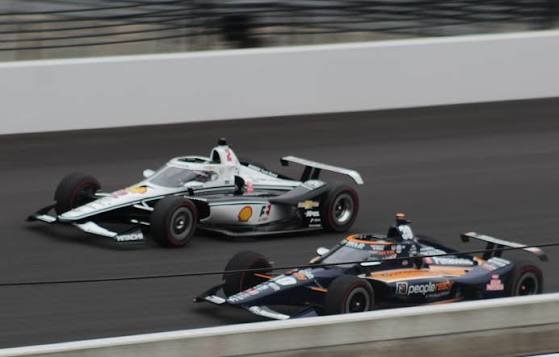
On a superspeedway oval, the wings are almost entirely removed. The rear wing becomes nearly horizontal — close to flat — to eliminate aerodynamic drag. The front wing is also reduced dramatically. The car trades corner grip for top-speed efficiency, reaching 238–240 mph in a straight line. The trade-off is that the car becomes extremely sensitive to aerodynamic disturbance — following another car closely on an oval can cause the second car to lose control through reduced downforce in the lead car’s turbulent wake. This is why oval racing strategy is as much about air management as it is about horsepower.
Pit Stops — Fuel Strategy and Tyre Changes
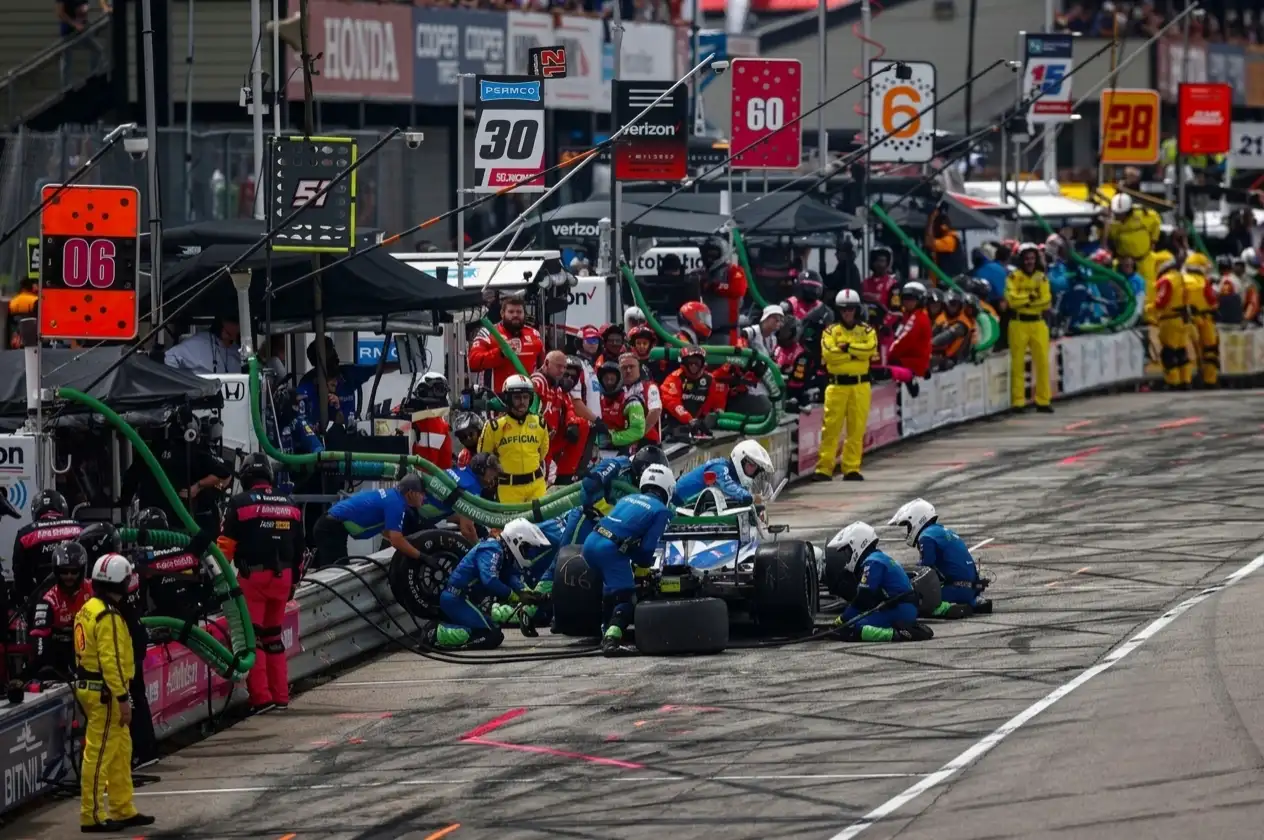
Unlike Formula 1, IndyCar cars require mid-race refuelling. Teams carry approximately 20 gallons of ethanol-blend fuel per stint, and fuel management is a fundamental part of race strategy at every venue. A typical oval race involves two or three pit stops for fuel and tyres, while a road course race may see three or four stops depending on tyre degradation rates.
On road and street circuits, Firestone supplies two tyre compounds: the Primary (black sidewall, harder compound, lasts longer but produces less grip) and the Alternate (red sidewall, softer compound, dramatically faster but degrades quickly). Teams must use both compounds during a race, which opens strategic windows similar to the prime and option tyre system in F1. IndyCar pit stops including fuel take approximately 6–8 seconds — longer than F1’s 2–3 second tyre-only stops, but far more complex. Full pit stop mechanics guide here.
IndyCar Rules & Points System Explained
IndyCar’s points system is designed to keep championship battles alive for as long as possible. Unlike some racing series where a dominant performer can mathematically clinch the title with multiple rounds remaining, IndyCar’s point structure rewards consistency across all circuit types while giving bonus incentives for exceptional single-race performance.
How Qualifying Works
IndyCar qualifying varies by circuit type. On road and street circuits, all cars go out in a single session, and the fastest 12 are promoted to a Firestone Fast Six — essentially a shoot-out for pole position where each driver gets one flying lap attempt. The drama of that single-lap pressure is one of the great spectacles in the sport.
On ovals, qualifying is individual time attacks — one car at a time, banked into the oval with a spotter on the roof and a timed two-lap average. At the Indianapolis 500, qualifying is an entire weekend event in itself, with a four-lap average run determining the 33-car grid. The fastest qualifier wins the NTT P1 Award — the Indy 500 pole attracts immense prestige because the track records set there are essentially the fastest laps in the history of American motorsport. Álex Palou won the 2026 Indy 500 pole at 232.248 mph average over four laps. Full qualifying format guide here.
Championship Points Structure
| Finish | Race Points | Bonus Available | Notes |
|---|---|---|---|
| 1st | 50 | +4 max | Win + pole + lead lap + most laps led |
| 2nd | 40 | +3 max | Podium finishers earn leading-lap bonuses |
| 3rd | 35 | +3 max | — |
| 4th | 32 | +2 max | — |
| 5th | 30 | +2 max | — |
| 10th | 22 | +2 max | — |
| 15th | 12 | +1 max | — |
| 20th | 8 | +1 max | — |
| 25th+ | 5 | +1 max | Minimum points for classified finishers |
| Pole position | +1 | — | Awarded at most events |
| Lead a lap | +1 | — | For leading at least one lap |
| Most laps led | +2 | — | Driver leading the most laps in the race |
A driver finishing 4th consistently earns 32 points per race. A driver who alternates between winning (50 points) and a mechanical DNF (5 points) averages only 27.5 points per race. Over 17 rounds, the steady finisher accumulates a championship-winning advantage. This is why Álex Palou’s title campaigns have been built on eliminating bad results rather than maximising wins. Full championship scoring mechanics guide.
Safety Rules — SAFER Barriers, Aeroscreen and Oval Protocols
IndyCar has been at the forefront of motorsport safety innovation for decades. The SAFER (Steel And Foam Energy Reduction) barrier system lines every oval in the series, designed to decelerate impact forces over a longer distance. Every car runs the Aeroscreen — IndyCar’s version of a protective cockpit windscreen, introduced after the fatalities that prompted F1 to develop the Halo. On oval tracks, specific caution flag protocols govern how cars bunch up behind the pace car and how pit lane access is managed during yellow conditions. One badly timed caution can redistribute an entire field’s fuel strategy, reordering the championship standings in minutes.
IndyCar Teams 2026 — The Major Players Explained
Because every team runs the same Dallara chassis, what separates the front-runners from the midfield comes down to operational excellence: engineering depth, pit crew speed, strategic computing power and institutional knowledge accumulated over hundreds of race weekends. The top four teams have won the last eight championships between them, and 2026 looks set to continue that pattern.
| Team | Engine | Key Drivers | 2026 Drivers’ Best | Championship Titles |
|---|---|---|---|---|
| Chip Ganassi Racing | Honda | Palou, Dixon, Simpson | 1st (Palou, 342 pts) | 14 titles all-time |
| Team Penske | Chevrolet | Newgarden, McLaughlin, Malukas | 3rd (Malukas, 274 pts) | 18 titles all-time |
| Arrow McLaren | Chevrolet | O’Ward, Lundgaard, Siegel | 4th (Lundgaard, 246 pts) | 3 titles |
| Andretti Global | Honda | Kirkwood, Power, Ericsson | 2nd (Kirkwood, 293 pts) | 8 titles |
| Meyer Shank Racing | Honda | Rosenqvist, Armstrong | 8th (Rosenqvist, 221 pts) | 2 titles (MSR era) |
| Rahal Letterman Lanigan | Honda | Rahal, Foster (R) | 11th (Rahal, 193 pts) | 3 titles |
| PREMA Racing | Chevrolet | Ilott (R), Shwartzman (R) | Rookie contenders | Inaugural IndyCar season |
Chip Ganassi Racing is the dynasty team of modern IndyCar. Fourteen championships across the team’s history. Their Honda partnership has produced four Álex Palou titles. Scott Dixon, in the twilight of a legendary career with 58 wins and six championships, remains a race winner when conditions suit his strategic style. Kyffin Simpson is the team’s investment in the future.
Team Penske is the most professionally run operation in American motorsport, period. Roger Penske’s organisation has been winning IndyCar races since 1971. Eighteen championship titles. Josef Newgarden, two-time champion and back-to-back Indianapolis 500 winner in 2023 and 2024, won at Gateway for the sixth time in his career in 2026. David Malukas — who moved from A.J. Foyt Enterprises to replace Will Power when Power shifted to Andretti — has been one of the revelations of the 2026 season, sitting third in the championship.
IndyCar vs Formula 1 — The Complete Comparison
The question people ask most often is whether IndyCar is faster than Formula 1 — and the honest answer is: it depends where you measure. On an oval, an IndyCar at 240 mph is faster than any F1 car has ever gone anywhere. On a road circuit, a 2026 F1 car laps faster than an IndyCar by 20–30 seconds per lap at equivalent venues — because the F1 machine generates vastly more downforce and its tyres are wider and stickier. The two series are optimised for completely different things, which makes direct speed comparison somewhat misleading.
| Feature | IndyCar 2026 | Formula 1 2026 | NASCAR 2026 |
|---|---|---|---|
| Car Design | Spec Dallara DW12 Identical chassis | Constructor series Teams design own cars | Spec Next Gen Standardised stock car |
| Engine | 2.2L Twin-Turbo V6 ~700 hp · Honda / Chevy | 1.6L V6 Turbo Hybrid ~1,000 hp · 50/50 electric | 5.86L Naturally Aspirated V8 ~550 hp |
| Top Speed | ~240 mph (Indy oval) | ~220 mph (Monza) | ~200 mph (Daytona) |
| Track Types | Ovals · Streets · Roads | Road & Street circuits only | Mainly ovals + some roads |
| Pit Stops | Fuel + tyres (~6–8 sec) | Tyres only (~2–3 sec) No refuelling | Fuel + tyres (~9–11 sec) |
| Overtaking Tool | Push-to-Pass button 150–200 sec total/race | DRS (Drag Reduction System) Designated zones | Drafting / pack racing |
| Teams Build Cars? | No — buy Dallara chassis | Yes — full constructor rules | No — spec Next Gen chassis |
| Season Budget (top team) | ~$50–80M | ~$200–250M (cost-capped) | ~$30–50M |
| Race Broadcasts 2026 | FOX (every race) | F1 TV / ESPN / Sky | FOX / NBC |
| Championship Approach | Consistency across 3 types | Best car + best driver | Playoff bracket system |
Which Is More Competitive — IndyCar or F1?
If your measure of competitiveness is the number of different winners per season and the closeness of racing, IndyCar wins easily. In 2026, nine races have produced six different winners across three manufacturers. In a typical F1 season, one team dominates and the champion is decided well before the final round. That’s a function of the constructor model: teams that invest the most in car development gain advantages that take seasons to erode.
In IndyCar, the spec chassis means a driver at a smaller team can beat the factory-backed frontrunners on any given weekend. The Indy 500 winner, Felix Rosenqvist, drives for Meyer Shank Racing — a team operating with a fraction of the resources available to Chip Ganassi or Team Penske. That outcome is possible in IndyCar. It is essentially impossible in modern F1 unless the leading team has a catastrophic reliability failure.
Yes, and several have. Romain Grosjean raced in IndyCar after leaving F1 and won races. Marcus Ericsson — currently in IndyCar with Andretti Global — made 97 F1 starts before moving to America. The skills transfer reasonably well for road course and street circuit racing. The oval transition is the steepest learning curve: most European open-wheel drivers have never driven flat-out on an oval before, and the consequences of a mistake at 230+ mph are immediate and severe. Read our full IndyCar vs F1 technical deep-dive here.
IndyCar Racing 2026 — Frequently Asked Questions
Why IndyCar Is Worth Your Time in 2026
IndyCar doesn’t have the global reach of Formula 1 or the cultural weight of the NFL, but for the 17 weekends it runs each year, it produces racing that neither of those can match for raw, wheel-to-wheel drama. The spec chassis is not a compromise — it’s a deliberate choice to elevate driver talent above engineering budget. The fact that Felix Rosenqvist can win the Indianapolis 500 in a Meyer Shank Racing Honda while Álex Palou starts from pole in a Chip Ganassi machine and finishes seventh is not an aberration. It’s exactly what the series is designed to produce.
The 2026 championship is heading into its second half with nine races complete and the title genuinely undecided. Palou leads but has shown he’s not immune to strategic disasters. Kirkwood is 49 points back and hasn’t finished outside the top six all season. Malukas is the surprise story. Newgarden is the danger man no one at the front can afford to ignore on an oval. Road America on June 21 starts the sequence that will define this championship — and every race from here is on FOX, accessible to more fans in the United States than any IndyCar season has ever reached.