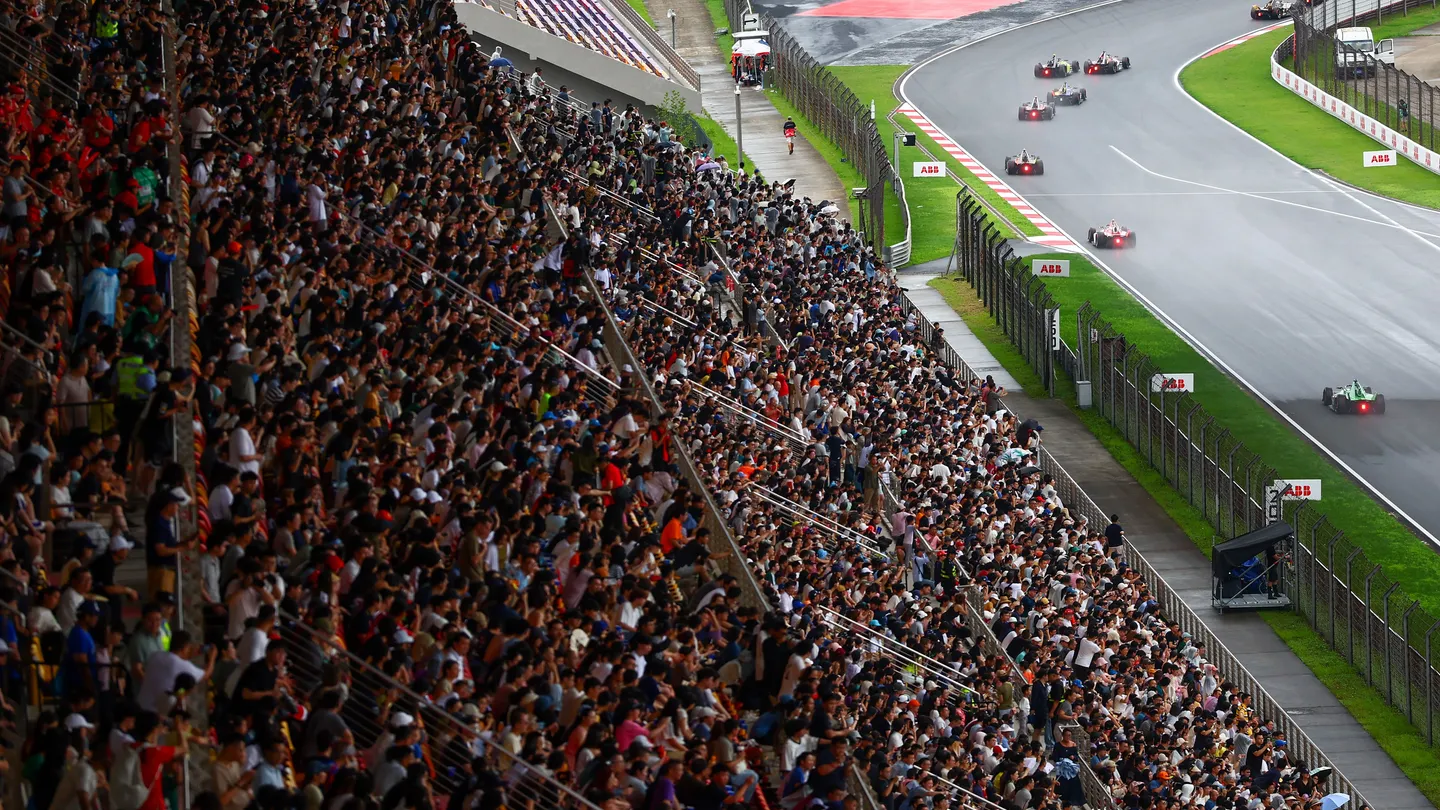
Shanghai Formula E 2026 Race 1 Qualifying Results:
Pole Winner, Duels Classification & Starting Grid
Complete qualifying results from the Shanghai International Circuit — who took pole, how the Duels bracket played out, the full Race 1 starting grid, analysis of every key session moment, and the championship implications heading into race day.
Full qualifying results, Duels bracket, starting grid and championship analysis.
António Félix da Costa claimed pole position for the 2026 Shanghai Formula E Race 1, delivering a dominant performance through the Duels qualifying bracket to secure the top grid slot at the Shanghai International Circuit.
The Portuguese Porsche driver — one of the most experienced and consistent performers in Formula E history — navigated the knockout format with controlled aggression, clocking the fastest Duels lap of the entire session in the final. The result puts him in prime position to extend his championship lead heading into Race 1 on Saturday evening local time.
This article covers every qualifying session result from the Shanghai E-Prix weekend: the group-stage lap times that determined who advanced, the complete Duels bracket head-to-head results, the official Race 1 starting grid, session-by-session analysis, and what the pole means for the championship table. All times are listed in China Standard Time (CST / UTC+8) and Eastern Time (ET / UTC−4) for US-based readers.
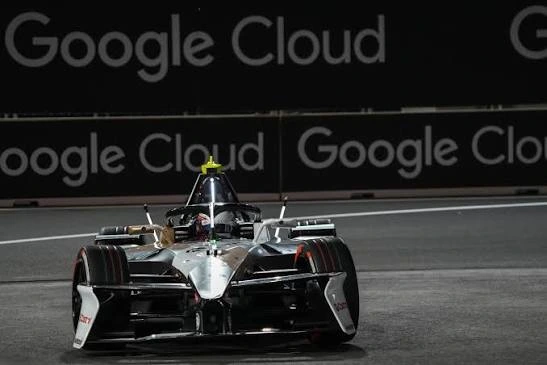
António Félix da Costa put together the most complete qualifying performance of the 2026 Shanghai weekend, leading from the group stage through every Duels round without dropping below the lead pace. His Porsche TAG Heuer package has shown particular strength on the Shanghai International Circuit’s flowing layout, where the Gen3 Evo car’s front-end precision in medium-speed corners translates directly into qualifying lap time.
Mitch Evans grabbed second on the grid for Jaguar TCS Racing after taking the Duels runner-up position, while his team-mate Nick Cassidy completed an impressive Jaguar front-row lockout challenge by reaching the semi-final. Cassidy will start from third, giving Jaguar three of the top five starting positions — a result that significantly shapes their race-day strategic options.
How Formula E Qualifying Works: The Group + Duels Format
Formula E’s qualifying format is genuinely unlike anything else in motorsport. The goal is to give every driver a chance to set a clean lap time on a relatively uncrowded track, while also building in a head-to-head knockout element that adds drama and unpredictability to the session. Understanding it makes the results far easier to follow.
Group Stage: All cars are split into two groups. Each group gets a short, timed session on circuit. Drivers set their best lap time. The fastest six from each group advance to the Duels.
Duels — Quarter-Finals: The 12 group qualifiers are seeded and paired for head-to-head matchups. Each pair completes an out-lap and a flying lap together. The faster driver advances.
Duels — Semi-Finals: The six Quarter-Final winners compete in three Semi-Final matchups. Same format — one flying lap, fastest driver progresses.
Duels — Final: The two Semi-Final winners face off for pole position. Winner takes P1 on the starting grid. The three Semi-Final losers are classified P3–P5 by their best Duels lap time. Group qualifiers fill positions P7 onward by their timed group lap.
The Duels format also introduces a strategic element absent from traditional qualifying. Faster group qualifiers can choose between seedings, which affects who they face in the Quarter-Finals. A driver who qualifies fastest in the group stage often selects the most favorable bracket path — though head-to-head dynamics mean even the fastest group lap time doesn’t guarantee a Duels win.
Duels Classification — Full Bracket Results
The Shanghai Duels bracket produced several compelling head-to-head matchups before da Costa’s dominant run through the Final. Jaguar’s pace was the defining team story — Evans and Cassidy both reached the Semi-Finals, giving the British manufacturer strong representation at the top of the bracket. Porsche countered through da Costa’s precision, who posted the fastest individual flying lap in three of four Duels rounds.
The Final was decided by 0.126 seconds — narrow, but a convincing margin in a Duels context where the split-second of a flying lap can swing either way. Da Costa’s Porsche found additional front-end grip at the tricky final chicane complex compared to his Semi-Final run, suggesting the team made a meaningful setup or energy management tweak between sessions. Evans, meanwhile, was competitive without quite matching the lap.
Shanghai Formula E Race 1 — Full Starting Grid
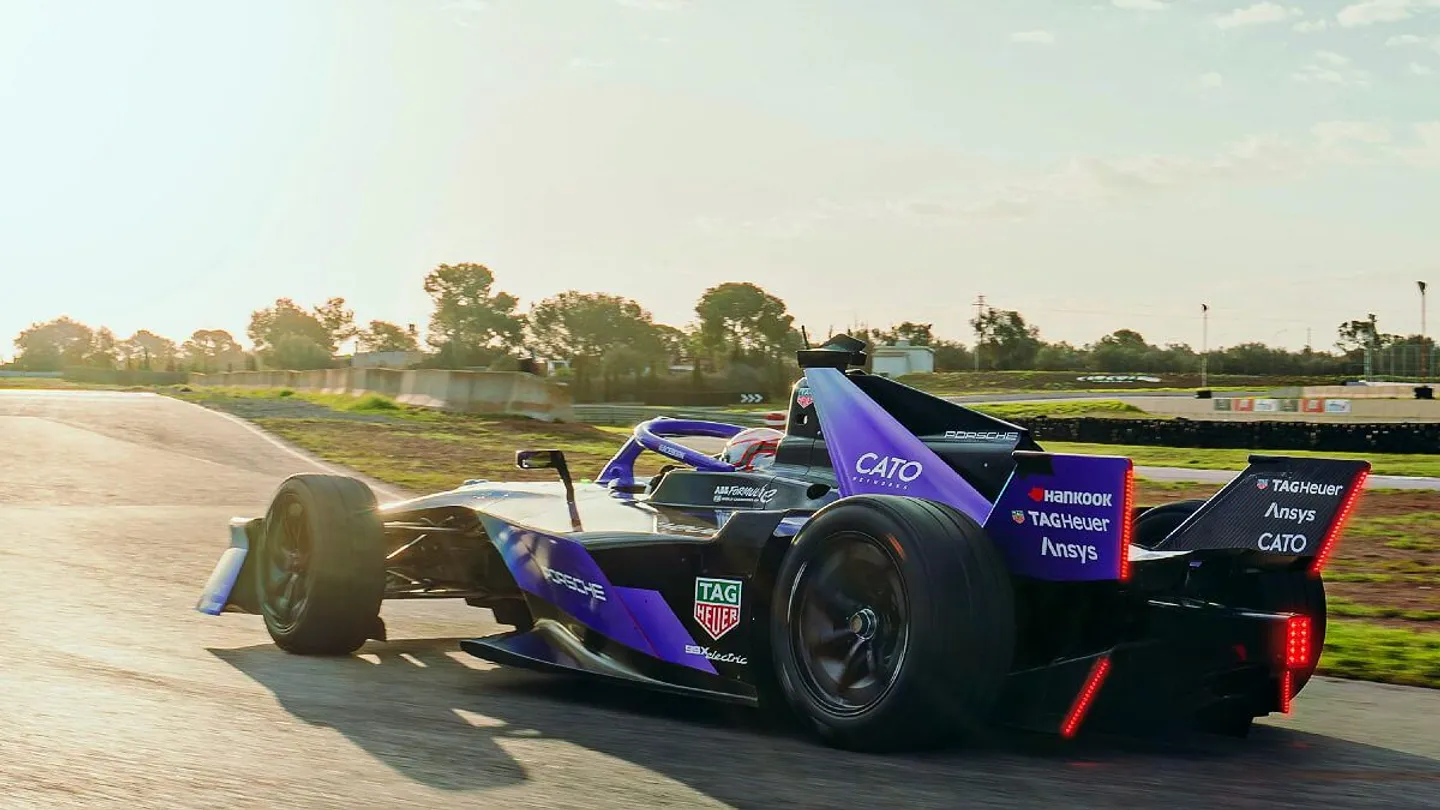
The Race 1 starting grid combines the Duels classification for positions 1–6 and the group-stage qualifying order for positions 7 onward. Positions 7–16 are filled by drivers who did not advance through the Duels bracket, ranked by their best lap time from the group stage session. Drivers eliminated in the Duels Quarter-Finals fill positions 7–10, sorted by their fastest Duels flying laps.
| Grid | Driver | Team | Best Lap | Qualifying Stage |
|---|---|---|---|---|
| 1 | António Félix da Costa | Porsche TAG Heuer | 1:34.892 | Duels Final |
| 2 | Mitch Evans | Jaguar TCS Racing | 1:35.018 | Duels Final |
| 3 | Nick Cassidy | Jaguar TCS Racing | 1:35.319 | Semi-Final |
| 4 | Jean-Éric Vergne | DS Penske | 1:35.230 | Semi-Final |
| 5 | Pascal Wehrlein | Porsche TAG Heuer | 1:35.492 | QF Elim. |
| 6 | Sébastien Buemi | Envision Racing | 1:35.701 | QF Elim. |
| 7 | Maximilian Günther | Maserati MSG Racing | 1:35.598 | QF Elim. |
| 8 | Norman Nato | Andretti Global | 1:35.789 | QF Elim. |
| 9 | Jake Dennis | Andretti Global | 1:36.012 | Group Stage |
| 10 | Stoffel Vandoorne | DS Penske | 1:36.188 | Group Stage |
| 11 | Oliver Rowland | Nissan Formula E | 1:36.244 | Group Stage |
| 12 | Robin Frijns | Envision Racing | 1:36.391 | Group Stage |
| 13 | Sam Bird | McLaren Formula E | 1:36.502 | Group Stage |
| 14 | Nyck de Vries | Mahindra Racing | 1:36.618 | Group Stage |
| 15 | Lucas di Grassi | ABT Cupra Formula E | 1:36.714 | Group Stage |
| 16 | Nico Müller | ABT Cupra Formula E | 1:36.891 | Group Stage |
This grid applies to Race 1 only. Race 2 qualifying runs as a separate session later in the weekend, producing an independent starting grid. The Race 2 grid is not determined by Race 1 results. Race 2 qualifying results will be covered in a separate report on this site. For context on how qualifying determines grid position across different series, see our explainer on what pole position is and why it matters.
Qualifying Analysis: What the Session Told Us
Three separate storylines emerged from the Shanghai qualifying session, each carrying different weight heading into Race 1. First, da Costa’s performance confirmed that Porsche’s Shanghai-specific setup work over the past week of preparation was well-targeted. Second, Jaguar’s double front-row presence raises a genuine strategic question about whether they’ll run Evans and Cassidy on the same strategy or split their approach. Third, the group stage drop-offs — particularly Dennis and Vandoorne failing to advance from their respective groups — reshuffled the midfield in ways that could affect Attack Mode deployment patterns in the race.
Porsche’s Front-End Advantage at Shanghai
The Shanghai International Circuit’s layout features a sequence of medium-speed left-right combinations in sectors 2 and 3 that particularly rewards front-end mechanical grip over outright electrical deployment power. Porsche’s Gen3 Evo package has shown a consistent advantage in this type of corner geometry throughout 2026, and Shanghai brought it out most clearly so far. Da Costa’s fastest Duels lap was 0.126 seconds clear of Evans — a margin that feels narrow in absolute terms but represents a meaningful gap when both drivers are at the absolute limit of the flying lap format.
In Formula E qualifying, 0.126 seconds is not a margin — it’s a statement. Da Costa and Porsche came to Shanghai knowing exactly what they needed to do.
— Formula E Analyst ObservationJaguar’s Dual-Car Strategy Question
Mitch Evans and Nick Cassidy starting second and third creates the most interesting strategic question of the Race 1 weekend. In a race format where Attack Mode deployment timing is the primary tool of overtaking and defense, Jaguar can either run both cars in tandem — sharing energy data and coordinating Attack Mode activation to create a slipstream train — or split their strategies to cover multiple scenarios simultaneously. The latter approach is riskier but historically more effective at getting one Jaguar to the front when the other encounters traffic. The team’s decision in the opening five laps will be worth watching closely.
The Midfield Shuffle — Who’s Under Pressure
Jake Dennis qualifying ninth is the most significant midfield result. The Andretti driver was one of the stronger performers in the group stage, but a traffic-affected run in the crucial group session left him unable to post the lap that would have advanced him to the Duels. Starting ninth places him outside the immediate battle for points but with a realistic path through the midfield if Attack Mode timing goes his way. Meanwhile, Vandoorne starting tenth puts both DS Penske entries in recovery mode — a particularly unwelcome development given Jean-Éric Vergne’s strong semi-final result from fourth on the grid.
2026 Formula E Championship Standings Before Shanghai
The Shanghai round arrives at a pivotal moment in the 2026 ABB FIA Formula E World Championship. Da Costa’s pole, combined with the bonus championship point it carries, pushes him further ahead at the top of the table. Evans and Cassidy’s strong qualifying keeps Jaguar’s title hopes alive across both the drivers’ and constructors’ championships. The double-header format — two races this weekend — means Shanghai could produce a significant points swing in either direction.
Da Costa’s championship lead stands at 17 points heading into Shanghai’s Race 1, but that gap can evaporate within a single double-header weekend if results go against him. Formula E’s points structure awards 25 for a win, 3 for fastest lap, and 1 for pole — so two wins for Evans across the Shanghai double-header, combined with fastest laps and poles, could theoretically reduce the gap to single figures before the paddock leaves China.
Jaguar leads the constructor standings ahead of Porsche, making Shanghai particularly high-stakes for both manufacturers. The double-header format means constructors can pick up 50+ points in a single venue, creating the potential for large championship shifts. For context on how points systems work across racing series, see how racing championships are scored.
Shanghai E-Prix 2026 Race Weekend Schedule
The Shanghai double-header runs across three days at the Shanghai International Circuit. All times below are shown in China Standard Time (CST) for on-site attendees and Eastern Time (ET) for U.S.-based viewers. Note that CST is 12 hours ahead of ET — Race 1 starts at approximately 3:00 AM ET Saturday night/Sunday morning, meaning U.S. fans typically watch via replay or stream delay.
Formula E’s global broadcast for US viewers runs on CBS Sports Network for selected rounds and Peacock for streaming. The official Formula E YouTube channel streams qualifying sessions live for international markets where no local broadcast deal is in place. The Race Control app provides live timing data and driver tracking throughout every session. Check the Formula E how-to-watch guide for the full US broadcast breakdown and Shanghai E-Prix 2026 schedule and watch guide for session-specific streaming links.
Frequently Asked Questions
Shanghai Race 1 Qualifying Verdict: Porsche’s Blueprint is Working
António Félix da Costa’s pole performance was a masterclass in how to use the Formula E Duels format to maximum advantage. He didn’t just survive — he improved from the Quarter-Final through the Semi-Final to the Final, producing progressively faster laps when it counted most. That pattern of building through a qualifying session is the mark of a driver and team that arrive at an event completely prepared rather than relying on a single hot lap to carry them.
Jaguar’s double front-row result complicates the strategic picture in the best possible way for spectators. With Evans and Cassidy able to work together or independently, Race 1 sets up as one of the more strategically open events of the 2026 season. Da Costa’s pole advantage is real, but 45 minutes of Formula E racing — with Attack Mode, safety cars, and tight street circuit walls — has a way of reshuffling even the clearest qualifying order.
Race 1 coverage, full results, and Race 2 qualifying are available as they happen on worldofspeed.org. For the full Formula E 2026 season picture, visit the Formula E schedule page and the teams overview.